
REVIEW · POLISH FOOD AND PIEROGI TOURS
Pierogi Cooking Class: Mastering the Art of Polish Dumplings
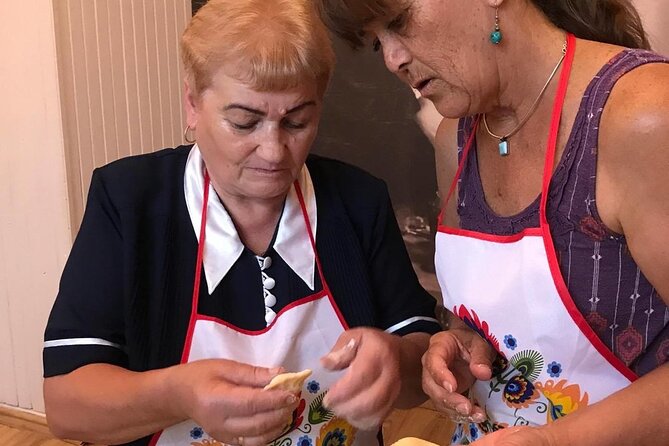
Pierogi magic starts at the table. In Krakow, this hands-on class gets you making pierogi from scratch in about two hours, then you eat what you fold, seal, and boil. You also get local stories about Polish food culture while you work.
What I love most is the step-by-step teaching from instructors like Olga and Magda, with plenty of patience if your pastry skills are not great. I also like that your plate includes both a savory classic and a sweet version, including pierogi ruskie with potatoes and twaróg (creamy, tangy white cheese), plus fruit-filled dumplings with fruits that are in season.
One thing to consider is scheduling. If you are counting on this as your last evening, build a little buffer, because restaurant availability and group logistics can sometimes cause last-minute changes.
In This Review
- Key highlights to pay attention to
- Where the class actually fits into Krakow
- The real game changer: making pierogi from scratch
- Dough, hot water, and why the instructor matters
- Savory pierogi ruskie: potatoes and twaróg
- Sweet fruit pierogi: when dessert becomes dinner
- Boiling and finishing: your mini lesson in texture
- The food you eat: beer or wine, plus tasting
- The local stories part: why food history fits the hands-on format
- Price and value in real terms
- Group size, comfort, and how to keep your experience smooth
- Who should book this pierogi class
- Should you book? My decision guide for you
- FAQ
- How long does the pierogi cooking class last?
- Is the class offered in English?
- What will I learn to make during the class?
- What is included in the class price?
- Will I get beer or wine with the meal?
- Where do I meet for the class in Krakow?
- What should I wear?
- Can I request dietary requirements?
- How many people are in the group?
- What is the cancellation policy?
Key highlights to pay attention to
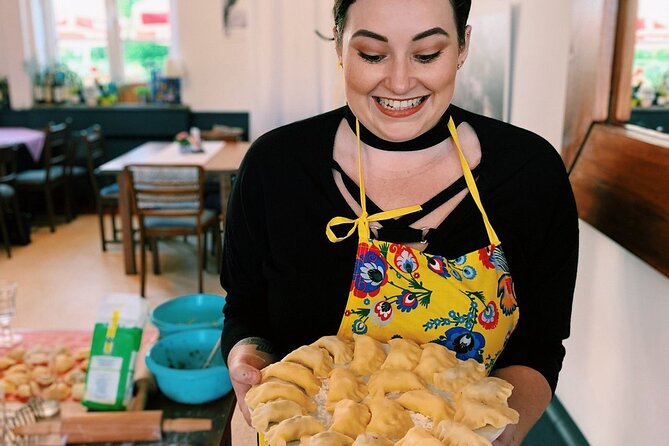
- You make the dough, fillings, and the final pierogi yourself, from start to finish
- Two filling styles: savory pierogi ruskie (potatoes + twaróg) and sweet fruit pierogi
- Alcohol is included with dinner, choosing between a large beer or a glass of wine
- Instructors you may meet include Olga, Magda, Ania, and Maria, with a focus on clear, patient guidance
- Small-group feel with personal help, and the class runs at a relaxed pace
- Centrally located meeting point at WavelovePodchorążych 3, with the activity returning you there
Still hungry? The rest of our Krakow eating
- Krakow Food Tasting Tour with Delicious Poland
★ 5.0 · 1,032 reviews - Krakow Pierogi Cooking Class with Market Visit & Home-Cooked Meal
★ 5.0 · 212 reviews - Half-Day Krakow Food Tour in Old Town and Kazimierz
★ 5.0 · 186 reviews - Krakow: Food Tour of 10 Tastings with Pierogi, Vodka & More
★ 5.0 · 169 reviews
Where the class actually fits into Krakow
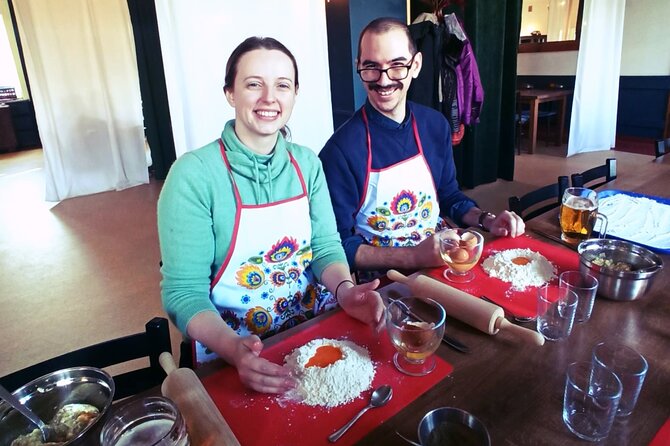
This is the kind of food activity that slots neatly into a sightseeing schedule. You meet at WavelovePodchorążych 3 near the city center, and the experience starts there and ends back at the same meeting point, so you are not hunting for a late-night ride across town.
The class is designed to feel local and practical, not like a museum performance. You spend the time cooking with a local guide and instructors who tell Polish food stories while you work the dough and fillings, so you get context without it becoming a lecture.
It is also family-friendly, which matters in Krakow where the evenings can be long. If you travel with kids, it helps to know that the class uses hot water in the dough, so watching little hands is part of the process.
The real game changer: making pierogi from scratch
This is not a tasting that happens to include some cooking. You actively build pierogi from the ground up, and that changes how much you take home.
Here is what you are doing, step by step:
- Making the dough entirely from scratch
- Preparing two different fillings, one savory and one sweet
- Filling, shaping, and boiling the pierogi to the right texture
- Eating the batch you made, plus a drink included with your meal
Even if you have never worked with pastry dough, the pace and instruction style are geared toward beginners. Several people highlighted that the teachers keep things clear and calm, and that you can get the hang of it without feeling rushed or judged.
One small practical note: dough work can feel fiddly at first, and pierogi sealing takes a little confidence. That is why the hands-on rhythm and constant guidance are the value here, not just the final bite.
Dough, hot water, and why the instructor matters
Pierogi dough looks simple, but the details make the difference between tender and tough. In this class, the process is taught in a way that reduces guesswork, including how to handle the dough as it comes together.
Because the dough uses hot water, it adds one more reason instructors stay involved throughout. If you bring children or you are traveling with someone who gets impatient fast, it is smart to watch the work area and follow the instructor’s flow.
This is also where the instructor personality shows up in the experience. Names that come up often, like Olga and Magda, are described as funny, patient, and clear. That combination matters, because cooking classes can either feel chaotic or reassuring, and this one is aiming for the second.
Savory pierogi ruskie: potatoes and twaróg
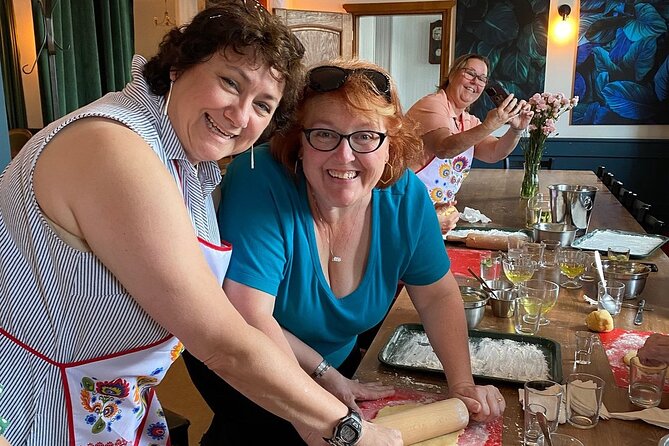
Your savory main is pierogi ruskie, a well-known pierogi type in Poland. You will be working with a filling made from boiled potatoes mixed with creamy and tangy white cheese, twaróg.
If you have only had pierogi from a freezer bag, this is your upgrade. Fresh twaróg and properly mashed potatoes give you a filling that tastes cohesive, not just salty. It is also a flavor profile that is easier to recreate at home because the ingredients are straightforward.
You also get the chance to make shapes, not just one standard style. Some people mention making multiple shapes, which is useful because the “look” of pierogi is part of the fun, and different shapes can help you stay engaged while you cook.
Below are the other Krakow trips we have logged
- Krakow: Pierogi Home Cooking Class★ 5.0 · 23 reviews
Sweet fruit pierogi: when dessert becomes dinner
You are also making a sweet batch, using fruit that is currently available. The idea is that fruit pierogi can be enjoyed as a main course in summer and autumn, not only as a dessert afterthought.
That matters for how you experience the meal. Instead of thinking of sweet pierogi as a sugar snack, you get them as a plate, alongside the savory. It makes the whole class feel more balanced, and it helps you remember that Polish cuisine has more range than people expect.
Because fruits vary, your best home takeaway is the method. You learn how to prepare the filling and portion it, so next time you can adapt with whatever fruit you find in your kitchen.
Boiling and finishing: your mini lesson in texture
Shaping pierogi is one challenge. Boiling them correctly is the other.
In this class, you do the filling and then boil to perfection, guided throughout. The goal is pierogi that are cooked through but not overdone, with dough that is tender enough to cut with a fork.
Boiling is also where group pacing matters. If the class is too crowded, you start to rush. Here, the instruction and small-group setup are meant to keep things moving without sprinting, and several people specifically mentioned that it never felt rushed.
That unhurried pace is not just comfort. It helps you learn, because you can actually remember what the instructor says when you are handling the dough, portioning filling, and timing the boil.
The food you eat: beer or wine, plus tasting
Once you have cooked your pierogi, you get to enjoy them right there with a local drink. The included pairing is either a local beer or a glass of wine, and the menu calls it a large beer or a glass of wine.
This is one of the best value elements in the pricing. You are not paying just for the cooking skills, you are also getting the meal with drink included. That makes the experience feel like a proper evening, not a quick workshop followed by you buying dinner elsewhere.
The setting is described as clean and inviting, and the class is set up so you can taste what you made without waiting forever. If you are the kind of traveler who gets hangry, this format helps.
The local stories part: why food history fits the hands-on format
The class includes tales of Polish culinary history and culture, shared while you cook. That can easily turn into fluff in some tours, but here it works because you are actively doing something with your hands.
When someone explains where pierogi traditions come from or why certain fillings matter, it sticks better because you can connect the story to the ingredient in front of you. It turns pierogi from just a dish into a small piece of Polish life you can recognize again on a menu later.
In other words, the stories are not the main event. They are the glue.
Price and value in real terms
At $82.72 per person for about two hours, the price is not cheap. But cooking classes are labor-heavy, and you are paying for ingredients, equipment, and instruction, plus the included meal and a drink.
Here is the practical value math I think about:
- If you just ate pierogi in Krakow, you could pay less and still have a full meal
- But you would not learn how to make dough, prepare both savory and sweet fillings, and seal and boil pierogi correctly
- You also get a drink included, either beer or wine, which pulls some cost back toward the center
The main reason it still feels like good value is the “take-home skill.” Multiple people mentioned feeling like they could make pierogi at home after the class, and that is exactly what you want from a cooking experience.
That said, one consideration showed up in comments about portions and drink count, with some people wishing there were more pierogi or an additional drink. If you have a big appetite, go in expecting one solid meal, not a banquet, and enjoy the class rather than treating it like a food all-you-can-eat deal.
Group size, comfort, and how to keep your experience smooth
The experience is described as a small group, with a maximum of 50 travelers for the activity. In practice, small groups are what protect quality, because each person needs enough space to work dough and fillings.
One practical detail you should know: the class is usually set up for participants to work in pairs or stations. If you arrive with unusual group needs, like adding extra people last-minute or expecting everyone to have their own station regardless of the usual setup, it can strain workflow.
This does not mean you should not go. It means you should communicate early if your group composition is not typical. Cooking classes run on timing, and a simple adjustment can make the difference between a smooth class and a stressful one.
If you want the cleanest experience:
- Arrive on time for the central meeting point
- Follow the instructor’s guidance on pairing and station use
- Ask how recipe handouts work for your booking, since people reported different ways of receiving recipes
Who should book this pierogi class
Book it if you want a hands-on Krakow activity that teaches you something you can repeat. This fits especially well if you:
- Like food that is genuinely regional, not just touristy
- Want a relaxed pace with clear guidance
- Travel with a partner, friends, or family and want a shared activity
- Are curious about both savory and sweet Polish dumplings
It also works well as a first cooking class, because the instructors are set up to help beginners. Even if your dough skills are zero, the structure is designed to get you to a finished batch you can eat.
Consider skipping or choosing another option if you need a very flexible schedule. Even with free cancellation up to 24 hours in advance, you still do not want to gamble on the last evening of a tight itinerary.
Should you book? My decision guide for you
If your goal is to leave Krakow knowing how to make pierogi, this class is a strong pick. You get a complete learning experience: dough from scratch, two fillings, shaping, boiling, and then an included meal with beer or wine.
I would especially recommend it to anyone who likes practical skills over photo stops. It is fun, family-friendly, and you come away with a method you can use again at home, not just memories.
Just give yourself a bit of schedule breathing room, since restaurant availability and group logistics can affect operations. If you plan with that in mind, you are set up for a satisfying evening where you do the work, eat the results, and actually take something home.
FAQ
How long does the pierogi cooking class last?
The class runs for about 2 hours.
Is the class offered in English?
Yes, the class is offered in English.
What will I learn to make during the class?
You will make pierogi from scratch, starting with dough, then preparing two fillings (savory and sweet), filling the pierogi, boiling them, and eating what you make.
What is included in the class price?
The class includes food tasting, a local guide, and alcoholic beverages.
Will I get beer or wine with the meal?
Yes. The experience includes a choice of a local beer or a glass of wine to enjoy with your homemade pierogi.
Where do I meet for the class in Krakow?
The meeting point is WavelovePodchorążych 3, 30-084 Kraków, Poland.
What should I wear?
The dress code is smart casual.
Can I request dietary requirements?
Yes. You can advise any specific dietary requirements at time of booking.
How many people are in the group?
It is described as a small group for personal service, and the maximum is 50 travelers.
What is the cancellation policy?
You can cancel up to 24 hours in advance of the experience for a full refund.
More Cooking Classes in Krakow
More Tour Reviews in Krakow

Eating Our Way Through Krakow, Continued

Recently written up around Krakow




More Polish Food and Pierogi Tours.
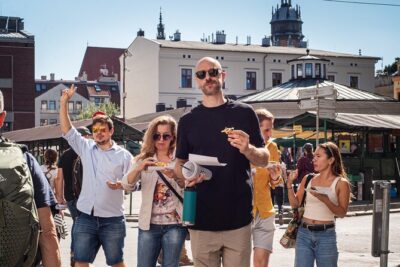 ★ 5.0Krakow Food Tasting Tour with Delicious PolandFrom $1051,032 reviews
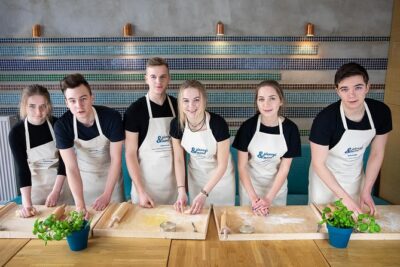 ★ 5.0Warsaw’s No 1 cooking class-Polish dumplings with liqueur tastingFrom $77576 reviews
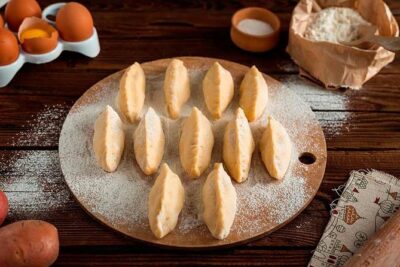 ★ 4.5Half-Day Polish Food Walking Tour with Guide and DinnerFrom $95381 reviews
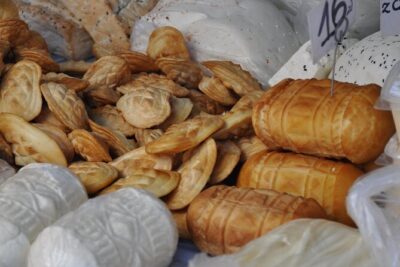 ★ 5.0Pierogi Cooking Class with Market Shopping and Local SnacksFrom $83343 reviews
 ★ 5.0Warsaw Food Tasting Tour with Delicious PolandFrom $101277 reviews
 ★ 4.1Polish Food TourFrom $93216 reviews
 ★ 5.0Krakow Pierogi Cooking Class with Market Visit & Home-Cooked MealFrom $114212 reviews
 ★ 5.0Gdansk Food and Sightseeing Tour with BartFrom $94187 reviews
Also on these Poland lists