
REVIEW · OSKAR SCHINDLER FACTORY TOURS
Schindler’s Factory and Jewish Ghetto Guided Tour
A factory tour with a ghetto walk inside. You’ll connect original wartime artifacts to the physical ghetto wall fragments, so the story doesn’t stay stuck in one man’s legend. I liked that you get a city-wide view of Nazi-occupied Kraków, but the museum is so popular that the pacing can feel a bit quick in narrow halls.
What really makes this work is the licensed, live guide. In the same tour package, I’ve seen guides such as Bartholomew, Joanna, Alicja, Magda, and Phil praised for clear, focused explanations that put daily survival back at the center.
One consideration: this is a serious subject, and it’s a walking segment too, so build in a little extra patience for cold weather and crowded museum flow. Also, the stop at Under the Eagle Pharmacy is a look from the outside, not an entry.
In This Review
- Key highlights that make this tour worth your time
- Schindler’s Factory Museum: what you see before the street walk begins
- Inside the exhibition: Kraków under Nazi occupation, 1939-1945, through daily life
- The ghetto walk starts where the city became an enclosure
- Józefińska 41: orphanage, welfare offices, and a hospital inside the ghetto
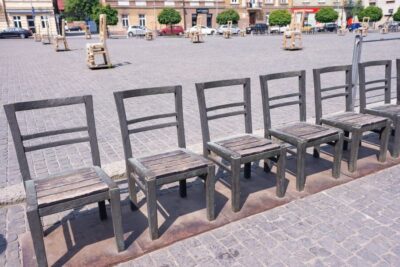
- Ghetto Heroes Square and the Chair Memorial: round-ups and deportations made visible
- Under the Eagle Pharmacy: Tadeusz Pankiewicz’s help, from the sidewalk
- Timing and flow: how 3 hours really feels
- Price and value for Schindler’s Factory plus Jewish wartime district guidance
- Group size, language, and comfort in narrow museum halls
- Who this tour suits best in Kraków
- Should you book Schindler’s Factory and the Jewish Ghetto guided tour?
- FAQ
- Where is the meeting point for the tour?
- How long should I plan for this experience?
- What languages are available for the live tour guide?
- Is fast-track admission to Schindler’s Factory included?
- Do we enter Under the Eagle Pharmacy during the stop?
- What do I need to provide for the museum tickets?
Key highlights that make this tour worth your time
- Schindler’s Factory Museum context first, then the street-level ghetto walk
- Original artifacts and 1940s-style reconstructions that help you visualize daily life
- The preserved ghetto wall remains, a concrete reminder of confinement
- Józefińska 41, once an orphanage, welfare hub, and hospital inside the ghetto
- Ghetto Heroes Square and the Chair Memorial, tied directly to round-ups and deportations
- Under the Eagle Pharmacy, with stories of help by Tadeusz Pankiewicz and his team (no entry)
Other reviewed ways into the Schindler factory museum
- Krakow: Oskar Schindler’s Factory Entry Ticket & Guided Tour
★ 4.2 · 3,793 reviews - Krakow: Schindler’s Factory Tour with Entrance Ticket
★ 4.5 · 3,182 reviews - Krakow: Schindler’s Factory Tour with Entrance Ticket
★ 4.6 · 1,737 reviews - Schindler’s Factory in Krakow: Guided Tour & Skip the Line Ticket
★ 4.5 · 1,714 reviews
Schindler’s Factory Museum: what you see before the street walk begins
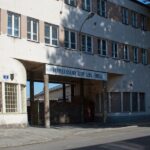
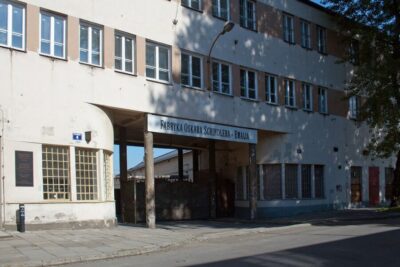
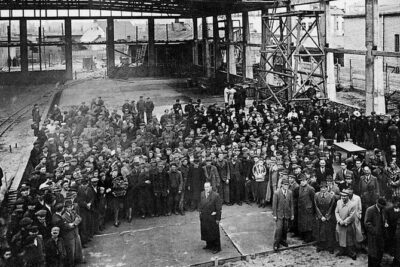
Your tour starts at Schindler’s Factory Museum, at the main entrance, on the right side, where your guide holds a sign. The museum is housed in Schindler’s Enamel Factory complex, so you begin with a place tied to the industrial side of Oskar Schindler’s story.
Then you do something I really appreciate for understanding Kraków under occupation: the tour builds context before it asks you to walk through the ghetto. If you only see Schindler’s story, you still miss what the people around him were facing every day. This combo format keeps the focus on that wider reality.
You should know one practical point up front: the building no longer contains original production equipment. That means you’re not looking at a working factory, you’re seeing an exhibition created to explain the period and the decisions people made.
Inside the exhibition: Kraków under Nazi occupation, 1939-1945, through daily life
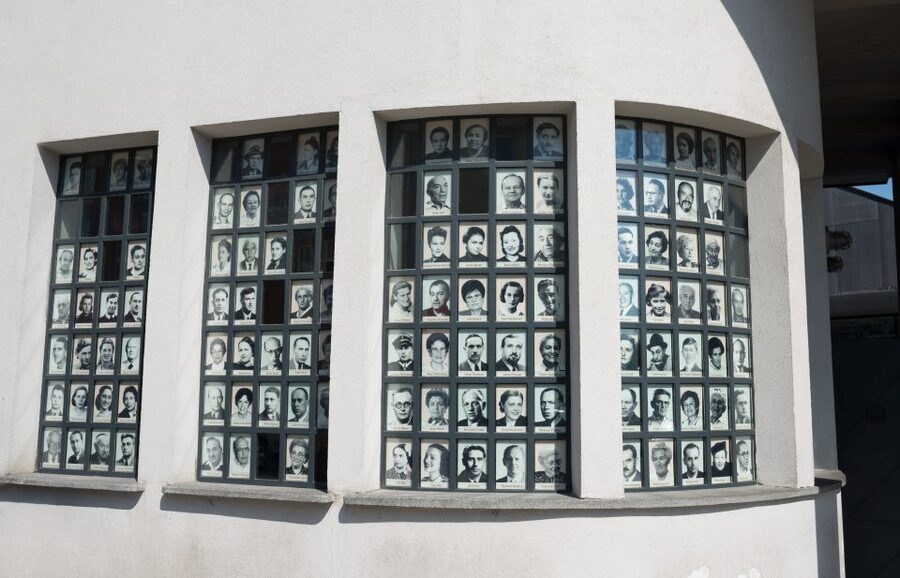
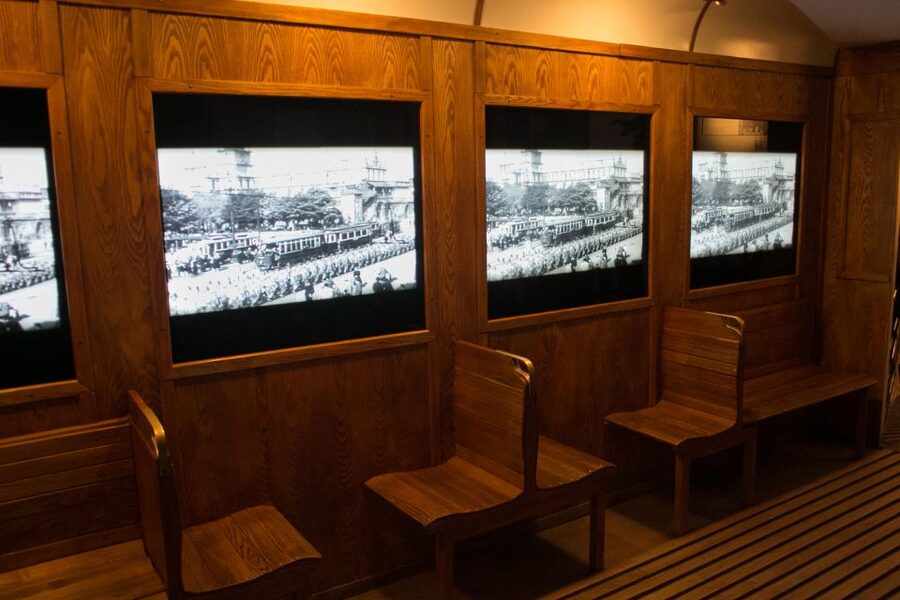
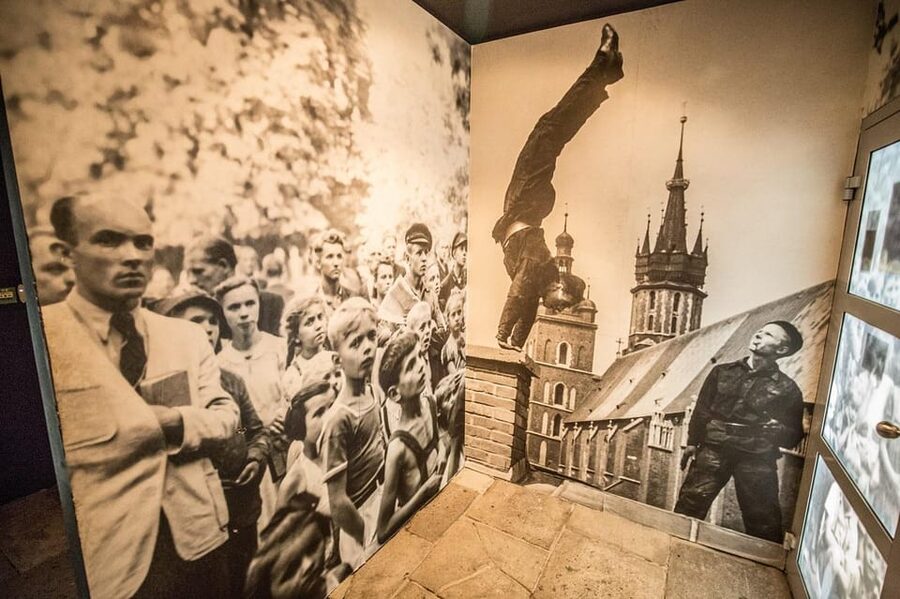
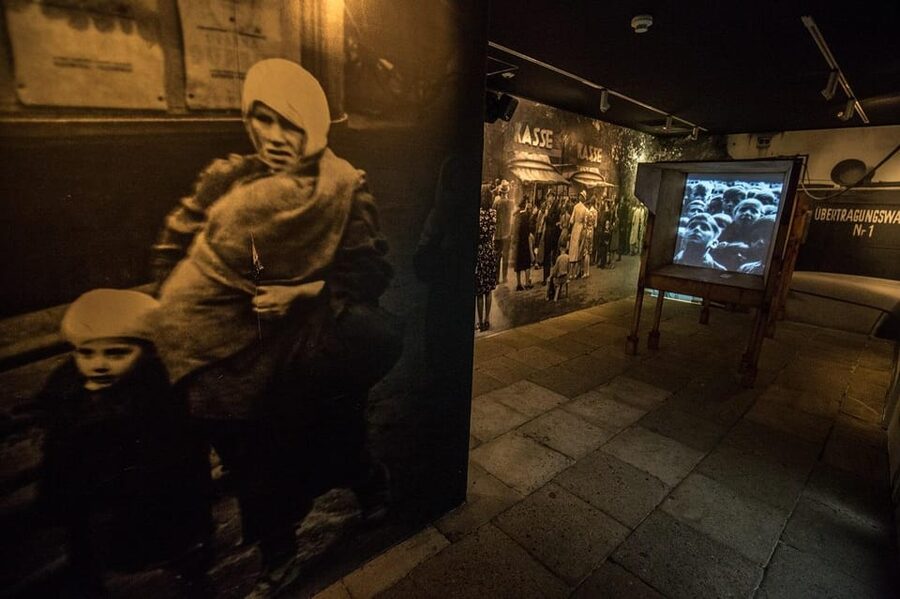
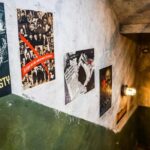
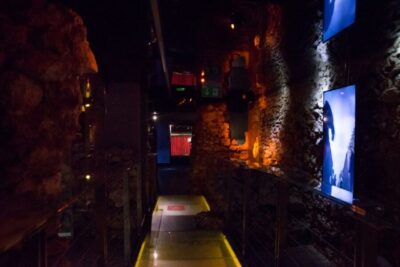
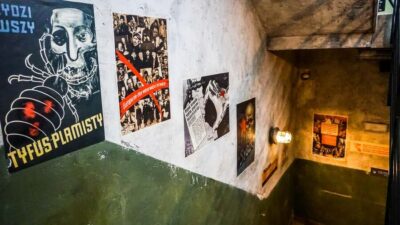
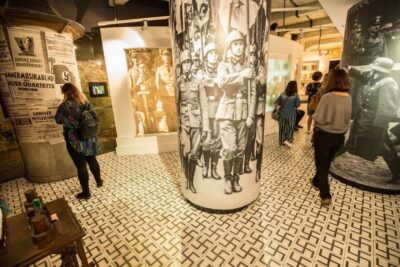
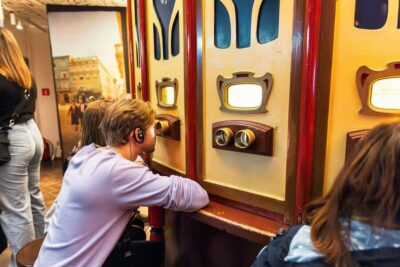
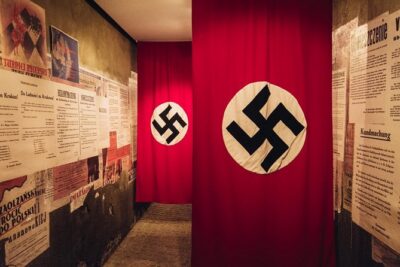
The museum exhibition, Kraków under Nazi Occupation 1939-1945, is designed to show how occupation changed everything, not just the headlines. You’ll walk through photographs, personal objects, and reconstructed streets that help you grasp fear, uncertainty, and daily struggle.
I like that your guide ties the story to both Jewish and non-Jewish residents. That matters because survival inside a sealed city did not happen in isolation. You’ll hear how Kraków residents coped, adapted, and tried to endure in a system designed to crush normal life.
And yes, Schindler’s story is a major thread. You’ll see how his position, influence, and resources were used to protect Jewish workers from deportation. The tour frames the survivors from Schindler’s efforts, often called Schindlerjuden, as real people whose testimony still carries weight.
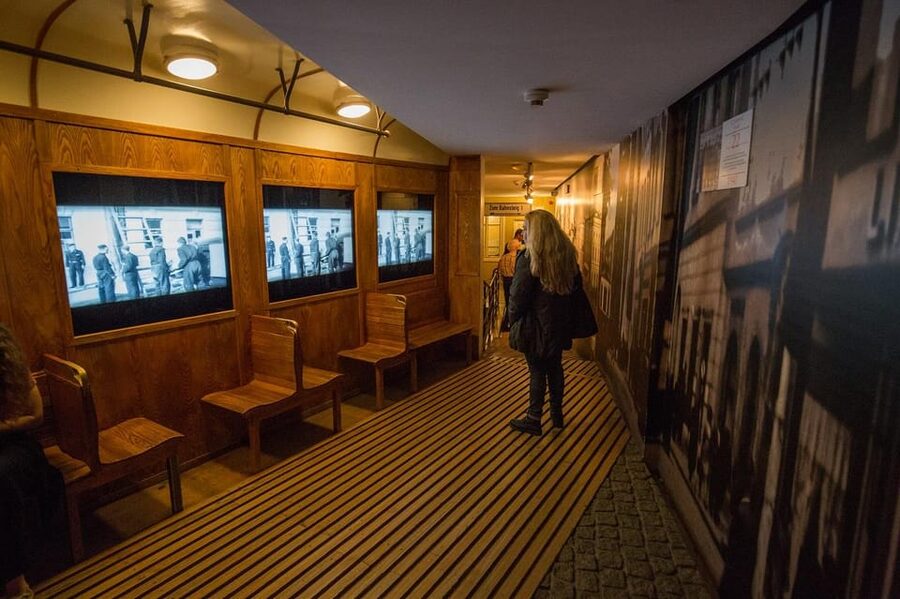
Just keep expectations realistic about pace and layout. The exhibition has narrow passageways and an immersive-style setup, and the museum is extremely popular. If you want to linger at every photo, plan to let the guide manage your flow. It’s still moving, but it may not feel slow-and-unhurried.
The ghetto walk starts where the city became an enclosure
After the museum, the walking part begins among remnants of the Kraków Ghetto. This is where the tour becomes less about chronology and more about physical place.
Walking helps your brain connect the exhibition to the street map. You pass through areas that once shaped movement, separation, and daily routines. Even when you cannot see everything that existed in the 1940s, you can feel the logic of the enclosure once your guide points it out.
It also helps to understand this is not a casual stroll. You’re walking through a district associated with round-ups, deportations, and desperate efforts to keep people alive. That’s why your guide’s framing is so important.
Józefińska 41: orphanage, welfare offices, and a hospital inside the ghetto
One of the most meaningful stops is Józefińska 41. Your guide explains that this address was home to an orphanage, welfare offices, and a hospital, all operating as lifelines within the ghetto walls.
This is the part of the tour I’d recommend you pay extra attention to. A lot of history tours jump quickly from persecution to resistance. This one pauses on how day-to-day survival actually worked, even under brutal conditions.
The value here is practical, even if the subject is not. You learn what people needed in order to keep going, medicine, support systems, and places where children and families could be cared for. Those details turn the ghetto from an idea into a functioning, terrifying reality.
You’ll also see how institutions inside the walls became both support and constraint. The same limited spaces that offered help also marked who was trapped and where resources could go.
Further Jewish heritage and ghetto routes documented in Krakow
- Krakow: Schindler’s Factory & Ghetto Guided Tour★ 4.7 · 1,694 reviews
- Krakow: Bike Tour of the Old Town, Kazimierz, and the Ghetto★ 4.9 · 350 reviews
- Krakow: Jewish Ghetto Walking Tour★ 4.6 · 349 reviews
- Krakow: Jewish Quarter and Ghetto Electric Golf Cart Tour★ 4.6 · 348 reviews
- Krakow: Schindler’s Factory and Jewish Ghetto Guided Tour★ 4.6 · 124 reviews
Ghetto Heroes Square and the Chair Memorial: round-ups and deportations made visible
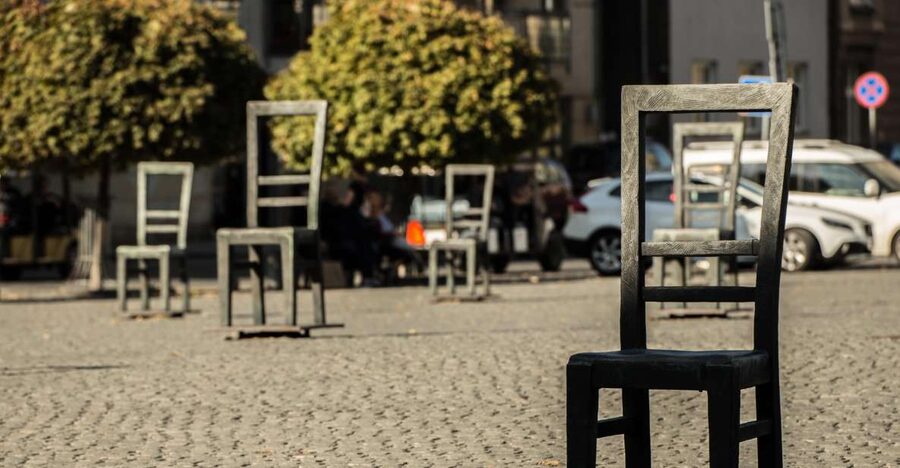
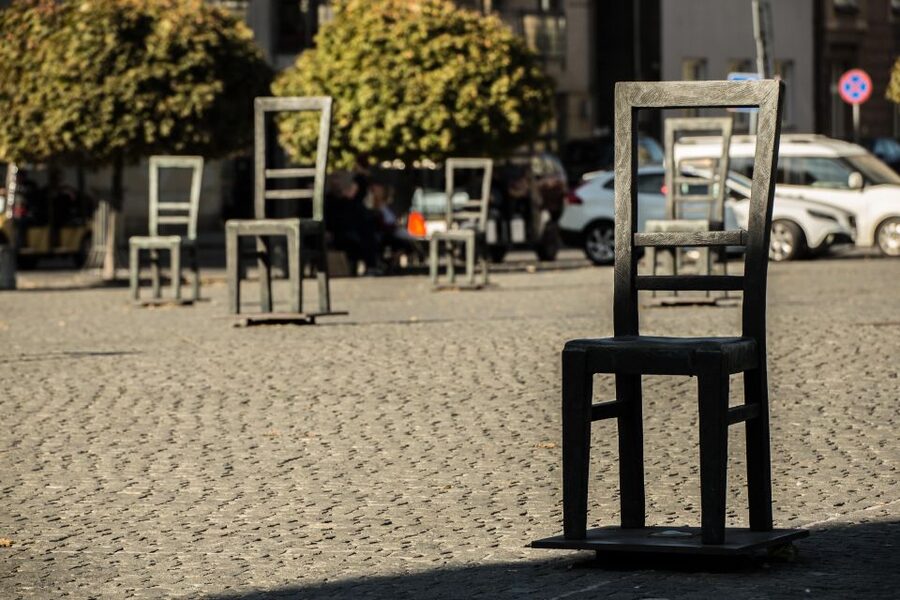
Next comes Ghetto Heroes Square and the Chair Memorial. This open space is more than a monument stop. It becomes a point your guide uses to explain how the ghetto’s fate was carried out through mass round-ups.
That connection, from museum artifacts to a real square used in that history, is powerful. You start to understand how quickly a life could be interrupted, not because of one moment, but because the system was designed to remove people from it.
If you care about the human scale of history, this stop helps. You’re not only hearing that deportations happened, you’re learning how the location itself fits into that process.
A practical note: it’s outdoors, so dress for weather. Cold days can make you want to rush the stop, but try to slow down, because the meaning is concentrated here.
Under the Eagle Pharmacy: Tadeusz Pankiewicz’s help, from the sidewalk
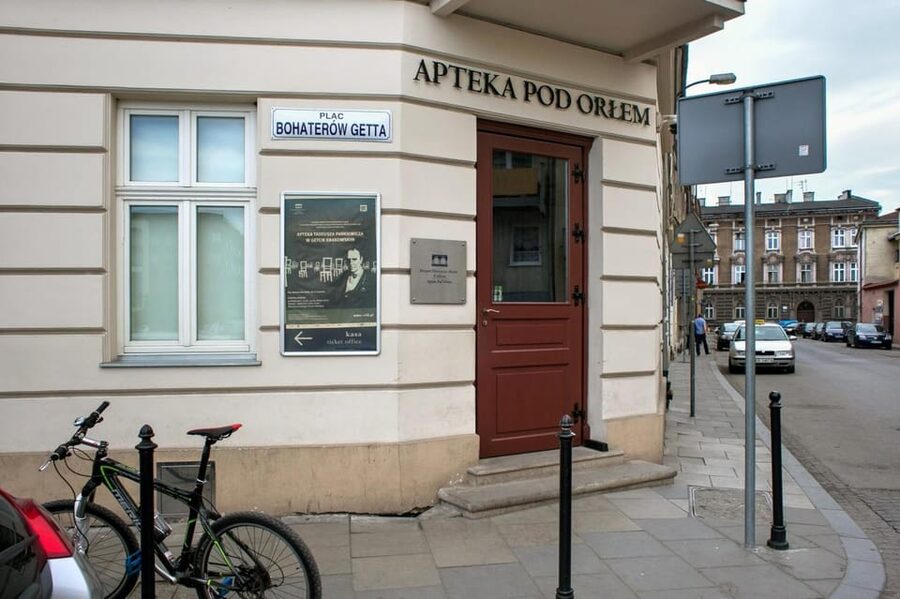
The tour includes a stop at Under the Eagle Pharmacy, tied to Tadeusz Pankiewicz and his staff. They risked everything to aid Jewish residents, providing medicine, shelter, and hope.
I appreciate that the tour doesn’t sensationalize this. Instead, it gives you a clear sense of what help could look like when resources were scarce and punishment was extreme.
One key detail: you do not enter the pharmacy. You’ll stop and learn from outside, and you’ll move on. If you were hoping for a museum-style interior visit, set that expectation now.
Still, the exterior stop works because it anchors the idea of rescue in a specific, real place. It reminds you that rescue often depended on local people making dangerous choices.
Timing and flow: how 3 hours really feels
This experience is about 3 hours long, and that time goes fast when you’re in a crowded museum. The factory exhibition includes narrow hallways and an immersive layout, so the group can’t simply roam.
Most people will feel the museum portion is the most time-sensitive. If you want to read everything at your own pace, consider going back later on a solo visit. On this tour, the guide is doing the heavy lifting by selecting what matters most and connecting dots between sections.
There’s also a second consideration: some of the story overlap is baked in. The museum explains occupation and Schindler’s role, and the street walk continues with the broader ghetto reality. That helps first-timers, but if you came in already deeply familiar with Schindler’s narrative, you might feel a little repetition between parts.
The upside is that the combo is coherent. You’re less likely to walk away with only facts about one hero, and more likely to understand how the city functioned under siege.
Price and value for Schindler’s Factory plus Jewish wartime district guidance
At $57 per person for roughly 3 hours, this tour is priced like a premium guided experience. What makes it feel reasonable is the mix of included components.
You get:
- a professional, licensed guide
- fast-track admission to Schindler’s Factory
- a walking tour of the Jewish wartime district
That matters because Schindler’s Factory is a top Kraków stop. Fast-track can save time and reduce the stress of juggling lines with a fixed tour schedule. Then the walking segment turns that saved time into context, so your visit becomes more than museum browsing.
Food and drinks are not included, so you’ll want to plan a snack or a meal before or after. This is not a tour you’d want to do on an empty stomach, especially if it’s cold outside.
In value terms, you’re paying for interpretation. For this kind of history, a good guide can turn a list of exhibits into a clear picture of what daily life meant.
Group size, language, and comfort in narrow museum halls
The tour runs in a single language, selected at booking. Available languages include French, English, Spanish, German, and Italian. Group size is limited to 25 participants, which helps you hear instructions and move efficiently.
That said, the museum is still busy. One practical thing I’d do is wear comfortable shoes with a steady grip. The museum’s narrow passageways plus outdoor walking in weather can be more tiring than you’d guess.
If you’re sensitive to crowd energy, show up a bit early. The tour asks you to arrive at least 10 minutes prior to start time. Once the group enters, late arrivals cannot be accommodated and tickets are non-refundable.
Also keep in mind the museum issues personalized tickets. You must provide the full names of all participants at booking, otherwise entry may be denied. This is one of those small admin details that can ruin a day if you forget it.
Who this tour suits best in Kraków
This is a strong choice if you want both layers, Schindler’s story and the wider Kraków Jewish ghetto reality. It’s especially good for first-timers who don’t want a self-guided museum experience where key meanings might pass by unnoticed.
It’s also a solid pick if you like structure. You get a clear progression, museum context first, then physical place stops including Józefińska 41, Ghetto Heroes Square, and Under the Eagle Pharmacy.
One less ideal fit: if you strongly prefer to read every label slowly and linger for long periods, the guided timing may feel too managed. In that case, you might still book, but plan to return afterward when the pressure is off.
Should you book Schindler’s Factory and the Jewish Ghetto guided tour?
If your goal is to understand Nazi-occupied Kraków beyond Schindler’s legend, I think this is worth booking. The museum portion gives you artifacts, objects, and reconstructions that set the stage, and the ghetto walk anchors it in real locations like Józefińska 41 and Ghetto Heroes Square.
Book it if you want:
- expert-led context, not just a museum ticket
- a concise 3-hour format that covers both factory history and ghetto life
- a guide-driven connection between oppression and everyday survival
Skip or adjust expectations if you need unlimited time in the museum, or if cold weather and walking will be a struggle for you. Otherwise, this combo tour is one of the most direct ways to turn Kraków’s World War II history into something you can actually see, not just read.
FAQ
Where is the meeting point for the tour?
Meet your guide in front of the main entrance to the Schindler’s Factory Museum, on the right-hand side. The guide will hold a Schindler’s Factory Guided Tour sign.
How long should I plan for this experience?
The duration is 3 hours.
What languages are available for the live tour guide?
The live tour guide is available in French, English, Spanish, German, and Italian. Group tours are conducted in a single language, based on what you select at booking.
Is fast-track admission to Schindler’s Factory included?
Yes. Fast-track admission to Schindler’s Factory is included, and the tour is guided with a professional licensed guide.
Do we enter Under the Eagle Pharmacy during the stop?
No. The tour includes a stop at Under the Eagle Pharmacy, but there is no entry.
What do I need to provide for the museum tickets?
Because the museum issues personalized tickets, you must provide the full names of all participants at the time of booking. Failure to do so may result in denied entry.
More Tour Reviews in Krakow

Jewish Heritage and Ghetto Routes in Krakow


The Schindler Factory, Other Ways In

Recently written up around Krakow
More Oskar Schindler Factory Tours.
 ★ 4.2Oskar Schindler’s Factory Entry Ticket & Guided TourFrom $353,793 reviews
 ★ 4.5Schindler’s Factory Tour with Entrance TicketFrom $493,182 reviews
 ★ 4.4Schindler’s Factory Skip-the-Line TicketFrom $253,105 reviews
★ 4.6Schindler’s Factory Tour with Entrance TicketFrom $401,737 reviews
 ★ 4.5Schindler’s Factory in Krakow: Guided Tour & Skip the Line TicketFrom $351,714 reviews
 ★ 4.7Schindler’s Factory & Ghetto Guided TourFrom $571,694 reviews
 ★ 4.3Schindler’s Factory Ticket with Guided Tour OptionFrom $421,485 reviews
 ★ 4.0Krakow Schindler’s Factory Guided Tour with Admission TicketFrom $351,156 reviews
Also on these Poland lists