
REVIEW · OSKAR SCHINDLER FACTORY TOURS
Schindler’s Factory Museum Guided Tour – Krakow
A factory museum with real-world pain. This 90-minute guided walk through Oskar Schindler’s former enamel factory in Krakow turns WWII history into something you can see and hear, not just read. I love the live commentary that keeps the story grounded in Krakow’s people, and I love how preserved artifacts connect everyday objects to wartime reality. The one thing to watch: it’s a group tour, so the route moves at a set pace and may feel quick if you like to linger.
You’ll meet at the museum entrance and then follow your guide through recreated scenes, photo and craft workshops, and the hard transitions into the ghetto and Płaszów camp. The museum is famous because it’s tied to the cult film about Schindler’s story, but the experience here is more than movie nostalgia. It focuses on occupied Krakow, what was taken, what was forced, and what people tried to preserve.
In This Review
- Key things I’d mark on your Krakow map
- Entering Oskar Schindler’s Enamel Factory, where the story begins
- The 90-minute structure, why the pacing works and where it can feel tight
- What the permanent exhibition focuses on: occupied Krakow as both personal and public history
- Photographer, tailor, and the city at work: what those scenes teach you
- The ghetto labyrinth and the Jewish apartment, why the museum makes space feel small
- From the ghetto to Płaszów: how the tour handles the hardest transition
- Schindler’s role in the exhibition, why this isn’t only a biography museum
- The value of live guides, what you actually get from the commentary
- Price and value for about $50 per person
- Who this tour suits best, and who might want a different plan
- Should you book Schindler’s Factory Guided Tour in Krakow?
- FAQ
- How long is the Schindler’s Factory Museum guided tour?
- What is included in the ticket price?
- Where do I meet the guide?
- What languages are available for the live guide?
- Do I need ID for entry?
- Is the tour wheelchair accessible?
- What is the cancellation window?
Key things I’d mark on your Krakow map
- Live guided commentary that explains what you’re seeing as you go, not after the fact
- Ordinary objects as evidence, from papers and newspapers to personal documents
- Clear route through daily life, with stops for photographer, tailor, and tram scenes
- Ghetto labyrinth and a Jewish apartment setting, designed to put you in the spaces people endured
- A direct transition to Płaszów, so the story doesn’t stay abstract
- Schindler’s office stop and the Ark of Survivors, including the thousands of pot-like pieces
Other reviewed ways into the Schindler factory museum
- Krakow: Oskar Schindler’s Factory Entry Ticket & Guided Tour
★ 4.2 · 3,793 reviews - Krakow: Schindler’s Factory Tour with Entrance Ticket
★ 4.5 · 3,182 reviews - Krakow: Schindler’s Factory Tour with Entrance Ticket
★ 4.6 · 1,737 reviews - Schindler’s Factory in Krakow: Guided Tour & Skip the Line Ticket
★ 4.5 · 1,714 reviews
Entering Oskar Schindler’s Enamel Factory, where the story begins
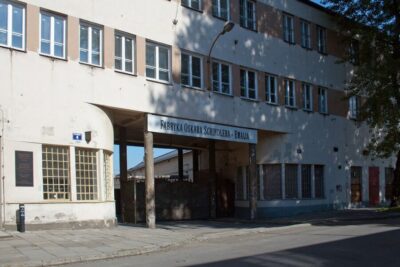
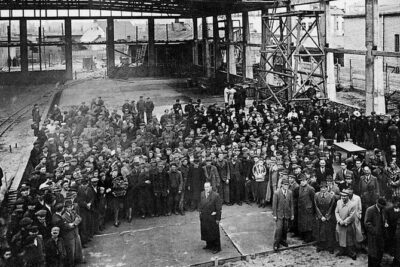
Schindler’s Factory Museum is set in the former seat of an enamel factory, which matters more than you might think. You’re walking through a place that once had a real industrial rhythm, then watching that rhythm get swallowed by occupation, persecution, and terror. That contrast helps the museum land emotionally, without needing melodrama.
Your tour starts outside the museum. Meet in front of the entrance to Oskar Schindler’s Enamel Factory and look for a person holding an excursions.city sign. From there, the guide pulls you into the exhibition and keeps the group moving so you stay oriented in a museum with a lot going on.
The experience is offered in English, French, German, Italian, and Spanish. That range is useful because WWII history can be heavy. Hearing it clearly, in your language, helps you absorb details without straining.
The 90-minute structure, why the pacing works and where it can feel tight
This tour is designed to fit into a 90-minute window, and that shaped how it feels. You’re not being asked to “read everything” at your own speed. Instead, the guide sets up the meaning of each room, scene, or display as you move through.
That’s a plus if you want context and a coherent storyline. It’s also a reality check. If you’re the type who likes to study every photograph for a long time, you might find you are racing the clock. One helpful approach is to accept the tour as a guided overview first, then plan extra time on your own afterward if you want to go deeper in one or two areas.
Also, the museum uses personalized tickets, so you’ll need full names for all participants and you must bring a passport or ID for entry. If that feels annoying, it is still part of how the museum controls access, so it’s worth handling early.
What the permanent exhibition focuses on: occupied Krakow as both personal and public history
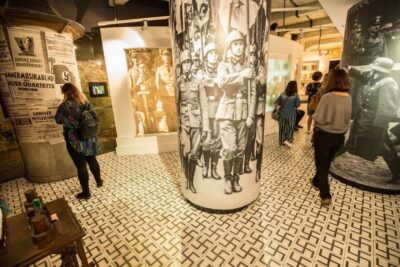
The permanent exhibition centers on WWII tragedy in individual and collective dimensions. The museum doesn’t only talk about big events. It explains what life looked like under occupation by using ordinary materials, the kind that show up in daily routines.
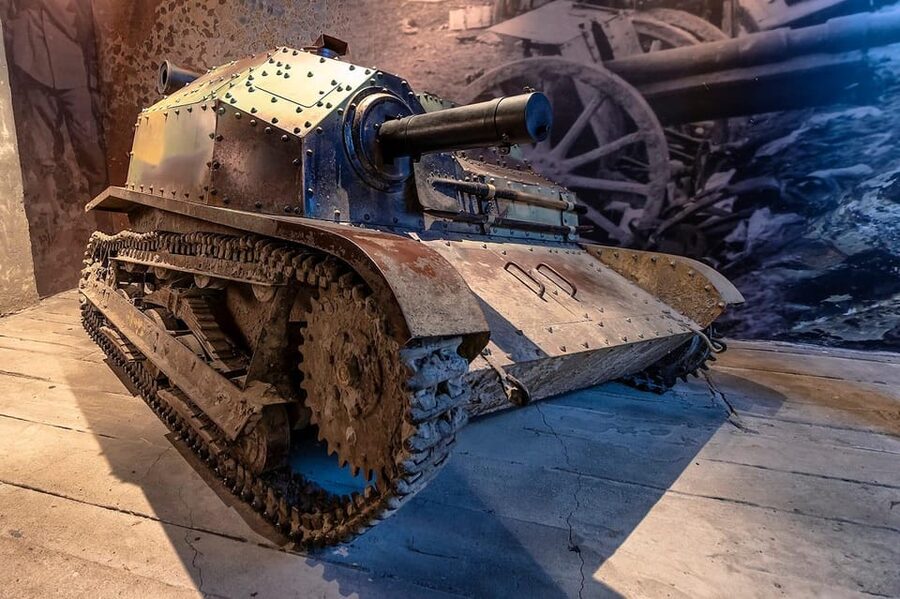
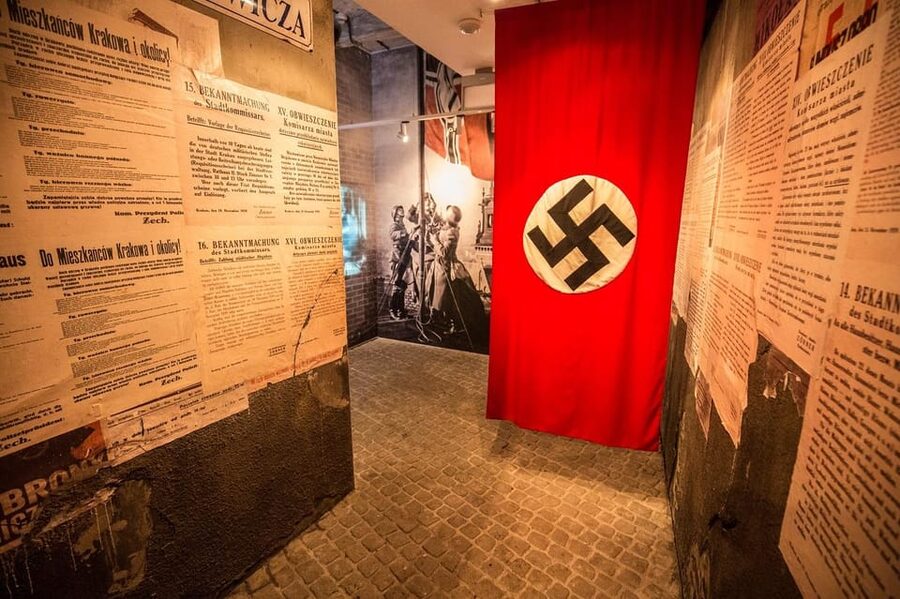
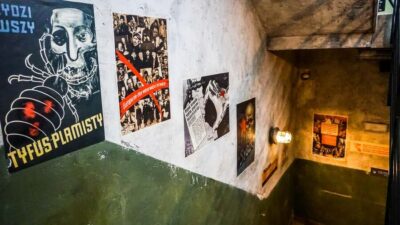
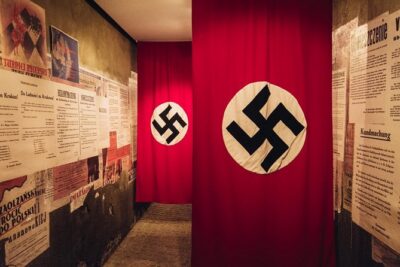
You’ll see how the museum uses everyday evidence: photographs, newspapers, personal documents, and official paperwork. The idea is simple but powerful. When you watch how these materials connect, the war stops being a distant chapter and becomes something that touched schedules, jobs, paperwork, neighborhoods, and families.
There are also multimedia treatments, which the museum uses to help you “feel” what’s happening, not just recognize names and dates. That matters because WWII can otherwise become a set of facts you can recite. Here, you’re meant to understand how the system worked, and what it did to real people.
Photographer, tailor, and the city at work: what those scenes teach you
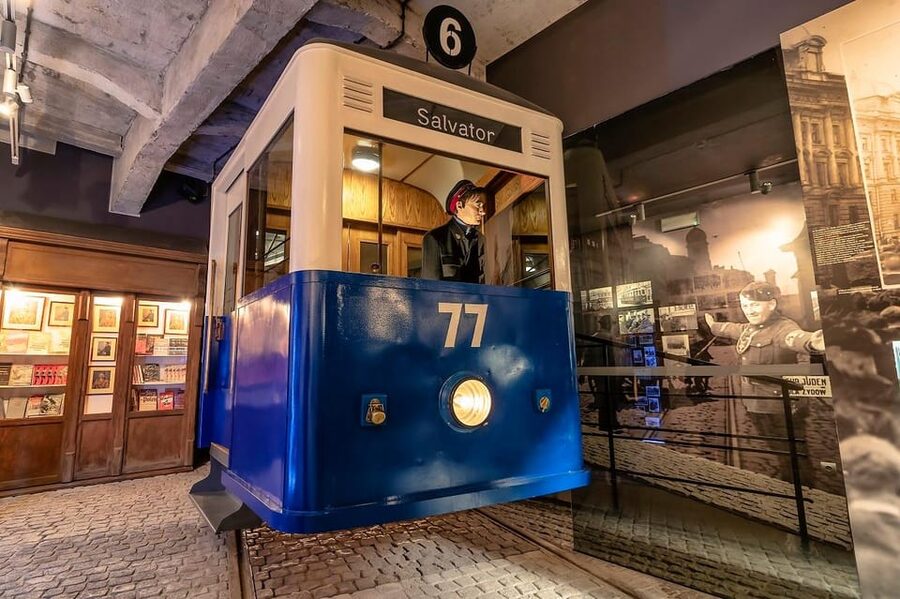
One of the most memorable parts is the way the tour moves through small, specific roles. You’ll follow the guide through stops connected to a photographer and a tailor, including scenes that highlight an authentic photo-artist. These aren’t random set pieces. They show how skills, professions, and everyday labor continued under pressure, even as the environment around them collapsed.
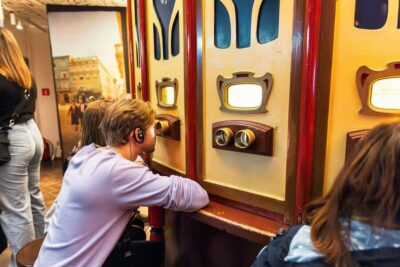
Then comes the tram-style segment. You’ll get on a tram through the windows of which you can see a film of the city’s life. This is a smart tool for a history museum. Instead of expecting you to imagine wartime Krakow from static displays, you get motion and visual rhythm that make the timeline feel more real.
A good way to think about these stops: they’re the bridge between “history class” and lived experience. You’re being guided to notice how normal life tried to keep functioning, while the occupation system tightened.
Below are the other Krakow trips we have logged
- From Krakow: Auschwitz-Birkenau Guided Tour & Hotel Pickup★ 4.5 · 33,358 reviews
- From Krakow: Auschwitz-Birkenau Guided Tour & Hotel Pickup★ 4.5 · 29,340 reviews
- Krakow: Auschwitz Guided Tour with Optional Hotel Pickup★ 4.5 · 15,280 reviews
- Krakow: Auschwitz-Birkenau Guided Tour with Pickup & Lunch★ 4.5 · 9,800 reviews
- Krakow: Auschwitz-Birkenau Guided Tour Pickup/Lunch Options★ 4.5 · 9,057 reviews
The ghetto labyrinth and the Jewish apartment, why the museum makes space feel small
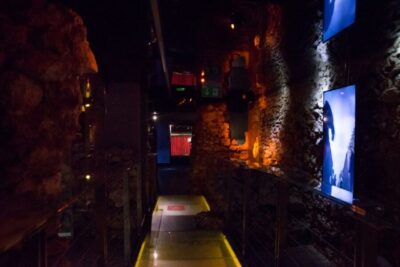
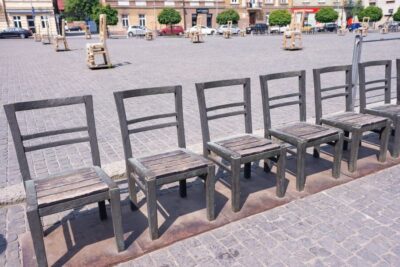
The tour then shifts into tighter, more disorienting geography. You go through the labyrinth of the ghetto, where your attention is drawn to cramped movement and hard boundaries. The tour includes a Jewish apartment located there, so you’re not only seeing the concept of the ghetto. You’re stepping into a more intimate representation of a home under impossible conditions.
This is where the museum’s design language becomes part of the lesson. “Space” becomes a theme. How people lived, where they could go, and what they had access to are the quiet forces behind the loud historical outcomes.
For you, the best mindset is to let the setting slow you down. Don’t rush to figure it out. Instead, pay attention to how the tour guides your attention, especially on personal and official documents and the objects that suggest daily routines.
It’s also one reason you might want to choose this tour over a casual self-guided stroll. The guide helps you connect the scenes into one chain, rather than letting each room feel like a separate shock.
From the ghetto to Płaszów: how the tour handles the hardest transition
After the ghetto section, you’ll find yourself together with its inhabitants in the camp in Płaszów. That phrasing is heavy, and the museum does not shy away from the reality of what the camp represented.
For readers who worry that history tours turn into bland summaries, this is the section that answers that fear. You’re not just being given context. You’re being led into a storyline that makes the shift from persecution to imprisonment harder to ignore.
One practical note: because the emotional content is intense, group format matters. In a group, you are carried along by the guide’s pacing. That can be supportive if you’re trying to process it in real time. It can also be tough if you prefer more control over your reactions. If you think you might need pause time, plan for it before and after the tour. Don’t schedule other emotional stops right after.
Schindler’s role in the exhibition, why this isn’t only a biography museum
This museum is not primarily a biography museum. Still, it includes Oskar Schindler as part of Krakow’s complicated wartime history, especially his role in saving over a thousand Krakow Jews. That information shows up as a thread that runs through the larger story rather than replacing the larger story.
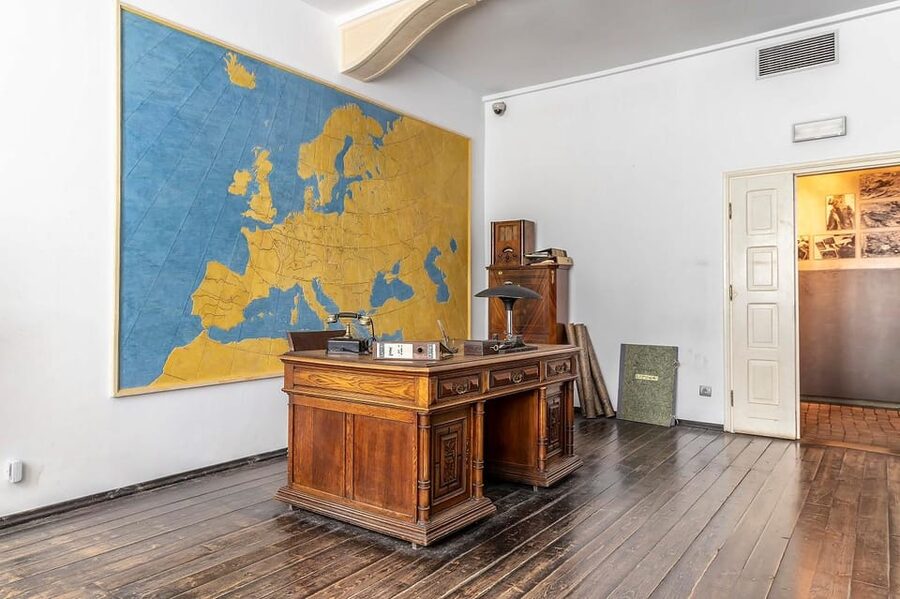
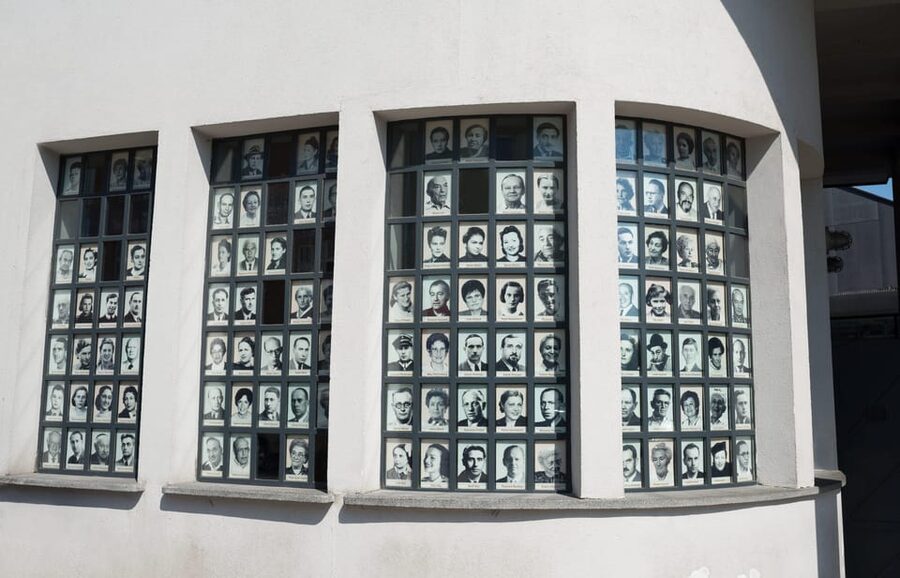
In practical terms, you’ll see Schindler’s deed recalled in his office. The office is preserved in the factory’s administrative building, and it includes a symbolic Ark of Survivors made of thousands of pots resembling those produced by his employees during the war.
That “pots” detail is more than a clever visual. It ties the rescue story back to the factory’s working life and to the labor that shaped daily production. It also reinforces a theme: even in the middle of genocide, small, everyday things became part of memory and meaning.
If you’ve seen the famous 1993 film connected to Schindler’s story, you’ll recognize the pull. This museum acknowledges that cultural gravity. But the tour is structured to show you occupied Krakow first, and Schindler’s action as part of that same system, not as an isolated miracle.
The value of live guides, what you actually get from the commentary
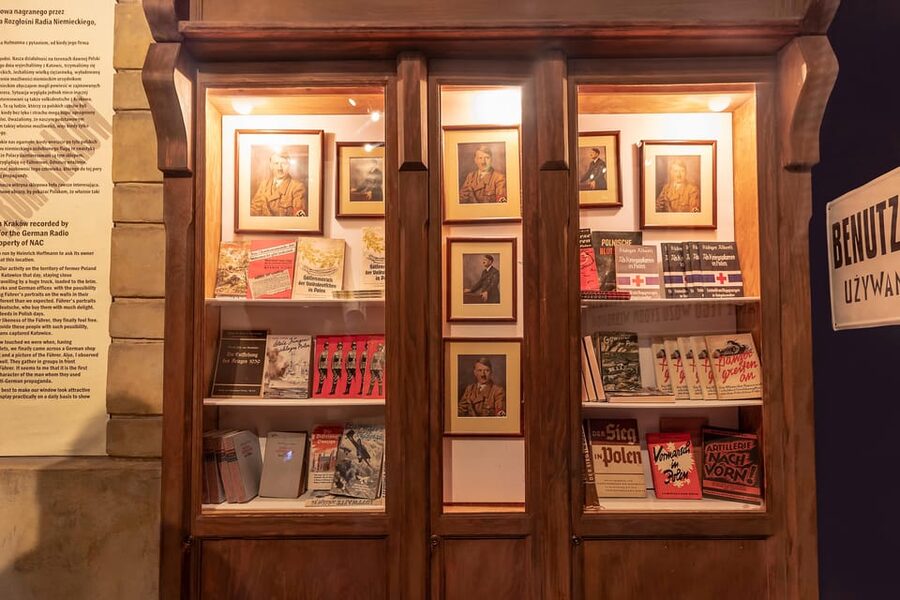
The biggest difference between this tour and wandering through a museum on your own is the commentary. You’re not left alone with captions. A professional live guide explains the background of what you’re seeing and helps you follow the storyline from scene to scene.
This is also where pacing becomes beneficial. With a group, you can miss connections without realizing it. The guide keeps the chain intact so you understand why the museum moves from one setting to another, like daily work to ghetto spaces to Płaszów.
In my view, this is the tour format that works best for WWII museums. Facts matter, but context matters more. When the museum is presenting private papers, public policies, and recreated environments, you need someone to connect the dots quickly and clearly.
The tour runs in multiple languages, including English, French, German, Italian, and Spanish. If you’re choosing a language that matches your comfort level, you’re more likely to absorb details and feel less mentally strained by the content.
Price and value for about $50 per person
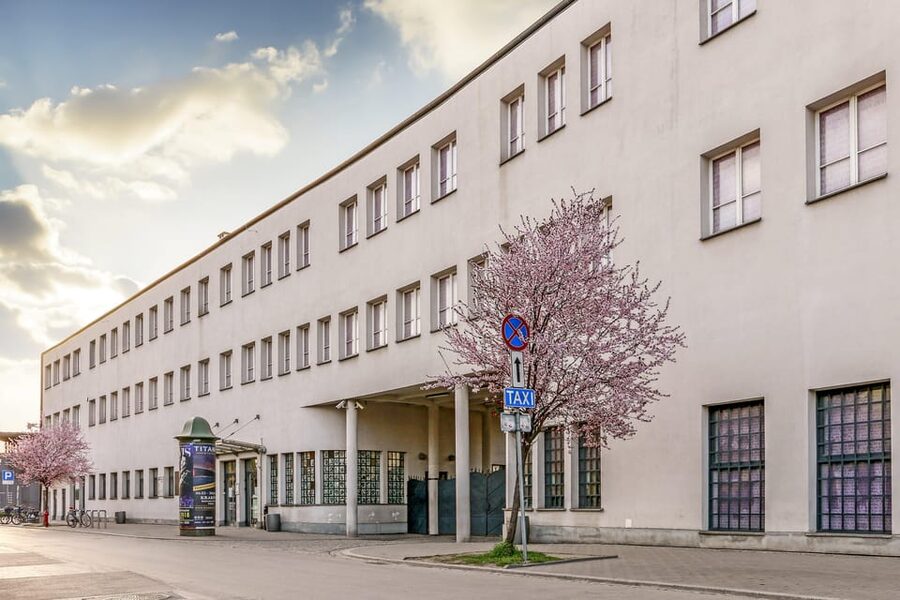
At around $50 per person for a 90-minute guided tour, the price is not “cheap,” but it often feels fair for what you’re buying. You get an entrance ticket plus a professional guide, and the tour also includes skip-the-ticket-line access. That combination can be a real time-saver in a popular museum.
More importantly, you’re paying for guided understanding, not just entry. A WWII museum can be hard to navigate emotionally and logically, especially when it mixes documents, photographs, and recreated spaces. If you want the experience to make sense as a coherent story, the guide is where much of the value is.
If you only wanted to casually browse, self-guided entry could be cheaper. But this experience is at its best when it is guided, because the exhibition is built to connect everyday items to system-level violence.
Who this tour suits best, and who might want a different plan
This tour fits you well if you want a structured overview of occupied Krakow and the ghetto period, with Schindler’s role included as part of the bigger picture. It’s also ideal if you prefer professional commentary because you want clarity without having to piece it together yourself.
It’s less ideal if you need free time to linger and read every sign slowly. The group format sets the pace, and even though the museum is extensive, you will likely move through key areas on a guided schedule rather than at your own rhythm.
Also, if you are sensitive to intense subject matter, plan your day around the tour. Give yourself space after you leave the museum to reset. This isn’t a light outing, and that matters for a good experience.
Should you book Schindler’s Factory Guided Tour in Krakow?
Book it if you want a guided, emotionally grounded route through occupied Krakow, with professional live commentary, and with the ghetto and Płaszów sections handled as part of one continuous story. The $50 price makes more sense when you factor in the guide, entrance, and skip-the-line convenience.
Skip it or pair it with extra self-time if you strongly prefer to wander without structure, or if you want to spend a long time in one area. The pacing is real, and the content is intense. If you accept the format, it’s a powerful way to understand why this place matters, far beyond the movie connection.
FAQ
How long is the Schindler’s Factory Museum guided tour?
The tour duration is 90 minutes.
What is included in the ticket price?
It includes a professional guide and an entrance ticket to the museum, plus skip-the-ticket-line entry.
Where do I meet the guide?
Meet in front of the entrance to the museum (Oskar Schindler’s Enamel Factory). Look for the person with an excursions.city sign.
What languages are available for the live guide?
The tour offers live commentary in English, French, German, Italian, and Spanish.
Do I need ID for entry?
Yes. You must provide full names when reserving and bring a passport or ID for entry to the Schindler’s Factory Museum. Without these, entry may be denied.
Is the tour wheelchair accessible?
Yes, the tour is wheelchair accessible.
What is the cancellation window?
Free cancellation is available if you cancel up to 24 hours in advance for a full refund.
More Tours in Krakow

More Tour Reviews in Krakow
The Schindler Factory, Other Ways In

Recently written up around Krakow

More Oskar Schindler Factory Tours.
 ★ 4.2Oskar Schindler’s Factory Entry Ticket & Guided TourFrom $353,793 reviews
 ★ 4.5Schindler’s Factory Tour with Entrance TicketFrom $493,182 reviews
 ★ 4.4Schindler’s Factory Skip-the-Line TicketFrom $253,105 reviews
★ 4.6Schindler’s Factory Tour with Entrance TicketFrom $401,737 reviews
 ★ 4.5Schindler’s Factory in Krakow: Guided Tour & Skip the Line TicketFrom $351,714 reviews
 ★ 4.7Schindler’s Factory & Ghetto Guided TourFrom $571,694 reviews
 ★ 4.3Schindler’s Factory Ticket with Guided Tour OptionFrom $421,485 reviews
 ★ 4.0Krakow Schindler’s Factory Guided Tour with Admission TicketFrom $351,156 reviews
Also on these Poland lists