
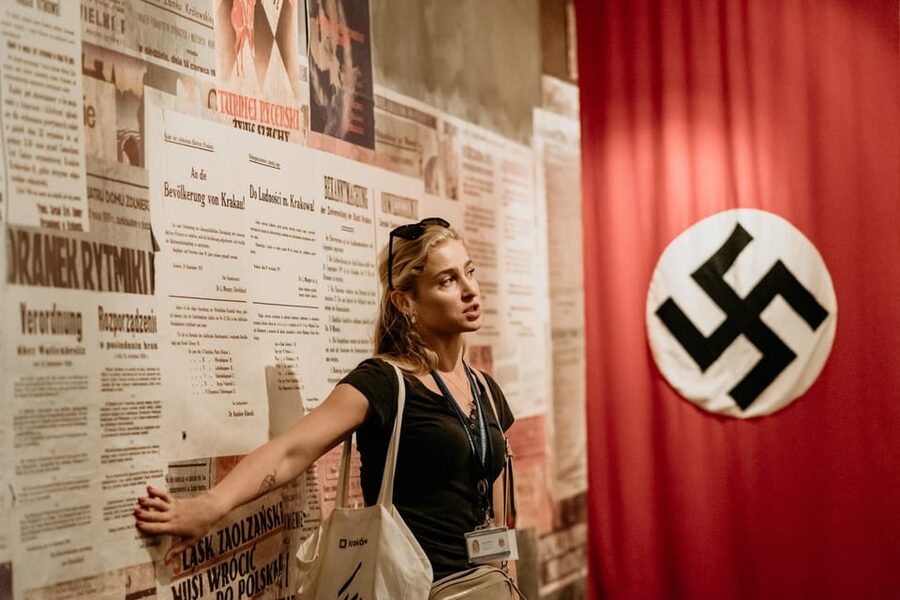
REVIEW · OSKAR SCHINDLER FACTORY TOURS
Schindler’s Factory Museum in Krakow – Guided Tour
Schindler’s Factory pulls you straight into wartime Kraków. This guided visit at Oskar Schindler’s Enamel Factory turns a famous story into a clear walk through how daily life changed under Nazi rule. You’ll follow the museum’s story thread, not just a set of rooms with random facts.
I love two parts most: the skip-the-line admission that protects your time, and the licensed expert guide who keeps the history focused on what you need to understand. The tour is built around the exhibition Kraków under Nazi Occupation 1939 to 1945, with context for Jewish and non-Jewish residents, not only the Schindler storyline.
One possible drawback: since it’s a group tour, the pace can feel tight in narrow, dim galleries, especially if you like to read every label slowly.
In This Review
- Quick takeaways (what you should know first)
- Where the tour starts at Oskar Schindler’s Enamel Factory
- Skip-the-line entry and how the 90-minute plan stays manageable
- Inside the exhibition: Kraków under Nazi Occupation (1939 to 1945)
- Oskar Schindler and the factory story, connected to real choices
- The design details that shape your attention (and why headsets matter)
- Languages, guide quality, and what you can expect from the storytelling
- Price and value: does $50 buy you more than a ticket?
- Practical tips for a smoother visit at Schindler’s Factory
- Should you book Schindler’s Factory in Kraków?
- FAQ
- How long is the Schindler’s Factory Museum guided tour in Kraków?
- What is the price per person for this tour?
- Where do I meet my guide?
- Does the tour include skip-the-line admission?
- What languages are available for the guided tour?
- Will I need a headset to hear the guide?
- Is the museum and tour wheelchair accessible?
- What ID do I need for entry, and are there any name requirements?
- Can I reserve and pay later?
- Is there a cancellation window?
Quick takeaways (what you should know first)
- Skip-the-line entry saves you from spending the most emotional part of your day waiting outside.
- Licensed expert guidance helps you connect artifacts and photos to the bigger wartime story.
- Kraków under Nazi Occupation (1939 to 1945) is the main framework, so it’s more than a biography museum.
- Headsets for groups of 15+ make a real difference in crowded, echoing corridors.
- Dark, narrow rooms are designed to create tension, so plan to take breaks if you need them.
- Schindler’s factory as refuge is tied to the reality of persecution, deportations, and destruction.
Other reviewed ways into the Schindler factory museum
- Krakow: Oskar Schindler’s Factory Entry Ticket & Guided Tour
★ 4.2 · 3,793 reviews - Krakow: Schindler’s Factory Tour with Entrance Ticket
★ 4.5 · 3,182 reviews - Krakow: Schindler’s Factory Tour with Entrance Ticket
★ 4.6 · 1,737 reviews - Schindler’s Factory in Krakow: Guided Tour & Skip the Line Ticket
★ 4.5 · 1,714 reviews
Where the tour starts at Oskar Schindler’s Enamel Factory
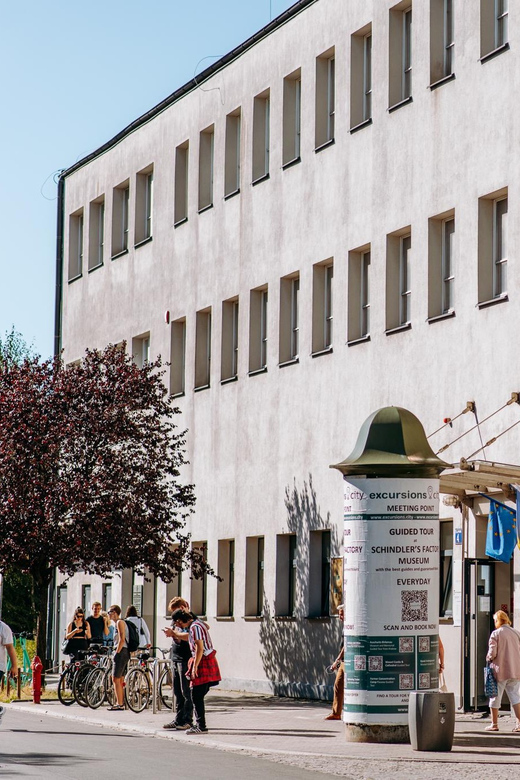
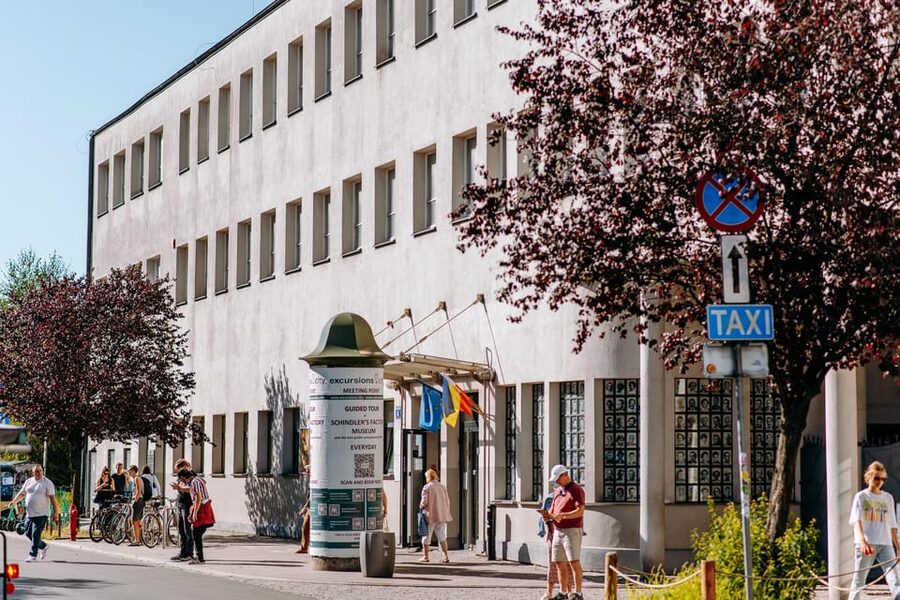
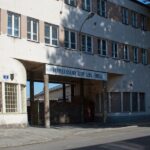
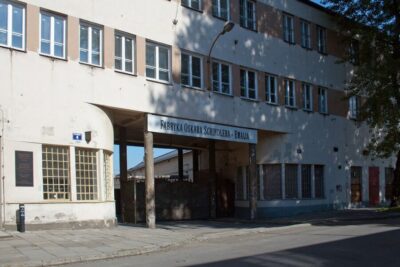
The meeting point is simple: stand in front of the museum entrance and look for the person holding a sign that says excursions.city. That matters because Schindler’s Factory is one of Kraków’s best-known museums, so you want to find your group fast and not waste time milling around.
This museum is housed in Oskar Schindler’s former enamel factory, which gives the tour an immediate sense of place. You are not just learning about history from a distance. You are walking through rooms tied to the wartime industrial setting that shaped Schindler’s decisions and the lives of his workers.
Also, the museum is wheelchair accessible, so if mobility is part of your planning, you can book without needing to guess your way through stairs and gaps. The tour itself runs about 90 minutes, so it’s long enough to build context but not so long that you’ll feel trapped.
One more practical note that affects your experience: the tour uses headsets for groups of 15-plus participants. In small museums, guide audio can get swallowed up by walls, foot traffic, and tight spaces. Headsets help you stay with the story even when the room layout funnels everyone together.
Skip-the-line entry and how the 90-minute plan stays manageable
At $50 per person, you’re paying for a guided experience plus a ticket that avoids the long waiting game. If you’ve ever stood in line outside a popular museum, you know how quickly the day can get “spent.” Here, the skip-the-line part is the value lever. It lets you start with the exhibition while you still have energy to pay attention.
The tour is scheduled for about 90 minutes, and that timing matters because the museum’s layout includes many narrow, dimly lit rooms. If your guide had to pause repeatedly for ticket issues, you’d lose time when the exhibits are most effective. Instead, you stay in the flow of the narrative: war, pressure, fear, and decision-making.
Starting in 2026, there’s also a timing consideration: tour times are approximate and can shift due to the museum’s scheduling. You can pick a preferred time when booking, but the exact start time isn’t guaranteed. That’s worth knowing so you don’t build a tight connection with another timed activity right after.
Finally, this is a group tour, so your experience depends on group size and pace. One review experience you can learn from is that some visitors would have liked the guide to move a bit slower to allow more time to read everything. If you personally read lots of text and want to linger, you may need to manage your expectations, because the tour is designed to cover a lot in a short window.
Inside the exhibition: Kraków under Nazi Occupation (1939 to 1945)
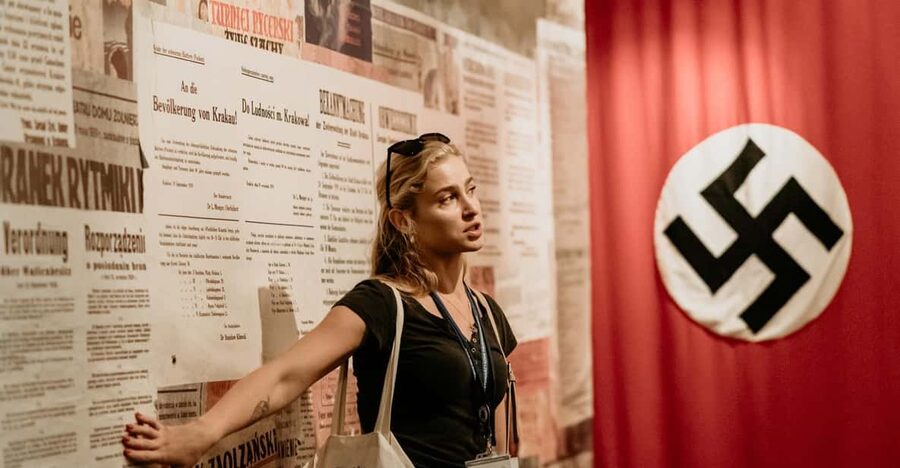
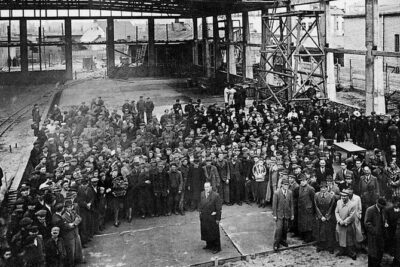
The core of the tour is the exhibition focused on Kraków under Nazi Occupation 1939 to 1945. That framing is important because it prevents the story from becoming only a single character’s journey. You get the wartime transformation of Kraków, and you see how the occupation changed ordinary life for Jewish and non-Jewish residents.
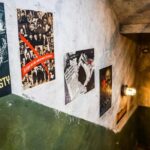
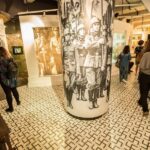
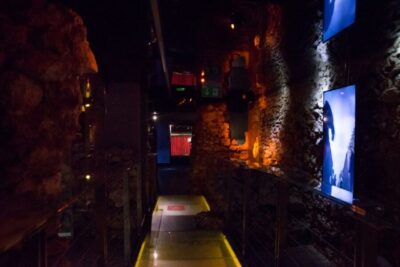
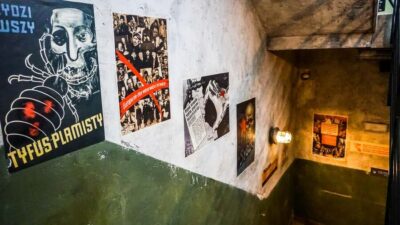
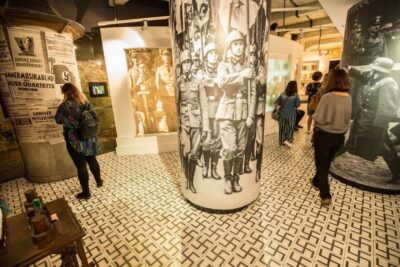
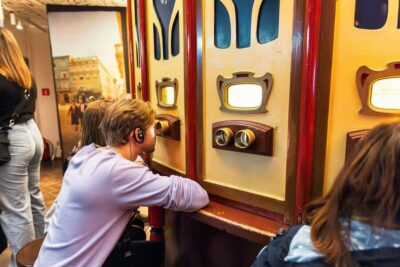
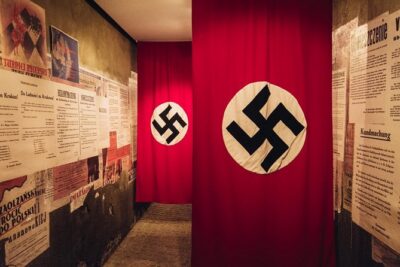
As you move gallery to gallery, you’ll encounter authentic artifacts, photographs, and recreated scenes. The museum also uses room design to affect your emotional reading pace. Many areas are intentionally narrow and dim, which helps communicate fear, pressure, and uncertainty. It’s not just aesthetic. It supports the idea that daily life under occupation wasn’t comfortable, predictable, or safe.
Here’s what to pay attention to as you go. Don’t try to memorize everything. Instead, follow the way the tour links personal experience to larger events. The exhibition storyline is built around persecution and the systematic destruction of community life. You learn about deportations and the devastation of Kraków’s Jewish community, while also seeing how people outside the Jewish community were affected by the same occupation forces.
That said, it’s heavy content. If your plan includes other intense stops the same day, I’d stagger them. Give yourself some space before or after, because you’ll likely feel the emotional weight of what you see.
Oskar Schindler and the factory story, connected to real choices
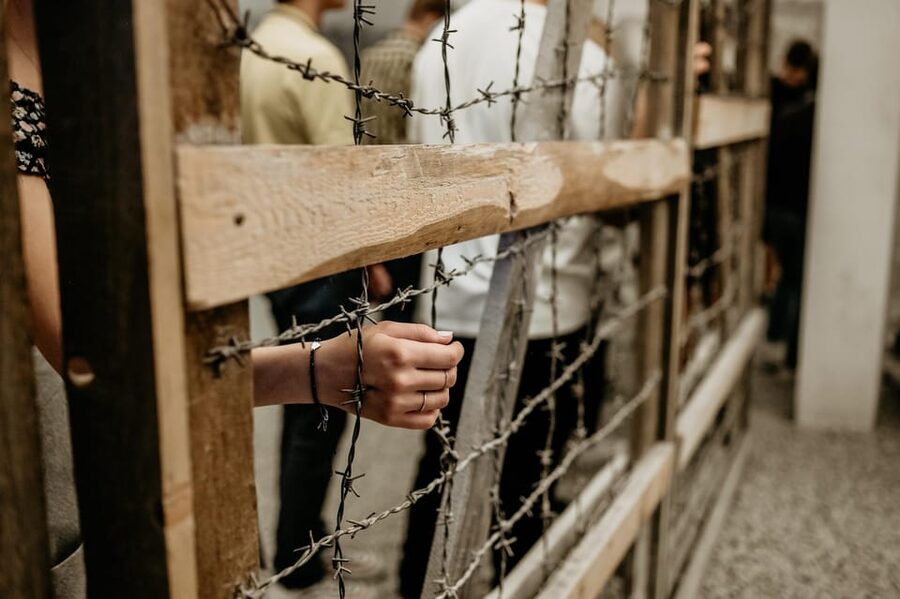
Yes, Schindler is central. But the tour treats his story as part of a broader wartime system, not as a standalone hero narrative.
You’ll learn how Schindler’s factory provided refuge to over a thousand Jewish workers. The guide connects that to the reality of persecution, the threat environment of the time, and how people’s fates could shift based on access, work, paperwork, and decisions made inside constrained systems.
The reason this portion lands so well in a guided format is simple: the guide can connect the dots between what you see in front of you and what it meant in context. Artifacts and photos become more than images. They become evidence of a world where survival could depend on something as specific as employment and the actions taken within an industrial workplace.
If you’re the type of visitor who wants your museum experience to answer questions like, Who had power, Who had options, and Who made choices under pressure, this tour style is a good fit. You’re not just reading what happened. You’re being guided through how it happened.
And because the factory setting is real, you feel the contrast between the ordinary industrial world and the abnormal cruelty around it. That contrast is part of the emotional message.
Below are the other Krakow trips we have logged
- From Krakow: Auschwitz-Birkenau Guided Tour & Hotel Pickup★ 4.5 · 33,358 reviews
- From Krakow: Auschwitz-Birkenau Guided Tour & Hotel Pickup★ 4.5 · 29,340 reviews
- Krakow: Auschwitz Guided Tour with Optional Hotel Pickup★ 4.5 · 15,280 reviews
- Krakow: Auschwitz-Birkenau Guided Tour with Pickup & Lunch★ 4.5 · 9,800 reviews
- Krakow: Auschwitz-Birkenau Guided Tour Pickup/Lunch Options★ 4.5 · 9,057 reviews
The design details that shape your attention (and why headsets matter)
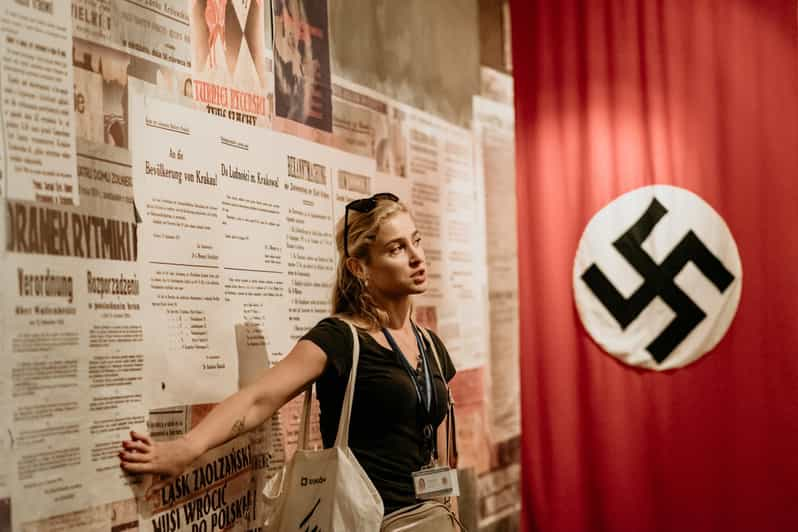
This museum doesn’t rely on big open spaces. It leans into tight corridors and darker rooms, which is a deliberate storytelling choice. You might notice how the lighting slows your visual scanning. You may read slower, and that can be either a benefit or a challenge.
It’s a benefit if you like to absorb the atmosphere as part of the history. Dim rooms can make photos and documents feel more urgent and less like distant museum objects. It’s a challenge if you get frustrated when you feel rushed. Since you are on a timetable, you may want to mentally decide in advance that your goal is understanding the story thread, not perfect reading of every single placard.
This is also where the tour logistics quietly improve the experience. For groups of 15-plus, you get headsets. That helps you hear your licensed guide clearly even when multiple groups funnel through narrow spaces. If you’ve struggled with guide audio in tight indoor settings, you’ll appreciate this detail.
Group size can affect how close you are to your guide. One review-based lesson you can take into your own planning: smaller groups tend to make it easier to ask questions and stay close enough to hear pacing and explanations without straining. If you’re booking later in the day and can choose the group size if options exist, consider favoring times that look less crowded.
Languages, guide quality, and what you can expect from the storytelling
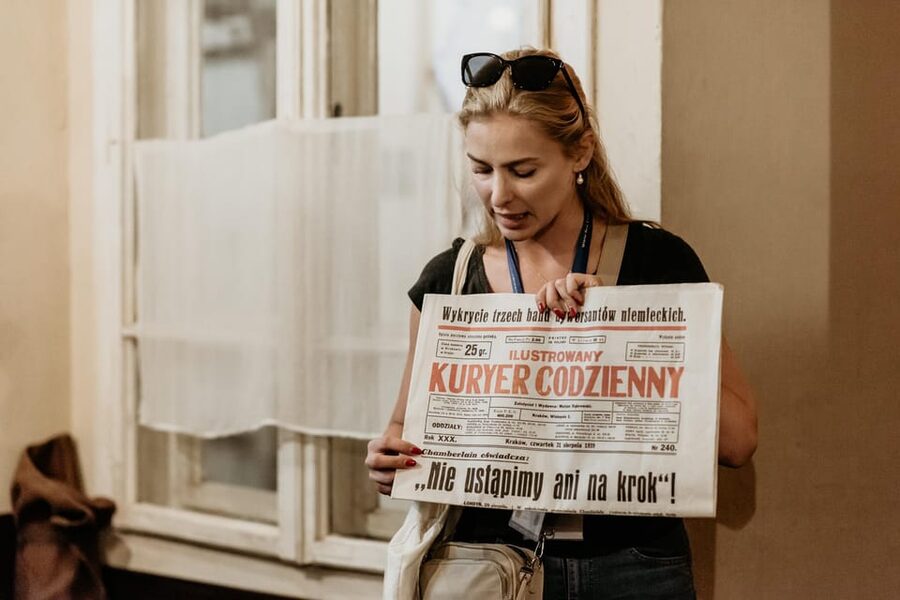
The tour is offered in French, German, Spanish, English, and Italian. That’s a real advantage because the museum’s subject is complex. When the guide can speak clearly in your language, it makes it easier to follow the timeline and understand the significance of each exhibit.
From the feedback patterns, strong language delivery seems to be a recurring win. People have specifically noted clear English, very attentive guiding, and fluent Italian. That aligns with what you want here: narration that stays accurate, pacing that keeps you oriented, and explanations that connect artifacts to the bigger wartime picture.
What I recommend you do as you listen: don’t just collect facts. Track themes. Your guide will help you notice how the exhibition moves between Jewish and non-Jewish experiences, between everyday pressure and major wartime events, and between persecution and the narrow spaces where help could happen.
If you’re hoping to photograph freely, keep in mind nothing in the provided info guarantees photography policies. Plan to check museum rules once you arrive, and expect you may have times where the guide requests quiet attention in darker rooms.
Price and value: does $50 buy you more than a ticket?
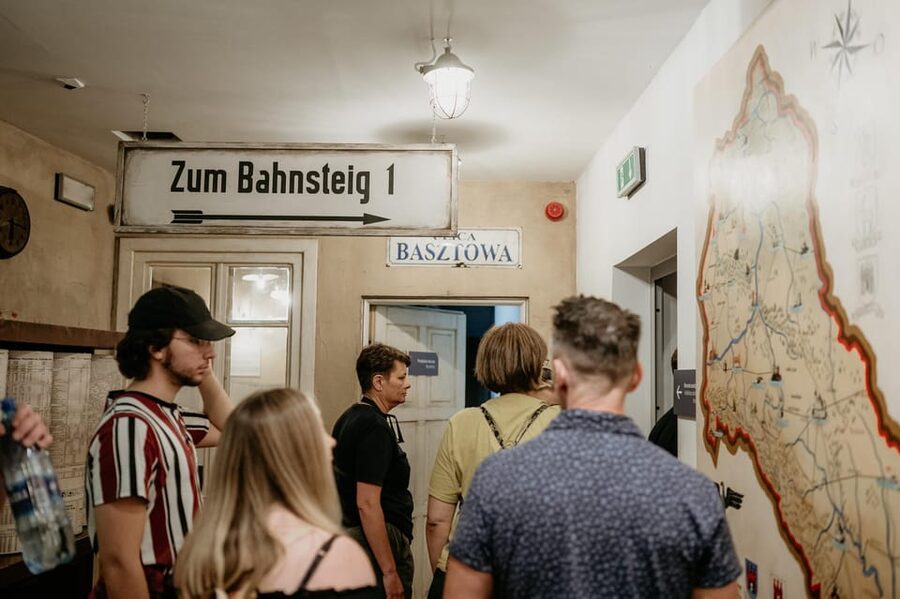
At $50 per person, this is not a cheap add-on. But the price is built around three value drivers you can actually feel:
First, you’re paying for skip-the-line admission. Time is money, but it’s also attention. Schindler’s Factory is the kind of place where arriving ready to focus matters.
Second, you’re paying for a licensed expert guide for about 90 minutes. Without a guide, you can still visit the museum, but you’re more likely to miss the connections that make the story hit harder. Here, the guide helps you understand how the wartime system operated and why Schindler’s decisions mattered within it.
Third, the tour includes headsets for larger groups, which is a small thing that improves the whole experience. Better audio means less crowding frustration and less guessing what the guide is saying.
One caution based on a real-world booking lesson: before you go, double-check that your reservation truly includes admission as promised and that your voucher details match what the museum requires. A visitor once reported needing to pay a ticket again during entry. That situation could be caused by booking details or museum rules, so verify early and keep your confirmation handy.
If your goal is learning with context, not just walking through rooms, this is reasonable value. If your goal is to read everything at your own pace with no guide, you might decide to visit on your own instead of paying for a timed group format.
Practical tips for a smoother visit at Schindler’s Factory
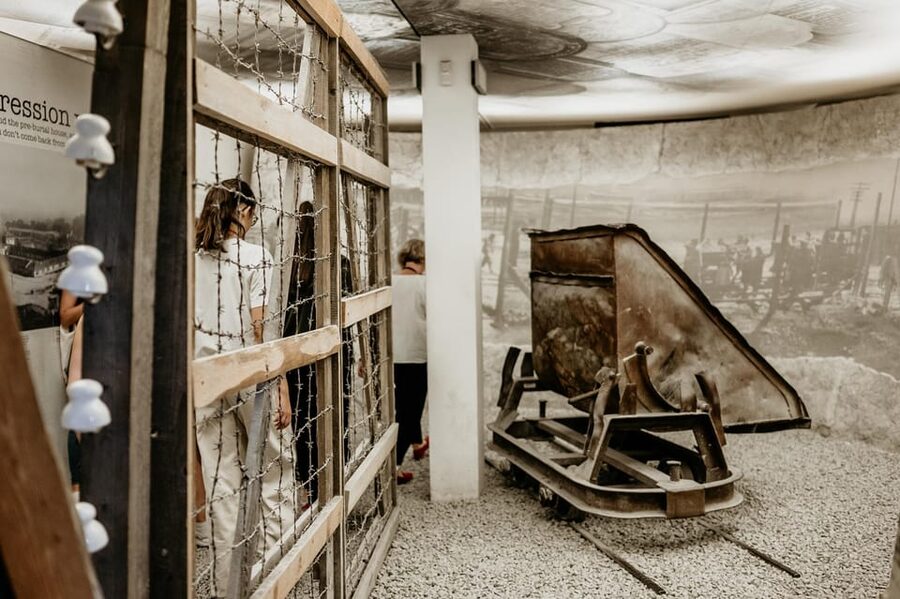
A few planning details can make the difference between a smooth visit and a stressful one.
Start with entry requirements. From January 1, 2026, the museum’s personalized tickets mean you must provide the full names of all participants when reserving, and you’ll need to bring a passport or ID for entry. Don’t leave this until the last minute, and don’t assume your name in a booking system is automatically correct everywhere.
Also, remember that tour times are approximate starting in 2026. If you like to plan tightly, give yourself some breathing room before and after your tour.
Next, prepare for the atmosphere. The museum uses narrow, dimly lit rooms on purpose. Wear comfortable shoes because you’ll be walking through indoor corridors for 90 minutes. Keep your plan simple: one major museum block, not five back-to-back.
If you’re traveling with friends or family, decide who will do the note-taking and who will listen. The guide is working a narrative arc, and the point is to follow it. If you’re the one who likes to read every label, you may want to switch between listening and quick scanning. That keeps you from getting stuck trying to absorb everything at once.
Finally, the provider is Hello Cracow. Keep that in mind when you look for your group or any day-of instructions. The meeting point cue is the excursions.city sign, so aim for that location early.
Should you book Schindler’s Factory in Kraków?
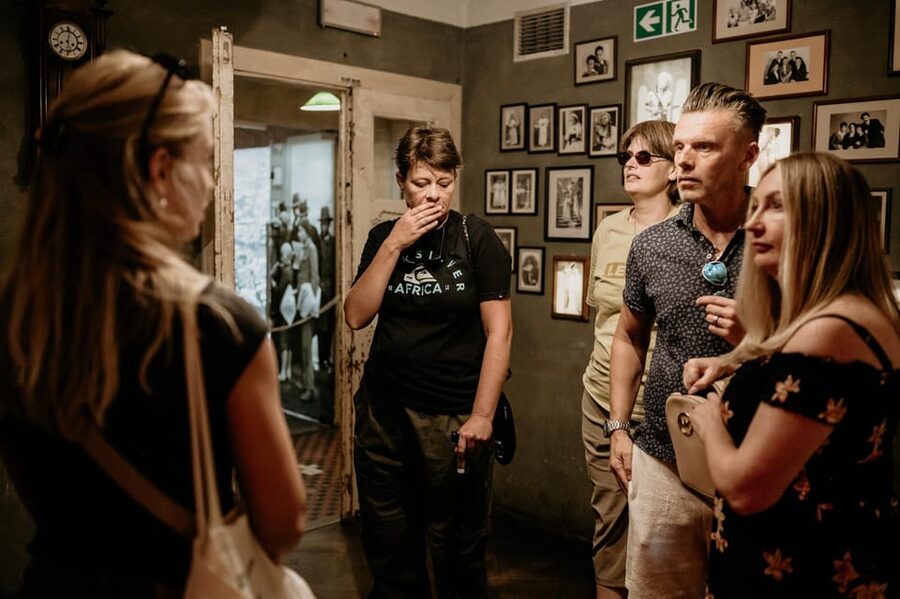
I’d book this guided tour if you want a structured way to understand the Nazi occupation of Kraków and how one factory became a place of refuge. The combination of skip-the-line entry, licensed guiding, and a focused exhibition path makes it a strong choice when you have limited time.
You should think twice if you strongly dislike group pacing, because the narrow, dim rooms plus a set duration can feel rushed if you like to linger over every photo and document. Also, if you’re planning an emotionally heavy day, consider leaving space to decompress afterward.
If you match the vibe of this museum, you’ll get real value from the guide’s explanations, and you’ll come away with a clearer picture of what happened in Kraków between 1939 and 1945, and why the factory story matters beyond its fame.
FAQ
How long is the Schindler’s Factory Museum guided tour in Kraków?
The guided tour lasts about 90 minutes.
What is the price per person for this tour?
The price is $50 per person.
Where do I meet my guide?
Meet in front of the museum entrance (Oskar Schindler’s Enamel Factory). Look for the person holding an excursions.city sign.
Does the tour include skip-the-line admission?
Yes. The tour includes skip-the-line admission to Schindler’s Factory.
What languages are available for the guided tour?
The live guide is available in French, German, Spanish, English, and Italian.
Will I need a headset to hear the guide?
Headsets are provided for groups of 15 or more participants.
Is the museum and tour wheelchair accessible?
Yes, it is wheelchair accessible.
What ID do I need for entry, and are there any name requirements?
From January 1, 2026, you must provide the full names of all participants when reserving, and you must bring a passport or ID for entry.
Can I reserve and pay later?
Yes, the booking option is Reserve now & pay later.
Is there a cancellation window?
You can cancel up to 24 hours in advance for a full refund.
More Tours in Krakow

More Tour Reviews in Krakow
The Schindler Factory, Other Ways In
Recently written up around Krakow
More Oskar Schindler Factory Tours.
 ★ 4.2Oskar Schindler’s Factory Entry Ticket & Guided TourFrom $353,793 reviews
 ★ 4.5Schindler’s Factory Tour with Entrance TicketFrom $493,182 reviews
 ★ 4.4Schindler’s Factory Skip-the-Line TicketFrom $253,105 reviews
★ 4.6Schindler’s Factory Tour with Entrance TicketFrom $401,737 reviews
 ★ 4.5Schindler’s Factory in Krakow: Guided Tour & Skip the Line TicketFrom $351,714 reviews
 ★ 4.7Schindler’s Factory & Ghetto Guided TourFrom $571,694 reviews
 ★ 4.3Schindler’s Factory Ticket with Guided Tour OptionFrom $421,485 reviews
 ★ 4.0Krakow Schindler’s Factory Guided Tour with Admission TicketFrom $351,156 reviews
Also on these Poland lists