
REVIEW · OSKAR SCHINDLER FACTORY TOURS
Schindler’s Factory & Plaszow Guided Tour
Krakow gets heavy fast. This tour pairs skip-the-line entry to Schindler’s Enamel Factory museum with a walk through Plaszow Concentration Camp, guided in English by people like Filip, who knows how to keep the story clear without turning it into a lecture. The only real drawback is the schedule: Schindler’s Factory does not accept late arrivals, so you need to be there on time.
I also like that the museum’s exhibition feels modern and a bit off the expected path, so you are not just staring at name after name. You get an optional lunch break at your own expense before you head to the camp site, and the whole day runs in a set group rhythm, which is not ideal if you want a lot of wandering on your own.
In This Review
- Key highlights to look for on this tour
- Schindler’s Factory and Plaszow: what this 5-hour combo delivers
- Entering Schindler’s Enamel Factory museum the right way
- How the exhibit makes Oskar Schindler’s story make sense
- The story turns from factory to the wartime machinery
- Lunch break, then straight to Plaszow Concentration Camp
- Plaszow grounds: remnants, memorials, and the 1964 reminder
- Why Schindler’s List replica locations get explained here
- Guide style, group pace, and how to get the most out of it
- Price and value at $78: what you’re paying for
- Who should book this tour, and who might want to adjust expectations
- Should you book Schindler’s Factory & Plaszow with a guided team?
Key highlights to look for on this tour
Skip-the-line entry to the Schindler’s Factory museum so you do not burn time in queues.
Oskar Schindler’s real story explained in context, not as movie trivia.
Nazi-occupied Krakow context that helps you understand what you are seeing at Plaszow.
A full guided visit of Plaszow’s grounds, including remnants and memorial areas.
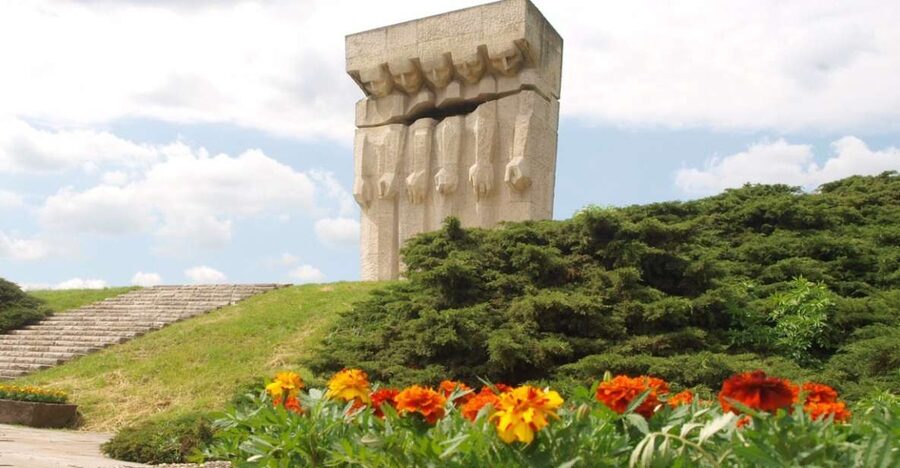
The main victims memorial from 1964, set in a nature preserve landscape.
A clear link to Schindler’s List locations, including why a replica exists near Liban Quarry.
Other reviewed ways into the Schindler factory museum
- Krakow: Oskar Schindler’s Factory Entry Ticket & Guided Tour
★ 4.2 · 3,793 reviews - Krakow: Schindler’s Factory Tour with Entrance Ticket
★ 4.5 · 3,182 reviews - Krakow: Schindler’s Factory Tour with Entrance Ticket
★ 4.6 · 1,737 reviews - Schindler’s Factory in Krakow: Guided Tour & Skip the Line Ticket
★ 4.5 · 1,714 reviews
Schindler’s Factory and Plaszow: what this 5-hour combo delivers
This is one of those Krakow tours where the value is not in packing in extra stops. It is in the way the two places talk to each other. Schindler’s Factory gives you the human story and the wartime setting. Plaszow then shows what occupation and persecution looked like on the ground.
At $78 per person for a 5-hour experience, you are paying for three things that matter in Krakow: a professional guide, entrance to the Schindler’s Factory museum, and the time you save by skipping the ticket line. You do not have to coordinate transport between sites on your own, and you get a guided pace that keeps the story straight.
The pace is a real consideration. This is a group tour with a strict schedule, so you should plan to arrive early, listen, and move with the group. If you are the type who likes to linger and read every sign for an hour, you may find yourself wanting more time at each stop. On the flip side, if you want clarity fast, this format works.
Entering Schindler’s Enamel Factory museum the right way
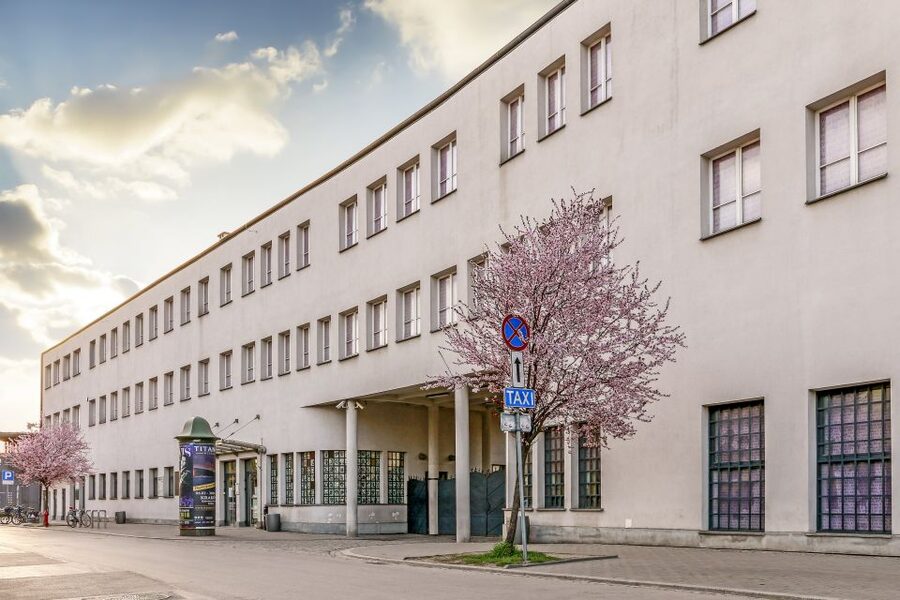
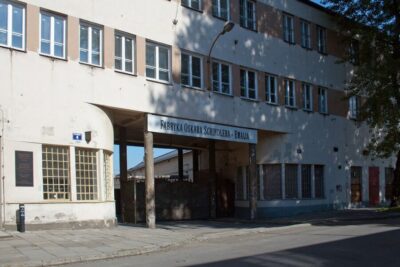
Your tour starts right at the Oskar Schindler’s Enamel Factory museum. The guide meets you in front of the museum entrance holding a sign that says excursions.city. You are brought into the group process right away, and the whole point of this tour is skip-the-line entry to the museum.
That matters more than it sounds. The Schindler’s Factory Museum can be busy, and waiting means you lose the best part: arriving when you are mentally ready to process a hard history. With the skip-the-line setup, you spend your time on content, not a queue.
A practical note: Schindler’s Factory does not accept late arrivals. That is not a “maybe.” It is a firm rule. So if your tram timing is a question mark, build in buffer time. If you miss the start, you are not just late, you risk losing your spot.
How the exhibit makes Oskar Schindler’s story make sense
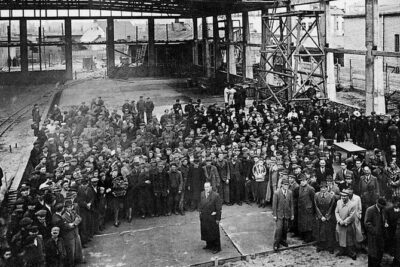
Oskar Schindler is often mentioned because of Stephen Spielberg’s Oscar-winning film Schindler’s List. This tour treats that film as a starting point, not the final answer. You will learn how Schindler was a German entrepreneur who helped many Jews through the war, and you will connect his story to what was happening in Krakow under German occupation.
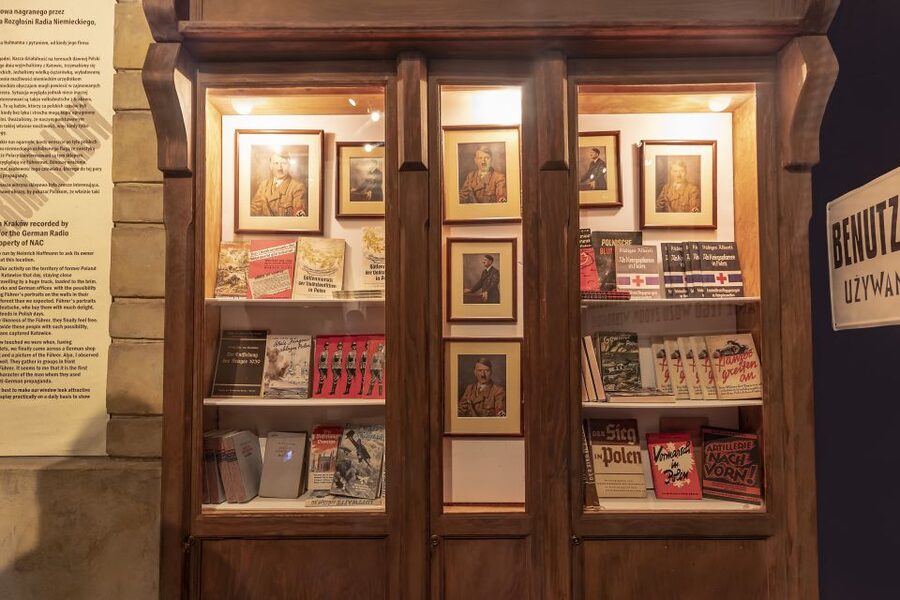
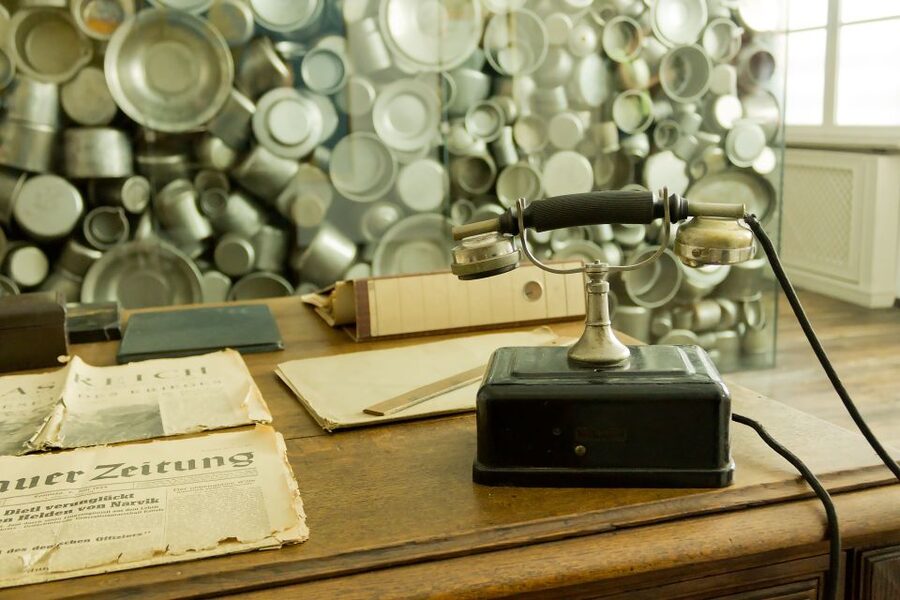
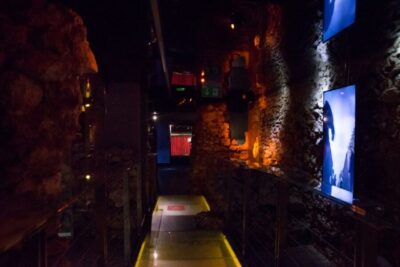
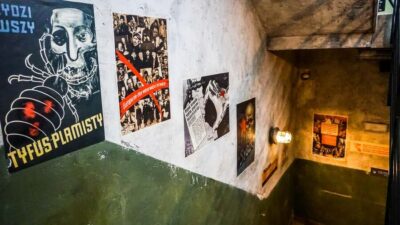
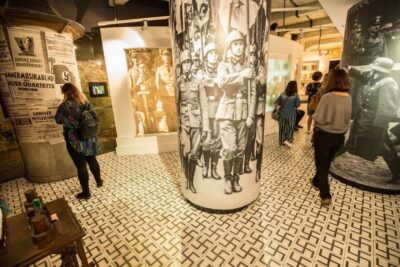
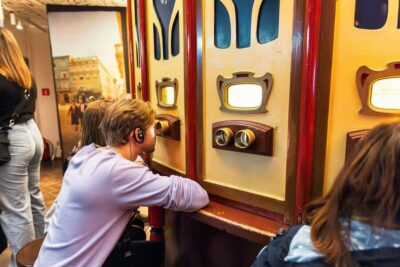
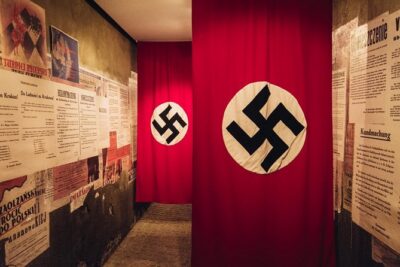
What I like about the museum approach here is the exhibition style. The museum uses an atypical, modern presentation. That can be a relief if you have already seen Holocaust museums that feel like rows of text panels. A modern exhibition can force you to slow down in a different way, pay attention to how information is presented, and focus on meaning, not just dates.
You will also hear the war story in the local setting. Nazi-occupied Krakow is not just background noise. It becomes the frame for why Schindler’s choices mattered, and why what happened later at Plaszow was possible. The guide’s job is to translate the timeline into something you can actually follow while you are standing in the right place.
The story turns from factory to the wartime machinery
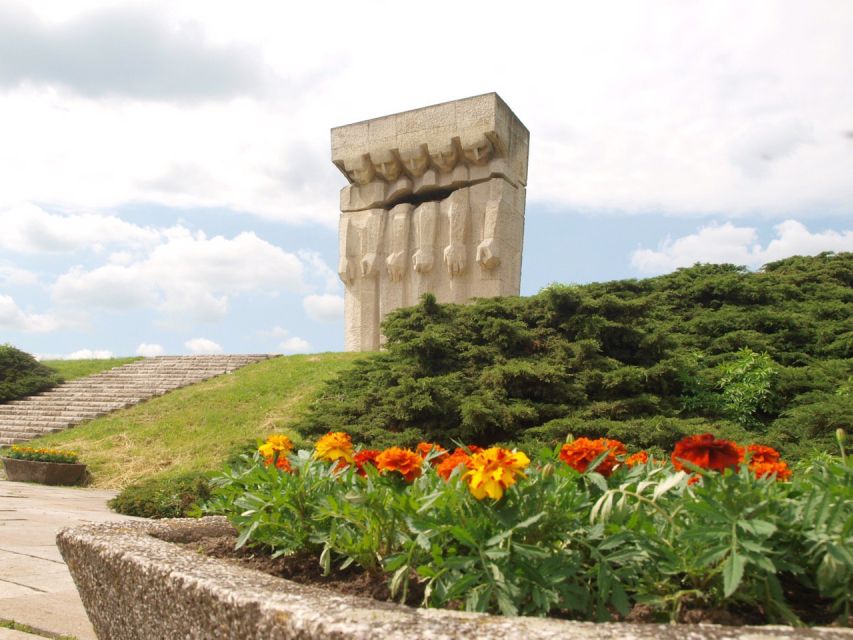
Schindler’s Factory is not only about one man. It is also about the system around him, and how industrial life got tangled with persecution.
As you move through the museum, your guide helps connect the dots: what was going on in the city, how deportations and forced labor fit into the occupation plan, and how Krakow’s Jewish community was pushed into increasingly brutal circumstances. This kind of framing is valuable because it prevents the story from feeling disconnected. You are not just collecting tragic facts, you are understanding the sequence that led to Plaszow.
If you are a film person, you will probably notice you remember certain scenes from Schindler’s List. Use that instinct, but let your guide correct what the movie simplifies. The goal is not to “spot the movie.” The goal is to learn the real context the film points toward.
Further Jewish heritage and ghetto routes documented in Krakow
- Krakow: Schindler’s Factory & Ghetto Guided Tour★ 4.7 · 1,694 reviews
- Krakow: Bike Tour of the Old Town, Kazimierz, and the Ghetto★ 4.9 · 350 reviews
- Krakow: Jewish Ghetto Walking Tour★ 4.6 · 349 reviews
- Krakow: Jewish Quarter and Ghetto Electric Golf Cart Tour★ 4.6 · 348 reviews
- Krakow: Schindler’s Factory and Jewish Ghetto Guided Tour★ 4.6 · 124 reviews
Lunch break, then straight to Plaszow Concentration Camp
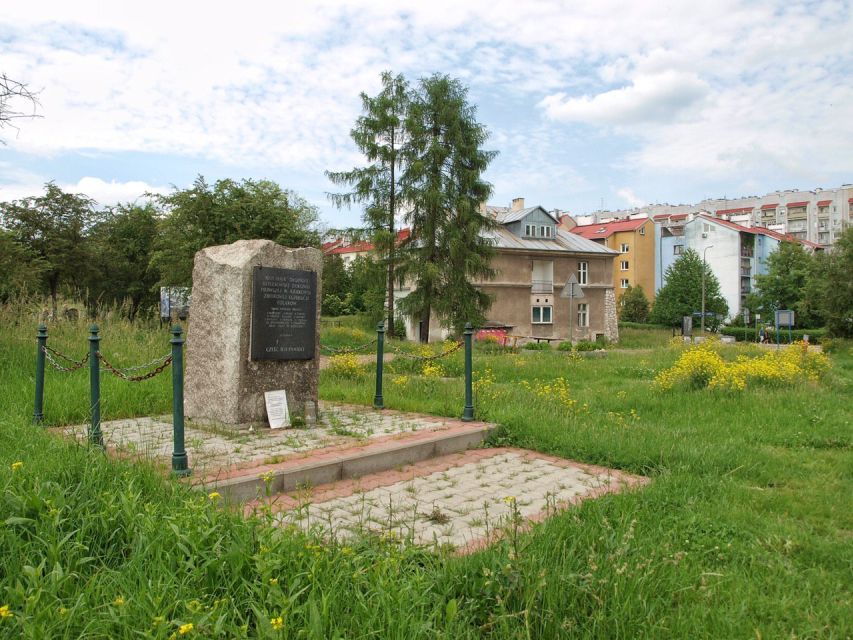
Between the museum and the camp portion, there is an optional lunch break. It is at your own expense, so you will want a plan for where you can eat nearby. The key is to use that pause smartly. Eat something simple, drink water, and come back ready to stand and walk outdoors.
Then the group shifts to Plaszow Concentration Camp. Plaszow sits in the southern suburbs of Krakow, founded by the Nazis shortly after the German invasion of Poland. You will spend time seeing remnants of the camp facilities and learning about life in the camp.
One thing to know up front: Plaszow is now a nature preserve area. That means you are walking through sparsely wooded hills and fields. It can feel visually peaceful in a way that is emotionally disorienting, and that is exactly why a guided explanation matters. Your guide helps you hold two realities at once: the calm look of the land today, and what that land was used for during the occupation.
Plaszow grounds: remnants, memorials, and the 1964 reminder
The Plaszow portion is the heart of the experience. You learn the timeline and see how the camp is remembered.
Here are the key facts you will be working with while you are on site: Plaszow opened in 1940 as a forced labor camp. In 1941 it was expanded and converted into a concentration camp. From 1942, deportation of Jews from the Krakow Ghetto began.
When it comes to what you can see today, the camp itself was destroyed by the Germans. That means you will not be walking through buildings the way you might at some other preserved sites. Instead, you rely on remnants and on information presented through signs and placards. In practice, that turns the visit into a guided reconstruction. You are not just looking, you are placing history back into the space where it occurred.
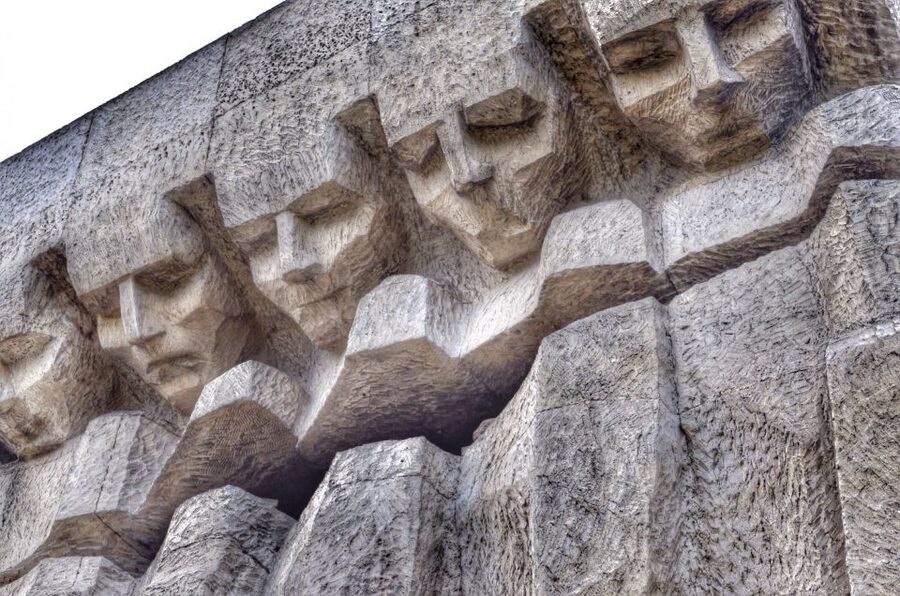
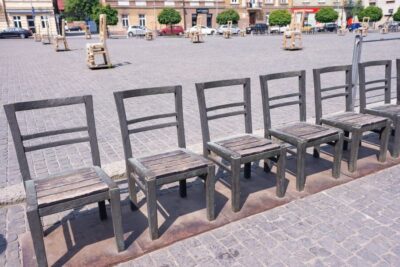
You will also visit memorials. There is one large memorial to all the victims, erected in 1964. Standing in front of it gives the story a wider human scale. It is no longer only about dates and structures. It becomes about remembering the people those structures were meant to harm.
If you are sensitive to heavy topics, this is not a “quick visit and move on” place. The guide’s tone and pacing really matter. The goal is respectful clarity, and that is where the best guides shine.
Why Schindler’s List replica locations get explained here
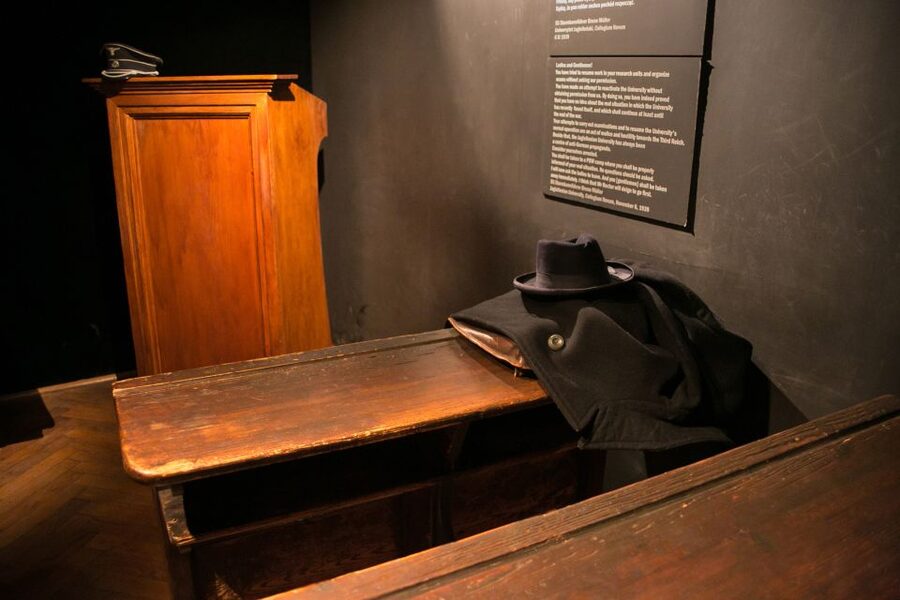
Plaszow is part of why Schindler’s List became so widely known. But the filming connection can confuse people if you treat it as the story itself.
Because the Plaszow area is now a nature preserve, a camp replica was built in Liban Quarry for scenes used in Schindler’s List. That detail is useful even if you never see the quarry directly. It explains why certain images from the movie do not map perfectly onto what remains at Plaszow today.
This is also a helpful mental tool for your visit. When you feel yourself comparing what you see to the film, you can remember: some of what you picture came from a film set built for authenticity on screen, not from preserved structures on the ground.
Your guide should connect this to what you are seeing in Plaszow now, including why the site looks the way it does and how remembrance is handled through memorials and interpretive materials.
Guide style, group pace, and how to get the most out of it
The biggest difference between a good version and a weak version of this tour is the guide’s ability to manage emotion and information at the same time. In the best runs, you get a guide who can be witty in the moment without minimizing anything. Filip, for example, has a reputation for being knowledgeable and witty, and for making time to interact with the group and share relevant anecdotes.
Even with a great guide, you still have a group schedule. That means you should be ready to stand when the group stands, move when the group moves, and keep your questions for the right moment. If you show up late, you risk being turned away at Schindler’s Factory. That is why arriving early is not just polite, it is the difference between enjoying the tour and losing it.
Photo etiquette also matters here. I would keep photos for the museum areas where it feels appropriate, and in the camp focus more on looking, reading, and absorbing the memorial spaces. You will probably see informational placards and remnants that benefit from quiet attention.
Price and value at $78: what you’re paying for
At $78 per person, this tour is not cheap, but it is also not “tour-scam pricing.” The included items matter:
- Professional guide
- Entrance ticket to the Schindler’s Factory museum
- Skip-the-line entry
That combination is where the value usually shows up. Museum tickets plus guided interpretation plus time savings can easily cost more if you were booking separately. On top of that, Plaszow requires guided explanation to make the space understandable, especially since much of the camp structures are gone.
What is not included is also straightforward. Food and drinks are at your own expense. Tram tickets are mentioned as about 4 zł, so you might want a little cash or card flexibility for getting around Krakow between parts of your day.
If you want to get the most value, treat this as a story tour. Show up ready to listen. Then you will not be thinking, I paid a ticket price for a walk, you will be thinking, now I understand what I’m looking at.
Who should book this tour, and who might want to adjust expectations
This tour is a strong fit if you want a guided, story-driven visit to two of Krakow’s most important wartime sites. It is especially good if you know Schindler’s List but want the real history behind it in Krakow’s actual locations.
It may be less ideal if you want a self-paced museum experience. The schedule is strict and the museum has a firm no-late-arrivals rule. It also may not suit you if you dislike walking and standing outdoors for a meaningful stretch at a memorial site.
For families, this can work when everyone is ready for heavy content and respectful behavior. For solo travelers, it is often the best way to avoid confusion about what you are seeing in Plaszow today.
Should you book Schindler’s Factory & Plaszow with a guided team?
If your priority is clarity, context, and not wasting time in queues, then yes, I think this is worth booking. The skip-the-line museum entry plus a guide-led Plaszow visit is a practical way to get from one major site to the next without turning it into a logistics puzzle.
I would book it if you want to understand the real sequence: forced labor origins in 1940, expansion in 1941, deportations from 1942, and the long remembrance through memorials like the one erected in 1964. And I would book it if you appreciate a guide who can connect the city story to the camp story, so the whole day reads like one coherent lesson.
Just do yourself a favor and plan to arrive early at the meeting point, because the tour runs on time for a reason. When it starts, it matters.
More Tour Reviews in Krakow
Jewish Heritage and Ghetto Routes in Krakow

The Schindler Factory, Other Ways In

Recently written up around Krakow
More Oskar Schindler Factory Tours.
 ★ 4.2Oskar Schindler’s Factory Entry Ticket & Guided TourFrom $353,793 reviews
 ★ 4.5Schindler’s Factory Tour with Entrance TicketFrom $493,182 reviews
 ★ 4.4Schindler’s Factory Skip-the-Line TicketFrom $253,105 reviews
★ 4.6Schindler’s Factory Tour with Entrance TicketFrom $401,737 reviews
 ★ 4.5Schindler’s Factory in Krakow: Guided Tour & Skip the Line TicketFrom $351,714 reviews
 ★ 4.7Schindler’s Factory & Ghetto Guided TourFrom $571,694 reviews
 ★ 4.3Schindler’s Factory Ticket with Guided Tour OptionFrom $421,485 reviews
 ★ 4.0Krakow Schindler’s Factory Guided Tour with Admission TicketFrom $351,156 reviews
Also on these Poland lists