
REVIEW · OSKAR SCHINDLER FACTORY TOURS
Schindler’s Factory Private Guided Tour in English
History walks with you in Krakow. This private guided visit to Oskar Schindler’s enamelware factory connects Holocaust history with the streets where the story unfolded. Along the way, your guide explains the Jewish experience in Krakow and the real people behind names tied to Schindler’s list.
I especially liked two things. First, I found the Kazimierz Jewish Quarter portion practical and human, starting with how large the community was from the 1300s and how it collapsed under deportations. Second, I loved the way the route links key points in both the Old Town and Podgórze, so the WWII ghetto story clicks into place, not just in theory but on foot.
One possible drawback is pacing plus logistics. It’s a brisk, walking-heavy route, so if you’re hoping for lots of photo stops or easy rerouting, plan for time pressure, and make sure you’re on time at Lipowa 4A.
In This Review
- Key things you’ll remember
- Getting oriented fast at Lipowa 4A
- Planty Gardens and the Schindler connection you can see
- Kazimierz Jewish Quarter: where the community had centuries, then lost them
- Podgórze and the Vistula River crossing
- The enamel factory museum: where the story lands
- How to pace yourself for a walking tour day
- Value for $36, and when this is a smart buy
- What to expect from the guide, and how to get the most out of them
- Things that can go wrong, and how to avoid them
- So, should you book it
- FAQ
- How long is the Schindler’s Factory private guided tour?
- Is this tour private?
- What is included in the price?
- Where do we meet and where does the tour end?
- Is hotel pickup or drop-off included?
- Is the tour refundable if plans change?
Key things you’ll remember
- Schindler’s Factory stop with context, not just a museum ticket: you get the why behind the artifacts and the names.
- A street-by-street story in Kazimierz: you see places tied to the pre-war Jewish community and the ghetto era on the ground.
- WWII Podgórze ghetto highlights you can actually locate: Piłsudskiego Bridge, remaining ghetto wall sections, and Ghetto Heroes Square.
- Movie-aware explanations, with history added back in: you’ll hear how Schindler’s List connects to real locations and real events.
- Private format means better Q and A: you’re not stuck listening through a crowd.
Other reviewed ways into the Schindler factory museum
- Krakow: Oskar Schindler’s Factory Entry Ticket & Guided Tour
★ 4.2 · 3,793 reviews - Krakow: Schindler’s Factory Tour with Entrance Ticket
★ 4.5 · 3,182 reviews - Krakow: Schindler’s Factory Tour with Entrance Ticket
★ 4.6 · 1,737 reviews - Schindler’s Factory in Krakow: Guided Tour & Skip the Line Ticket
★ 4.5 · 1,714 reviews
Getting oriented fast at Lipowa 4A
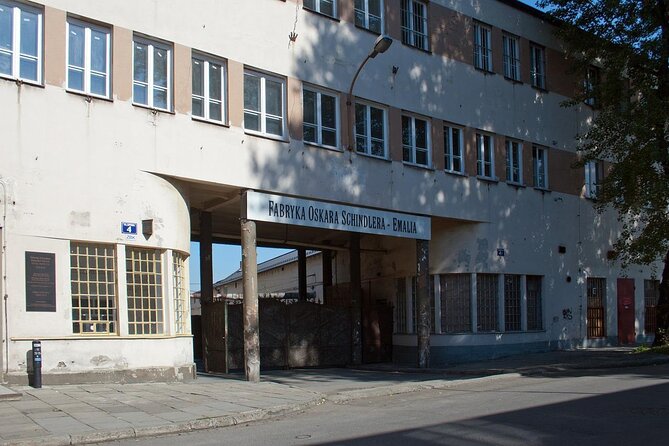
Krakow can feel like a history buffet, but this tour gives you a clear route. You meet at Lipowa 4A (30-702 Kraków) and your guide brings you out through the Planty Gardens area to begin the Schindler thread. It’s a good setup if you want to understand WWII Krakow without spending your whole day cross-checking street names.
You can also think of this as a “story map.” Rather than random stops, you follow one connected narrative: the Jewish community, the ghetto system, and Schindler’s role. That structure matters because the sites are spread out. With a guide, you spend less time guessing and more time understanding.
A note from the vibe of past experiences: some people found it easier to enjoy when they arrived early and were ready to move right away. If construction or crowds make it harder to spot groups, being punctual at the meeting point helps a lot.
Planty Gardens and the Schindler connection you can see
The tour kicks off with a walk that leads to the former home of Oskar Schindler. Even if you know his name from Schindler’s List, the guide uses the setting to explain what his factory life meant in wartime Krakow. You also learn how Schindler saved over a thousand Polish Jews during WWII, and why that fact remains so central to how this story is remembered.
Then you move to Poselska Street, a location shown in the film. This is where you get a useful balancing act. The guide doesn’t treat the movie as the whole truth. Instead, the film becomes a doorway into real events, real pressure, and real choices people had to make.
If you’re the type who likes to connect scenes to geography, you’ll probably appreciate this portion. Just keep expectations grounded: you may get more history than filming trivia, and you might need to ask specific questions if you want deep detail on particular shots.
Kazimierz Jewish Quarter: where the community had centuries, then lost them
Next comes Kazimierz, Krakow’s Jewish quarter. This part is a big reason this tour feels different from a museum-only visit. You’re walking through an area that held a large Jewish community for centuries, starting from the 1300s and continuing until the horrors of WWII. Your guide explains how the everyday life of that community was disrupted, then erased through mass deportations.
You’ll also see the old ghetto area on Szeroka Street, again tied to Schindler’s List imagery. What makes it worth it is the human scale. The guide focuses on stories and lives behind the names you associate with Schindler. That shift is important. Without it, you can leave with dates and buildings but no emotional understanding.
Kazimierz is also where you get a short rest break. It’s a practical moment. Even on a private tour, you’ll appreciate the pause, especially if the weather is cold or wet.
Podgórze and the Vistula River crossing
From Kazimierz you head to Podgórze, on the other side of the Vistula River. The walk across Piłsudskiego Bridge is more than scenery. It helps you understand how Krakow’s wartime divisions were mapped onto real space.
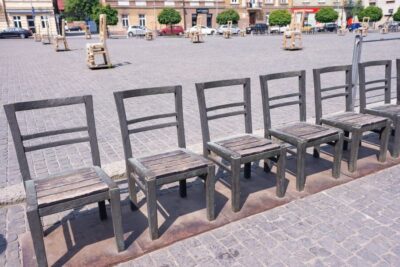
Your guide explains that the WWII ghetto in Krakow-Podgórze was established in March 1941. Then you continue to see physical remnants you can anchor your understanding to: a remaining part of the original WWII ghetto wall and Ghetto Heroes Square.
This is one of those moments where a guide earns their fee. The wall sections and squares can look small in passing, but with context they land differently. You start noticing how the city’s layout, movement barriers, and forced relocations all shaped daily survival.
Below are the other Krakow trips we have logged
- From Krakow: Auschwitz-Birkenau Guided Tour & Hotel Pickup★ 4.5 · 33,358 reviews
- From Krakow: Auschwitz-Birkenau Guided Tour & Hotel Pickup★ 4.5 · 29,340 reviews
- Krakow: Auschwitz Guided Tour with Optional Hotel Pickup★ 4.5 · 15,280 reviews
- Krakow: Auschwitz-Birkenau Guided Tour with Pickup & Lunch★ 4.5 · 9,800 reviews
- Krakow: Auschwitz-Birkenau Guided Tour Pickup/Lunch Options★ 4.5 · 9,057 reviews
The enamel factory museum: where the story lands
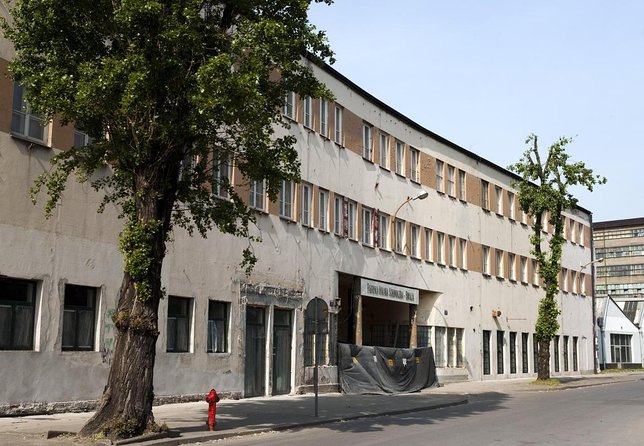
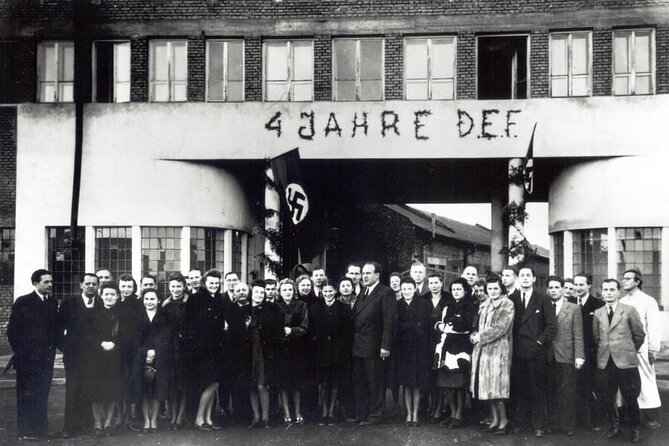
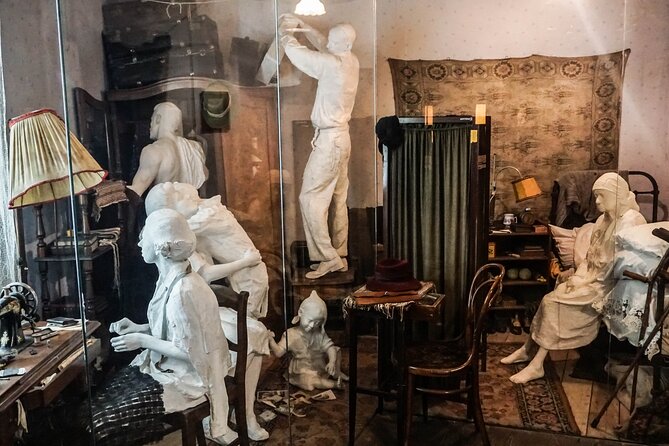
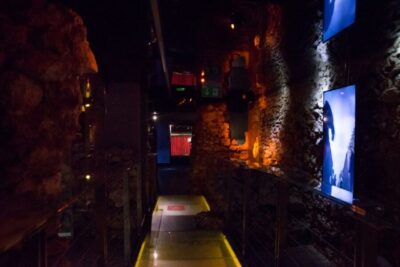
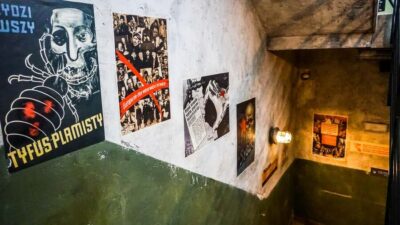
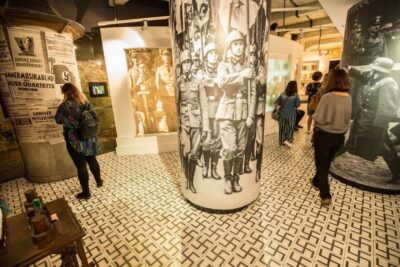
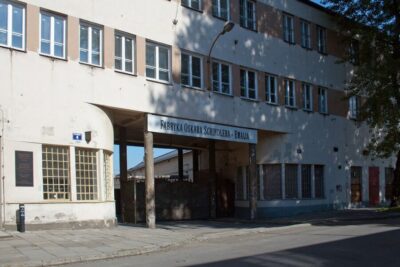
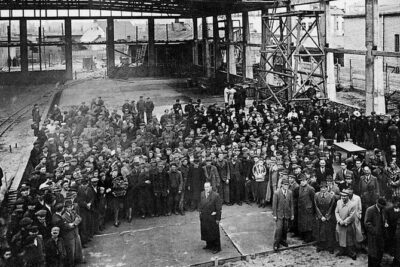
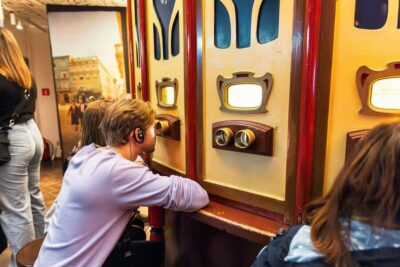
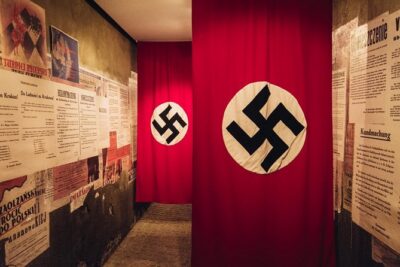
The tour ends with a stop at Schindler’s Enamel Factory. This is the emotional centerpiece, because it’s where many Jewish lives were saved and where the museum now preserves stories of the people lost and the events that led to WWII. You see original artifacts from the time, and your guide helps connect them to the broader narrative you walked through earlier.
The factory visit is also where the tour’s value becomes very tangible. Your time isn’t spent on a random checklist. You finish with a museum experience that makes sense because you’ve already learned the local context: Krakow’s Jewish community, ghetto changes, deportations, and Schindler’s role.
At checkout, you can choose whether you simply end in front of the museum or continue with a guided visit inside. Either way, the museum stop is the place where you can slow down after all the street walking.
How to pace yourself for a walking tour day
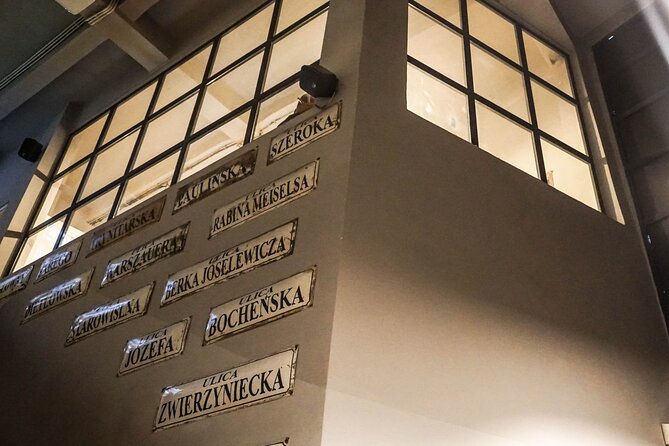
This experience is built around walking, and it moves with a story-driven tempo. The advertised time is about 1 hour 30 minutes, and you’re covering several distinct Krakow areas connected to WWII. That means you should come ready for movement, not long pauses.
A few practical tips:
- Wear comfortable shoes. You’ll be on city streets for a while.
- Bring a camera plan. In some past experiences, there wasn’t much room for extended photo time at every stop.
- If it’s rainy or cold, expect the weather to change your comfort level fast. This kind of route is outdoors for much of the day.
If you want more freedom, save a little energy for Kazimierz after the tour. You’ll already understand what you’re looking at, so your independent wandering feels smarter.
Value for $36, and when this is a smart buy
At about $36, you’re paying for a guided, private, English-language route plus the structured story. The tour also includes an admission ticket for the factory stop, and covers professional guiding with all fees and taxes.
For me, the value comes from not having to piece together three things on your own:
1) how Krakow’s Jewish story fits into WWII,
2) where the key sites are,
3) why specific locations matter.
A private format is also a real quality-of-life upgrade here. It’s easier to ask questions, correct misunderstandings on the spot, and move at a pace that works for your group.
This is especially worth it if you’re visiting on limited time and you want one high-impact experience that gives you a framework for the rest of your Krakow days. If you already know every detail about ghetto history and the film locations, you might find the tour’s focus more history than trivia. In that case, just ask your guide what they think is most important to understand first.
What to expect from the guide, and how to get the most out of them
Many of the strongest moments in this kind of tour come from the guide’s delivery. In past experiences, people highlighted guides who were engaging, clear, and willing to answer questions. Names that stood out included Jack and Sylvia, praised for bringing the story to life with personality, plus Judith, praised for speaking well and being very well versed.
You’ll get the most if you treat the guide like your on-the-ground research partner. Ask things like:
- What should I focus on at the museum if I only have limited time?
- Which part of the story changed the most for Krakow’s Jewish community?
- How do the film scenes relate to what actually happened there?
If you prefer film-location detail, mention that early. Some people wanted more emphasis on exactly where scenes were filmed. The tour is built around Holocaust history first, and the movie connections are used to orient you, so it helps to make your preference known.
Things that can go wrong, and how to avoid them
A few practical snags show up in real-world walking tours, and it’s smart to plan for them:
- Meeting up can be tricky at a busy museum area: If you arrive late or can’t find the group, it can be hard to rejoin once you’re separated from the guide. Do yourself a favor and arrive a few minutes early at Lipowa 4A.
- Construction and city clutter can slow down navigation: If the area is under work or crowded with other groups, it can take longer to reach the next stop. Again, arriving on time helps, and keeping your map app handy helps even on a guided tour.
- Limited time for buildings and long photo breaks: Some people felt they wanted more time for photos or for entering buildings beyond the main museum stop. If that’s your priority, keep your expectations realistic and aim your best photos at the museum exterior and the major ghetto-area spots.
If a guide is hard to hear, you can fix that instantly by moving closer at each stop. This is a walking experience, so small positioning changes make a big difference.
So, should you book it
Book this tour if you want a private, English guided route that connects Jewish history in Krakow with the Holocaust, and finishes at Schindler’s Factory with meaningful context. It’s ideal for couples, small groups, and first-timers who want structure without doing homework all day.
Think twice if your main goal is film-location minutiae or if you strongly need frequent photo stops and lots of building time along the route. The pacing is designed to cover several key areas, so it won’t feel leisurely for everyone.
If you do book, come prepared: good shoes, a charged phone, and a willingness to walk, listen, and ask questions. You’ll leave with a much clearer picture of where Krakow’s WWII story played out, and why Schindler’s Factory still matters today.
FAQ
How long is the Schindler’s Factory private guided tour?
The tour lasts about 1 hour 30 minutes.
Is this tour private?
Yes. It is a private tour for your group only.
What is included in the price?
The tour includes a professional guide, all fees and taxes, and an admission ticket for the factory stop.
Where do we meet and where does the tour end?
You meet at Lipowa 4A, 30-702 Kraków, Poland, and the activity ends back at the same meeting point.
Is hotel pickup or drop-off included?
No, hotel pickup and drop-off are not included.
Is the tour refundable if plans change?
No. This experience is non-refundable and cannot be changed for any reason.
More Tours in Krakow
More Tour Reviews in Krakow
The Schindler Factory, Other Ways In

Recently written up around Krakow
More Oskar Schindler Factory Tours.
 ★ 4.2Oskar Schindler’s Factory Entry Ticket & Guided TourFrom $353,793 reviews
 ★ 4.5Schindler’s Factory Tour with Entrance TicketFrom $493,182 reviews
 ★ 4.4Schindler’s Factory Skip-the-Line TicketFrom $253,105 reviews
★ 4.6Schindler’s Factory Tour with Entrance TicketFrom $401,737 reviews
 ★ 4.5Schindler’s Factory in Krakow: Guided Tour & Skip the Line TicketFrom $351,714 reviews
 ★ 4.7Schindler’s Factory & Ghetto Guided TourFrom $571,694 reviews
 ★ 4.3Schindler’s Factory Ticket with Guided Tour OptionFrom $421,485 reviews
 ★ 4.0Krakow Schindler’s Factory Guided Tour with Admission TicketFrom $351,156 reviews
Also on these Poland lists