
REVIEW · OSKAR SCHINDLER FACTORY TOURS
Schindler’s Factory Small-Group Guided Tour
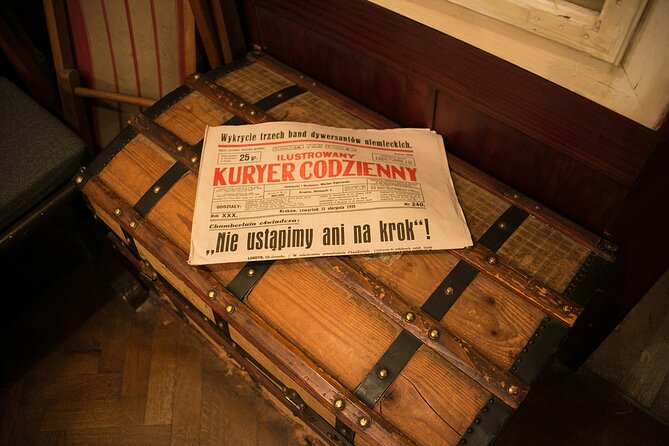
Schindler’s Factory hits hard in 90 minutes. This small-group guided visit is built around Kraków under Nazi Occupation 1939-1945, set inside the former administrative building of Schindler’s Enamel Factory. You’ll move through occupied-city scenes with modern multimedia, then connect those visuals to real people and real places in Krakow’s WWII story.
I especially like the way the guide turns the museum into a guided narrative, not just a room-by-room walkthrough. I also like that the experience stays focused on what daily life looked like under occupation, using practical, concrete stops like a hairdresser, photographer, and a photoplasticon, instead of only big-picture talking points.
One thing to consider: this is not a biographical Schindler museum. If you came hoping for a heavy emphasis on the factory machines and the day-to-day life of workers, the tour’s weight sits more on war and occupation history.
In This Review
- Key highlights to know before you go
- Schindler’s Enamel Factory Museum: what you’re really touring
- How the guided format changes the experience
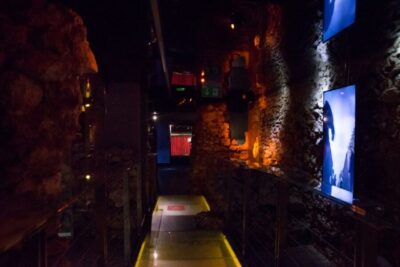
- Inside the exhibition: from occupied life to the wider war story
- The themed rooms you’ll walk through (and why they work)
- The tram and multimedia moments: getting the timeline straight
- The ghetto section: a Jewish apartment and the reality of confinement
- Płaszów camp connection: how the route moves forward
- Price and value: is $45.38 for 90 minutes worth it?
- Who this tour suits best (and who might feel let down)
- Practical tips for a smooth visit
- Should you book Schindler’s Factory Small-Group Guided Tour?
- FAQ
- How long is the Schindler’s Factory small-group guided tour in Krakow?
- What does the tour ticket include?
- Where do I meet for the tour?
- How big is the group?
- Are children allowed on this tour?
- What is the cancellation policy?
Key highlights to know before you go
- Kraków under Nazi Occupation 1939-1945 grounds the story in occupied life, not a straight Schindler biography.
- Small-group size (max 25) keeps your questions in-bounds and makes the guide’s pacing feel personal.
- Hands-on themed scenes include a hairdresser, photographer, and an authentic photoplasticon setting.
- A tram moment lets you see a film view through windows as you transition deeper into the story.
- Ghetto labyrinth and a Jewish apartment stage the realities of confinement, with multimedia support.
- Płaszów camp section brings the story forward from Krakow’s occupation to what followed.
Other reviewed ways into the Schindler factory museum
- Krakow: Oskar Schindler’s Factory Entry Ticket & Guided Tour
★ 4.2 · 3,793 reviews - Krakow: Schindler’s Factory Tour with Entrance Ticket
★ 4.5 · 3,182 reviews - Krakow: Schindler’s Factory Tour with Entrance Ticket
★ 4.6 · 1,737 reviews - Schindler’s Factory in Krakow: Guided Tour & Skip the Line Ticket
★ 4.5 · 1,714 reviews
Schindler’s Enamel Factory Museum: what you’re really touring
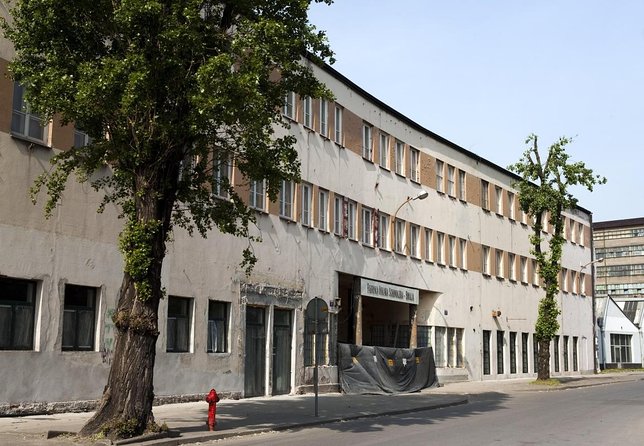
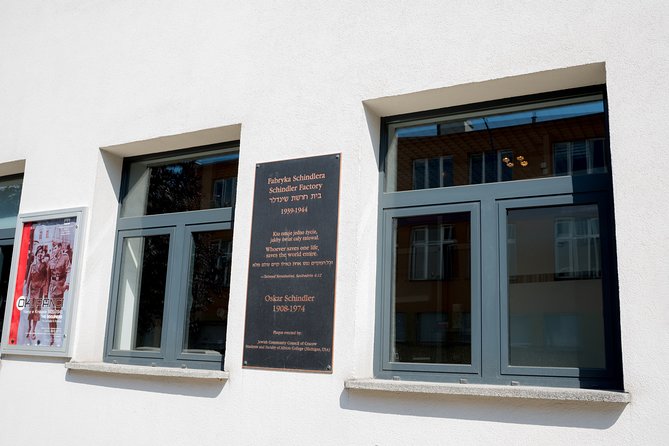
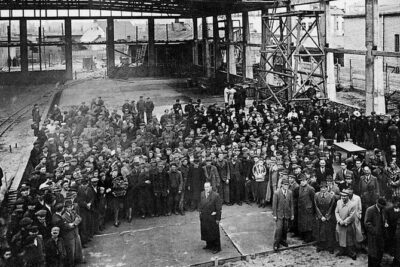
Schindler’s Enamel Factory is famous worldwide, but the visit you’re booking is not built like a movie memorabilia stop. The museum exhibit centers on occupied Krakow 1939-1945, and it uses multiple story rooms to show how occupation shaped daily life for Polish and Jewish residents.
That framing matters. Even though Oskar Schindler is a key figure in the larger story and is recalled in the 1993 Steven Spielberg film, the museum you’re visiting is about the city under Nazi rule and the fate of the people living there. Expect a WWII-occupation story told through spaces, scenes, and guided interpretation.
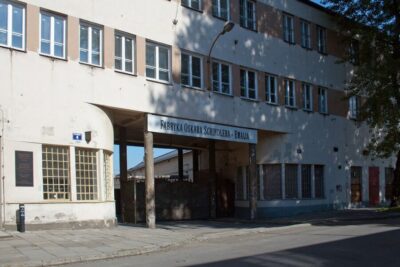
The setting also adds a layer of realism. You’re in the factory complex, and the tour begins at Lipowa 4, which makes it easy to connect this museum experience with the rest of Krakow you’ll explore later.
How the guided format changes the experience
A museum like this can be either deeply meaningful or a little overwhelming, depending on what you’re doing while you’re there. The big advantage here is the guide’s role: they help connect the visuals and themed rooms to the human story behind them.
In a small group, it’s easier to keep attention sharp. You’re not being rushed through a checklist, and you can ask questions while the topic is still fresh in your mind. The maximum group size of 25 is also a practical sweet spot for a tour that lasts about 1 hour 30 minutes.
This is also a “pace matters” visit. The exhibition uses modern multimedia, and the guide helps you avoid skipping over the details that make the scenes land emotionally and historically.
Inside the exhibition: from occupied life to the wider war story
Your main stop is the Fabryka Emalia Oskara Schindlera, part of the Historical Museum of Krakow. The core exhibition title is Kraków under Nazi Occupation 1939-1945, and the tour stays anchored to that theme.
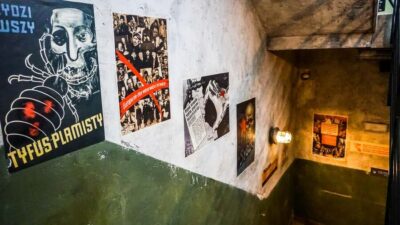
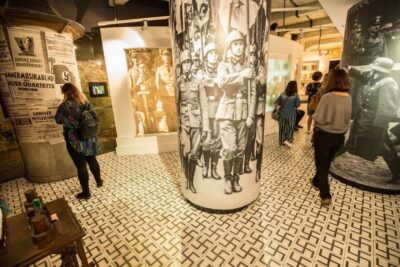
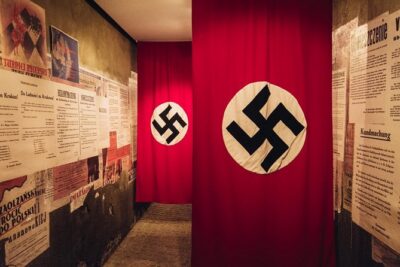
The experience is structured so you gradually move from street-level occupation realities into more intense, confinement-focused areas of the story. You’ll walk along cobbled streets as part of the route through the exhibit spaces, which helps the museum feel less like a slideshow and more like moving through a city that has been changed.
Also note the tour focus: it’s not trying to be only a family-photo Schindler site. That’s a plus if you want context for why the story matters, and a downside if you expected a factory museum layout.
The themed rooms you’ll walk through (and why they work)
One of the most distinctive parts of this visit is the way it uses everyday places to explain how occupation penetrated normal life. Instead of only displaying documents, the exhibition builds mini-worlds that you move through with guidance.
You can expect stops that include:
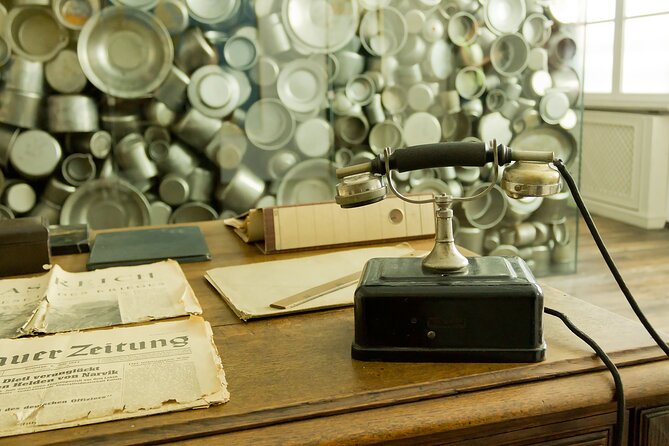
- A hairdresser setting, so you see how even ordinary services were shaped by the era.
- A photographer scene, where imagery and identity matter in a time of control.
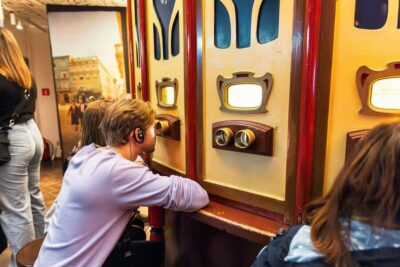
- An authentic photoplasticon element, designed to make you pause and think about representation and propaganda.
- A transition point that uses a tram setup, with film views shown through windows as you move between sections.
These scenes are valuable because they help you understand WWII not as a distant headline, but as daily experience. When you see a place that looks like it belongs to life, you feel the contrast more sharply when the occupation story takes over.
If you’re the kind of visitor who likes to understand mechanisms, these stops are also practical. They give you concrete hooks you can later connect to what you read in Krakow’s broader WWII resources.
Below are the other Krakow trips we have logged
- From Krakow: Auschwitz-Birkenau Guided Tour & Hotel Pickup★ 4.5 · 33,358 reviews
- From Krakow: Auschwitz-Birkenau Guided Tour & Hotel Pickup★ 4.5 · 29,340 reviews
- Krakow: Auschwitz Guided Tour with Optional Hotel Pickup★ 4.5 · 15,280 reviews
- Krakow: Auschwitz-Birkenau Guided Tour with Pickup & Lunch★ 4.5 · 9,800 reviews
- Krakow: Auschwitz-Birkenau Guided Tour Pickup/Lunch Options★ 4.5 · 9,057 reviews
The tram and multimedia moments: getting the timeline straight
A tram stop may sound like a strange museum trick, but it works here because it signals a shift from one type of story room to another. You’ll get onto the tram-like area where, through windows, you’ll see a film about the life of the city.
This helps you do two things fast:
- Put the story into motion, instead of treating every room like an isolated exhibit.
- Understand how the city’s rhythm changes across time, rather than only seeing static photos and texts.
The tour also uses modern multimedia in a way that supports the guide’s explanation. You’re not just watching screens. You’re using the visuals as prompts for what the guide is telling you about the people caught in those systems.
If you’re sensitive to intense historical material, this is the kind of experience where you might want to go in with a little time to settle your thoughts afterward. The pacing is designed to keep you engaged, but the content is heavy.
The ghetto section: a Jewish apartment and the reality of confinement
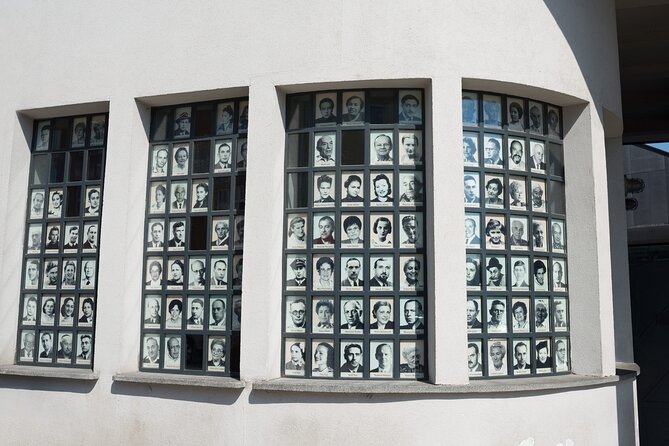
One of the most powerful parts of the exhibition route is the segment that brings you into the ghetto setting. You’ll move through a narrow labyrinth area with a Jewish apartment included in the staging.
This is where the tour’s concept becomes crystal clear. The museum isn’t only telling you facts. It’s showing you what it felt like to exist inside a constrained space, with the help of multimedia and guided context.
This section is also a place to slow down mentally. Let the scale of the spaces, the details of the apartment staging, and the guide’s explanation work together. The apartment piece is especially effective because it reminds you that families had routines and personal life even while those routines were being suffocated.
If you’re visiting with someone who gets emotional quickly, decide beforehand how you’ll handle that moment. You can always take a step back and let the group continue briefly, then rejoin when you’re ready.
Płaszów camp connection: how the route moves forward
After the ghetto portion, the route continues to the camp in Płaszów. The goal here is not only to end on a grim note. It’s to show progression: what came after the ghetto and how the story of Krakow’s residents moved into the camp system.
In a guided format, this part tends to land best because the guide can connect earlier themes to what happens next. When you understand the path rather than only the end, you get clearer about the larger historical logic at work.
This is also where some visitors adjust their expectations. If you expected a museum focused mainly on the factory itself, you’ll realize that the factory is the stage for the broader occupation story. That’s not a problem, but it is the key tradeoff.
Price and value: is $45.38 for 90 minutes worth it?
At about $45.38 per person for roughly 1 hour 30 minutes, the price is in the mid-range for a major museum with guidance. The value equation is pretty straightforward: you’re paying for a focused route, a guide who helps you interpret what you’re seeing, and admission included in the tour length.
For me, this kind of ticket is worth it if you want structure and meaning fast. You’re getting a guided storyline tied to major themed spaces, and you’re not spending your time figuring out how to connect rooms on your own.
It’s less of a slam dunk if you’re a museum sprinter. If you prefer to wander and read everything without a planned route, you might find better value by doing a self-guided entry. But if you’re trying to understand what matters most, the guide is doing real work for you.
One more practical note: this tour is often booked about 29 days in advance on average. That doesn’t mean you can’t find availability later, but it’s a good sign that the experience is popular. If you’re going at a busy time, lock in your date sooner rather than later.
Who this tour suits best (and who might feel let down)
This tour suits you if you want a guided, structured way to understand how Krakow’s occupation affected Polish and Jewish residents during WWII. It also fits well if you appreciate museum storytelling that uses spaces, themed set pieces, and multimedia prompts.
It might not fit you as well if you expected a typical industrial visit. The museum is not biographical, and it’s not positioned as a factory machines and worker-focused tour. You’ll get occupation history first, Schindler context second.
It also helps if you’re comfortable with emotionally intense material. This is history about persecution and confinement, staged to make you feel the reality, not just read about it.
Practical tips for a smooth visit
Plan for a 1 hour 30 minute experience that moves steadily from stop to stop inside the museum complex. Wear comfortable shoes, because you’ll be walking along cobbled streets as part of the route.
If you can, arrive with a quick mental anchor:
- You are in a WWII occupation narrative exhibit.
- Schindler is part of the larger story, but the museum focus is the city and its residents.
- Multimedia scenes are included, so you should be ready for guided transitions.
Finally, take advantage of the small-group nature. If anything feels confusing, ask. The best time to clarify is when the guide is standing right there and you’re looking at the same scene.
Should you book Schindler’s Factory Small-Group Guided Tour?
Book this tour if you want a guided, structured way to understand Kraków under Nazi Occupation 1939-1945 with a small group and admission included. The themed rooms, tram and multimedia transitions, and the ghetto plus Płaszów route create a clear storyline that many visitors find hard to recreate on your own.
Skip it, or at least adjust expectations, if your top priority is a factory-operator view of machinery and labor. This experience is built around occupation history and its human impact, with Schindler context woven in rather than replaced by it.
FAQ
How long is the Schindler’s Factory small-group guided tour in Krakow?
It lasts about 1 hour 30 minutes.
What does the tour ticket include?
Admission is included in the tour.
Where do I meet for the tour?
The meeting point is Lipowa 4, 32-051 Kraków, Poland, and the tour ends back at the meeting point.
How big is the group?
The tour has a maximum of 25 travelers.
Are children allowed on this tour?
Children must be accompanied by an adult.
What is the cancellation policy?
You can cancel for free up to 24 hours before the experience starts for a full refund. If you cancel less than 24 hours before, you will not receive a refund.
More Tours in Krakow

More Tour Reviews in Krakow
The Schindler Factory, Other Ways In

Recently written up around Krakow
More Oskar Schindler Factory Tours.
 ★ 4.2Oskar Schindler’s Factory Entry Ticket & Guided TourFrom $353,793 reviews
 ★ 4.5Schindler’s Factory Tour with Entrance TicketFrom $493,182 reviews
 ★ 4.4Schindler’s Factory Skip-the-Line TicketFrom $253,105 reviews
★ 4.6Schindler’s Factory Tour with Entrance TicketFrom $401,737 reviews
 ★ 4.5Schindler’s Factory in Krakow: Guided Tour & Skip the Line TicketFrom $351,714 reviews
 ★ 4.7Schindler’s Factory & Ghetto Guided TourFrom $571,694 reviews
 ★ 4.3Schindler’s Factory Ticket with Guided Tour OptionFrom $421,485 reviews
 ★ 4.0Krakow Schindler’s Factory Guided Tour with Admission TicketFrom $351,156 reviews
Also on these Poland lists