
REVIEW · WARSAW CITY TOURS
Warsaw: 4-Hour Polish Food Tour
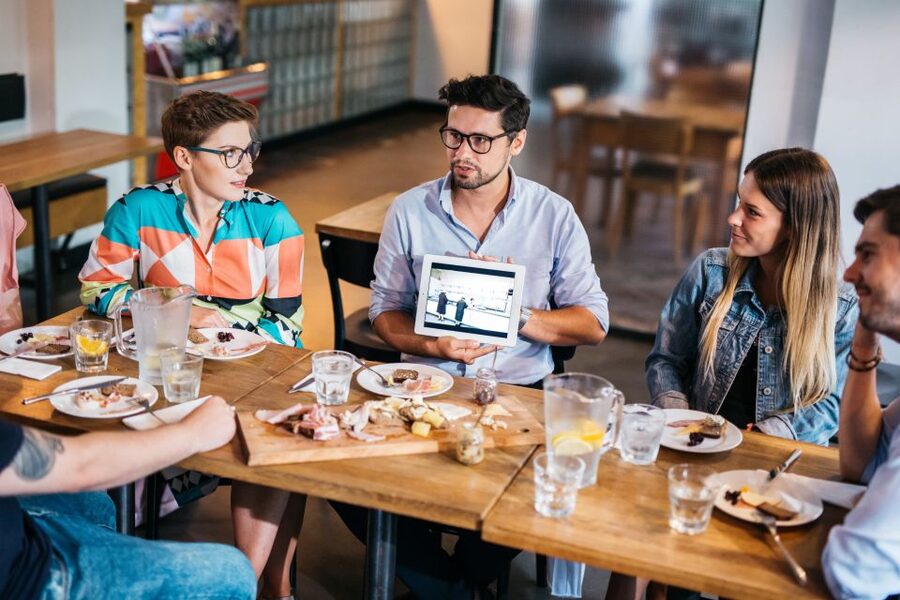
Pierogi are only the start. This 4-hour Warsaw food tour turns Polish comfort food into a guided story, with 4-6 stops and a real “sit down dinner” feel. You learn what pierogi, gołąbki, and schabowy actually are, plus why locals complain about bread and sometimes even romanticize food from the 1970s.
I like how the tour doesn’t just feed you, it teaches you. The Polish cheese tastings make the country’s flavors make sense, and the pacing means you end up with the equivalent of a full meal plus dessert without feeling like you’re rushing.
One thing to flag: Polish cuisine here is heavily pork-based, so if you’re vegetarian you may struggle to find suitable dishes across the stops.
In This Review
- Key things to know before you go
- Meeting Point: Charles de Gaulle roundabout, then food walks begin
- What you’ll eat: pierogi, gołąbki, schabowy, and more than dumplings
- Bread, coffee, and 1970s food: the stories that make the meal click
- The cheese stops: where Polish flavor range shows up fast
- The classic dinner arc: soup, mains, and that Warsaw dessert with a bridge story
- Drinks pairing: three Polish drinks, plus options for non-alcohol
- The walking portion: how to pace yourself without missing bites
- Guides make it: Michas, Michal, Anna, Ana, and Agata set the tone
- Price and value: is $115 worth it?
- Who should book this tour, and who might skip it
- Should you book? My decision guide for Warsaw food fans
Key things to know before you go
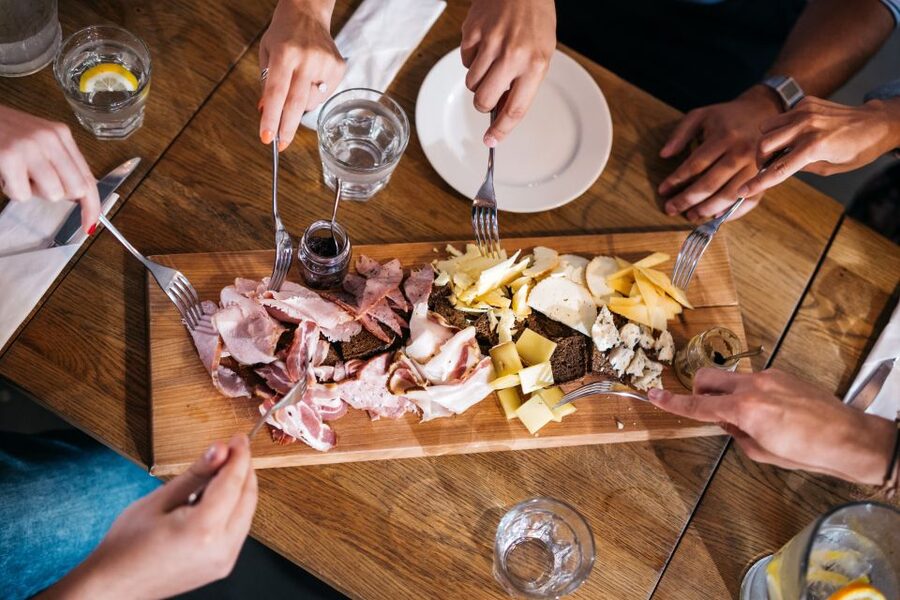
- A full meal in 4 hours with about 10 tasting plates, including starter, soup, main courses, and dessert
- 4-6 carefully chosen establishments that can mix sit-down and street-food style bites
- Classic dishes with context: pierogi, gołąbki, and schabowy, plus the stories behind the choices
- Cheese tasting is a centerpiece, not a side note
- Small group size (max 8), so you actually get time for questions and chat
Warsaw rebuilt itself twice over. Here is how else we saw it
- Warsaw: Chopin Concert in the Old Town
★ 4.8 · 2,287 reviews - Warsaw: Traditional Galar Cruise on The Vistula River
★ 4.6 · 1,640 reviews - Warsaw: Old Town Highlights Walking Tour in English
★ 4.7 · 1,516 reviews - Warsaw Concert: Chopin – Painted by Candlelights with Wine
★ 4.8 · 1,442 reviews
Meeting Point: Charles de Gaulle roundabout, then food walks begin
Your tour starts at 1:00 PM at the Charles de Gaulle roundabout in Warsaw (the one with a big palm tree in the middle). Your guide will wait in the green square just off the roundabout, next to the monument of a woman holding a wounded soldier on her lap, at the corner of Nowy Świat, Smolna, and Al. Jerozolimskie.
Because this is a walking food experience, I treat meeting points as part of the fun. You are setting yourself up to move through central streets with purpose, not wandering around trying to match your hunger to whatever restaurant looks right.
The small-group cap of 8 participants also matters. You’ll get less of the “herding cats” vibe that can happen on bigger tours, and it’s easier for a guide to adjust pace if you’re slower or have questions.
What you’ll eat: pierogi, gołąbki, schabowy, and more than dumplings
Yes, pierogi are part of it. But the tour is built to help you move beyond the generic “dumpling” label you’ll see in English-language menus.
Here’s what you should be ready for, based on what the tour specifically teaches you:
- You’ll learn what pierogi are, so you know how they’re treated as a comfort food, not just a snack.
- You’ll learn what gołąbki are, a classic Polish dish you’ll likely see as part of the traditional dinner picture.
- You’ll learn what schabowy is, so the breaded pork cutlet style makes sense in Polish eating culture.
That “learn what it is” piece is surprisingly useful on your own later. After a tour like this, you can walk into a Polish restaurant and decode the menu faster, including the language and the typical meal order.
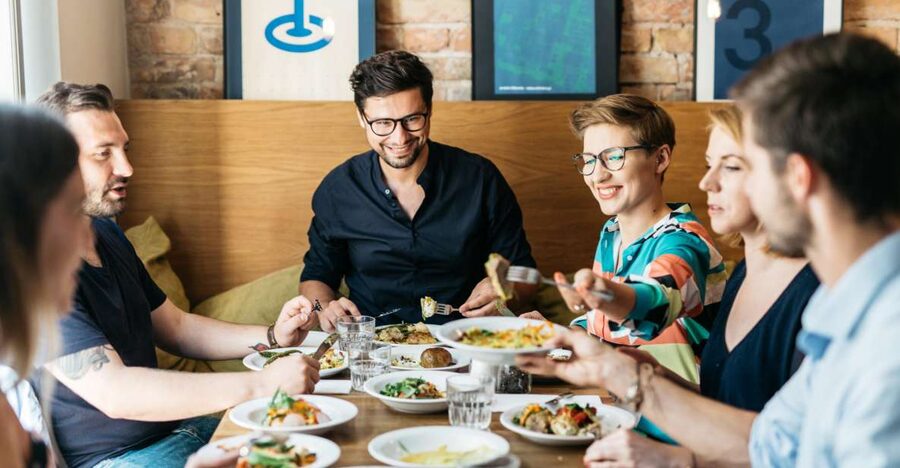
And this is not just one “main dish” in a loop. The tour aims for the equivalent of a full meal with about 10 tasting plates, including starters, appetizers, soups, main courses, and dessert. In other words, you’re not collecting samples for a vague foodie buzz. You are eating a structured dinner, one course at a time.
Bread, coffee, and 1970s food: the stories that make the meal click
This tour has a clever theme running through it: Polish food is tied to everyday habits and local opinions, not just tradition.
You’ll hear why Poles complain about the quality of bread. That might sound like a small detail, but it shapes how a meal feels. In a place where bread sits at the center of the table, people notice when it disappoints.
You’ll also hear why some people long for food produced in the 1970s. That’s not a marketing hook, it’s a window into how tastes shift over time and how people judge what’s “real” or “better” in hindsight.
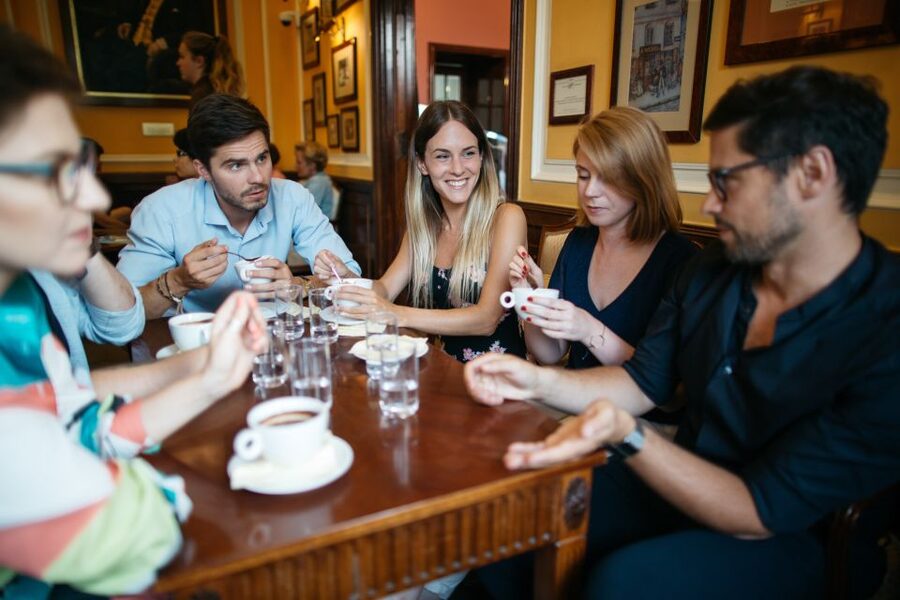
And one more useful bit of local culture: you can’t always trust an invitation for a cup of coffee. In Polish hospitality, a casual invite often means it’s not just coffee. It can become a whole small social event with food and lingering conversation. The guide’s framing helps you understand why that happens and how it fits into meals across the day.
The cheese stops: where Polish flavor range shows up fast
If you want a high-impact part of the tour, make space for the cheese tastings. The experience explicitly includes trying a variety of Polish cheeses, and that is one of the highlights.
Why this matters: Polish food can sound narrow if you only focus on famous dumplings. But cheeses change the flavor map quickly. You start noticing how Polish dairy traditions show up across softness, saltiness, tang, and how cheeses work alongside bread, meats, and pickled-style accompaniments that often appear in Polish meals.
In a tour format, cheese is also practical. It’s easy to taste, easy to compare, and you can learn the basic “how to think about it” in real time. Then, later in the trip, you can order with more confidence because you’ve already trained your palate.
Still hungry? The rest of our Warsaw eating
- Warsaw’s No 1 cooking class-Polish dumplings with liqueur tasting★ 5.0 · 576 reviews
- Half-Day Polish Food Walking Tour with Guide and Dinner★ 4.5 · 381 reviews
- Warsaw Food Tasting Tour with Delicious Poland★ 5.0 · 277 reviews
- Warsaw: Polish Food Tour★ 4.1 · 216 reviews
- Warsaw: Polish Dumplings Cooking Class★ 4.8 · 151 reviews
The classic dinner arc: soup, mains, and that Warsaw dessert with a bridge story
This tour is designed around a dinner arc, not random “one-bite” stops.
Expect the tasting plates to cover:
- Starters and appetizers early on, the kind of bites that set the stage and wake up your appetite.
- Soup as part of the sequence, which fits the Polish comfort-food role food plays in cooler seasons and evenings.
- Main courses, where the tour’s core dish lessons come to life.
- Dessert, served as part of the same full-meal approach.
One highlight is that you’ll learn how a traditional Warsaw dessert has to do with a bridge. That kind of story is exactly what makes a food tour more than eating on autopilot. It turns dessert into local geography and local memory, so you remember it after the last spoonful.
Practical note: the tour is built around serving big enough portions that you feel it. The experience is very clear about the Polish host idea that meals come with a generous hand. So I strongly suggest you eat like a professional dumpling athlete: skip lunch. The tour can be an equivalent of a full meal plus dessert, and you will do some walking, but you still want your stomach to have room.
Drinks pairing: three Polish drinks, plus options for non-alcohol
If you choose the option with pairing, you’ll get 3 Polish drinks pairing as part of the experience. You’ll also have water in most venues, which is a small but welcome detail when you’re moving between establishments.
Two good things to know for planning:
- There are non-alcoholic options, so this isn’t strictly a beer-and-liquor kind of tour. The tour data even notes minors can welcome with the non-alcoholic option.
- Since additional drinks are not included, you’ll have a clear budget unless you decide to keep going after the pairing part.
This setup usually works well because it keeps the experience focused. You’re tasting with a purpose rather than turning the meal into an open-ended drinks spree.
The walking portion: how to pace yourself without missing bites
The tour is 4 hours long and includes walking between 4-6 establishments. That walking is not extreme, but it is enough to make your shoes matter.
Here’s my practical rule for tours like this: dress for “comfortable all-afternoon walking,” not for photos. You’ll be upright and moving often enough that blister risk is real if your footwear is wrong.
Also, go in with a mindset shift. You’re not trying to be a light eater. You’re going to eat a lot, then walk it off just enough so you don’t feel miserable.
Guides make it: Michas, Michal, Anna, Ana, and Agata set the tone
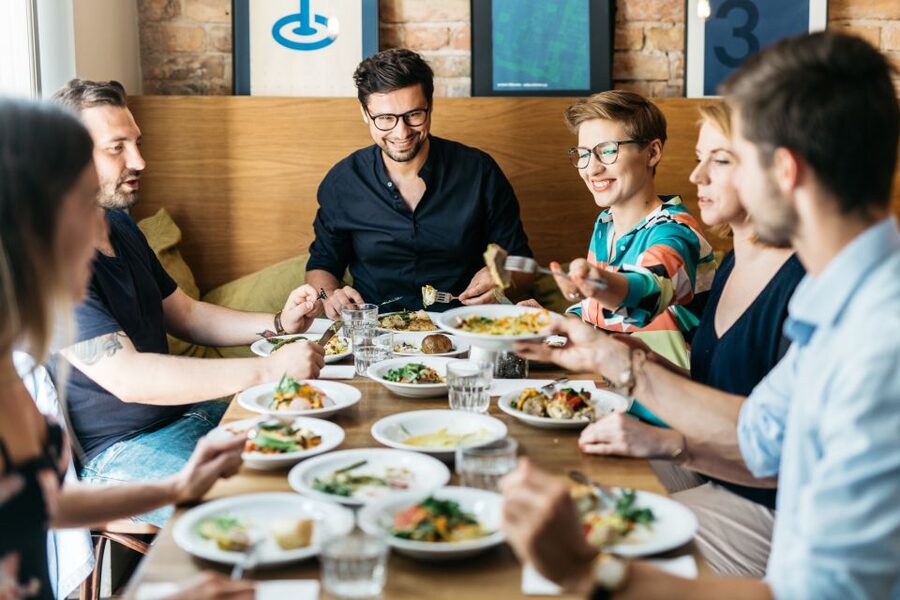
The biggest difference between an okay food tour and a great one is the guide. Here, that seems to be a strength.
I’ve seen guides named in positive experiences like Michas, Michal, Anna, Ana, and Agata. Across the same theme, guides are described as energetic, engaging, patient, and passionate about both food and the wider context around it.
That matters because the tour isn’t only about listing dishes. It’s about making sense of Polish food culture. If the guide is lively, you’ll remember the bridge story, the bread complaint, and the coffee expectation. If the guide is dull, those details turn into random trivia.
The good news: the guide format is live, English, and focused on small-group conversation. That’s ideal for asking questions if something tastes new to you.
Price and value: is $115 worth it?
At $115 per person for a 4-hour, small-group tour, the price can feel steep at first glance. But value comes from what you actually get.
Here’s what you’re paying for:
- About 10 tasting plates, including soup and dessert, not just a few snacks
- Bilingual guide
- Water in most venues
- Optional 3 drink pairings (if you pick that option)
- A written summary with tips on places to go next
If you compare that to paying for a full meal plus dessert plus multiple additional drinks on your own, the pricing starts looking more like a structured “food curriculum” than a simple tasting.
Still, it’s fair to admit there’s one drawback some people might feel: the tour includes a dish that can be similar to schnitzel-style options you might find elsewhere. If you want only food that is totally unfamiliar, you might wish for even more Poland-specific variety.
For most people though, the combination of multiple courses, cheese tastings, and cultural stories tends to justify the cost.
Who should book this tour, and who might skip it
This tour fits best if you:
- Want a high-satisfaction eating experience where you leave full, not snack-happy
- Like learning what you’re eating and how locals think about it
- Are okay with the idea of pork-heavy Polish cuisine
- Prefer a small group with a lively guide
You might skip it or choose carefully if you:
- Are vegetarian, since the tour notes Polish cuisine is based on pork and many dishes served won’t be suitable
- Have strict dietary needs beyond what the guide can adjust for, since you’ll need to advise of allergies so the menu can be adapted
If you do have allergies, tell the guide in advance. The tour data specifically says the menu can be adjusted when you share your needs.
Should you book? My decision guide for Warsaw food fans
I think you should book this tour if you want the quickest path to understanding Polish food in real life, not just from restaurant menus. The strongest selling points are the full-meal structure, the cheese tastings, and the way the guide connects dishes to local habits like bread opinions and hospitality surprises.
If you are vegetarian, I would be cautious. The pork-based nature is explicit, and you may not get the variety you’re hoping for.
If you want to try Poland’s classics like pierogi, gołąbki, and schabowy in a focused, guided way, this is one of the most efficient ways to do it in a short time. Just do your part: wear comfortable shoes, eat breakfast only, and go hungry on purpose.
More Tour Reviews in Warsaw


Eating Our Way Through Warsaw, Continued

Warsaw, Keep Looking
Recently written up around Warsaw

More Warsaw City Tours.
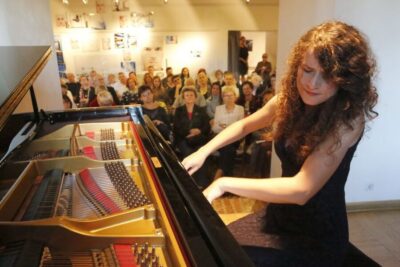 ★ 4.8Chopin Concert in the Old TownFrom $262,287 reviews
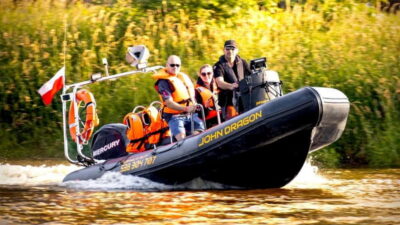
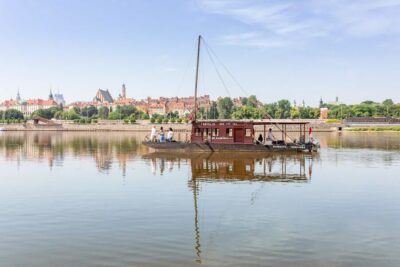 ★ 4.6Traditional Galar Cruise on The Vistula RiverFrom $201,640 reviews
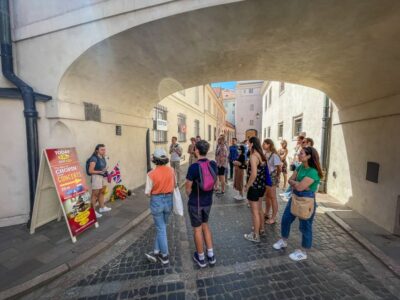 ★ 4.7Old Town Highlights Walking Tour in EnglishFrom $261,516 reviews
 ★ 4.8Warsaw Concert: Chopin – Painted by Candlelights with WineFrom $251,442 reviews
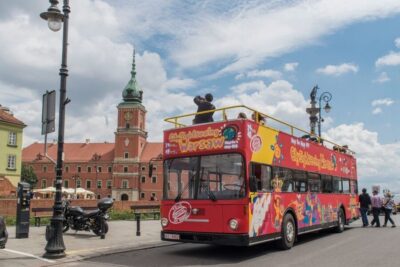 ★ 3.6City Sightseeing Hop-On Hop-Off Bus TourFrom $411,415 reviews
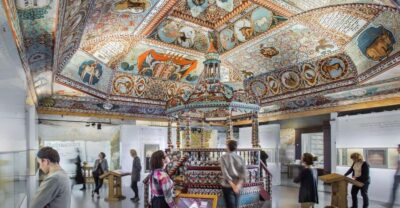 ★ 4.7POLIN Museum of the History of Polish Jews TicketFrom $121,142 reviews
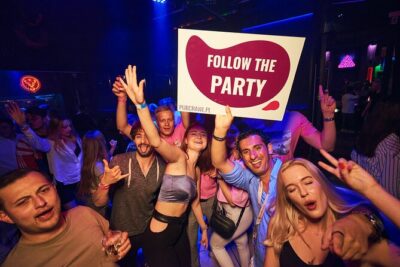 ★ 5.0#1 Pub Crawl Warsaw with Optional Premium 1 Hour Open BarFrom $28790 reviews
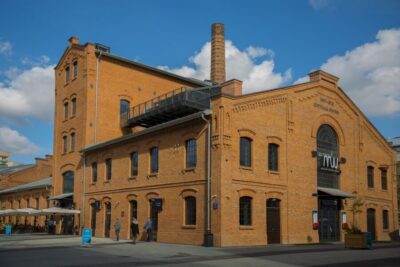 ★ 4.6Polish Vodka Museum Tour with TastingFrom $22788 reviews
Also on these Poland lists