

REVIEW · GDANSK OLD TOWN TOURS
Artus Court and Gdansk Old Town Private Tour with Tickets
Gdansk’s merchant legends are written in stone. This private walk pairs the story of medieval trade with a ticketed visit to Artus Court (Dwor Artusa), plus the Old Town sights like Long Market and St. Mary’s Church. You get a guide who can set the pace to your questions, not the other way around.
I love the way this tour makes the city feel like it had a job to do. You connect the dots between the wealthy merchant world in Artus Court and what you see outside on the Royal Route, including places like Piwna Street and the Neptune Fountain area. I also like that it is not only big-name stops, you get pointers to the smaller stories too, including urban legend details and local customs.
One thing to consider: access can change. There is at least one real-world example of the Cour d’Artus being closed, so it is worth checking any day-before email updates and being ready for the guide to adjust the flow if needed.
In This Review
- Key highlights you should care about
- Artus Court, Dwor Artusa, and why it sits at the center of Gdansk
- Meeting under the High Gate: how the 2-hour private format works
- The Long Market and Main Market Square: where the postcard turns into a story
- St. Mary’s Church and Town Hall: the landmark stops that matter for merchants
- Piwna Street, Cranz, and the city texture between the big sights
- Artus Court from outside to inside: what your guide will show you
- Legends, Polish traditions, and how the guide stitches it together
- Tickets included, so you get the important part of the building
- Price and value: what $124 per person buys you in Gdansk
- Who should book this tour, and who might skip it
- Should you book the Artus Court and Gdansk Old Town Private Tour with Tickets?
- FAQ
- How long is the tour?
- Where do we meet the guide?
- Is the Artus Court ticket included?
- Is this a private tour?
- What languages are available?
- Can I get a refund if I cancel?
Key highlights you should care about

- Artus Court with entrance: you do not just look from outside, you go in.
- A guide-led medieval trade story tied to what you see on the Royal Route.
- Old Town landmarks plus side streets like Piwna Street and the Cranz area.
- Neptune Fountain context so it is more than a photo stop.
- Europe’s biggest tiled stove at Dwor Artusa, 10.64 meters tall and made of 520 tiles.
Gdansk repeats itself well. The other versions we reviewed
- Gdańsk City Sights & History Guided Walking Tour in English
★ 4.8 · 876 reviews - Gdansk: Firearm Shooting Experience with Instructor
★ 4.8 · 866 reviews - Gdansk: Guided Round-Trip Cruise to Westerplatte
★ 4.3 · 865 reviews - Gdańsk: Sightseeing EcoCruise around the Old Town of Gdansk
★ 4.6 · 719 reviews
Artus Court, Dwor Artusa, and why it sits at the center of Gdansk
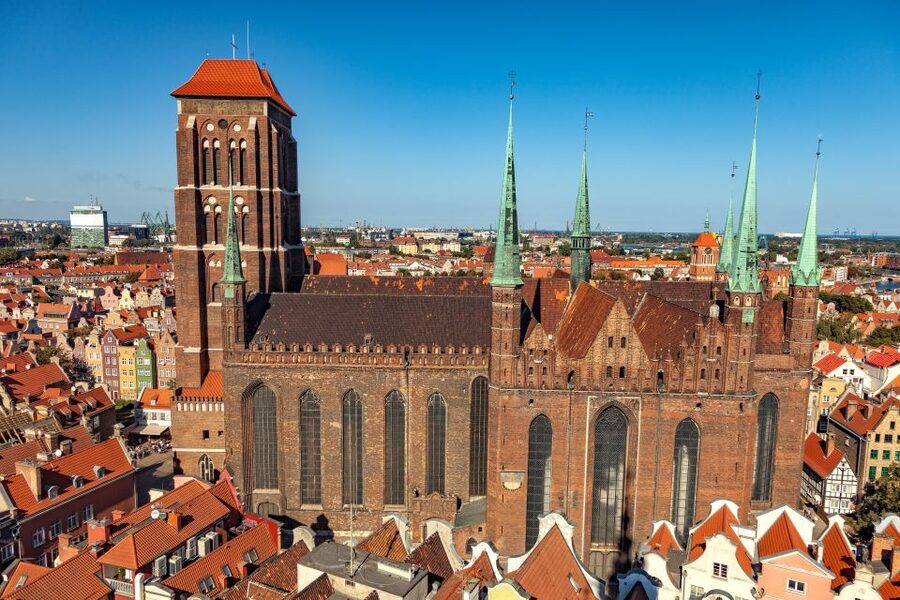
Artus Court is one of those places where the building explains the era. On Gdansk’s Royal Route, it once mattered to wealthy merchants who needed a meeting point that felt official, respectable, and safe. When you walk up, you see the colors and decorative focus, then you step inside and the scale of what they built becomes clear.
Inside is where your guide’s storytelling earns its keep. You learn how the court functioned as a hub for conversations, celebrations, and important visitors. The room with the famous stove is the showstopper, and the numbers are eye-catching, 10.64 meters high, built from 520 richly decorated tiles, described as Europe’s largest tiled stove.
If you like architecture that has a personality, this works. The stove is not decoration for decoration’s sake, it is a signal of taste and power. You start seeing Gdansk as a trading city where style and commerce lived together.
Meeting under the High Gate: how the 2-hour private format works
You meet your guide in front of the tourist information sign under the High Gate, Brama Wyżynna, Wały Jagiellońskie 2A, 80-887 Gdańsk. It is about an 8-minute walk from Gdańsk’s Main Railway Station, so you can plan around train arrival without stress.
This is a private group walking tour, so the experience is built for your pace. The tour runs for about 2 hours, which is a sweet spot in a city like Gdansk where you can lose time just by looking at facades. If you want more story, you can ask for it. If you want more photos, you can steer it.
The guide is licensed and you get it in your language, including Norwegian, Swedish, Spanish, French, Italian, English, German, Polish, Russian. That matters more than you might think, because medieval trade terms and local legend details land better when your guide can explain them in your own voice.
The Long Market and Main Market Square: where the postcard turns into a story

The route takes you through the Old Town’s most central atmosphere, starting with the big square energy and moving into the famous Long Market area. Long Market is the kind of place where you can quickly understand why merchants loved Gdansk. It is a space designed for movement, gathering, and business, and your guide helps you read it like a map.
You also get context around the Royal Route and the kings of Poland you will hear mentioned along the way. Even if you are not chasing royal history as a hobby, it helps to know why certain streets and squares gained importance. It makes the city feel intentional instead of random.
As you move, your guide will point out specific details you might miss on your own. For example, you learn about Neptune Fountain and what it connects to in local storytelling. You might still take the photo, of course, but you will understand what the statue represents in the city’s imagination, not just where it is.
St. Mary’s Church and Town Hall: the landmark stops that matter for merchants
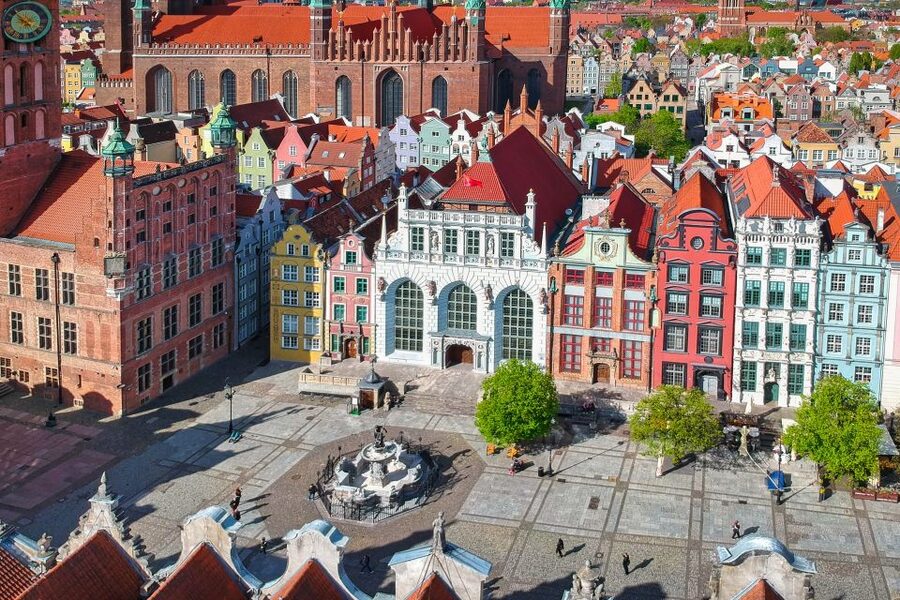
This tour includes time at the major anchor sights you would expect, including St. Mary’s Church and the Town Hall area. Those are not only here for the skyline drama. They also fit the merchant-life theme because they represent communal wealth, civic pride, and the kind of authority a trading city wanted visible.
Your guide’s job is to connect what you are looking at to why people cared. A church in a trading hub is not just religion on a schedule, it is identity, status, and community. A town hall connection is about governance, rules, and the public face of the city that merchants depended on.
A small but smart part of this format is that you do not only get dates and names. You get what to look for while you are standing there, so the landmarks start making sense in real time.
Below are the other Gdansk trips we have logged
- Museum of the Second World War Gdansk Private Tour & Tickets★ 5.0 · 24 reviews
- From Gdansk: Malbork Castle Trip with Ticket and Audio Guide★ 3.9 · 5 reviews
- Gdansk: Oliwa Zoo with Tickets and Roundtrip Transportation★ 5.0 · 3 reviews
Piwna Street, Cranz, and the city texture between the big sights

Gdansk has a way of turning back alleys into chapters. On this walk, you will hear about the Cranz area and you will also spend time around Piwna Street, which is one of the Old Town’s best-known lanes for atmosphere. This is where your guide helps you connect the city’s everyday life with its merchant era.
You can think of these stops as the “in-between” that makes the day feel authentic. The big squares tell you what the city wanted to project, while the smaller streets help you understand how people actually moved, traded, and lived. When your guide shares legend and custom details here, it stops feeling like a museum route.
And yes, you will still get your classic photo angles. But the practical win is that you leave knowing where the stories live, not just where the buildings stand.
Artus Court from outside to inside: what your guide will show you
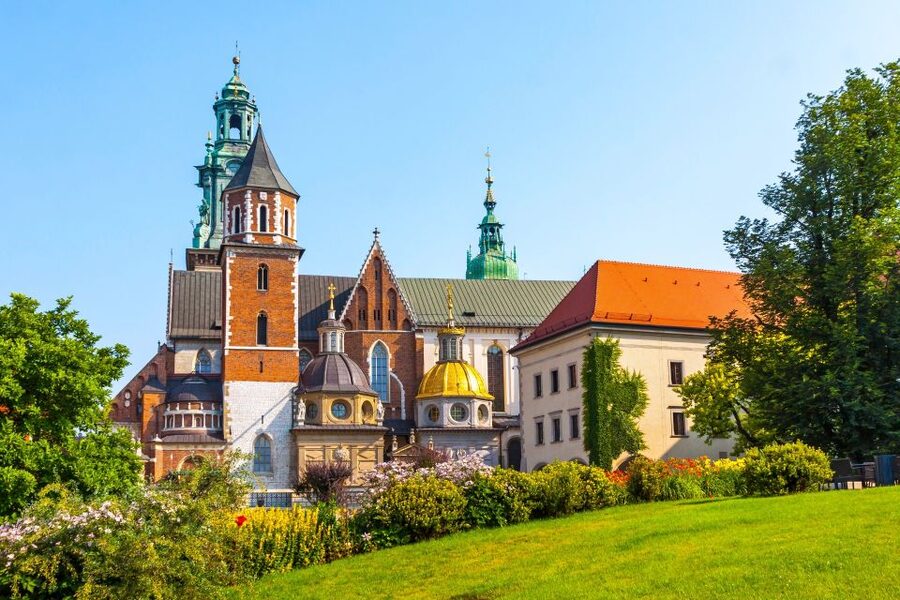
When you finally reach Artus Court, you get a satisfying shift from street level spectacle to interior focus. From outside, the building looks striking and decorative, a perfect match for how important meetings needed to feel. Then you go inside, where your guide ties the place to the role it played for influential visitors and celebrations.
Inside you will see a collection of paintings and photos, which helps you understand how the building has been viewed over time. This is useful even if you are not a deep-history person, because it gives you a way to connect past to present. Instead of only hearing about centuries ago, you get evidence that the building kept its cultural pull.
The major star is the tiled stove. Your guide walks you through what makes it extraordinary, the height and the sheer number of tiles, 520 decorated pieces forming an enormous structure. If you like visual “how did they do that” questions, this will land hard in the best way.
Legends, Polish traditions, and how the guide stitches it together
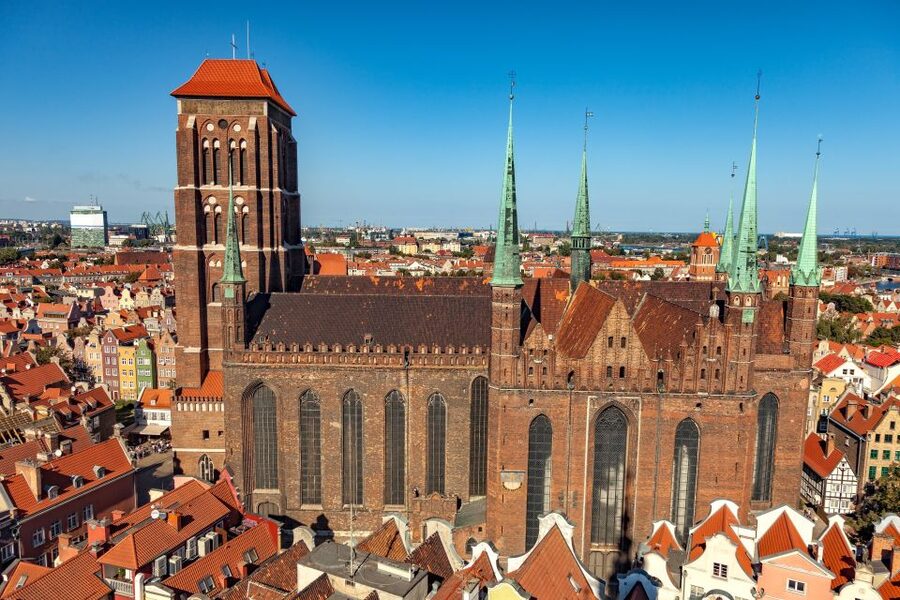
A good Gdansk guide does more than point. They explain what locals believed, what people joked about, and what traditions shaped social life. This tour includes urban legend material and references to Polish customs, so you get a human layer on top of architecture and trade.
One practical reason I like this style: it gives you context you can carry beyond the tour. Afterward, when you see another statue, another street name, or another civic building, you can start asking better questions. Your guide’s explanations help you connect the dots between merchant society, city identity, and the stories told about it.
If you enjoy learning while walking, this is also a good fit because the information comes in manageable chunks. You do not get a lecture. You get moments, and then you move on to the next place that supports the story.
Tickets included, so you get the important part of the building

This tour includes the entrance fee to Artus Court, which is key for value. Without the ticket, you would only get the exterior vibe, and the most memorable feature, the huge tiled stove and the interior spaces, would remain out of reach.
Because the ticket is included, you can structure your expectations around actual time inside. That matters for a two-hour tour, because there is no room for wasted stops. You want your guided time to land where it counts, and that is exactly what the ticketed visit enables.
One more practical note: you will be asked to check your email the day before your tour for important information. Do that. It is the easiest way to avoid last-minute confusion.
Price and value: what $124 per person buys you in Gdansk
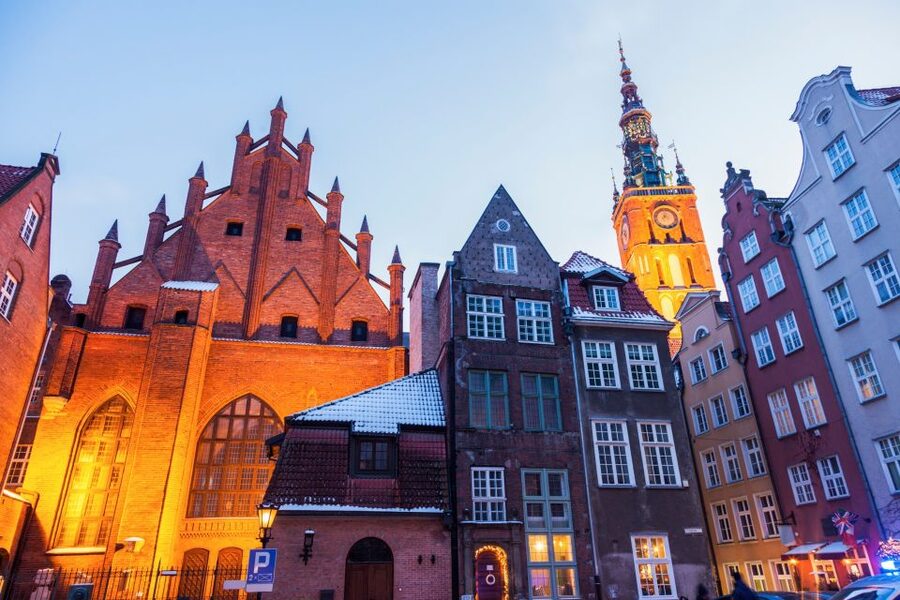
At $124 per person for a two-hour private experience, you are paying for three things: a licensed guide, private pacing, and an entrance ticket to Artus Court. The price can feel steep if you compare it to group walking tours, but the trade-off is comfort and control.
Here is how I judge the value. If you want a generic overview, you can find cheaper options. If you want a guided plan that connects Old Town landmarks to merchant life and then brings you inside Artus Court, this price starts looking fair. You are basically buying a guided interpretation, plus the right to enter the building that makes the whole story click.
Also, language support is included. If you are traveling with a friend or partner who prefers their native language, private format removes friction. That can easily be worth more than the difference between a group and a private tour.
Who should book this tour, and who might skip it
You should book this tour if you like Gdansk as a living story. If you enjoy learning how trade shaped city spaces and you want interpretation for symbols like the Neptune Fountain area, this is a great match.
It also works well if you are short on time. A two-hour private walk can still deliver strong results in a compact Old Town if your guide is efficient with route and stops.
You might consider skipping or pairing it with something else if you are chasing only the biggest architecture at maximum depth. This tour is focused and story-led, not a long, museum-style deep dive into every monument.
Should you book the Artus Court and Gdansk Old Town Private Tour with Tickets?
Book it if you want a tight, guided hit of Gdansk that goes beyond the usual checklist. The combination of Old Town highlights like Long Market and St. Mary’s Church, plus a ticketed visit inside Artus Court with its famous tiled stove, gives you a complete arc. You start with merchant life outside, then you step into the merchant meeting place and see the proof in the details.
Also, the private setup helps. Your guide can adjust tempo to your curiosity, and you can get the explanation in your preferred language from a licensed professional. Just do one practical thing before you go, check your email the day before, because your entry experience depends on day-of access.
If you want a day that feels curated, but still grounded in what is actually in front of you, this one is worth your time.
FAQ
How long is the tour?
The tour is 2 hours.
Where do we meet the guide?
Meet your guide in front of the tourist information sign under the High Gate, Brama Wyżynna, Wały Jagiellońskie 2A, 80-887 Gdańsk.
Is the Artus Court ticket included?
Yes. The entrance fee to Artus’s Court is included.
Is this a private tour?
Yes, it is a private group.
What languages are available?
The live guide is available in Norwegian, Swedish, Spanish, French, Italian, English, German, Polish, and Russian.
Can I get a refund if I cancel?
Free cancellation is available up to 24 hours in advance for a full refund.
More Tours in Gdansk




More Tour Reviews in Gdansk



Gdansk, Three More Ways
Recently written up around Gdansk






More Gdansk Old Town Tours.
 ★ 4.8City Cruise on Historical Polish BoatFrom $222,913 reviews
 ★ 4.9Sunset Cruise on a Historic Polish BoatFrom $26977 reviews
 ★ 4.8Gdańsk City Sights & History Guided Walking Tour in EnglishFrom $26876 reviews
 ★ 4.8Firearm Shooting Experience with InstructorFrom $41866 reviews
 ★ 4.3Guided Round-Trip Cruise to WesterplatteFrom $33865 reviews
 ★ 4.6Sightseeing EcoCruise around the Old Town of GdanskFrom $19719 reviews
 ★ 5.0Main Town Gdańsk Walking TourFrom $26644 reviews
 ★ 5.0Gdansk Pub Crawl with Free DrinksFrom $21553 reviews
Also on these Poland lists