
REVIEW · JEWISH HERITAGE AND GHETTO TOURS
Krakow: Former Concentration Camp Plaszow Guided Tour
Heavy history, handled with care. In Krakow, this guided walk through Plaszow Concentration Camp connects the site’s real wartime story to the filming world of Schindler’s List, with Oskar Schindler at the center of the discussion.
I liked how the tour keeps the focus on the ground you’re standing on, from the camp’s early forced-labor phase to later concentration-camp operations. I also appreciated the respectful stop-and-remember moments at the memorial areas, plus the chance to see the Spielberg-directed replica built at Liban Quarry about a hundred meters away. One consideration, though: this is outdoors and emotionally heavy, so plan on slow walking and bring weather-appropriate clothing.
In This Review
- Key Things to Know Before You Go
- Why Plaszow Changes How You Watch Schindler’s List
- Meeting Point at Apteka Pod Orlem, and How the 2 Hours Play Out
- From Forced Labor Camp to Concentration Camp: The Timeline You’ll Actually Remember
- Camp Life on the Ground: Quarry Work and Military Factories
- Memorials in Plaszow: How to Pay Respect Without Turning Away
- Oskar Schindler and the Spielberg Film Link You Can See
- A Quick Word on Emotion and Pacing
- Price and Value: Why $23 Can Be a Bargain Here
- Who This Tour Is Best For
- Practical Tips for a Tough, Outdoor Site
- Should You Book This Krakow Plaszow Guided Tour?
- FAQ
- How long is the Plaszow guided tour in Krakow?
- What language is the tour guide?
- Where does the tour start?
- How do I find the guide at the meeting point?
- Where does the tour end?
- Is the tour price $23 per person?
- Is a licensed guide included?
- Are tram tickets included in the tour?
- What will I see besides the camp grounds?
- What should I bring, and what is the cancellation policy?
Key Things to Know Before You Go
- A guided, licensed walk that turns an outdoor site into a clear, chronological story
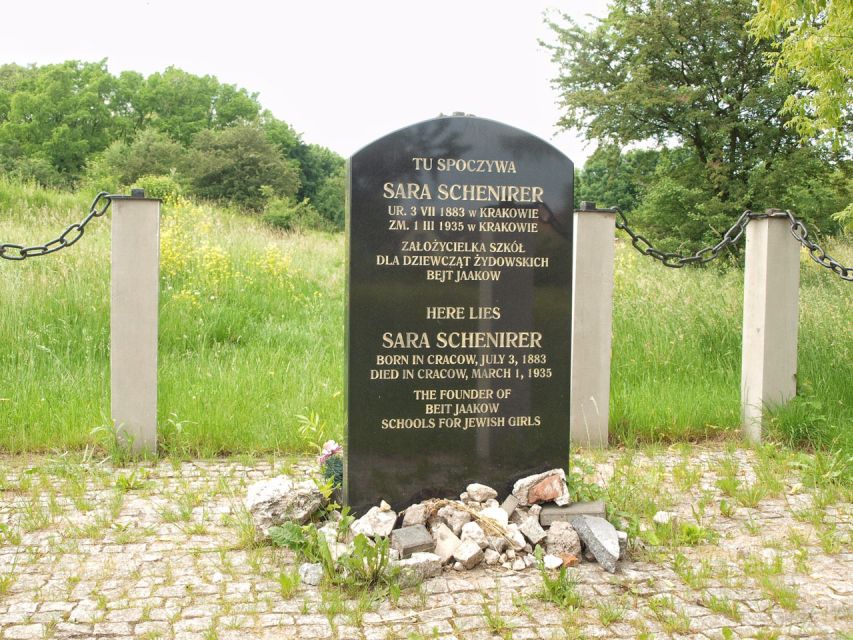
- Memorials and ruins placed where the camp’s human impact is impossible to ignore
- Forced labor to concentration camp timeline, from 1940 to 1941 and beyond
- Quarry and factory work explained as part of how Nazi control functioned locally
- Schindler’s List context tied directly to Oskar Schindler and where the movie was filmed
- Liban Quarry replica nearby, so the film connection has real geography
Further Jewish heritage and ghetto routes documented in Krakow
- Krakow: Schindler’s Factory & Ghetto Guided Tour
★ 4.7 · 1,694 reviews - Krakow: Jewish Quarter and Former Ghetto Tour
★ 4.9 · 1,441 reviews - Krakow: Bike Tour of Old Town, Jewish Quarter and the Ghetto
★ 4.9 · 1,155 reviews - Krakow: Kazimierz, Schindler’s Factory & Ghetto Guided Tour
★ 4.8 · 460 reviews
Why Plaszow Changes How You Watch Schindler’s List
Plaszow is one of those places where movie memories and real history collide in your mind. The point of this tour is not just to say what happened, but to show you where it happened and how the camp developed. When you connect the timeline to the physical layout, the story stops feeling like distant textbook content.
I found the Schindler angle especially useful because it gives you a human reference point. You learn about Oskar Schindler and how the camp was portrayed in the 1993 film Schindler’s List, then you get the local links that make the movie geography feel grounded. For many people, that combination helps the emotional weight land in a clearer way.
You also learn how Nazi rule played out in the area, including the deportation of Jews from the Krakow ghetto beginning in 1942. That detail matters, because it turns Plaszow from a single-site tragedy into part of a larger system of persecution and displacement.
Meeting Point at Apteka Pod Orlem, and How the 2 Hours Play Out
This tour is timed to move at a thoughtful pace, and it’s built around a short walking circuit. It starts at the entrance of Apteka Pod Orlem, and you should look for the guide with the excursions.city sign. It ends back at the same meeting point.
Because the duration is two hours, the guide’s job is to make key areas understandable without turning the visit into a sprint. You’ll likely spend most of that time moving between parts of the former camp grounds, plus stopping at memorial points. That matters because Plaszow is not a tidy museum with one perfect viewpoint, it is an outdoor site where context is everything.
One practical heads-up: tram tickets are not included. If you plan to arrive by public transport, build in time to sort that out before the start time.
From Forced Labor Camp to Concentration Camp: The Timeline You’ll Actually Remember
The site’s story begins in 1940, when the area opened as a forced labor camp. Then, in 1941, it was converted into a concentration camp. Your guide’s explanation of this shift is one of the most valuable parts of the tour, because it shows how the Nazi approach tightened over time.
What I like about hearing this timeline out loud is that you can map it onto what you see. The guide frames the camp as an evolving system rather than a single static event. You learn how forced labor set the stage and how the concentration-camp structure followed, with far worse implications for those trapped there.
The tour also brings in the broader Krakow context. You’ll understand how deportations from the Krakow ghetto began in 1942, and how that fed the camp’s role in the region. That gives the visit a sharper edge, because you’re not just looking at ruins, you’re connecting them to the flow of people and decisions that led there.
Camp Life on the Ground: Quarry Work and Military Factories
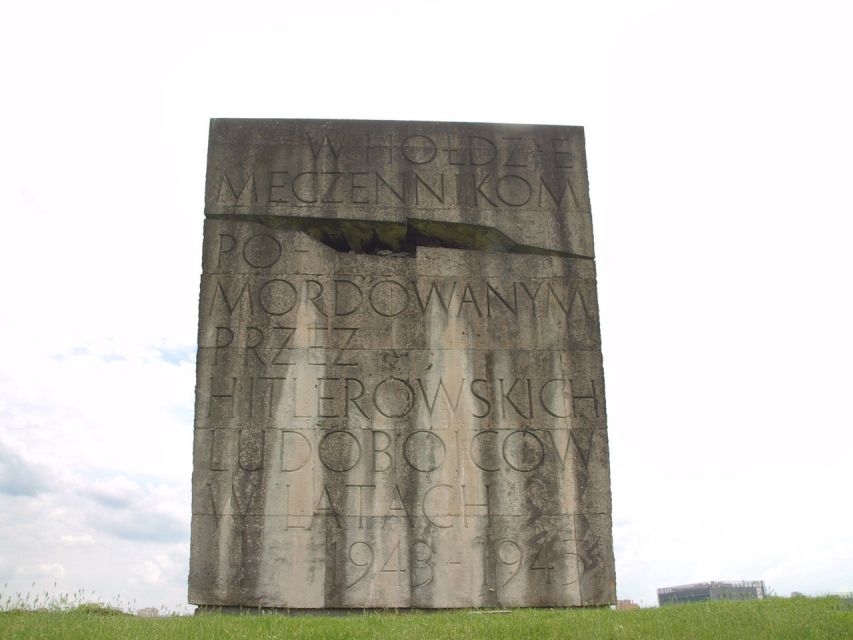
Plaszow is strongly tied to labor. In this tour you’ll see and discuss different parts of the camp and hear about intensive work at the quarry and military factories. This is not presented as an abstract detail, it’s explained as the mechanism Nazi rule used to control, exploit, and destroy.
The quarry connection is especially important for understanding how the camp’s physical setting supported the work. Stone and extraction are heavy, exhausting work, and the tour helps you grasp why the camp’s location mattered. When you can picture the environment and the purpose of it, you understand how everyday suffering was engineered.
Military factories bring in another layer. They connect the camp to production and the war economy, which helps you see the camp as part of a larger machine. Even though the ruins are what you physically encounter, your guide keeps steering you back to what those locations meant for prisoners.
Below are the other Krakow trips we have logged
- From Krakow: Auschwitz-Birkenau Guided Tour & Hotel Pickup★ 4.5 · 33,358 reviews
- From Krakow: Auschwitz-Birkenau Guided Tour & Hotel Pickup★ 4.5 · 29,340 reviews
- Krakow: Auschwitz Guided Tour with Optional Hotel Pickup★ 4.5 · 15,280 reviews
- Krakow: Auschwitz-Birkenau Guided Tour with Pickup & Lunch★ 4.5 · 9,800 reviews
- Krakow: Auschwitz-Birkenau Guided Tour Pickup/Lunch Options★ 4.5 · 9,057 reviews
Memorials in Plaszow: How to Pay Respect Without Turning Away
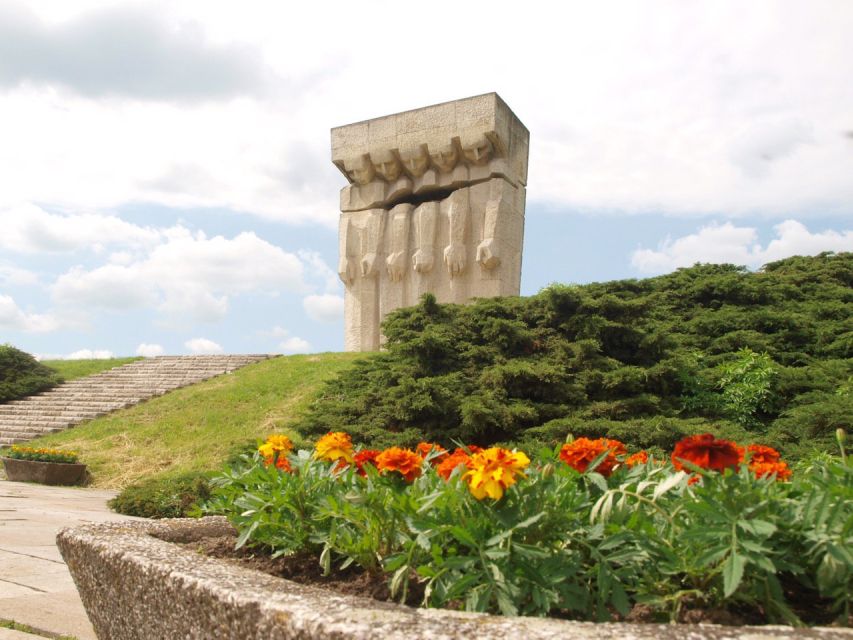
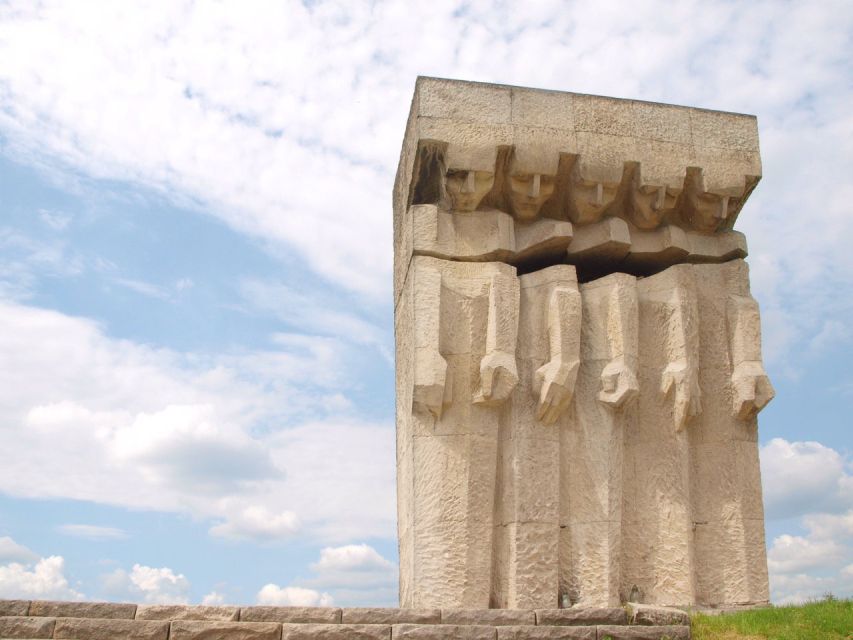
A good site tour does two things at once: it explains and it respects. This one does both, with multiple memorial areas where you pause to remember the victims of the Holocaust at the camp.
I valued that the memorial visits are built into the walk, not tacked on at the end like a checkbox. It’s the kind of structure that encourages the right pace. You’re given context as you approach, so it does not feel like random stops, it feels like a guided sequence of remembrance.
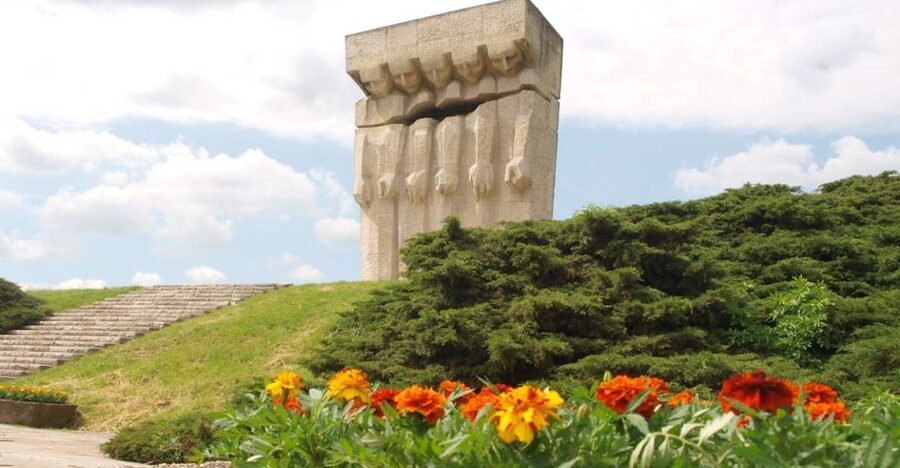
Also, Plaszow today is not a closed-off historical bubble. Some of it feels like a large public space with information boards, memorials, and building ruins. That mix is real, and it can feel strange at first. Having a guide helps you stay anchored so you don’t lose the seriousness of what you’re seeing.
Oskar Schindler and the Spielberg Film Link You Can See
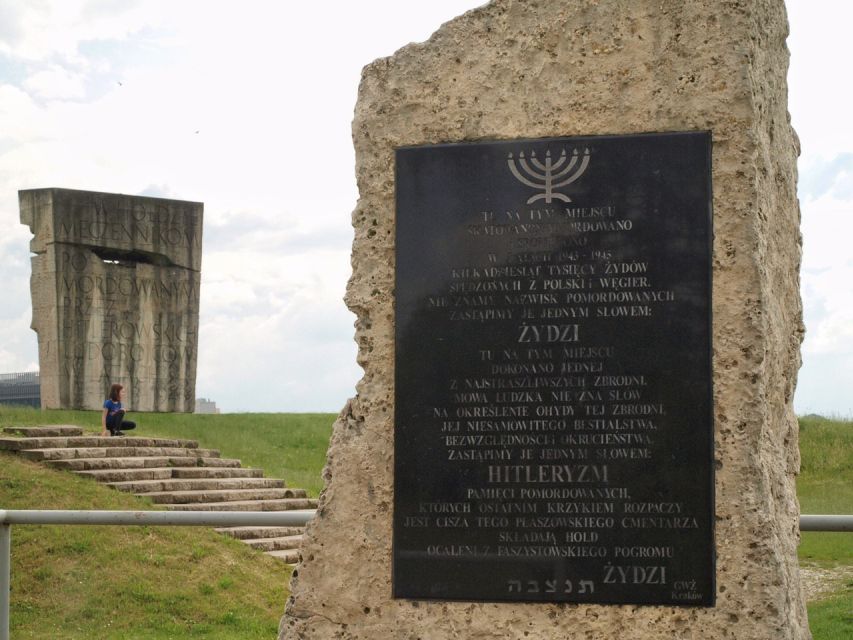
This tour doesn’t treat Schindler’s List as the main story. It uses the movie as a doorway to understand Oskar Schindler and how the camp was portrayed in the 1993 film. For people who already know the movie, this is a strong way to add accuracy and context.
For people who know the topic more broadly, it still works, because the guide ties film references back to the actual location story. You learn about Oskar Schindler’s life and why his name is tied to this chapter of history. Then the tour bridges to the filming connection so you understand where the movie’s world came from.
The best practical payoff is geographic. You visit the replica of the camp built under the direction of Steven Spielberg in Liban Quarry, which is about a hundred meters away. Being able to stand near the replica location gives you a tangible sense of how film-makers translated place into scene.
If you are a movie-watcher, you might notice details because the guide helps you compare the idea of the camp as portrayed with the camp’s real setting. If you are a history-first traveler, you still get value, because the replica stops being entertainment and starts functioning as a signpost for how the story reached the wider public.
A Quick Word on Emotion and Pacing
This is not light tourism. Even if you know the facts, Plaszow is the kind of place that makes you slow down and think differently. Your guide’s approach matters here, and it shows in how the visit is paced and how the memorial stops are handled.
If you get a more personal style, it can also make a difference. I appreciated moments where the guide connected the site’s history to family understanding and personal investment in getting it right. That kind of storytelling does not replace the facts, but it makes them land with more weight.
Group size can vary. Some tours can be small, which often means more room for questions and more personal attention from your guide. Even in a standard group, the two-hour structure keeps things focused.
Price and Value: Why $23 Can Be a Bargain Here
At $23 per person for a two-hour licensed, English-language guided tour, this is priced in the range of a serious history walking experience, not a quick stop-and-snap package. The value comes from three things.
First, you’re getting interpretation, not just access. Plaszow is easier to misunderstand than most visitors expect because the site is spread out and partly outdoors. A guide turns the layout into a story you can follow.
Second, you’re seeing both remembrance and context. Memorials are central here, and you also get the Schindler and Schindler’s List connections, plus the Liban Quarry replica link.
Third, the tour includes the most critical component for this kind of visit, a licensed guide. Tram tickets are not included, but that’s fairly minor compared to what you’re paying for.
If you’re choosing between skipping a guide or paying for one, I would pick the guide. For a site like Plaszow, interpretation is the difference between seeing and understanding.
Who This Tour Is Best For
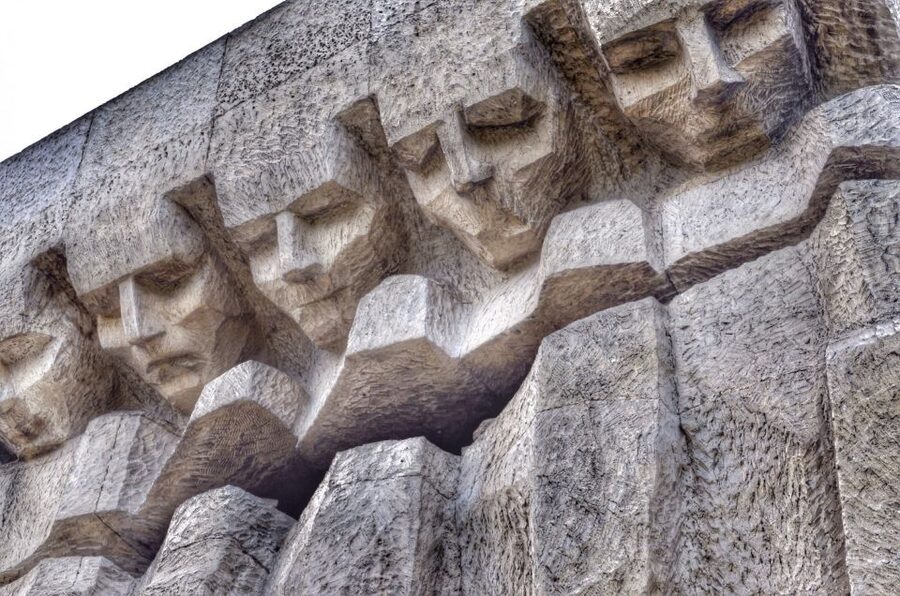
This tour is a strong match if you fall into any of these categories.
- You want a clear, chronological explanation of Plaszow’s development, from 1940 to 1941 and the deportation context beginning in 1942.
- You want the Schindler’s List connection explained without letting the film become the main topic.
- You prefer guided explanation at memorials instead of trying to read everything on your own.
If you’re sensitive to heavy topics and want to handle them at a steady pace, a guided format is often the calmer option because it provides structure. If you dislike walking outdoors or you’re expecting a “quick look,” plan differently. Two hours goes by fast, but the site itself is heavy, and you might want extra time if you are the type who needs silence.
Practical Tips for a Tough, Outdoor Site
The tour provides weather-appropriate clothing guidance, and I agree with it. You’ll be outside, and the memorial and ruin stops mean you’ll likely linger when the guide points out key spots.
Also, keep your expectations realistic. This is not a casual photo walk. You’ll get information, pauses, and remembrance stops built into the visit. If you’re planning other activities the same day, leave breathing room before or after.
Finally, since tram tickets are not included, check your route to the meeting point in advance so you are not stressed when you arrive. Start time matters when you’re meeting a guide at a specific entrance.
Should You Book This Krakow Plaszow Guided Tour?
Yes, I think you should book this if you want more than a self-guided glance. The licensed English guide, the memorial-focused stops, and the way the tour connects forced labor, the concentration-camp shift, Krakow ghetto deportations, and the Schindler’s List storyline give you a complete framework you can carry with you after you leave.
Skip it only if you are looking for a light, purely visual experience, or if you cannot handle emotionally heavy historical content at an outdoor site. For most people visiting Krakow with WWII on the agenda, this is one of the highest value choices you can make, because it turns an unsettling place into a legible, respectful history walk.
FAQ
How long is the Plaszow guided tour in Krakow?
The tour lasts 2 hours.
What language is the tour guide?
The live tour guide offers English.
Where does the tour start?
It starts at the entrance of Apteka Pod Orlem.
How do I find the guide at the meeting point?
Look for the guide with the excursions.city sign.
Where does the tour end?
The activity ends back at the meeting point.
Is the tour price $23 per person?
Yes, the price is listed as $23 per person.
Is a licensed guide included?
Yes. A licensed guide is included.
Are tram tickets included in the tour?
No. Tram tickets are not included.
What will I see besides the camp grounds?
The tour includes visits to memorials and also includes the Schindler and Schindler’s List context, including a replica site built at Liban Quarry.
What should I bring, and what is the cancellation policy?
Bring weather-appropriate clothing. You can cancel up to 24 hours in advance for a full refund, and you can reserve and pay later.
More Tours in Krakow
More Tour Reviews in Krakow
Jewish Heritage and Ghetto Routes in Krakow

Recently written up around Krakow
More Jewish Heritage and Ghetto Tours.
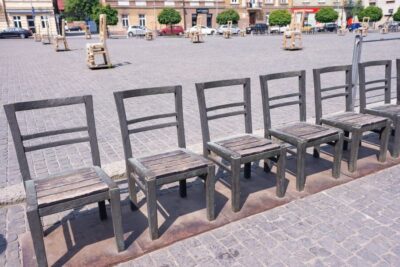 ★ 4.7Schindler’s Factory & Ghetto Guided TourFrom $571,694 reviews
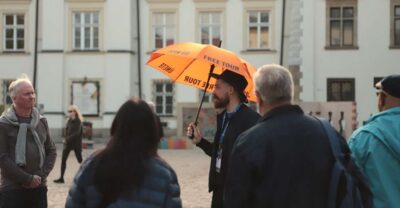 ★ 4.9Jewish Quarter and Former Ghetto TourFrom $191,441 reviews
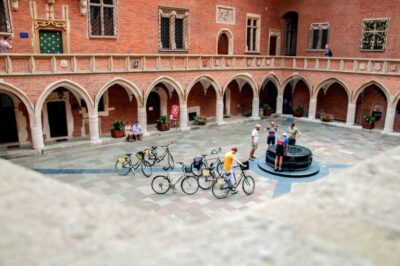 ★ 4.9Bike Tour of Old Town, Jewish Quarter and the GhettoFrom $371,155 reviews
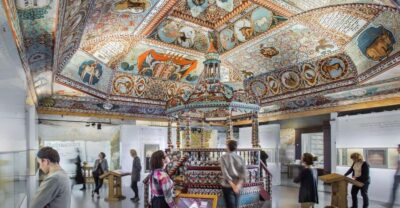 ★ 4.7POLIN Museum of the History of Polish Jews TicketFrom $121,142 reviews
 ★ 4.8Kazimierz, Schindler’s Factory & Ghetto Guided TourFrom $81460 reviews
 ★ 5.0Full Bike Tour – the Old Town, Jewish Qtr & the Ghetto NEW BIKESFrom $35437 reviews
 ★ 4.9Warsaw Ghetto Private Walking Tour with Hotel PickupFrom $84369 reviews
 ★ 4.9Bike Tour of the Old Town, Kazimierz, and the GhettoFrom $26350 reviews
Also on these Poland lists