
REVIEW · JEWISH HERITAGE AND GHETTO TOURS
Krakow: River Cruise & Guided Visit to Former Plaszow Camp
Krakow from the water changes everything. This 3-hour combo pairs a Vistula River catamaran ride with a guided walk through the former Plaszow Camp, plus a thoughtful pause at the Monument of Torn-Out Hearts. You get big city views first, then you shift to a place meant for learning and quiet respect.
What I like most is the way the guide brings vanished ground to life, even though there are few structures left. I also appreciate the pacing, which makes room for reflection in the open space of the site. If you’re lucky enough to have a guide like Ewa, you’ll get explanations you can actually ask questions about, not just a lecture from the front.
The main drawback is walking. Part of the experience is on foot, and in practice that can mean a long trek over uneven paths, including nettles and rubble-like ground. If you have mobility limits, this is one to think hard about.
In This Review
- Key highlights you should care about
- Meeting on Inflancki Boulevard, then a 3-hour rhythm
- Vistula catamaran cruise, from Wawel views to monasteries
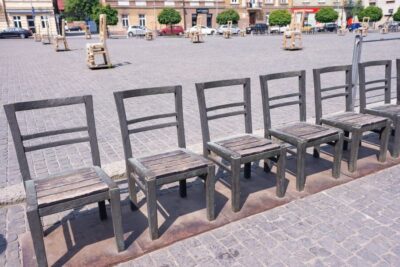
- Ghetto Heroes Square chairs in Podgórze
- Guided former Plaszow Camp, from Grey House to mass graves
- Oskar Schindler and the work-permit lifeline
- Walking distance, comfort, and $56 value check
- What to bring (and how to get the best experience)
- Should you book this Krakow river cruise plus Plaszow visit?
- FAQ
- How long is the tour?
- What language is the tour in?
- Where do I meet the tour?
- Is the Vistula cruise included?
- Do I get hotel pickup?
- What parts are walking?
- What should I do about weather?
Key highlights you should care about
- Catamaran cruise on the Vistula, with English onboard audio to connect views to stories
- Expert live guide at Plaszow, focused on what you can still trace on the ground
- Ghetto Heroes Square memorial stop, including the metal chair installation in Podgórze
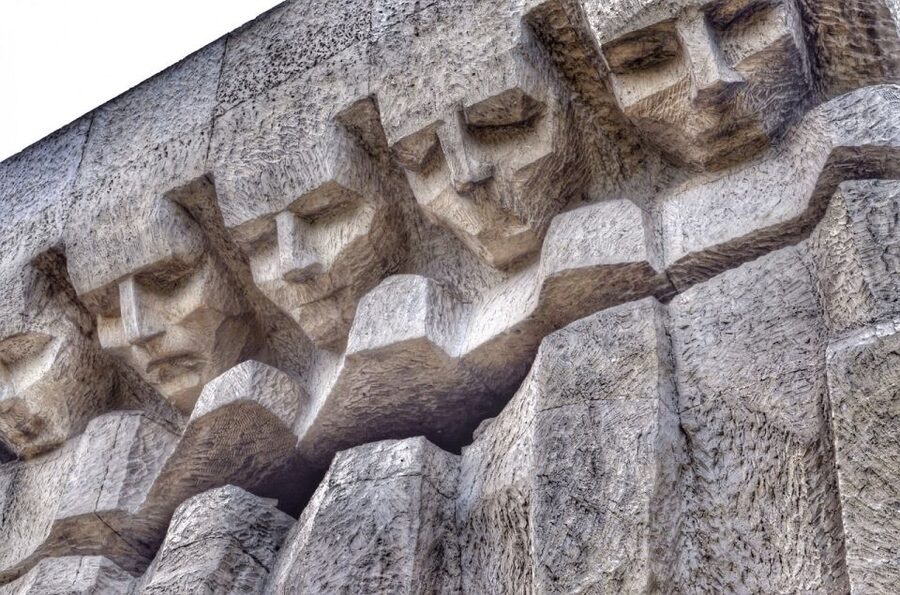
- Monument of Torn-Out Hearts pause, built for respect and quiet learning
- Clear layout walkthrough at Plaszow, from roll-call space to mass graves and surviving features
Further Jewish heritage and ghetto routes documented in Krakow
- Krakow: Schindler’s Factory & Ghetto Guided Tour
★ 4.7 · 1,694 reviews - Krakow: Jewish Quarter and Former Ghetto Tour
★ 4.9 · 1,441 reviews - Krakow: Bike Tour of Old Town, Jewish Quarter and the Ghetto
★ 4.9 · 1,155 reviews - Krakow: Kazimierz, Schindler’s Factory & Ghetto Guided Tour
★ 4.8 · 460 reviews
Meeting on Inflancki Boulevard, then a 3-hour rhythm
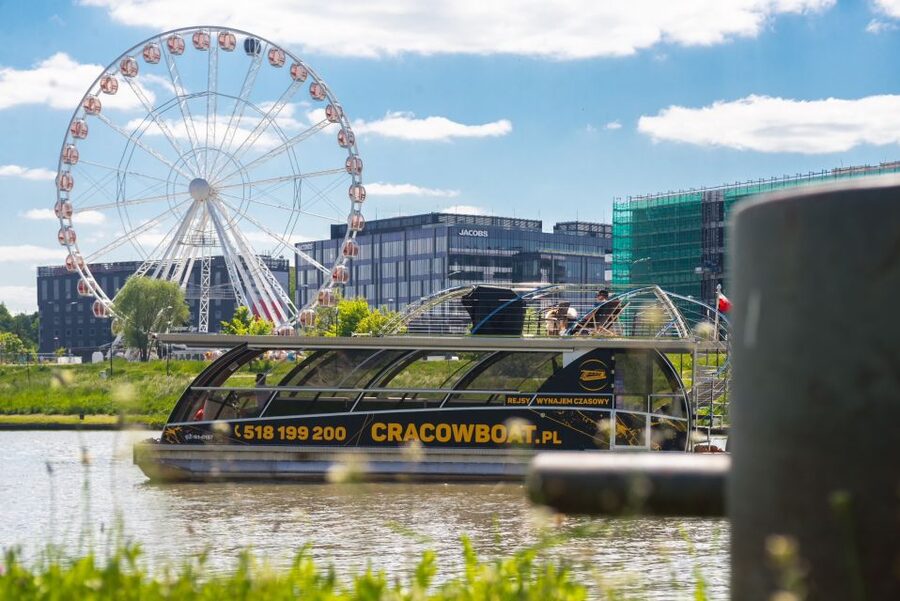
This tour starts at Inflancki Boulevard, right by the water tram stop called Paulinska. You’ll want to arrive about 10 minutes early and look for the person holding a Cracow Boat sign. From there, the flow is simple: you begin with the cruise, then you move into walking and the guided portion at the former camp.
The schedule matters because it mixes very different moods. You first get the calm, almost scenic feeling of gliding along the Vistula, with Krakow’s landmarks framing the ride. Then you step into Plaszow, where the purpose is remembrance, not sightseeing.
One practical detail that can shape your whole experience: there’s no hotel pickup and there’s no return transport included when the tour ends. So plan on making your own way to the meeting point and handling the trip back after the walk.
Also note the language setup. The tour is one language only (English here), with a live guide for the Plaszow portion and audio support on the cruise. That’s helpful if you want consistent interpretation, rather than half of it being “audio-only guessing.”
Vistula catamaran cruise, from Wawel views to monasteries
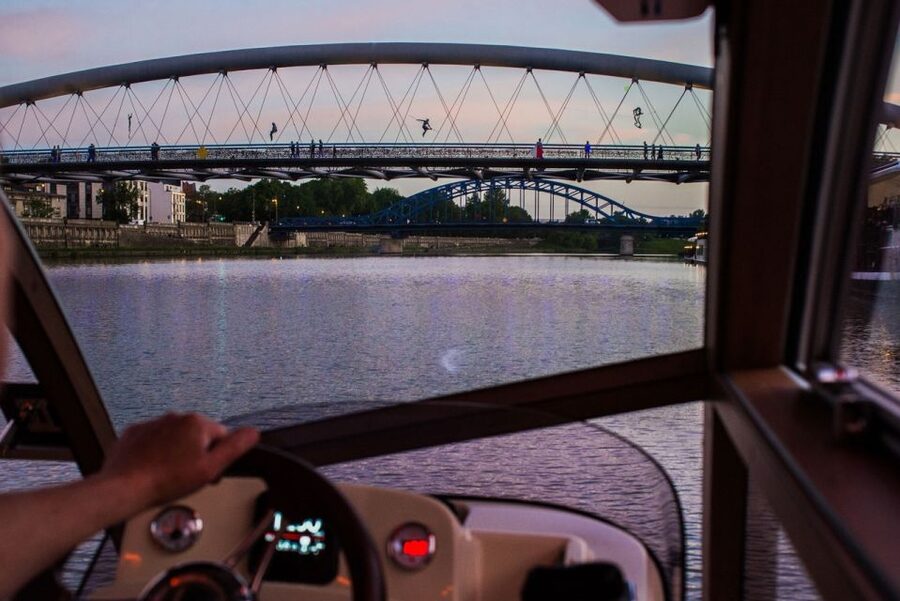
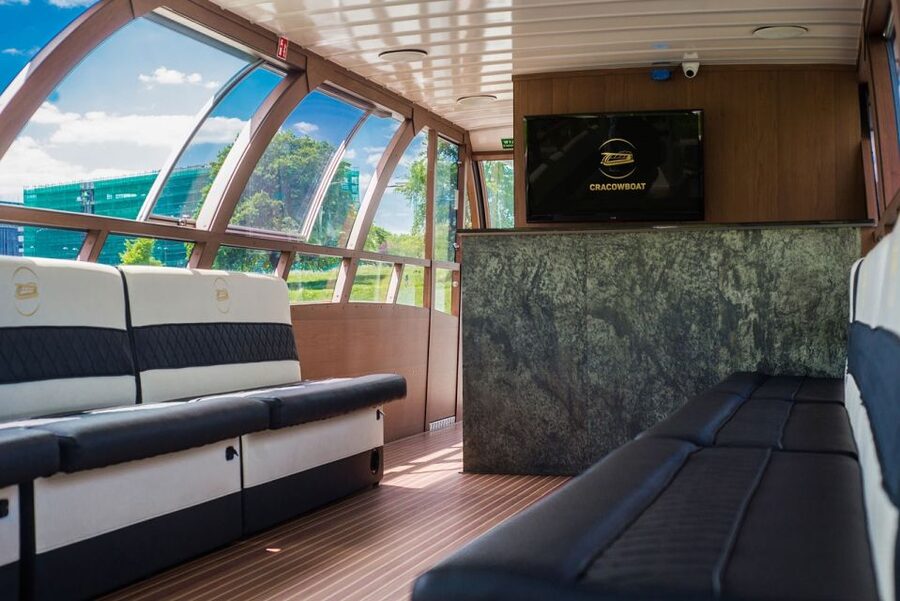
The first part is a short, one-way cruise along the Vistula River on a catamaran, and it comes with English audio. I love this format because it keeps you comfortable while you learn. You’re not staring at a screen, you’re watching the riverbanks and bridges slide by, and the audio helps you match what you see to what it used to mean.
The stories tied to the water are the kind that make Krakow feel layered. You’ll hear about Wawel’s royal past, and how the river area connects different eras. You also get mentions of the monasteries of Bielany and Skałka, which is a nice reminder that Krakow is not only castles and squares. It’s also religious sites and spiritual architecture, shaped over centuries.
Bridges are a big part of this cruise in an unexpected way. They look like background scenery, but the audio helps you understand how they link time periods. It’s one of those “oh, that’s why it’s placed there” moments that you can easily miss on land.
Practical tip: bring a layer. Even when the cruise is short, you’re right on the water. Wind can make temperatures feel cooler than what you guessed from the street.
Ghetto Heroes Square chairs in Podgórze
After the boat ride, the experience includes a walk past Ghetto Heroes Square in the Podgórze district. This is one of Krakow’s memorial spaces tied directly to the Kraków Ghetto story. The square was transformed into a memorial space in 2005, and it uses a very specific visual symbol.
Look for the installation of large metal chairs. They represent forced departures and absence, and the design is meant to keep you from turning the place into a casual photo stop. I like that the tour doesn’t race you through it. The context makes the memorial feel less like an object and more like a question: what does it mean to be taken away, and what does it mean to survive?
Why this stop works in the overall flow: it bridges the gap between “history in buildings” and “history in places.” You go from views and landmarks on the river, to a district-space memorial where the ground itself carries the meaning.
Keep your pace slow here. If you rush, you’ll only remember the chairs. If you stand and read, you’ll remember the point.
Guided former Plaszow Camp, from Grey House to mass graves
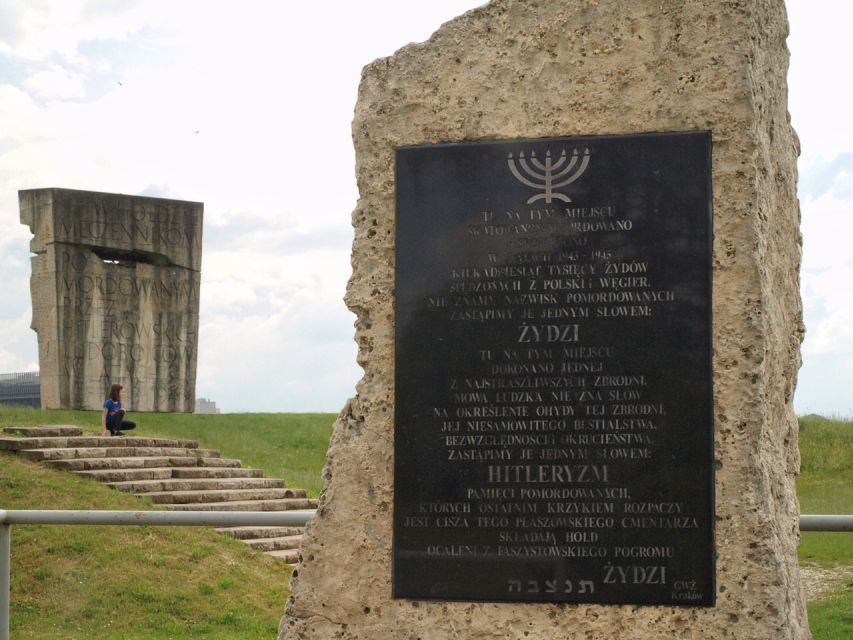
This is the heart of the tour, and it’s not about entertainment. Plaszow Camp was established in 1942 on grounds that included Jewish cemeteries. It started as a forced-labor camp and later became a concentration camp. The site held more than 35,000 people, and thousands lost their lives.
Because few structures remain, the guide’s job is harder, and frankly more important. With a live guide leading you, you trace the camp’s former layout through what’s still there and what survives in fragments. You’ll move through key areas such as the roll-call area and the remnants of major buildings.
The Grey House is one of the specific named elements you’ll cover. I like that the tour doesn’t just say “this is where it happened.” Instead, the guide connects the space to the experience of the prisoners, so the layout has meaning, not just location.
You’ll also pass by mass grave areas. This part is sensitive by design, and it’s where the tour’s emphasis on silence and careful learning really shows. The open space can feel almost too quiet, but that quiet is part of the respect.
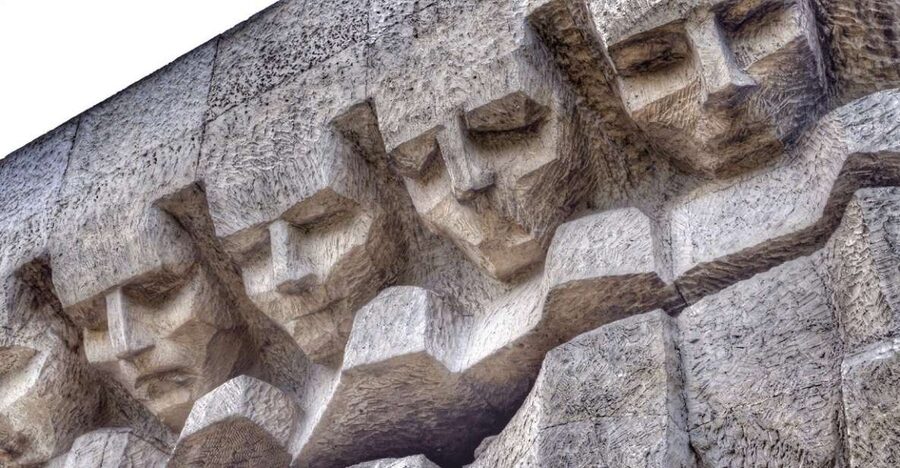
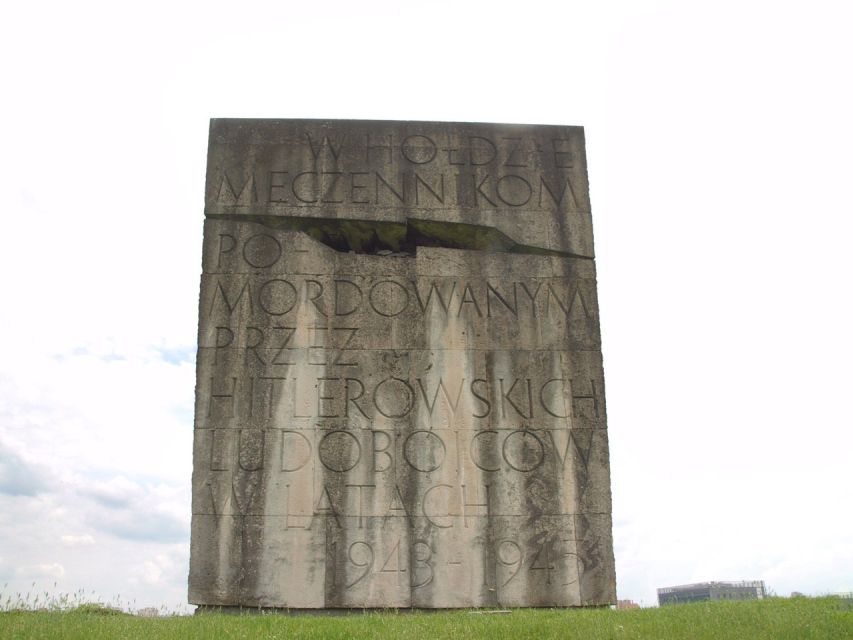
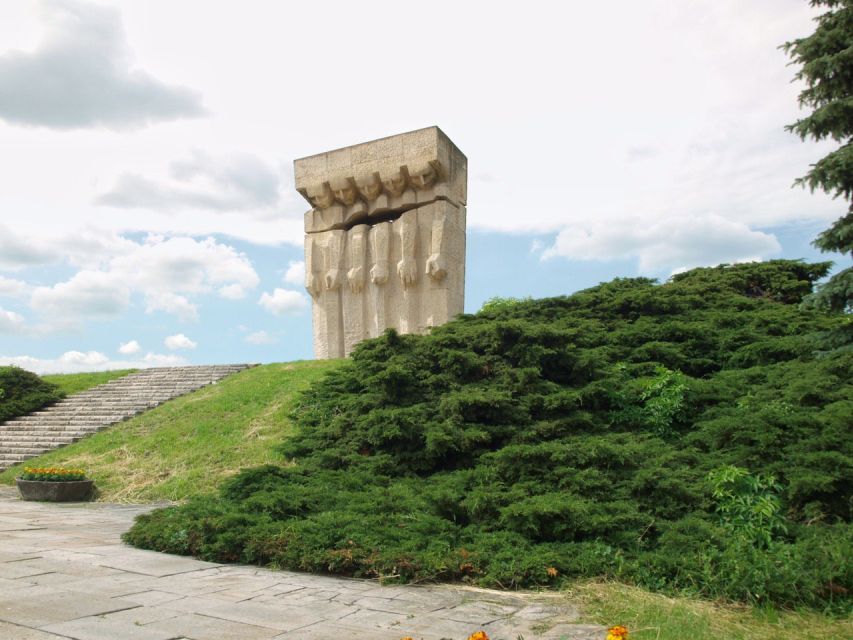
Then there’s the pause at the Monument of Torn-Out Hearts. It gives your brain a moment to stop absorbing facts and start processing what those facts mean. You should treat that pause as a break, not a photo opportunity, even if you’re tempted.
One more practical note, based on real walking experience: this tour includes walking through uneven ground. In some conditions, that can include nettles and pathways with rubble-like patches. That means you should wear proper shoes, not fashion sneakers that you regret later.
If you’re traveling with kids, consider their stamina first. The emotional content is serious, and the physical pace can be tough.
Below are the other Krakow trips we have logged
- Kraków: Evening or Night River Cruise★ 4.0 · 7,386 reviews
- Krakow: Evening Cruise with a Glass of Wine★ 4.0 · 1,054 reviews
- Krakow: Vistula River Cruise with Historical Views★ 3.5 · 357 reviews
- Krakow: UNESCO Bochnia Salt Mine Tour & Boat Expedition★ 5.0 · 284 reviews
- Krakow: Vistula River Sightseeing Cruise with Audio Guide★ 3.9 · 270 reviews
Oskar Schindler and the work-permit lifeline
A big part of the narrative here involves Oskar Schindler. The camp had prisoners registered in Plaszow, and the story is that Schindler arranged work permits for them. From there, prisoners were transferred to his factory, saving more than a thousand lives.
This section can hit hard because it turns history from a list of events into a chain of decisions. You see how paperwork, bureaucracy, and labor systems became part of who lived and who died. It’s one of those uncomfortable lessons that still feels important today.
What I like about this tour’s approach is that it doesn’t treat Schindler as a magic answer. Instead, it places the story inside the larger framework of Plaszow, forced labor, and the concentration-camp reality. That context matters. Without it, the Schindler thread could feel like a separate story. With it, the meaning connects.
If you like guided structure, you’ll probably enjoy how the guide layers these pieces while you’re standing in place. The narrative stays anchored to the ground, and that makes the information easier to hold onto after you leave.
Walking distance, comfort, and $56 value check
At around $56 per person for about 3 hours, this tour can be good value if you want a guided, narrative-based experience that blends scenery with serious context. You’re getting two different modes of learning: audio-guided cruising, plus a live expert guide for the Plaszow visit.
The included items also help make it feel practical. You receive the one-way short cruise on the catamaran with audio, plus a single tram ticket. What’s not included is hotel pickup and return transport, so your planning still matters.
The key value question is not just price. It’s effort. The experience includes both the river cruise and a walking component at the camp, and the walking can add up. One reported experience described at least 2 km to reach the camp area, and a total walk that felt closer to 5 miles. That tracks with the idea that Plaszow is not compact.
So here’s my honest advice: if you’re comfortable walking for several miles on uneven ground, you’ll likely get a lot from this. If not, the emotional impact may be harder because your body will be fighting the terrain.
This is also a tour best suited to adults and older teens who can handle serious historical content with respect. If you’re the kind of traveler who hates “mandatory quiet” moments, you may find the Plaszow segment challenging. If you want meaning over thrills, this is a strong fit.
What to bring (and how to get the best experience)
This tour runs in all weather conditions. Dress for the day you get, not the forecast you hoped for. Comfortable walking shoes are strongly recommended, and you’ll feel that recommendation immediately once you’re on the ground.
Bring a small bottle of water if you tend to get thirsty on walks, and consider a light layer even if it’s warm when you leave your hotel. The cruise part is short, but wind off the river can change how you feel.
For mindset: go into Plaszow ready to slow down. The guide is there to connect surviving elements, but you’ll also benefit from giving yourself a little mental space. The open areas and the pause at the Monument of Torn-Out Hearts are built for that.
If you’re someone who likes asking questions, you’re encouraged to do so, and a guide like Ewa is exactly the kind of person who invites that interaction.
Should you book this Krakow river cruise plus Plaszow visit?
Book it if you want a single, structured outing that connects Krakow’s river views to the reality of Plaszow through live guidance. The mix of cruise audio, a walking memorial stop at Ghetto Heroes Square, and the guided camp layout makes it feel both educational and carefully paced.
Skip or choose a different format if you cannot handle long, uneven walking. The walking distance can be more than you expect, and the ground is not always gentle. Also, if you need a lighter, purely scenic experience, Plaszow is not that kind of tour.
If you can handle the physical piece and you’re ready for serious history done with respect, this is a worthwhile way to spend three hours in Krakow.
FAQ
How long is the tour?
The tour lasts 3 hours.
What language is the tour in?
The tour is in English. The live guide at Plaszow is English, and the audio guide on the cruise is also in English.
Where do I meet the tour?
Meet at Inflancki Boulevard next to the water tram stop called Paulinska. Look for the person with a Cracow Boat sign.
Is the Vistula cruise included?
Yes. It includes one way short cruise on the Vistula River on a catamaran with an audio guide.
Do I get hotel pickup?
No. Hotel pickup and drop-off are not included.
What parts are walking?
Part of the tour involves walking and it is operated by a live guide. The rest includes audio guidance during the cruise.
What should I do about weather?
The tour operates in all weather conditions, so dress appropriately and be prepared for changes. Comfortable walking shoes are recommended.
More Cruises & Boat Tours in Krakow


More Tour Reviews in Krakow
Jewish Heritage and Ghetto Routes in Krakow

Recently written up around Krakow
More Jewish Heritage and Ghetto Tours.
 ★ 4.7Schindler’s Factory & Ghetto Guided TourFrom $571,694 reviews
 ★ 4.9Jewish Quarter and Former Ghetto TourFrom $191,441 reviews
 ★ 4.9Bike Tour of Old Town, Jewish Quarter and the GhettoFrom $371,155 reviews
 ★ 4.7POLIN Museum of the History of Polish Jews TicketFrom $121,142 reviews
 ★ 4.8Kazimierz, Schindler’s Factory & Ghetto Guided TourFrom $81460 reviews
 ★ 5.0Full Bike Tour – the Old Town, Jewish Qtr & the Ghetto NEW BIKESFrom $35437 reviews
 ★ 4.9Warsaw Ghetto Private Walking Tour with Hotel PickupFrom $84369 reviews
 ★ 4.9Bike Tour of the Old Town, Kazimierz, and the GhettoFrom $26350 reviews
Also on these Poland lists