
REVIEW · WARSAW CITY TOURS
Life Behind the Iron Curtain Warsaw Walking Tour
Concrete still tells the story.
This Warsaw Iron Curtain walking tour turns big socialist-era buildings and plain street corners into a clear picture of how the Polish People’s Republic worked day to day, with an English guide and a small group pace. You start at Plac Konstytucji and work your way along key power and daily-life sites, ending near the Palace of Culture and Science.
I especially like the human angle. Guides such as Olivia and Agnieszka bring the topic down to lived experience, including family stories and what changed after communism. I also like the practical stop choices, from where the communist system was staged in public to where people struggled with everyday necessities and controlled information.
One drawback to plan for: it’s about 2 hours 30 minutes on your feet, and it’s not recommended if walking long distances is tough. If you want the view from the Palace of Culture’s terrace, you’ll also pay an extra fee on site.
In This Review
- Key highlights to look for
- From Plac Konstucji to Marszałkowska Street, you read the city like a map
- Socialist realism at the Ministry of Agriculture building
- Mysia 3 and the Free Speech Memorial, censorship becomes real
- Nowy Świat 6/12 and Cedet, how power and everyday shopping collided
- Central Railway Station and Downtown Railway Station, travel as a system
- Palace of Culture and Science, the symbol and the choice to go up
- Guide style that makes the topic stick
- Price and value for a 2.5-hour, English, small-group walk
- Who should book, and who should skip
- Should you book Life Behind the Iron Curtain Warsaw Walking Tour?
- FAQ
- Is this tour offered in English?
- How long is the Life Behind the Iron Curtain Warsaw Walking Tour?
- What does the tour cost?
- Is there a mobile ticket?
- Where does the tour start and end?
- Do I have to pay for entry at the stops?
- How much is the Palace of Culture and Science viewing terrace?
- What is the group size limit?
- Is service available if I use a service animal?
- Is free cancellation available?
Key highlights to look for
- Small group size (max 10), which makes questions feel easy, not rushed.
- English mobile ticket, so check-in stays simple.
- Free admission at every stop except the Palace terrace, keeping the experience low-cost.
- Socialist realism explained on real buildings, not just theory.
- Censorship and espionage discussed at Mysia 3, with the Free Speech Memorial.
- Optional Palace of Culture and Science viewing terrace (28 PLN) if you want the best photo angle.
Warsaw rebuilt itself twice over. Here is how else we saw it
- Warsaw: Chopin Concert in the Old Town
★ 4.8 · 2,287 reviews - Warsaw: Traditional Galar Cruise on The Vistula River
★ 4.6 · 1,640 reviews - Warsaw: Old Town Highlights Walking Tour in English
★ 4.7 · 1,516 reviews - Warsaw Concert: Chopin – Painted by Candlelights with Wine
★ 4.8 · 1,442 reviews
From Plac Konstucji to Marszałkowska Street, you read the city like a map
The tour kicks off at Plac Konstytucji (Constitution Square), a place tied to the idea of a new center for the Polish People’s Republic. Even if you don’t know the jargon, the guide makes the point fast: big political messages were built into how the city looked, where people walked, and what kinds of gatherings the streets were designed for.
You’ll get context for what this square represented, then you shift into “read-the-street” mode. Warsaw under communism was not just about laws and ministries. It was also about the choreography of public space.
From there, you head onto Marszałkowska Street, a wide thoroughfare known for parades and marches. This is one of those places where you can feel the intention. The guide helps you connect the road’s size and layout to the role it played in showing power in public, and how that shaped everyday movement through the city.
If you’re the type who likes your history concrete, this part is a winner. You’re not stuck in a lecture room. You’re standing in the corridor where demonstrations would unfold, and you learn what to notice that you’d otherwise miss.
Socialist realism at the Ministry of Agriculture building
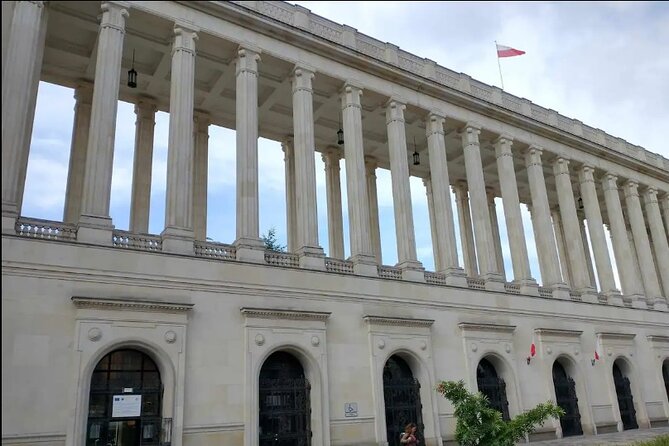
Next comes the Ministry of Agriculture and Rural Development, a strong example of socialist realism. This is where the tour does something useful for first-timers: it explains the visual language.
You’ll learn what characterizes socialist realism and why the buildings were shaped that way. Think about the message rather than only the style. These weren’t neutral office blocks. The design aimed to communicate authority, stability, and the state’s role in daily life.
This stop is short, but it’s not filler. The guide points out how architecture can work like propaganda without using any words at all. You’ll leave with a better eye for the “why” behind big government structures, especially when you see similar styles elsewhere in Eastern Europe.
Mysia 3 and the Free Speech Memorial, censorship becomes real
On Mysia Street, the tour turns sharply more personal. You’ll see the Free Speech Memorial and talk about censorship and espionage. This is the part that makes the whole theme click: political control was not only about who ran the government, it was also about how information flowed and what could be said safely.
The guide keeps it grounded, and you’ll likely pick up street-level details you might never think to search for on your own. It’s one thing to hear the word censorship. It’s another to understand how it operates in a place where you can point to what remains and how it’s interpreted today.
If you’re interested in the human cost of political systems, this is the emotional peak of the tour. It’s also a good reminder that the Iron Curtain story is not only about borders. It’s about the invisible boundaries drawn around speech, jobs, and safety.
Nowy Świat 6/12 and Cedet, how power and everyday shopping collided
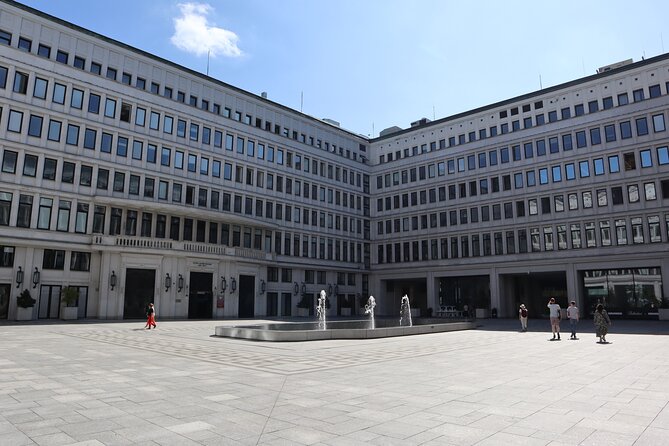
Then you move to Nowy Świat 6/12, the building that today houses the Banking and Finance Center. During the Polish People’s Republic, this was where the entire country was managed, and it was the Communist Party headquarters.
Standing there, you get a clear lesson in how the same address can carry different meanings across decades. The tour doesn’t treat the building like a museum piece. It frames it as a working part of the state, then connects the dots to what those decisions meant for ordinary people.
Next is the Central Department Store Cedet, where the conversation shifts from high-level management to everyday friction. One of the toughest parts of life under communism was buying ordinary things, and this is where the guide explains why. You’ll hear how systems affected availability, shopping habits, and the stress of finding basic supplies.
This pairing works well. Power without context can feel abstract. By placing the Party HQ story right next to the Cedet shopping story, the guide shows the chain reaction: decisions at the top shaped what people could buy, and what they had to do to get it.
Below are the other Warsaw trips we have logged
- Warsaw: Old Town Guided Walking Tour★ 4.9 · 599 reviews
- Half-Day Polish Food Walking Tour with Guide and Dinner★ 4.5 · 381 reviews
- Warsaw: Warsaw Ghetto Private Walking Tour with Hotel Pickup★ 4.9 · 369 reviews
- Old Town Warsaw Walking Tour★ 4.5 · 333 reviews
- Warsaw: Jewish History Guided Walking Tour in English★ 4.7 · 324 reviews
Central Railway Station and Downtown Railway Station, travel as a system
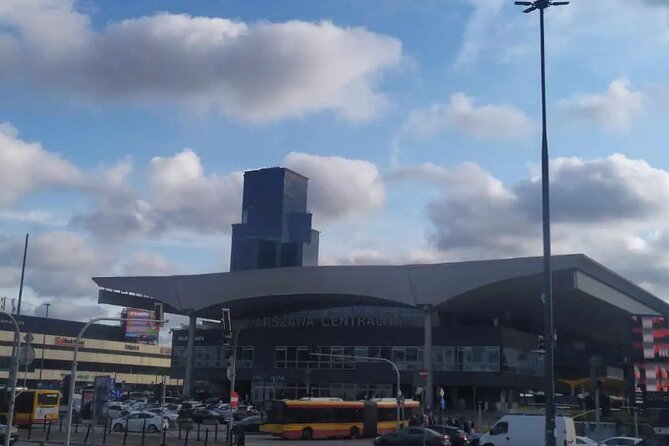
You finish this middle stretch at Warsaw Central Railway Station and also discuss the Downtown Railway Station. The focus here is practical, even if the topic is political: travel was shaped by local, regional, and international realities under communism.
The guide helps you understand rail as more than transport. It was access, it was regulation, and it was a way the state connected Warsaw to the rest of the country and beyond. When you look at stations, it’s easy to see platforms and schedules. On this tour, you’ll learn what lay behind those screens, especially for people planning trips and for those watching movements.
This segment is also a nice break from architecture. You still feel the “system” theme, but it’s through movement and routes instead of facades.
Palace of Culture and Science, the symbol and the choice to go up
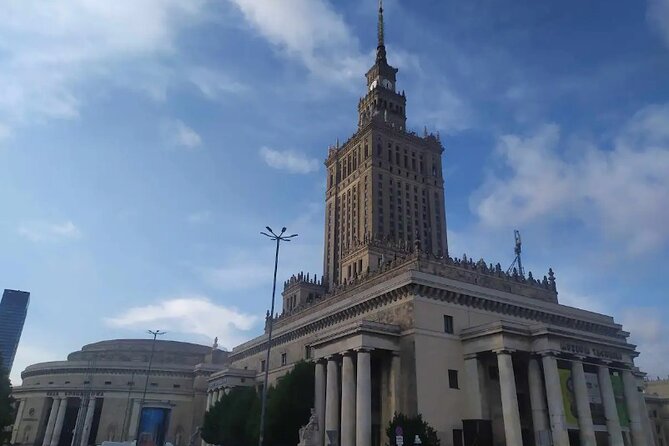
The tour ends in front of the Palace of Culture and Science, a building described as symbolic but also controversial. You’ll get the key background you need to interpret it, without getting lost in details that don’t help.
Then there’s the optional add-on: if you want to go to the viewing terrace, the ticket costs 28 PLN and it is not included in the tour price. I like having this as a choice. The exterior and street-level story are worth your time even without the terrace. But if you want a strong photo viewpoint or you enjoy city views, plan for the extra cost.
Also, because this is where the tour finishes, it’s a smart target for your next step. You’re right where many people want to be for onward sightseeing, so you can decide on the fly what fits your energy.
Guide style that makes the topic stick
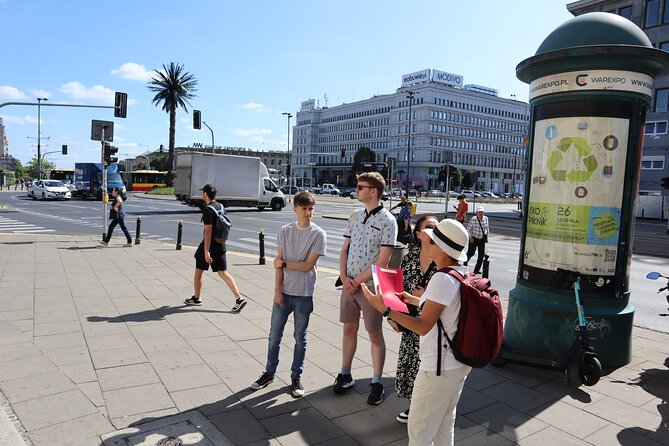
The quality of the guide is a real part of the value here, and it shows in the way the tour is taught. Names like Olivia and Agnieszka come up for good reason, with a style that mixes clear explanations and lively storytelling.
What really helps is the personal layer. Guides share family experience and what life felt like, including how the change after the fall of the USSR unfolded for people who lived through the era. It adds weight to the buildings. It also makes the history feel less like trivia and more like cause and effect.
You also get practical tips. Even though the tour is focused on the communist-era sites, the included information pack comes with useful recommendations for where to eat and drink, plus links for other places to visit. For me, that’s part of good value: you leave with ideas you can act on the same day.
Price and value for a 2.5-hour, English, small-group walk
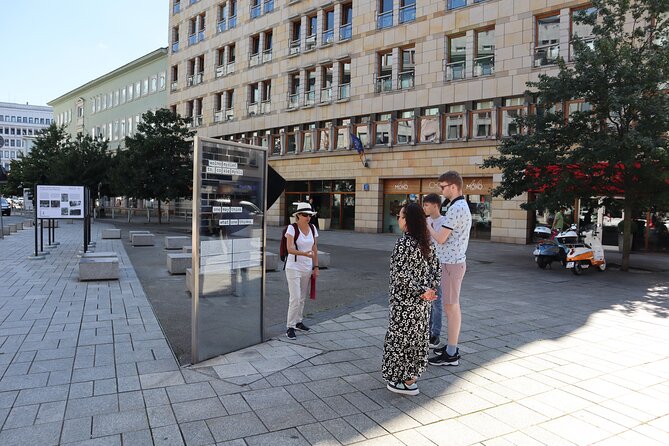
At $28.57 per person for about 2 hours 30 minutes, this is priced like a solid, focused introduction to Warsaw’s communist-era footprint. The key value is that every stop is free in terms of admission for the tour experience, with the single clear exception of the Palace terrace.
You also get more than just a guided walk. The package includes a full info pack about Warsaw before your tour, including an FAQ and useful links. There are visual aids too, which helps if you’re the kind of person who learns better by seeing as well as hearing.
Group size matters. With a maximum of 10 people, you’re less likely to feel like you’re squeezed into someone else’s pace. It tends to make the Q&A feel natural, especially during the heavier topics like censorship and espionage.
One practical note: because the route is on foot and timed at roughly 2.5 hours, wear comfortable shoes. This is not a hop-on, hop-off tour.
Who should book, and who should skip
I’d strongly consider this tour if you want an English-language walk that connects buildings to real daily life under communism. It’s ideal for people who like stories, street-level context, and a clear route through the city’s most telling sites.
It’s also a good fit if you’re doing multiple tours in Warsaw and want one that gives you a framework. Once you understand how power and information worked, the city’s other sights can start making more sense.
If you have walking issues, skip or choose a shorter alternative. The tour is not marketed for long-distance walking problems. And if you dislike topics like censorship and political control, you might find the Mysia 3 section heavy, even though the guide keeps it accessible.
Should you book Life Behind the Iron Curtain Warsaw Walking Tour?
Book it if you want more than plaques. You’ll get a guided city walk that explains how public space, government buildings, shopping, and travel fit together into the day-to-day reality of the Polish People’s Republic. With the small group format, English delivery, and the included info pack, it’s good value for first-time visitors who want context that lasts longer than your photo stops.
Skip it if your plan is mostly “see and move on” with minimal walking, or if you know you can’t handle extended discussions of censorship and political control. In that case, you can still enjoy Warsaw, just pick a tour with a lighter theme and shorter time on your feet.
FAQ
Is this tour offered in English?
Yes. The tour is offered in English.
How long is the Life Behind the Iron Curtain Warsaw Walking Tour?
It runs for about 2 hours 30 minutes.
What does the tour cost?
The price is $28.57 per person.
Is there a mobile ticket?
Yes, the tour uses a mobile ticket.
Where does the tour start and end?
You meet at Plac Konstytucji, 00-647 Warszawa, Poland, and the tour ends near the Palace of Culture and Science, at Emilii Plater 54, 00-901 Warszawa, Poland.
Do I have to pay for entry at the stops?
Admission is free at all the listed stops, except the viewing terrace at the Palace of Culture and Science, which is not included.
How much is the Palace of Culture and Science viewing terrace?
The terrace ticket costs 28 PLN and is not included in the tour price.
What is the group size limit?
The tour has a maximum of 10 travelers.
Is service available if I use a service animal?
Service animals are allowed.
Is free cancellation available?
Yes. You can cancel for a full refund up to 24 hours in advance. If you cancel less than 24 hours before the start time, the amount paid is not refunded.
More Tours in Warsaw
More Tour Reviews in Warsaw
Warsaw, Keep Looking
Recently written up around Warsaw

More Warsaw City Tours.
 ★ 4.8Chopin Concert in the Old TownFrom $262,287 reviews
 ★ 4.6Traditional Galar Cruise on The Vistula RiverFrom $201,640 reviews
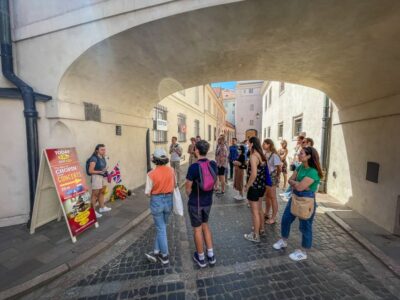 ★ 4.7Old Town Highlights Walking Tour in EnglishFrom $261,516 reviews
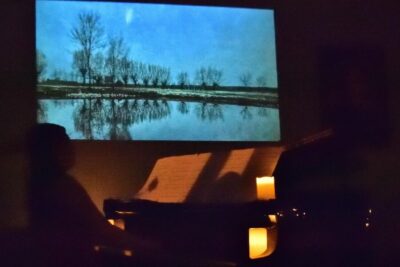 ★ 4.8Warsaw Concert: Chopin – Painted by Candlelights with WineFrom $251,442 reviews
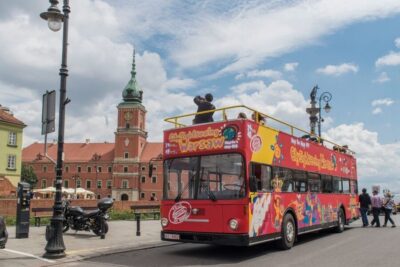 ★ 3.6City Sightseeing Hop-On Hop-Off Bus TourFrom $411,415 reviews
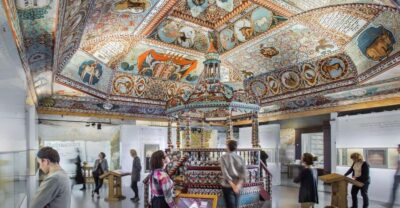 ★ 4.7POLIN Museum of the History of Polish Jews TicketFrom $121,142 reviews
 ★ 5.0#1 Pub Crawl Warsaw with Optional Premium 1 Hour Open BarFrom $28790 reviews
 ★ 4.6Polish Vodka Museum Tour with TastingFrom $22788 reviews
Also on these Poland lists