
REVIEW · JEWISH HERITAGE AND GHETTO TOURS
Lodz: Jewish Heritage Private Tour
Łódź tells a story in stone, brick, and names. This private tour connects Jewish monuments with the lived reality of Polish Jews before the war, then follows the trail through the Holocaust sites and what remains today. You get a clear, guided route through the places that shaped the city, not just a quick photo stop run.
I especially love the way the itinerary builds context, from the pre-war Jewish population to the modern memorial landscape around the ghetto. Two big wins for me are Radegast Station as a turning point in the story and the pace of a private tour, where you can ask questions as you go.
One thing to consider: entrances are not included, so you may need to pay separately for any indoor access, especially at sites like the cemetery or synagogue depending on what is available during your visit.
In This Review
- Key points before you go
- Łódź Jewish heritage in 4 hours, with real context
- Private guide, hotel pickup, and a route that can flex
- A practical note on transportation
- Getting your bearings: the pre-war Jewish population of Łódź
- The Trail of Jewish Monuments: learn the story, not just the stops
- Radegast Station, the last train stop in the story
- Litzmannstadt ghetto area: from imprisonment to liquidation
- Przemysłowa Street and the Children’s Martyrdom Monument
- Reicher synagogue: the only surviving pre-war synagogue
- Jewish cemetery, the largest necropolis in Poland
- Israel Poznanski and Manufaktura’s industrial comeback
- Piotrkowska Street, Łódź’s long promenade finale
- Price and value: what $46 buys in real guidance time
- Practical tips so you get more from the tour
- Who should book this private tour
- Should you book the Łódź Jewish Heritage Private Tour?
- FAQ
- How long is the Łódź Jewish Heritage Private Tour?
- Is pickup and drop-off included?
- What sites will I visit during the tour?
- Are entrances included in the price?
- What languages are available for the live guide?
- Is the tour private, and is there free cancellation?
Key points before you go
- Private, hotel pickup and drop-off in a 4-hour loop, so you lose less time figuring out logistics
- Radegast Station as the key train-transit stop in the story of deportations
- Litzmannstadt ghetto area, Survivors Park, and memory trees that help you see how remembrance works now
- Jewish cemetery and Reicher synagogue, two of the most important surviving markers of pre-war Jewish life
- Manufaktura and Israel Poznanski’s former factory, where the city’s industrial past has a second life
- Piotrkowska Street finale, Łódź’s long promenade, ideal for resetting your brain after a heavy day of history
Weighing options? These Lodz write-ups sit closest to this one.
- Lodz: Jewish Heritage Private Tour
★ 4.7 · 14 reviews - Lodz Old Town Manufaktura Highlights Private Walking Tour
★ 4.9 · 12 reviews - Lodz: Private City Walking Tour
★ 4.2 · 10 reviews - Luxury airport transfer from Lodz to Warszawa Chopin Airport
★ 5.0 · 6 reviews
Łódź Jewish heritage in 4 hours, with real context
This is the kind of tour where the city stops being a backdrop and becomes the main character. Łódź is often visited for industrial architecture and café life, but Jewish Łódź is central to understanding why the city looks the way it does, and why some places feel heavy even in daylight.
The tour’s value is that it gives you a sequence. You start with the scale of Jewish presence before WWII, then move into transport and ghetto history, and only later return to what has survived in buildings and public spaces. It is a focused route that respects the subject without turning it into a checklist.
Private guide, hotel pickup, and a route that can flex
You meet your guide at the hotel lobby by name, then you head out on a fully private sightseeing plan. That private format matters here. Jewish history in Łódź is complicated, and the best guides respond to your questions on the spot instead of sticking rigidly to a script.
In guides you might encounter on this kind of departure, names like Marek, Krys, and Krzysztof have shown up, and the common theme is attentive, empathetic guiding. If you care about architecture, photography rules, or how different memorials are interpreted, a good private guide will adjust the route and how much time you spend at each stop.
A practical note on transportation
The tour includes transportation, but you should not assume it is a long, drive-through sightseeing circuit. Expect short movements between stops, and plan for a decent amount of walking on sidewalks and memorial paths. Comfortable shoes are not optional.
Getting your bearings: the pre-war Jewish population of Łódź
Before WWII, Łódź was home to over 200,000 Jews, making up as many as one third of the city’s population. That detail changes how you see everything that comes later. When you understand the community was huge, the loss is not abstract. It has a human scale.
Your guide uses this early context to explain that Łódź was multinational, and the Jewish community was one of the biggest parts of the social fabric. That matters because many memorial sites can feel disconnected if you only get Holocaust-era information. Here, you get the before picture first, so the after has weight and specificity.
If you like tours that teach you how to read a city, you’ll appreciate this start. It helps you connect names you will see later, to the real people and institutions behind them.
- Half-Day Chelmno Kulmhof Concentration Camp Private Tour★ 4.5 · 3 reviews
The Trail of Jewish Monuments: learn the story, not just the stops
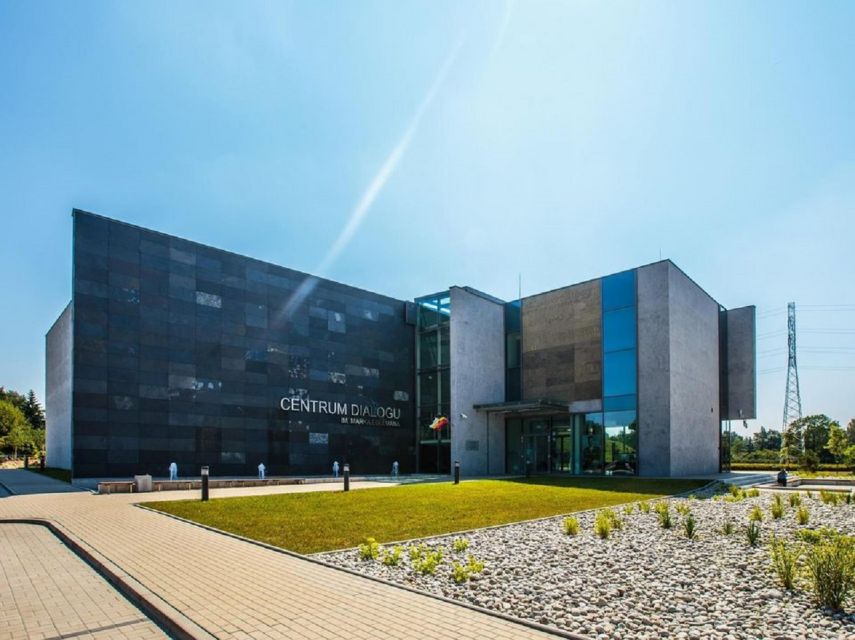
The core framing is a trail of Jewish monuments. Rather than treating each location as a standalone “thing to see,” the guide ties them together into a bigger picture: where people lived, where they were processed, where they were imprisoned, and what survived.
As you move along, you’ll also learn how Polish and local memory culture shows up in public art, monuments, and commemorative spaces. This is where the tour becomes more than historical sightseeing. It becomes a lesson in how remembrance is built and maintained in everyday urban life.
Radegast Station, the last train stop in the story
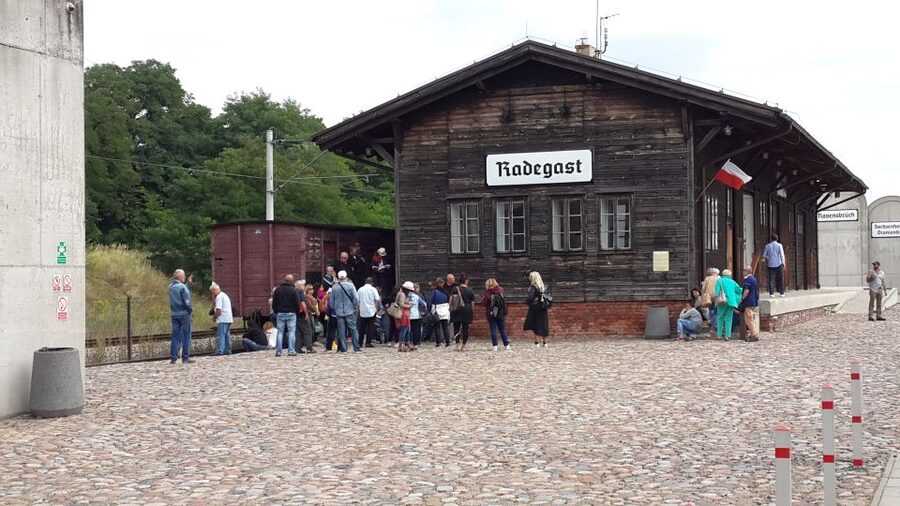
One of the most important stops is Radegast Station. It is presented as the final point of trains transporting Jews from western European countries and from provincial ghettos in the Wartheland region. That simple description carries a lot of weight, and a good guide will help you understand what transit meant in practice, not just in theory.
If you tend to feel overwhelmed at memorial sites, take it in small bites. Read what you can, then give yourself a minute to reset before moving on. I also like using a basic question as I walk through: What is the physical place telling me, and what is it asking me to remember?
This stop is often where the tour’s tone becomes unmistakably solemn. It is not a place for rushing, and it is not a place for casual “just photos” energy.
Litzmannstadt ghetto area: from imprisonment to liquidation
The tour then moves into the area of the Litzmannstadt ghetto, grounding you in what the ghetto represented for those trapped inside it. This is where the guide typically connects the city geography to the historical system that forced daily life into confinement.
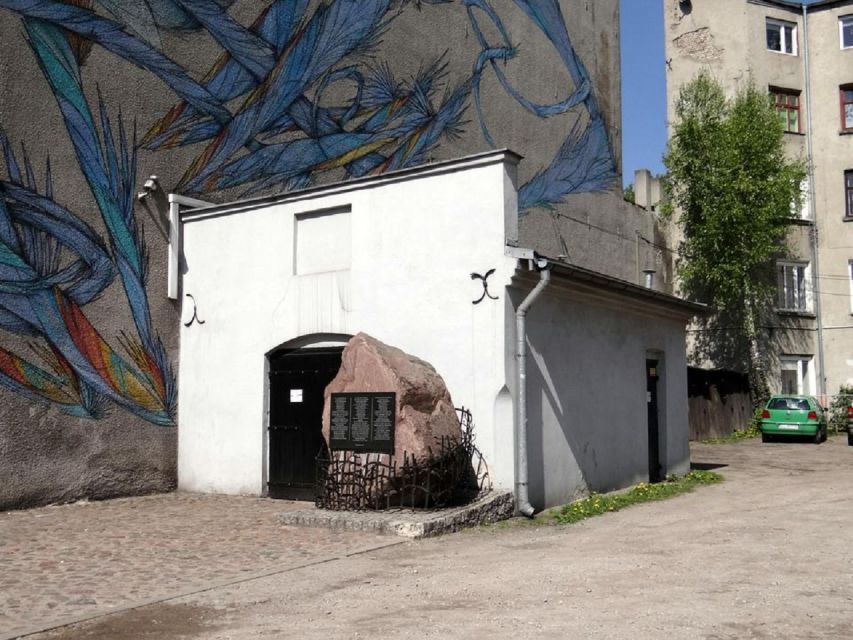
After that, the route continues to Survivors’ Park, which commemorates the liquidation of the ghetto. The park gives you a visual way to understand remembrance as something physical and ongoing, not only a chapter in books.
Even better is the inclusion of the “memory trees.” You will stop under one of over 600 memory trees planted by survivors. This detail can sound symbolic until you see how it changes the space. It gives you a tactile, personal reminder that survivors and their families carried stories forward.
Przemysłowa Street and the Children’s Martyrdom Monument
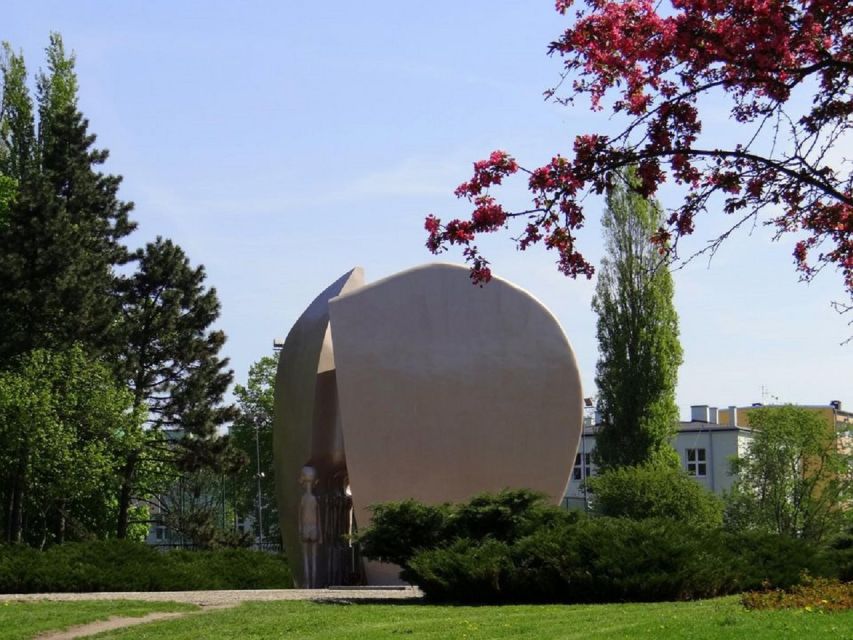
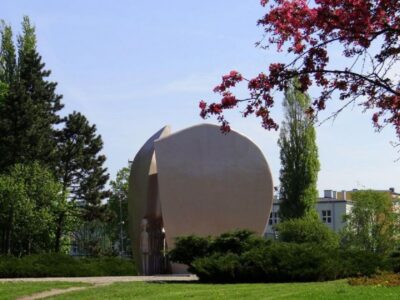
Next comes the Children’s Martyrdom Monument, also known as the monument of the Broken Heart, dedicated to Polish children who died or were murdered while being imprisoned in the camp in Przemysłowa Street. The name alone is heavy, but the value of visiting is that it anchors the tragedy in a specific target, not a vague category.
If you’re visiting with teens or older kids, this stop can be a turning point. It makes it harder to treat WWII as history-as-math and easier to see it as something that affected real families.
One tip: slow down here. Look at how the monument is placed in the urban setting, and let the scale land. You do not need dramatic language to feel it, just time.
Reicher synagogue: the only surviving pre-war synagogue
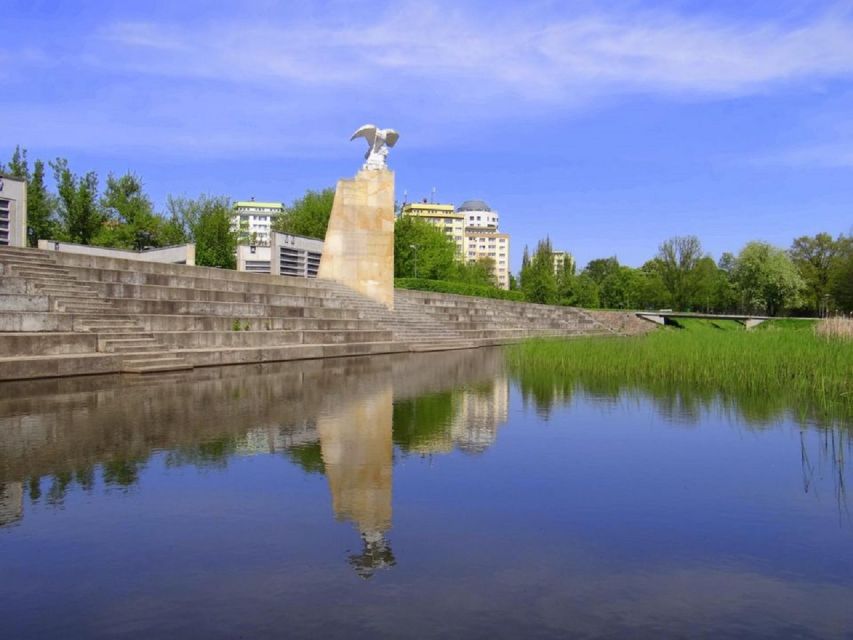
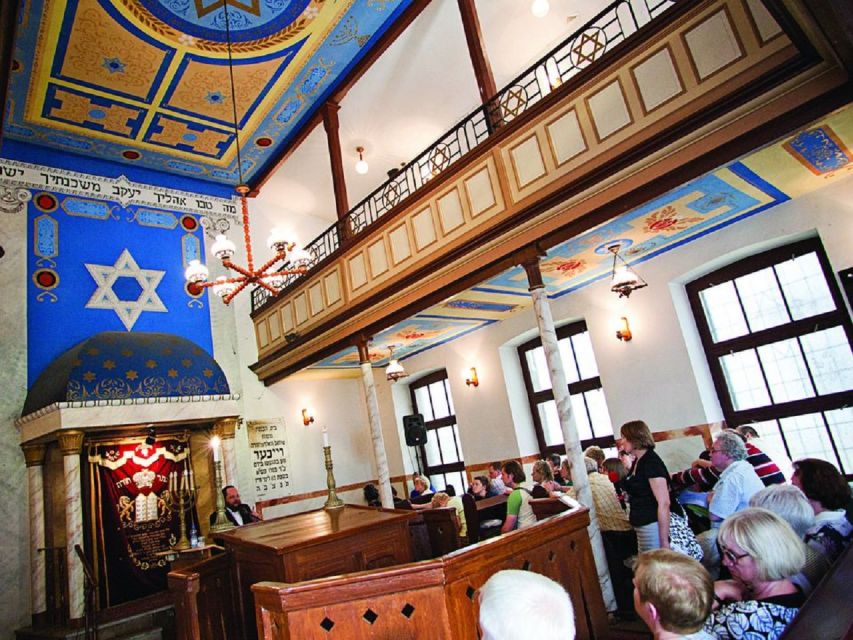
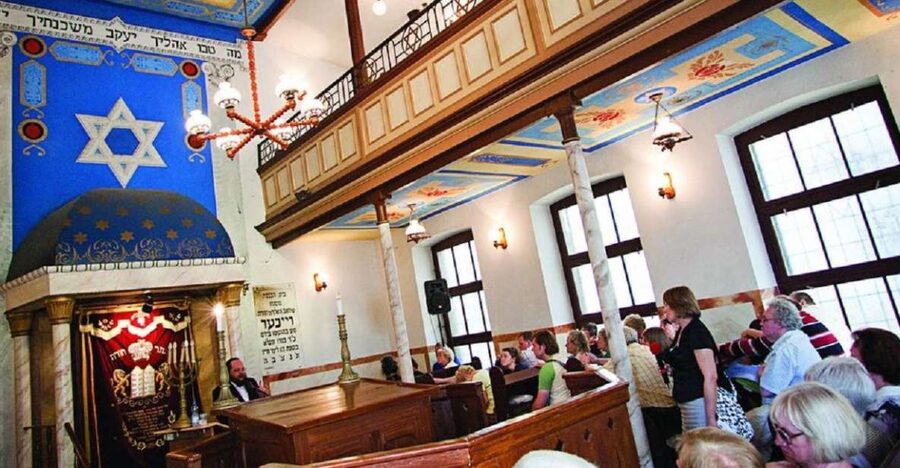
The tour includes Reicher synagogue, described as the only remaining pre-war synagogue. During occupation, it survived as a salt warehouse, which is a fascinating detail because it shows how buildings can outlast events while still being repurposed.
This stop is important for people who like to track continuity, not only loss. A surviving synagogue means there is physical continuity with pre-war Jewish community life, even if the meaning of the space changed under occupation.
When you stand in places like this, you start noticing layers. A guide can help you connect the architecture and surviving structure to the people who once used it as a community anchor.
Jewish cemetery, the largest necropolis in Poland

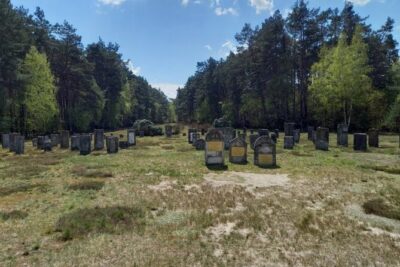
The tour visits the Jewish cemetery, identified as the largest Jewish necropolis in Poland. Even if you only view part of it, the emotional impact is real. The scale alone can make the story feel bigger than you expected.
Here is a practical point I think you should plan for: you may need to ask whether you can access areas inside the cemetery grounds beyond the outside view. Entrances are not included on this tour, so any additional ticketing for specific areas may be your responsibility.
If your guide helps you read the symbolism of the memorial setting, you will get more out of the visit. I also recommend looking for text and inscriptions. Even when your language skills are limited, the visual structure of names and markers can help you understand what you are looking at.
Israel Poznanski and Manufaktura’s industrial comeback
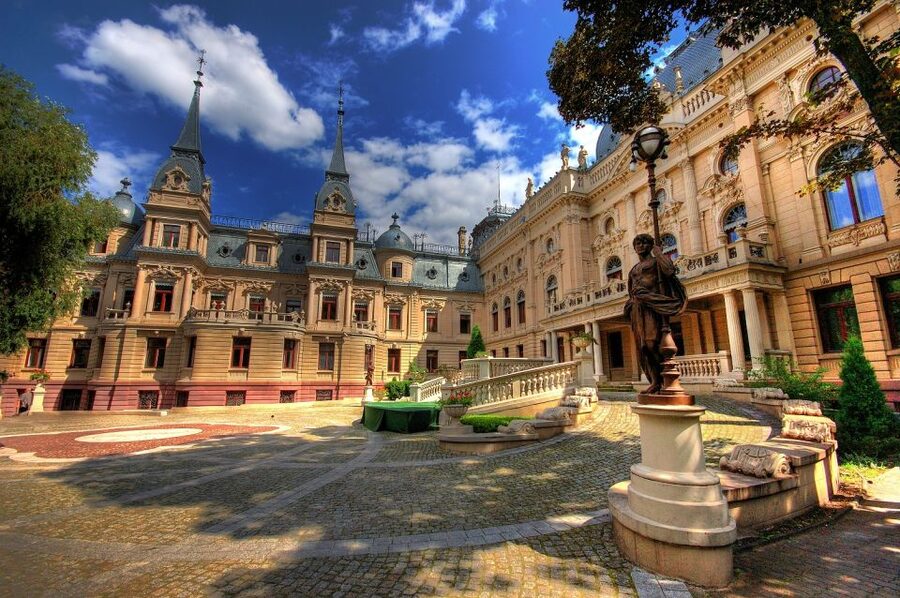
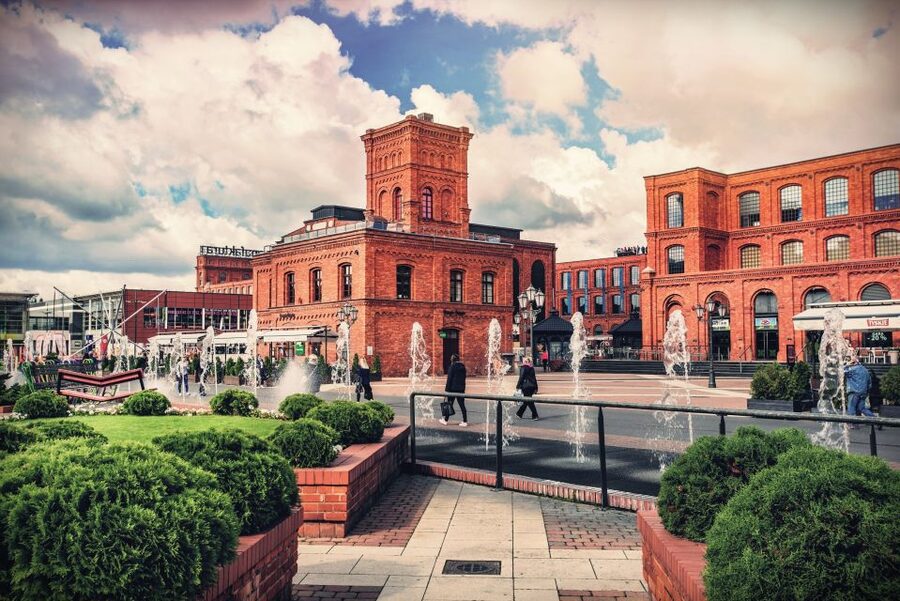
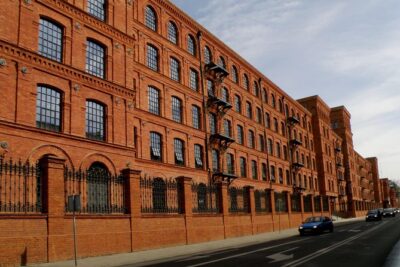
After the gravity of memorials, you get a welcome shift in scenery at Manufaktura, a renovated industrial complex that belonged to Jewish businessman Israel Poznanski. This is where the tour becomes a study in how cities rework their industrial past for modern use.
You’ll see an open-air plaza surrounded by large brick buildings, plus an impressive water feature described as the longest stretch of fountains in Europe. It can feel strange at first, walking from a memorial-heavy route into a lively public space. But that contrast is part of what makes the tour powerful. It forces you to confront time, survival, and reuse.
Think of this stop as a different kind of memory. It is not a Holocaust memorial. It is a reminder that Jewish enterprise helped build the city’s industrial identity, long before the era of ghettos and deportations. A good guide helps you hold both truths in your head at once.
Piotrkowska Street, Łódź’s long promenade finale
The tour ends with a stroll along Piotrkowska Street, Poland’s longest promenade. This is the fun part, and you will probably notice the shift in your own mood as you walk among shops, pubs, restaurants, and street life.
The guide also points out sculptures that commemorate famous inhabitants of Łódź. This is a smart way to close. Instead of ending at another site of tragedy, you end in the living city, with reminders that history did not stop. It just changed form.
If you have energy after the tour, use this time to get your bearings for independent exploration. The area around Piotrkowska is a natural place to plan your next meal or a short detour.
Price and value: what $46 buys in real guidance time
At $46 per person for a 4-hour private tour with hotel pickup, drop-off, and transportation, you are paying for more than sightseeing. You are buying interpretation, pacing, and a guided route through places that can otherwise feel confusing.
Here’s how I judge value for tours like this:
- You get context on the city before and during WWII, which is hard to reconstruct accurately on your own.
- You get access to a structured set of stops that would take time to assemble.
- You get a guide in multiple languages, helpful if you want clearer explanations rather than relying on patchy signage.
The one cost that may surprise you is entrances. Since entrances are not included, your final total could rise if indoor access is available at specific stops and you want to go in.
Still, for many people, the value comes from having someone explain why these places matter and how they connect.
Practical tips so you get more from the tour
A Jewish heritage tour in Łódź can be emotionally demanding, even when the guide keeps things clear and respectful. Your job is simple: show up ready to slow down and ask questions.
Here are a few practical moves:
- Wear shoes you can walk in for several hours, since the route is not a sit-and-watch museum circuit.
- Bring a small notebook or use your phone notes to capture names and dates your guide highlights, because it is easy to forget details once you leave the site.
- At the ghetto-related stops, read what you can on the walls and structures. Even when you do not fully understand every line, the writing helps you see how memory is layered in the present.
- If you care about access at the cemetery, ask your guide specifically what parts you can enter. Since entrances are not included, clarify what you might need to pay for.
Finally, be on time for hotel pickup. The guide is waiting in the lobby with your name, and if you miss that window, you’ll create stress for everyone.
Who should book this private tour
This tour fits best if you want:
- a guided route through major Jewish heritage sites in Łódź, including ghetto history and survivors’ remembrance
- a private experience that lets you shape questions around your interests
- an organized way to connect pre-war life, WWII trauma, and surviving landmarks like Reicher synagogue and Manufaktura
It might be less ideal if you want a very light, purely architectural tour with minimal emotional weight. This experience centers Holocaust-era history and memorial places.
Should you book the Łódź Jewish Heritage Private Tour?
If you’re spending time in Łódź and you want the city’s Jewish story told in a clear sequence, I think this is a smart booking. The combination of Radegast Station, the ghetto area, the children’s memorial, the cemetery, and the surviving Reicher synagogue gives you a strong historical spine. Then Manufaktura and Piotrkowska Street help you re-enter everyday life in the city without pretending the past isn’t there.
Book it if you value a guide who can explain the meaning behind what you see, and if you’re okay with a solemn tone in the middle of the route. Skip it or adjust expectations if your main goal is architecture and shopping with only light touches of history.
FAQ
How long is the Łódź Jewish Heritage Private Tour?
The tour lasts 4 hours.
Is pickup and drop-off included?
Yes. Hotel pickup and drop-off are included.
What sites will I visit during the tour?
You’ll follow a trail of Jewish monuments, see the Litzmannstadt ghetto area and Radegast Station, visit the Jewish cemetery, stop at the Children’s Martyrdom Monument, spend time in Survivors’ Park with memory trees, see the Reicher synagogue, visit Manufaktura, and finish with a walk on Piotrkowska Street.
Are entrances included in the price?
No. Entrances are not included.
What languages are available for the live guide?
The live guide is available in English, German, Russian, and Polish.
Is the tour private, and is there free cancellation?
It is a private group tour. You can cancel up to 24 hours in advance for a full refund.
More Tour Reviews in Lodz



Lodz, Other Reviewed Walks
Recently written up around Lodz

More Jewish Heritage and Ghetto Tours.
 ★ 4.7Schindler’s Factory & Ghetto Guided TourFrom $571,694 reviews
 ★ 4.9Jewish Quarter and Former Ghetto TourFrom $191,441 reviews
 ★ 4.9Bike Tour of Old Town, Jewish Quarter and the GhettoFrom $371,155 reviews
 ★ 4.7POLIN Museum of the History of Polish Jews TicketFrom $121,142 reviews
 ★ 4.8Kazimierz, Schindler’s Factory & Ghetto Guided TourFrom $81460 reviews
 ★ 5.0Full Bike Tour – the Old Town, Jewish Qtr & the Ghetto NEW BIKESFrom $35437 reviews
 ★ 4.9Warsaw Ghetto Private Walking Tour with Hotel PickupFrom $84369 reviews
 ★ 4.9Bike Tour of the Old Town, Kazimierz, and the GhettoFrom $26350 reviews
Also on these Poland lists