
REVIEW · GDANSK OLD TOWN TOURS
Main City in Gdańsk – tour in Polish
Gdańsk gets personal fast. This 150-minute Polish walking tour connects trader wealth, Baltic amber, and 20th-century turning points through stops like the Prison Tower and Torture Chamber, plus big civic sites including the Artus Court and Main Town Hall. I like that the guide keeps the story grounded and answer-focused, and I especially enjoy how the tone shifts from serious to lightly humorous when it fits the moment. One possible drawback is simple, you’re outside for a while, so cold or blustery weather can test your comfort.
What makes this tour work well is the way the guide handles questions and pacing. I find it refreshing when the group can ask things and still get clear, full answers, like the energy described with guides such as Kasia “Dynamit” and Klaudia. Another plus is the strong “walk-and-understand” format, so you don’t just see buildings, you learn why they matter in Gdańsk’s long story.
You’re also paying for guidance, not a museum checklist. The posted price is $26 per person, and the experience runs on a pay-what-you-see-fit approach, with your reservation including a tip for the guide, so it’s a good fit if you want structure but still like to judge value based on delivery.
In This Review
- Key highlights I’d prioritize
- Meeting at Złota Brama and spotting the yellow umbrellas
- A 150-minute Polish guided walk that moves with your questions
- What this means for you
- Prison Tower and Torture Chamber, the hard side of the city story
- The value of including this stop
- A practical consideration
- Great Armory, where trade power meets organization
- What to watch for as you listen
- Artus Court, merchant culture and public life in Gdańsk
- Why it matters for your experience
- Main Town Hall, from Napoleon’s key to Wałęsa’s turning point
- What you gain by finishing at the civic center
- Price and value: $26 plus a pay-what-you-see-fit approach
- Weather, timing, and comfort tips for a walk like this
- Who should book this Gdańsk tour?
- Should you book this tour?
- FAQ
- How long is the Gdańsk tour?
- Where do we meet for the tour?
- What language is the tour guide?
- Is the tour wheelchair accessible?
- Which sights does the tour include?
- Can I reserve and cancel, and how does payment work?
Key highlights I’d prioritize
- Prison Tower and Torture Chamber for a sharp look at how power and conflict left marks in the city
- Great Armory as a doorway to the city’s military and civic organization
- Artus Court to understand how wealthy merchant culture shaped public life
- Main Town Hall as the symbolic center for Gdańsk’s shifting identities
- Polish guide with Q-and-A energy, plus humor when the story calls for it
Gdansk repeats itself well. The other versions we reviewed
- Gdańsk City Sights & History Guided Walking Tour in English
★ 4.8 · 876 reviews - Gdansk: Firearm Shooting Experience with Instructor
★ 4.8 · 866 reviews - Gdansk: Guided Round-Trip Cruise to Westerplatte
★ 4.3 · 865 reviews - Gdańsk: Sightseeing EcoCruise around the Old Town of Gdansk
★ 4.6 · 719 reviews
Meeting at Złota Brama and spotting the yellow umbrellas
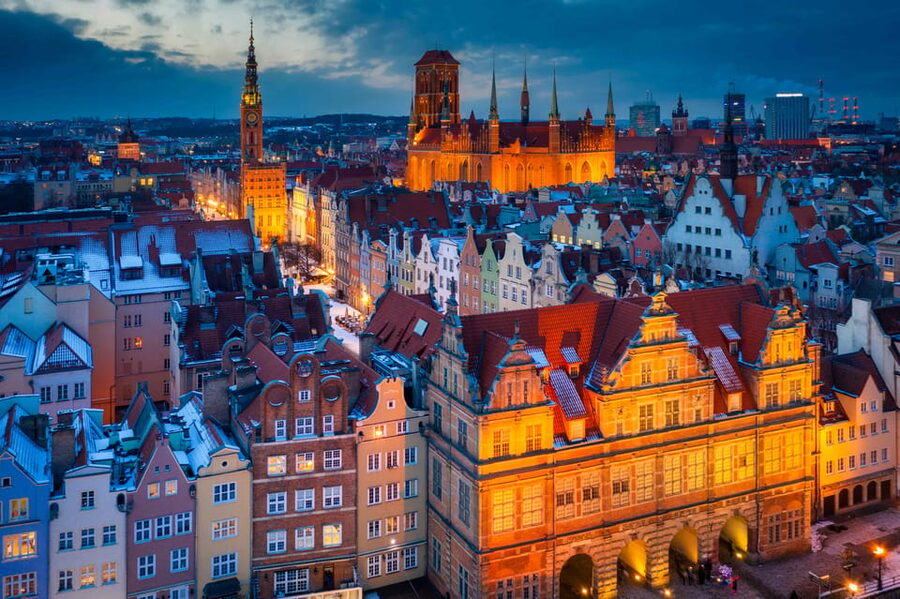
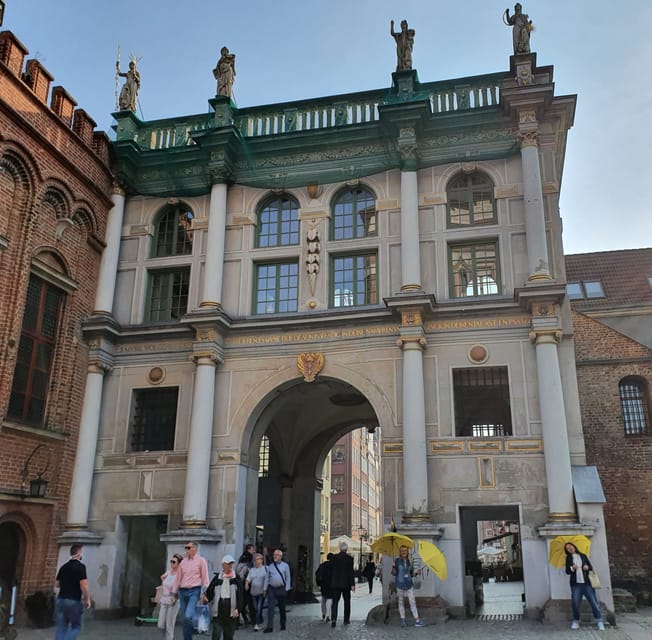
You meet at the Golden Gate (Złota Brama), and the easiest trick is to look for the group with yellow umbrellas. That small detail matters because Gdańsk can feel like it has a dozen “main entrances,” and arriving early helps you blend in without stress.
I also like that the meeting point is a recognizable landmark, which makes the start feel like real navigation, not just waiting around. Once you’re together, the tour becomes a guided walk with a storyline that moves from trading power to hard political chapters, so you’re never stuck with dead time like you sometimes get on “photo stop” tours.
A 150-minute Polish guided walk that moves with your questions
This is a guided walk for about 150 minutes, and the guide speaks Polish. If you’re comfortable with basic Polish or you prefer to lean on the guide’s explanations rather than reading a lot of signage, this format can feel very rewarding. It’s not the kind of tour where you just stand silently while someone reads a script.
The pacing seems built for conversation. Guides like Marcin, Klaudia, and Kasia “Dynamit” are described as giving clear, thoughtful answers, and they adjust the vibe depending on where you are. One day might call for straight facts and another might benefit from humor, which makes tough themes easier to absorb without turning them into a lecture.
What this means for you
If you enjoy asking questions and getting more than one sentence in response, you’re in the right place. If you don’t speak Polish and you expect every detail to be translated for you, you might find the language barrier limiting, so plan accordingly.
Prison Tower and Torture Chamber, the hard side of the city story
The tour’s biggest emotional weight comes from the stops like the Prison Tower and Torture Chamber. Even without getting stuck in specific dates, the names alone prepare you for the reality that Gdańsk was shaped by control, punishment, and conflict, not just trade and art.
I appreciate that this part of the walk is handled as part of a bigger arc. The city’s story in the tour connects wealthy maritime influence to 20th-century upheaval, including the period when Hitler created one of the largest Nazi cities in Europe with major NSDAP headquarters. The tour also references early armed clashes of World War II tied to defending the Polish Post Office in the Free City of Danzig. When you connect those dots, the dark setting feels less random and more like evidence of what the city endured.
Below are the other Gdansk trips we have logged
- Gdansk: City Sightseeing Tour by Golf Cart/Buggy Guided Tour★ 4.9 · 510 reviews
- Historic City Center Tour Gdansk in German★ 4.6 · 455 reviews
- Gdansk: Shared or Private City Tour Sightseeing By Golf Cart★ 4.8 · 233 reviews
- Gdansk Guided City Cruise on Historical Polish Boat★ 4.5 · 230 reviews
- Gdańsk: City Sightseeing Tour by Buggy/Golf Cart LIVE GUIDED 1H★ 5.0 · 208 reviews
The value of including this stop
You get balance. It would be easy for a Gdańsk overview tour to lean only toward amber souvenirs and merchant glory. Instead, this walk treats the harsh chapters as part of why the buildings and institutions look the way they do and why the city’s identity keeps shifting.
A practical consideration
Because this theme is intense, it can feel like a mental workload, especially if the group is tired. If you’re sensitive to grim topics, you might want to take a breather during the walk and focus on the guide’s explanations, not the mood.
Great Armory, where trade power meets organization
Next up is the Great Armory. I like this stop because it acts like a bridge between the city’s wealth and its readiness to defend itself. In the tour narrative, Gdańsk’s rise comes from traders from across Europe, the so-called Danzigers, and the port role that brought grain, wood, and amber, often called the gold of the Baltic Sea.
When you stand near a place tied to arms and preparedness, the trading story clicks into something more real. Wealth is not just fancy goods and festivals. It is also the ability to organize, build, and protect, especially in a port city with attention from many powers.
What to watch for as you listen
Stay focused on how the guide connects institutions. Even if you are not a history fanatic, the armory stop can help you understand how a city that profits from the sea also plans for political pressure.
Artus Court, merchant culture and public life in Gdańsk
The tour includes the Artus Court, and this is one of the best stops for seeing Gdańsk as a place run by relationships, not just rulers. The tour’s background on wealthy traders from many corners of Europe helps you understand why merchant communities developed their own social and civic rhythm.
Artus Court feels like the kind of setting where decisions, networks, and status traveled through real people. It also fits with the idea that Gdańsk became a major independent city over time. In other words, this stop supports the theme that the city wasn’t always just “a part of somewhere else,” it was its own center of gravity.
Why it matters for your experience
If you want Gdańsk to feel like more than postcards, this is where the city becomes human. You learn to picture how traders and residents interacted, and you see how those patterns set the stage for later political upheavals.
Main Town Hall, from Napoleon’s key to Wałęsa’s turning point
The walk ends with major civic symbolism, including the Main Town Hall. This is the part where the tour story starts to feel like it is about identity, not just architecture.
The tour narrative references Napoleon’s role in creating the first Free City of Danzig, plus his line that Gdańsk is the key to everything. Then it contrasts that with the later dark reality when the city became a major Nazi center with NSDAP headquarters. Finally, it brings things toward the end of communism in this part of Europe, through the strike by shipyard workers led by Lech Wałęsa.
What you gain by finishing at the civic center
You finish with context. The town hall is not only a building you photograph. It becomes a summary point where you understand how Gdańsk keeps reinventing itself under pressure, whether the pressure comes from empires, wars, or ideological systems.
Price and value: $26 plus a pay-what-you-see-fit approach
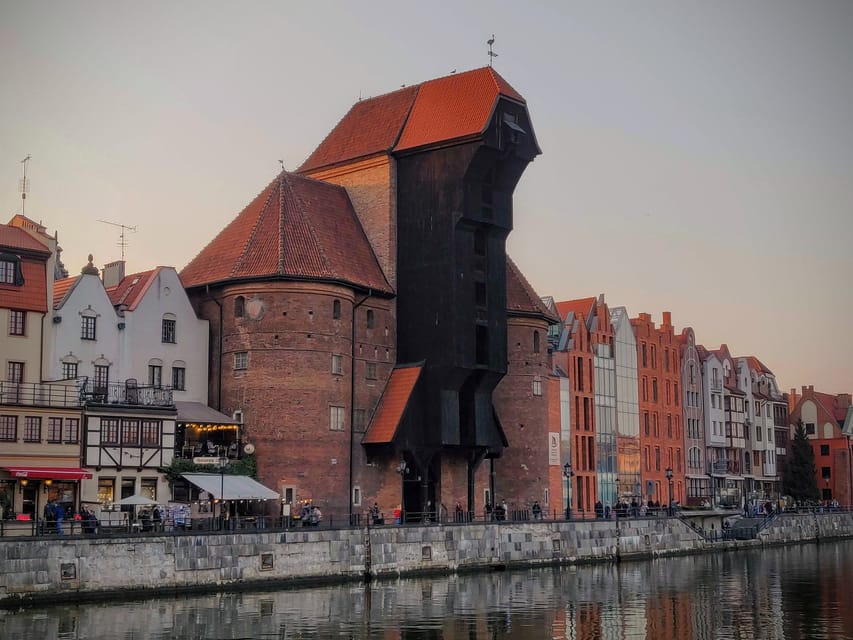
The stated price is $26 per person for about 150 minutes, and that is a fair range for a guided city walk that includes multiple major stops. The more important part is the pay-what-you-see-fit model. When you reserve, you pay a tip for the guide through the booking platform, and that means the final sense of value is tied to your satisfaction with the guidance.
Here’s how I’d think about value for you:
- If you want a guided story that ties together ports, amber, merchant culture, and 20th-century events, $26 can feel like good “information per minute.”
- If you prefer self-guided wandering with minimal talking, you may not get full value, because the guide is the point of the experience.
- If you care about Q-and-A, and you like humor used at the right moments, you’ll likely feel the value more strongly.
I also like that the tour is not trying to lock you into a fixed “buy this, see that” style where you have no control over the final tip. It is a good match for visitors who want to reward strong guiding while still keeping expectations realistic.
Weather, timing, and comfort tips for a walk like this
The reviews include an example of snow and wind, and the message is clear, this tour still works in rough weather when the guide keeps the group moving and the stories coming. Still, you should plan for outdoors time. Wear layers, bring gloves if it’s cold, and have a rain shell ready if the forecast looks dramatic.
Also, bring a mindset shift. This tour is not only about looking. It’s about listening and connecting themes. If you arrive distracted, you lose value. If you arrive ready to ask questions, you get more than you paid for.
One more small practical note: if you want photos, do them while the guide transitions, not mid-sentence. It keeps the experience smooth and helps you follow the story without missing details.
Who should book this Gdańsk tour?
This tour is best for you if:
- You want an organized overview that still feels story-driven
- You like history that includes both trade wealth and hard political chapters
- You prefer guided conversation over solo museum time
- You are okay with Polish language and want the guide to be your main “map”
It might not be the best match if:
- You dislike walking outside for about 2.5 hours
- You need a fully multilingual explanation for every detail
- You want a light, entertainment-only tour with no serious themes
Should you book this tour?
If you are visiting Gdańsk and you want to understand why the city matters, this is a strong choice. The inclusion of the Prison Tower and Torture Chamber alongside merchant and civic landmarks helps you see Gdańsk as a place that keeps changing, not a place stuck in one era. Add in a guide who handles questions well, with humor where it fits, and you have a format that feels both structured and personal.
My advice: book it early in your Gdańsk plan. You’ll leave with the context that makes everything else you see feel more connected, from the city’s trading roots to its 20th-century turning points.
FAQ
How long is the Gdańsk tour?
The tour lasts 150 minutes.
Where do we meet for the tour?
You meet at the Golden Gate (Złota Brama). Look for the guide with yellow umbrellas.
What language is the tour guide?
The live tour guide speaks Polish.
Is the tour wheelchair accessible?
Yes, the tour is wheelchair accessible.
Which sights does the tour include?
The tour includes the Prison Tower and Torture Chamber, the Great Armory, Artus Court, and the Main Town Hall in Gdańsk.
Can I reserve and cancel, and how does payment work?
You can reserve and pay later. You can cancel up to 24 hours in advance for a full refund. The tour uses a pay-what-you-see-fit model, and when you reserve via GetYourGuide you pay a tip for the guide.
More Tours in Gdansk


More Tour Reviews in Gdansk



Gdansk, Three More Ways
Recently written up around Gdansk

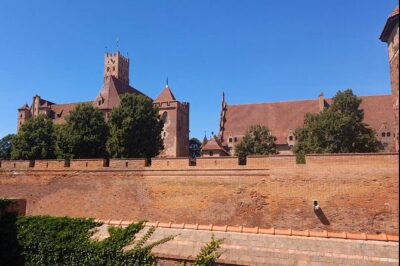




More Gdansk Old Town Tours.
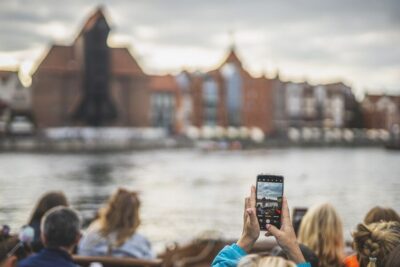 ★ 4.8City Cruise on Historical Polish BoatFrom $222,913 reviews
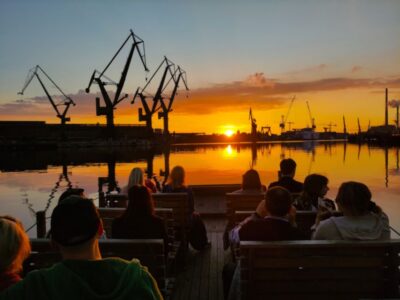 ★ 4.9Sunset Cruise on a Historic Polish BoatFrom $26977 reviews
 ★ 4.8Gdańsk City Sights & History Guided Walking Tour in EnglishFrom $26876 reviews
 ★ 4.8Firearm Shooting Experience with InstructorFrom $41866 reviews
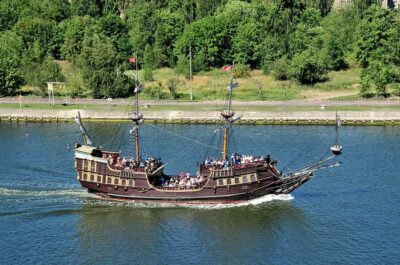 ★ 4.3Guided Round-Trip Cruise to WesterplatteFrom $33865 reviews
 ★ 4.6Sightseeing EcoCruise around the Old Town of GdanskFrom $19719 reviews
 ★ 5.0Main Town Gdańsk Walking TourFrom $26644 reviews
 ★ 5.0Gdansk Pub Crawl with Free DrinksFrom $21553 reviews
Also on these Poland lists