
REVIEW · AUSCHWITZ-BIRKENAU MEMORIAL TOURS
Oswiecim: Auschwitz-Birkenau Skip-the-Line Entry Tickets
Auschwitz needs good planning, not chaos. This skip-the-line Auschwitz-Birkenau ticket pairs you with a licensed guide and headsets, so you can focus on what matters: the sites, the evidence, and the story told clearly. I like that you cover both Auschwitz I and Auschwitz II Birkenau in one organized flow, and I like that the tour is structured enough to keep your questions and emotions from turning into lost time.
The main drawback is simple and logistical: the meeting spot can be tricky to find when the area is busy, and you still have to pass airport-style security before entry, which can add uncertainty to the exact start. Build in extra patience, and double-check your participant names match your ID.
In This Review
- Key Things You’ll Notice on This Auschwitz-Birkenau Tour
- Why This Skip-the-Line Auschwitz-Birkenau Ticket Really Helps
- Price and Value: What You’re Paying For
- Meeting Point, Security, and the One Logistics Tip That Saves Stress
- Auschwitz I: From the Main Gate to the Remaining Gas Chambers and Crematories
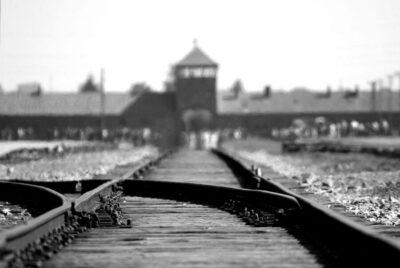
- Birkenau (Auschwitz II): Wooden Blocks, Inhumane Living Conditions, and the Industrial Scale
- The Licensed Guide and Headsets: How You Get the Meaning, Not Just the Sightseeing
- Time, Timing Changes, and Why You Should Treat This Like a Whole-Day Commitment
- Transportation Between Auschwitz I and Birkenau: Plan It, Then Stop Worrying
- What to Bring, What Not to Bring, and How to Make Entry Smooth
- Who This Tour Is For (And Who Might Want a Different Setup)
- Should You Book This Auschwitz-Birkenau Skip-the-Line Tour?
- FAQ
- How long is the Auschwitz-Birkenau skip-the-line tour?
- What does skip-the-line mean for this experience?
- Which sites are included?
- Where do I meet the group?
- Is transportation included in the price?
- Do I need an ID or passport?
- Are headsets provided?
- Is an e-book included?
- What items are not allowed?
- Is cancellation free, and what about time changes?
Key Things You’ll Notice on This Auschwitz-Birkenau Tour
- Skip-the-line entry saves you from wasting precious time outside
- Headsets help you hear every word, even in crowded sections
- Auschwitz I first gives you key context before you move to Birkenau
- Birkenau’s scale hits hard, with wooden blocks and industrial remains
- Licensed guide route keeps the visit organized and respectful
- Security screening plus limited bag rules means you should travel light
Other Auschwitz-Birkenau visits we have reviewed, with entry and transport noted
- Auschwitz-Birkenau Skip-the-Line Ticket and Guided Tour
★ 4.4 · 1,241 reviews - Krakow: Auschwitz-Birkenau Private Guided Tour
★ 4.3 · 167 reviews - Oswiecim: Auschwitz-Birkenau Skip-the-Line Entry Tickets
★ 4.0 · 63 reviews - Auschwitz-Birkenau: Memorial Entry Ticket and Guided Tour
★ 3.9 · 54 reviews
Why This Skip-the-Line Auschwitz-Birkenau Ticket Really Helps
This is one of those experiences where the goal is not to rush through, it is to arrive ready. A skip-the-line ticket sounds small until you are standing near a heavy-security bottleneck with limited patience. Here, you skip the ticket line access, then immediately transition into the museum flow with your guide leading you through the sites.
I also like the way this tour handles the hardest part: information. Auschwitz is not easy, and the difference between a confusing visit and a guided one is huge. With an English live tour guide and headsets, you are not forced to strain your ears over background noise, and you are not stuck guessing what you are looking at.
Finally, the ticket covers both Auschwitz I and Auschwitz II Birkenau. That matters because the two areas work together as one account, with Auschwitz I giving you the foundation and Birkenau showing the scale of the industrial genocide. Seeing them back-to-back, even at a solemn pace, tends to make the story click faster.
Price and Value: What You’re Paying For
At $81 per person for a 210-minute experience, the price sits in the “yes, it’s expensive, but it’s not random” category. You are paying for more than entry tickets. You are paying for a licensed guide, headsets, and an English e-book for each participant.
What you are not paying for is transportation. The listing notes transportation is not included, so you should budget time and money (or already have a plan) to get from Auschwitz I to Birkenau according to how the tour day is organized. If you assume it will be handled for you without checking, that’s where you can get surprised.
So here is the value equation I’d use: if you want context, clear narration, and an organized route through two major sites, this format is a strong use of your day. If you are trying to squeeze in as much independent time as possible after the guided portion, you might consider a different approach, or at least plan for flexibility.
Meeting Point, Security, and the One Logistics Tip That Saves Stress
The meeting point is at the museum Auschwitz near luggage storage, on the side of the main entrance museum building. In theory, that sounds straightforward. In practice, busy entry areas make it harder than it should be to spot your group quickly.
One practical lesson from past start-up headaches: the car park and nearby spaces can be crowded, and it can be hard to identify the correct group fast. Your best move is to arrive early, and bring a screenshot of the exact meeting point as shown in your booking details. If you can, also look for your guide’s or operator’s signage in the area.
Then comes security. All visitors must pass through airport-style security, and you should plan for that time. Also, you cannot bring pets, weapons or sharp objects, oversize luggage, luggage or large bags, or alcohol and drugs.
Travel light. If you can fit your essentials into a small bag, do it. You will spend less time juggling items and more time preparing your mind for what you are about to see.
Auschwitz I: From the Main Gate to the Remaining Gas Chambers and Crematories
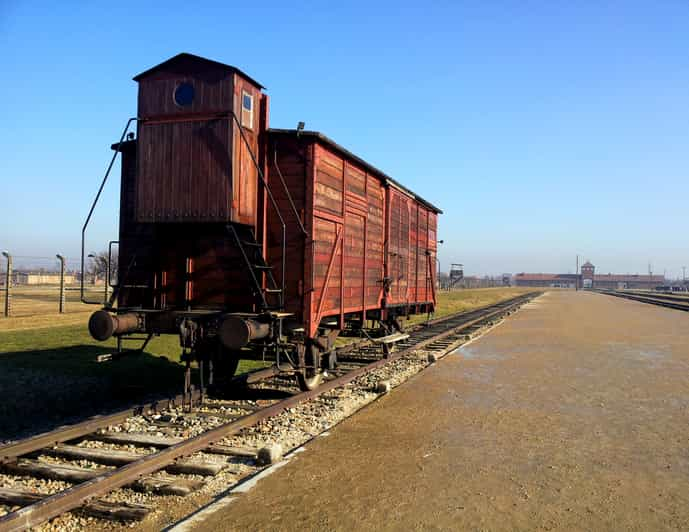
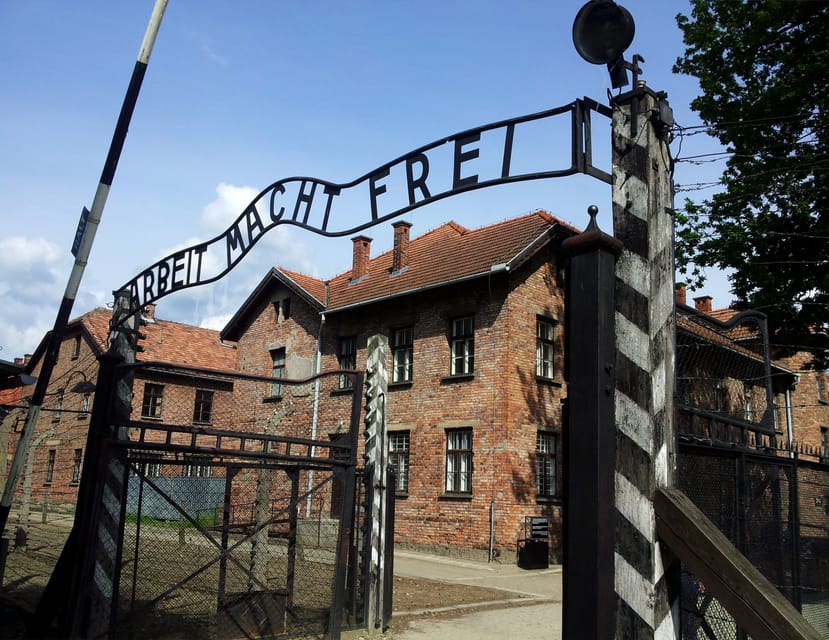
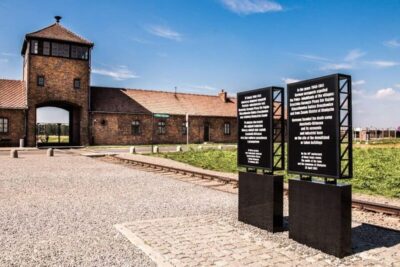
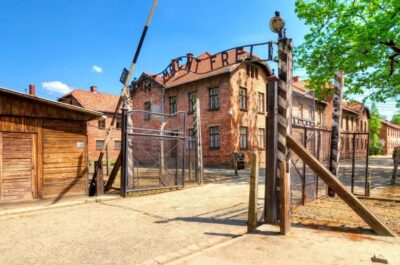
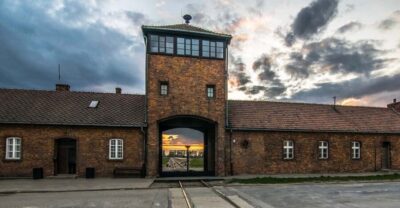
The tour begins at the Auschwitz I memorial and museum. You first enter through the main gate with the inscription Arbeit Macht Frei (work sets you free). That detail is more than a label. It is one of those chilling reminders that lies and propaganda were part of how Nazi systems tried to control people’s perceptions.
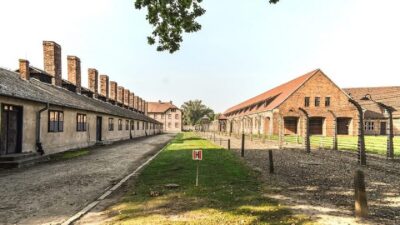
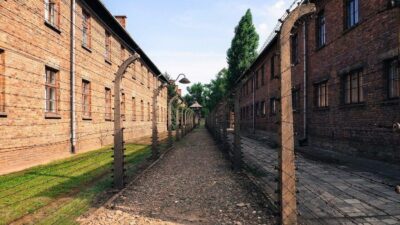
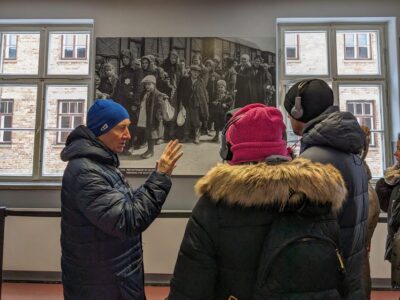
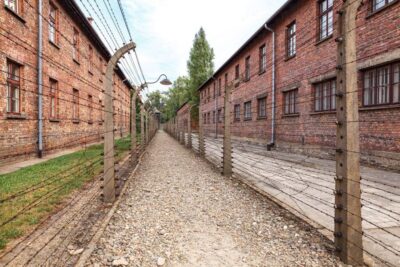
From there, the guided portion is built around context and evidence. You move past brick barracks, and you see artifacts and photographs of prisoners. You also get reconstructions of the whole complex, which can help you visualize what the camp looked like in its functioning days, rather than only as remains today.
A key moment in Auschwitz I is visiting the only remaining gas chambers and crematories. The wording matters because this is not a themed attraction. The museum approach is about documentation, memory, and proof. Your guide’s job is to keep the information accurate and anchored, and that is why having headsets helps. You are less likely to miss essential explanation when the group shifts position.
What to watch for: Auschwitz I can feel dense. There’s a lot of information packed into a structured route. If you are the kind of person who likes to read every sign, you might feel the time pressure. Accept that the guide is doing the heavy lifting here. Use any spare minutes for close looking, and save longer reading for the museum spaces if you have extra time on your own day.
Below are the other Memorial And Museum Auschwitz Birkenau trips we have logged
- RoundTrip from Krakow to Auschwitz + Entrance Tickets★ 4.9 · 10 reviews
Birkenau (Auschwitz II): Wooden Blocks, Inhumane Living Conditions, and the Industrial Scale
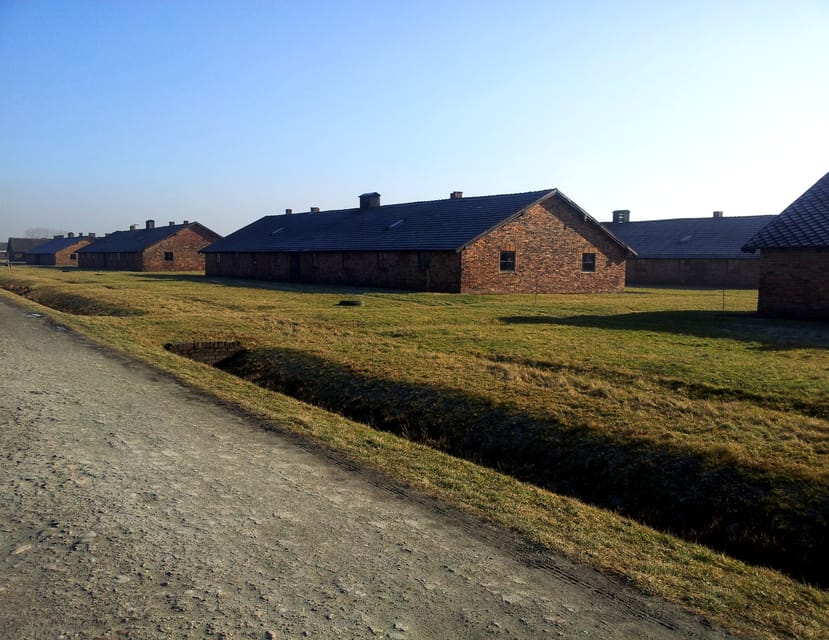
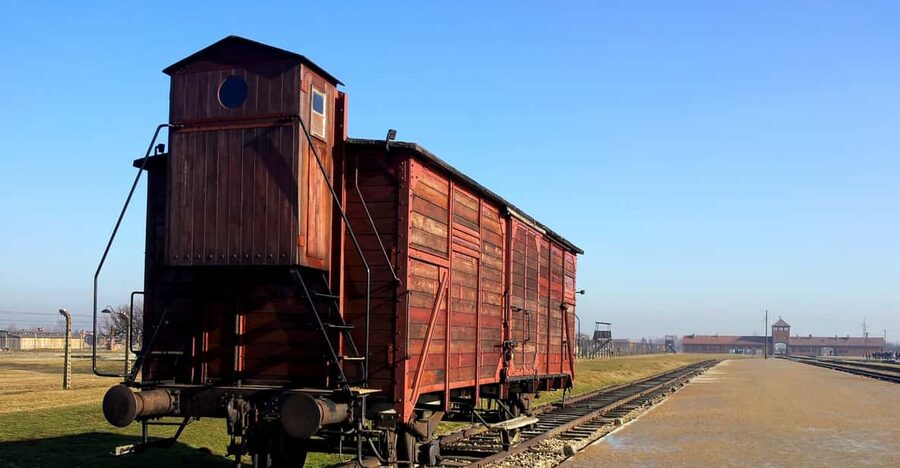
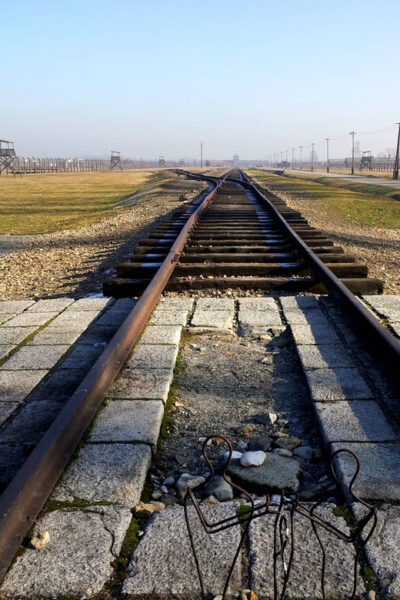
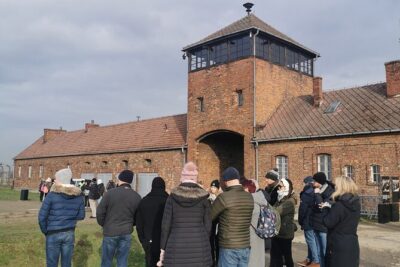
After Auschwitz I, you continue with your guide to Birkenau for about an hour. This is where the experience changes from understanding the system to confronting its scale.
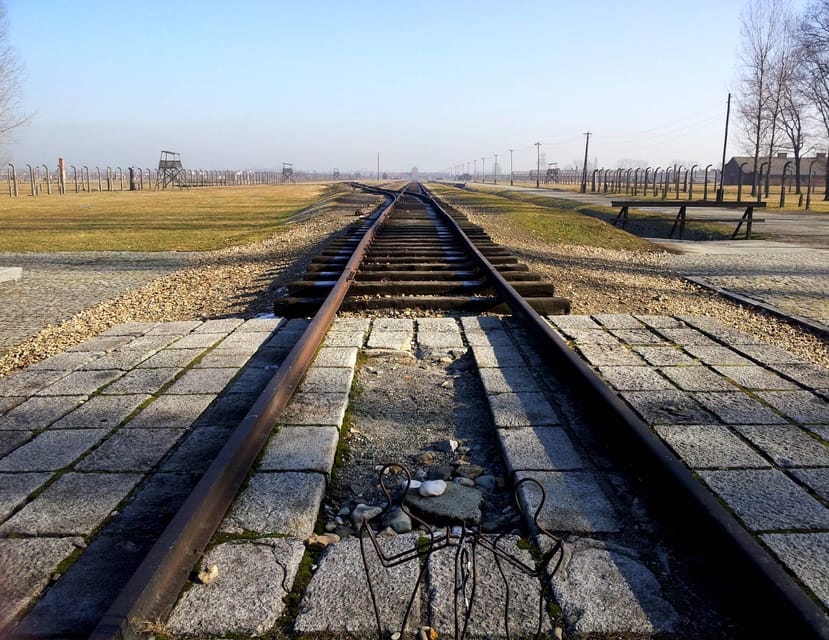
Birkenau includes the wooden blocks where almost 1,000 people were living in inhumane conditions. Even if you have seen photos before, the layout and what remains on the ground can feel more immediate than images on a screen. The tour keeps you moving through key areas, so you are not stuck wandering without a frame.
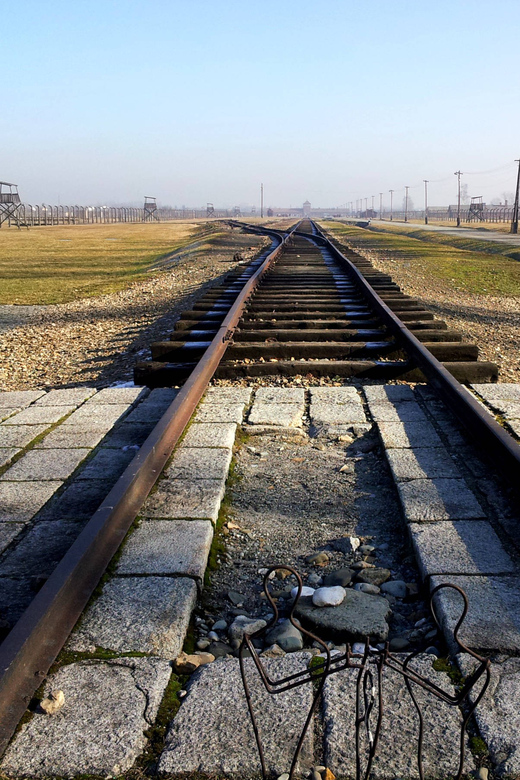
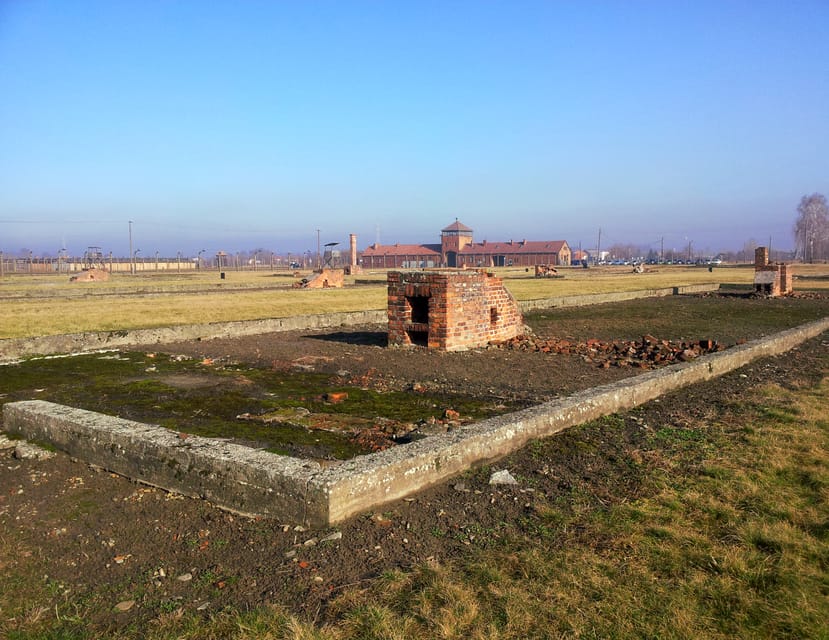
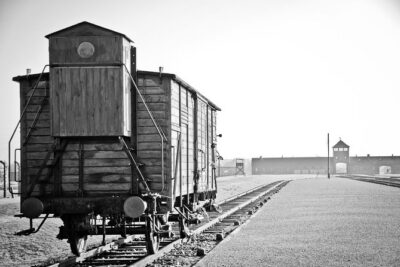
Then you see the ruins of gas chambers and crematoria. The tour describes this as part of the industrial genocide of Nazi Germany, and that phrase is not meant to be abstract. The remains, the planning, and the evidence point to a system designed for mass killing and processing.
The emotional rhythm here is different. Auschwitz I often feels like a place where you understand mechanisms and history. Birkenau can feel like a place where the numbers and geography overwhelm you. If you try to rush through Birkenau, you lose the effect of seeing just how much space was used and how brutally the system operated.
A practical consideration: Birkenau is spread out. It is not a museum you casually stroll through at your own speed during the guided portion. Bring water if it’s allowed for your day and plan for breaks where the group pauses, rather than expecting long stops for your own pacing.
The Licensed Guide and Headsets: How You Get the Meaning, Not Just the Sightseeing
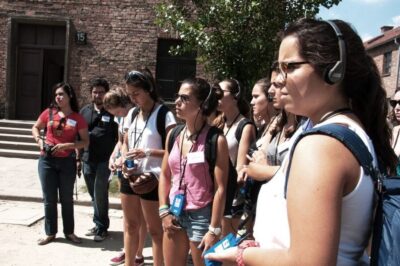
The tour’s biggest strength is the human element: a licensed guide in English, with headsets so you can hear clearly. That sounds like a convenience feature, but it is actually part of what makes the visit work.
When you are standing in places that many visitors find hard to process, the guide’s clarity matters. In one example of past performance, the guide named Suzanna was described as knowledgeable and suitably solemn. The exact style may vary by day, but the goal is consistent: accurate explanations, a steady route, and a tone that respects the sites.
The headsets also reduce stress. You are not turning around to find the guide, and you are not missing key points when the group shifts lanes. For tours like this, hearing is part of dignity.
If you want to get more out of it: listen closely at the big turning points, especially when the guide connects evidence in one area to what you will see in the next. Auschwitz I sets context, Birkenau changes scale. If you catch that transition, the rest of the visit tends to make more sense.
Time, Timing Changes, and Why You Should Treat This Like a Whole-Day Commitment
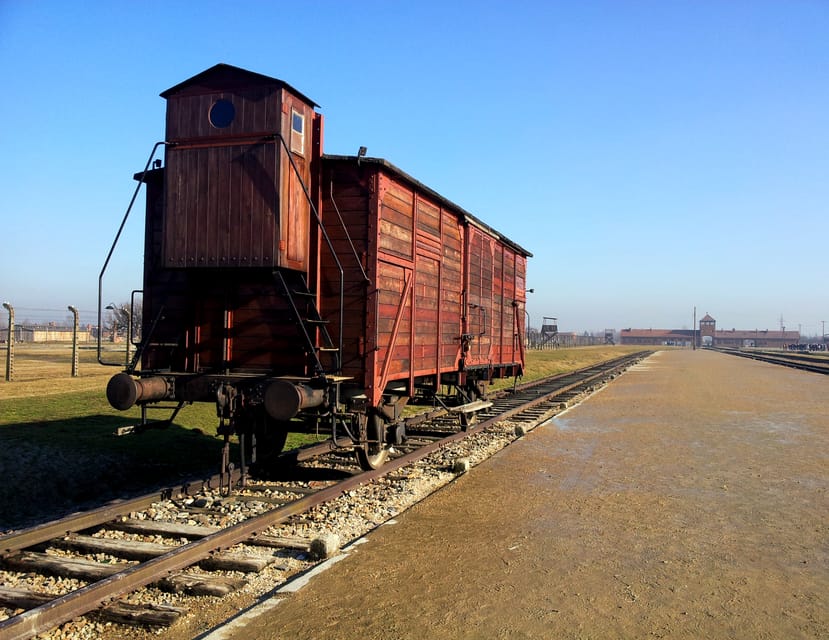
The duration is listed as 210 minutes, and the schedule outline suggests about two hours at Auschwitz I and about one hour at Birkenau, with time for movement and security.
One important note: the booked hours are tentative and may change due to museum availability. The listing also advises that refunds due to time changes will not be accepted. The practical message is simple. Save a whole day for this tour, and do not stack tight plans right after you expect to be finished.
Why this matters: if you are relying on a specific train or connection immediately after, you could end up stressed. With security, bag checks, and group pacing set by museum staff, your schedule needs slack.
Also remember that the pace and duration of tours at the memorial are determined solely by the museum’s visitor service. That means you should expect it to be more guided and fixed than a normal city walking tour.
Transportation Between Auschwitz I and Birkenau: Plan It, Then Stop Worrying
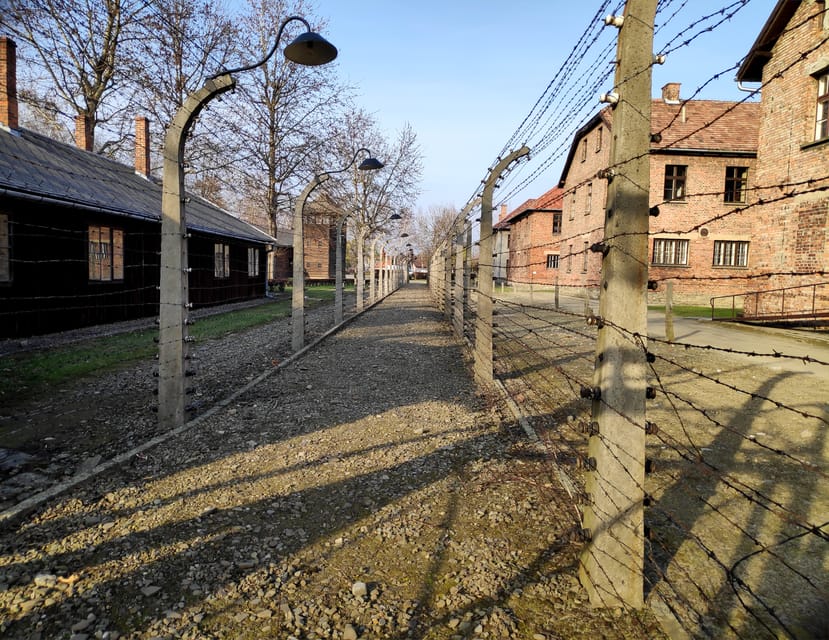
Transportation is not included in the tour price. That can be confusing because the itinerary still moves you from Auschwitz I to Birkenau as part of one guided experience.
Here is how to handle it responsibly: treat transportation as something you must plan. If your booking details clarify a group transfer, great. If not, you should arrange your own route between the two sites so you are not trying to figure it out under time pressure.
One helpful tip from people who have done similar planning: if you control your own return transport, you are less locked into a strict bus schedule. With your own ride, you may be able to spend more time in Birkenau after the guided portion. Birkenau is huge, and if you only have guided minutes, you might want extra time to read, look closely, and absorb.
So, if you like flexibility, consider arranging transportation that gives you breathing room. If you prefer structure and you are confident with public transport timing, you can keep it simple. Either way, don’t leave the between-camp plan as a last-minute surprise.
What to Bring, What Not to Bring, and How to Make Entry Smooth
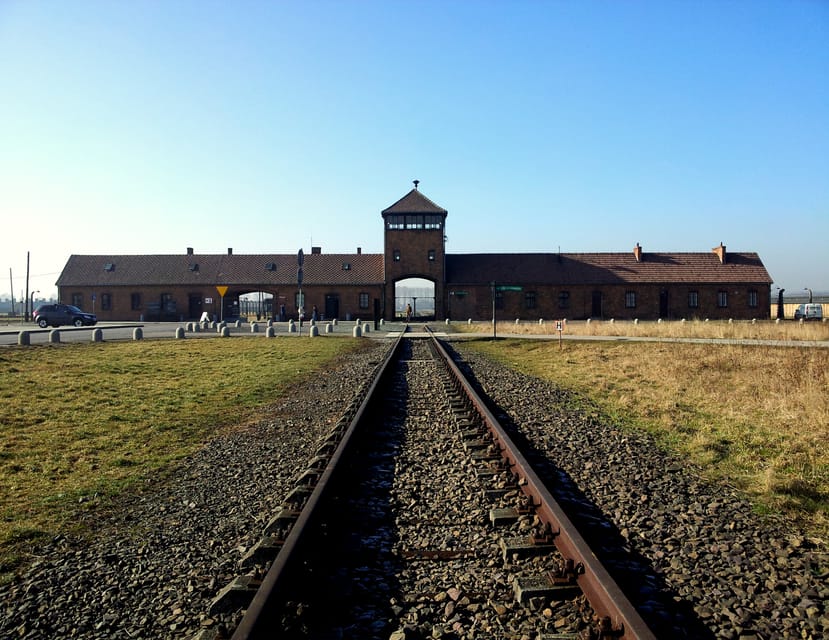
You just need a passport or ID card. That’s easy, but it can be the reason you lose entry if you forget it.
The tour also has a strict rules note that is easy to overlook: you must provide the full names of all participants exactly as they appear on identification documents. If the name on your booking does not match what you show at the entrance, you may be refused entry. So double-check spellings for every participant name before you go.
For what you cannot bring: no pets, no weapons or sharp objects, no oversize luggage, no luggage or large bags, and no alcohol or drugs. If you like to travel with a big daypack, this is the time to scale down.
If you plan around these rules, entry tends to feel smoother and less stressful. Then your mental energy can go toward the experience itself.
Who This Tour Is For (And Who Might Want a Different Setup)
This is a good fit if you want:
- a structured, guided route through both sites
- an English-speaking experience with headsets
- context delivered in a way that helps you make sense of what you are seeing
- skip-the-line ticket convenience so you lose less time at the start
It may be less ideal if you want:
- a completely self-paced visit where you can wander freely without a group route
- lots of time for extended independent reading at every stop
- a flexible day schedule with zero time uncertainty
If you are sensitive to crowds, this tour can still work, but you should be prepared that group pacing controls much of your time inside. If you are bringing children, keep in mind the information is heavy and the visit is designed around museum narration, not kid-friendly entertainment.
Finally, if you are very organized about maximizing sight time, consider pairing the guided portion with additional independent time only if you manage logistics carefully. Birkenau is the place where extra minutes can be worth it.
Should You Book This Auschwitz-Birkenau Skip-the-Line Tour?
Book it if you want a guided, English-led visit that covers Auschwitz I and Birkenau with headsets, a licensed guide, and skip-the-line ticket access. The structure, the clear narration, and the focus on key evidence points make it a strong value for a 210-minute visit.
Don’t book it if you are hoping to treat this like a casual checklist stop. The security process, the rules, the name matching requirement, and the fixed museum pacing mean you will need to plan well. Also, because transportation is not included, make sure your between-camp plan is real, not imaginary.
If you decide to go, go prepared. Travel light, arrive early, match names to your ID, and give yourself a whole day. That is how you turn a stressful logistics day into a visit that is as clear, respectful, and meaningful as it can be.
FAQ
How long is the Auschwitz-Birkenau skip-the-line tour?
The tour duration is listed as 210 minutes.
What does skip-the-line mean for this experience?
The ticket includes skip-the-line ticket access for entry to the Auschwitz-Birkenau Memorial Sites.
Which sites are included?
You visit Auschwitz I and Auschwitz II Birkenau with a licensed guide.
Where do I meet the group?
The meeting point is near the luggage storage area on the side of the main entrance museum building at Auschwitz I.
Is transportation included in the price?
Transportation is not included.
Do I need an ID or passport?
Yes, you need to bring a passport or ID card.
Are headsets provided?
Yes, headsets are included to hear the guide clearly.
Is an e-book included?
Yes, an e-book copy in English is included for each participant.
What items are not allowed?
Pets, weapons or sharp objects, oversize luggage, luggage or large bags, and alcohol and drugs are not allowed.
Is cancellation free, and what about time changes?
You can cancel up to 24 hours in advance for a full refund. The booked hours are tentative and may change, and refunds due to time changes will not be accepted.
More Tickets in Memorial And Museum Auschwitz Birkenau


More Tour Reviews in Memorial And Museum Auschwitz Birkenau

Auschwitz-Birkenau: Other Reviewed Visits
Recently written up around Memorial And Museum Auschwitz Birkenau
More Auschwitz-Birkenau Memorial Tours.
 ★ 4.5Auschwitz-Birkenau Guided Tour & Hotel PickupFrom $2133,358 reviews
★ 4.5Auschwitz-Birkenau Guided Tour & Hotel PickupFrom $2129,340 reviews
 ★ 4.5Auschwitz Guided Tour with Optional Hotel PickupFrom $6915,280 reviews
 ★ 4.5Auschwitz-Birkenau Guided Tour with Pickup & LunchFrom $219,800 reviews
 ★ 4.5Auschwitz-Birkenau Guided Tour Pickup/Lunch OptionsFrom $2009,057 reviews
 ★ 4.7Auschwitz-Birkenau and Salt Mine Guided TourFrom $549,020 reviews
 ★ 5.0Krakow to Auschwitz Birkenau Guided Tour with Transfer and TicketFrom $368,197 reviews
 ★ 4.0Auschwitz Birkenau Tour with TransferFrom $216,134 reviews
Also on these Poland lists