
REVIEW · AUSCHWITZ-BIRKENAU MEMORIAL TOURS
Auschwitz-Birkenau: Memorial Entry Ticket and Guided Tour
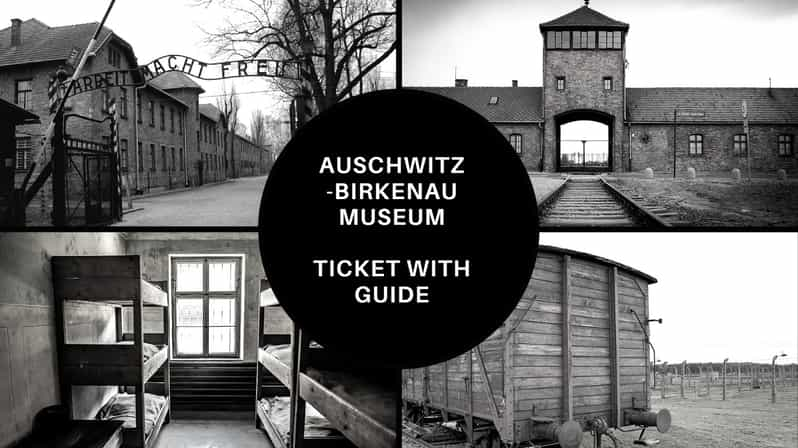
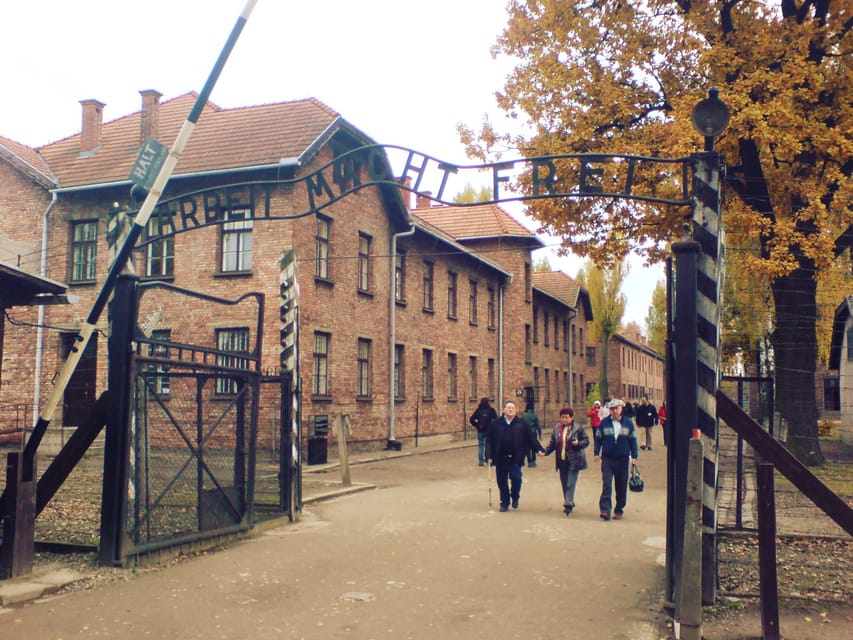
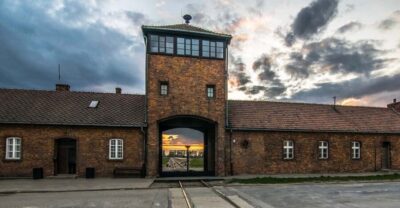
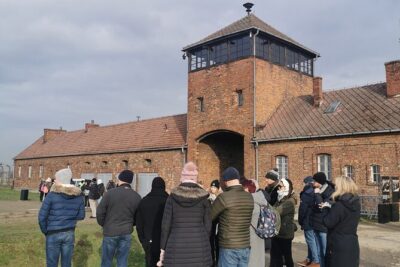
The gate feels heavier than it looks, and this Auschwitz-Birkenau tour saves you time with skip-the-line entry plus headsets that keep the guide’s words clear even when your group spreads out. You’ll see the infamous entrance area, barracks, and the railway platform that links the two parts of the memorial.
One thing to consider is timing. The tour start can be approximate, and if your group arrives late or the schedule shifts, you may feel the squeeze on the full route.
In This Review
- Key things to know before you go
- Auschwitz I to Auschwitz II in 210 minutes, with the right structure
- Price and value for $55: what you’re paying for, and what you must arrange
- Meeting point at Auschwitz I: the parking gate detail that matters
- Entrance rules: ID matching, bag size, and dress codes you cannot ignore
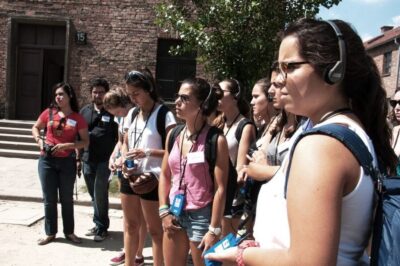
- Headsets make the guide work: how the audio setup improves your visit
- Auschwitz I: gate, ground-level walk, barracks, and the built-in context
- The guide style question: what happens if the tour feels rushed
- The on-site bus to Auschwitz II-Birkenau: why the transfer is part of the point
- Auschwitz II-Birkenau: railway platform, transport story, and gas chamber ruins
- Group size and your hearing comfort: how the headset changes your place in line
- What to do before and after: making your day feel respectful and manageable
- Should you book this Auschwitz-Birkenau guided tour?
- FAQ
- How long is the Auschwitz-Birkenau memorial guided tour?
- Do I need to arrange my own transport to Auschwitz?
- Where do I meet the guide?
- Are headsets included?
- What identification do I need?
- Is the tour suitable for children or people with mobility impairments?
Key things to know before you go
- Skip-the-line entry to Auschwitz-Birkenau Memorial and Museum
- Live English guide with headsets for clear audio
- Auschwitz I and Auschwitz II-Birkenau in one organized visit
- On-site bus transfer between the two camps
- Strict entry rules for ID matching, bag size, and dress
- Build in slack so delays do not steal time from the second camp
Other Auschwitz-Birkenau visits we have reviewed, with entry and transport noted
- Auschwitz-Birkenau Skip-the-Line Ticket and Guided Tour
★ 4.4 · 1,241 reviews - Krakow: Auschwitz-Birkenau Private Guided Tour
★ 4.3 · 167 reviews - Oswiecim: Auschwitz-Birkenau Skip-the-Line Entry Tickets
★ 4.0 · 63 reviews - Auschwitz-Birkenau: Memorial Entry Ticket and Guided Tour
★ 3.9 · 54 reviews
Auschwitz I to Auschwitz II in 210 minutes, with the right structure
This is one of those tours where the value is not the checklist. The value is how the route is managed. In about 210 minutes you cover both Auschwitz I and Auschwitz II-Birkenau with a guide, and you get the context that turns scattered buildings into a clear, painful story.
You’re also spared one common headache: lines. With the included skip-the-line tickets, you’re not stuck waiting while everyone else gets processed first. That matters here because your time is better spent walking the grounds, reading what you can, and letting the guide connect details across both camps.
The tour format is simple: you start at Auschwitz I, then you move to Auschwitz II-Birkenau after the first part, using a short bus transfer available on-site. The guide leads you through the key areas, including barracks and the railway platform in Birkenau. It’s a clear plan for a visit that can otherwise feel chaotic.
Price and value for $55: what you’re paying for, and what you must arrange
At $55 per person, you’re paying for three concrete things: tickets that get you in without line-waiting, a live guide in English, and headsets so you can hear instructions and narration. For many people, those three items are the difference between a “tour” and a “memoriam visit with meaning.”
What you are not paying for is just as important:
- You provide your own transport to Auschwitz and back.
- Food and drinks are not included.
That means you should plan to arrive ready to walk and to stay focused for a few hours. Comfortable shoes are not optional. Also, because the on-site pace is set by the memorial’s visitor service, you do not control the rhythm minute by minute. Your best move is to protect your schedule beforehand so you do not need to rush.
Meeting point at Auschwitz I: the parking gate detail that matters
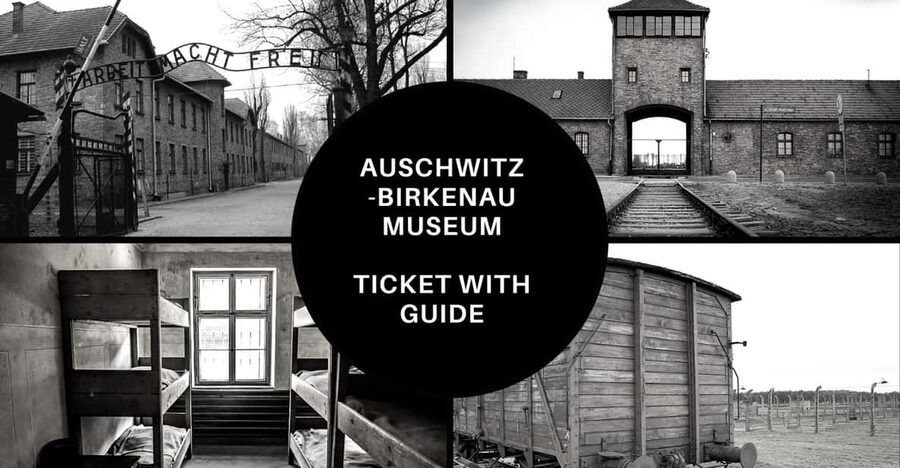
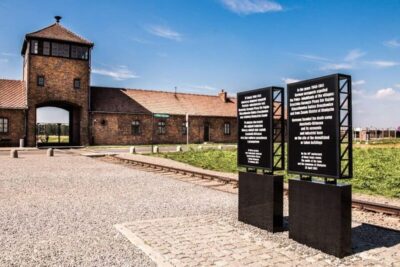
Your day starts at Auschwitz I, near the gate leading to the parking. Look for the information boards there, and meet your authorized live guide on-site.
This spot sounds straightforward, but practical travel reality is that confusion happens when schedules shift or groups spread out. To keep the day smooth:
- Double-check the meeting instructions you receive before you travel.
- Arrive early enough that you are not sprinting to find the group.
- Have your ID ready, and make sure your name matches how it appears on your ticket.
A key point: your tour time is approximate and may change by up to 2 hours. That’s not the tour operator being vague, it’s how the memorial visitor flow works. So treat your departure from the city as “leave with extra time,” not “perfect timing.”
Entrance rules: ID matching, bag size, and dress codes you cannot ignore
This is strict security. If you want your tour to start on time, prepare like you mean it.
What to bring:
- Passport or ID card
- Comfortable shoes
What to keep out or adjust:
- No weapons or sharp objects
- No luggage or large bags
- No shorts
- No sleeveless shirts
- Maximum bag/purse/backpack size is 30 x 20 x 10 cm
And the name match rule is huge. Names need to be identical to the names on your passport or ID. If they do not match, you risk being refused entry. That can happen if there’s a typo when names are entered during booking.
One more practical note: the tour has a group pace, and the memorial controls flow. If you have to deal with security delays or re-checks, it can push the schedule. Plan to be boring and prepared.
Below are the other Memorial And Museum Auschwitz Birkenau trips we have logged
- RoundTrip from Krakow to Auschwitz + Entrance Tickets★ 4.9 · 10 reviews
Headsets make the guide work: how the audio setup improves your visit
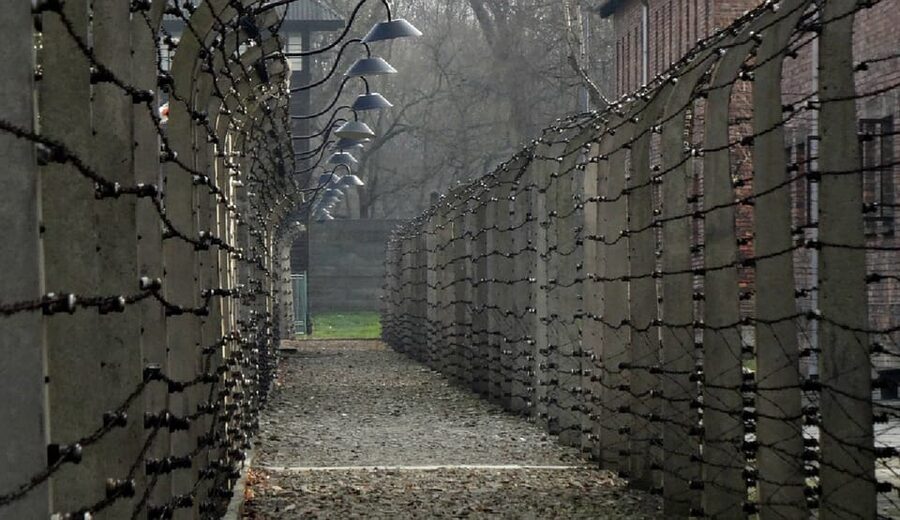
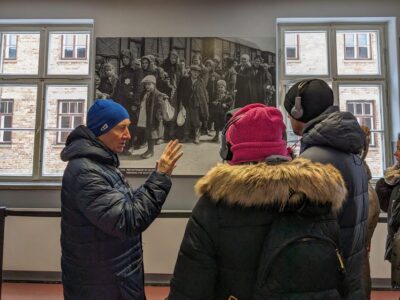
The tour includes headsets. That’s not a small perk. Auschwitz-Birkenau covers distances where hearing a guide without amplification becomes inconsistent, especially when groups grow and paths widen.
With headsets, you can:
- Stay focused on the narration without constantly craning your neck
- Keep moving when others stop for photos or reading
- Follow along with the guide’s route across Auschwitz I, then the transition to Birkenau
If you’ve ever been in a group tour where the story disappears into the background, you’ll appreciate what a clean audio connection changes. Here, clarity helps you absorb details instead of playing catch-up.
Auschwitz I: gate, ground-level walk, barracks, and the built-in context
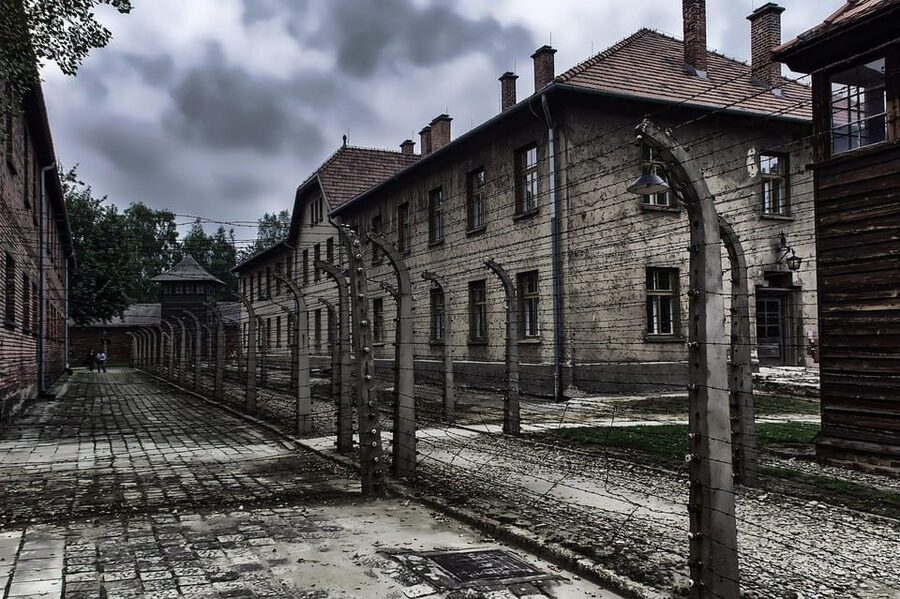
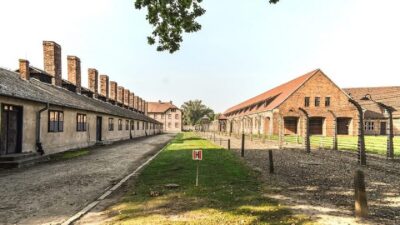
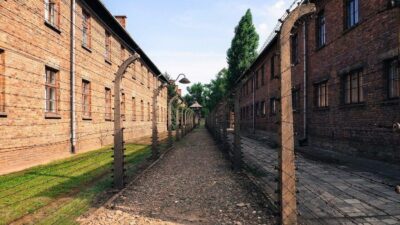
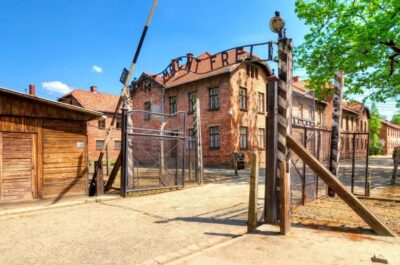
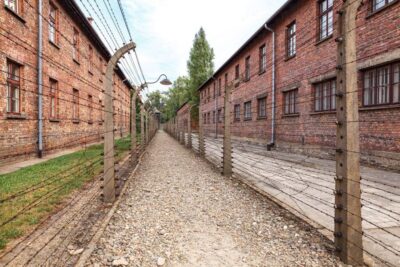
The Auschwitz I portion starts after you meet your guide on-site. You’ll enter the grounds and walk on the former camp grounds, built in 1940 in the suburbs of Oswiecim.
This part of the tour is where you begin to understand how the system worked, not just what you can see. Auschwitz I includes the entrance gate area and key camp structures, including barracks that now host exhibitions.
Here’s why this first stop matters for your mind:
- It gives you a framework before you move to the larger Birkenau site.
- You learn key terms and timelines while the buildings and pathways still feel close enough to connect.
- Exhibitions presented in barracks help you grasp that this was not an abstract event, it was a daily lived reality for people imprisoned here.
The guide also shares the scale. The estimated number of deaths is over 1.5 million people, representing 28 nationalities, and nearly 90 percent were Jewish. Those numbers are hard to hold, but hearing them in context is better than stumbling on them alone.
The guide style question: what happens if the tour feels rushed
This tour is emotionally intense, and delivery matters. Some guide narration is calm and clear. Other sessions can feel more rushed, and when time is tight you might feel like you cannot catch every detail.
So manage expectations:
- You are walking a set route.
- The pace is determined by the memorial’s visitor service.
- The schedule includes time for both camps.
If your start runs late, the impact is not theoretical. The second part can be harder to complete fully. That’s why arriving early and keeping your day flexible is your best protection.
Also, for your own comfort, avoid trying to multitask. This is not the day for reading captions at 1.5x speed and taking long detours. If you want the tour to work for you, let the guide’s flow set the tempo.
The on-site bus to Auschwitz II-Birkenau: why the transfer is part of the point
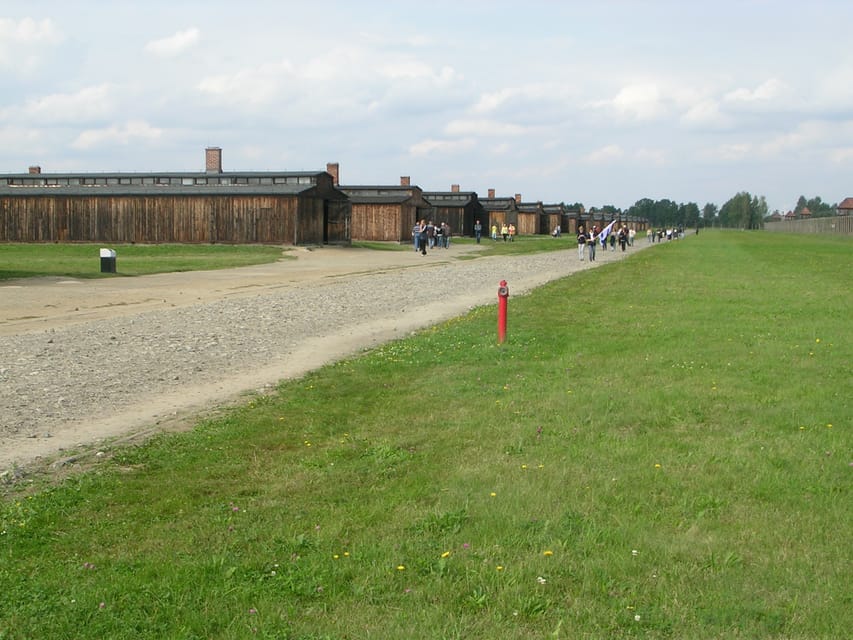
After finishing the first part at Auschwitz I, you take the bus available on-site to Auschwitz II-Birkenau. This is only a few minutes, but it’s still worth noting because it separates the experiences.
The transfer helps you mentally reset:
- Auschwitz I tends to feel more like an entry point to the system.
- Birkenau is the larger, sprawling site where the scale hits differently.
Also, it reduces decision-making for you. Without the organized transfer, you’d have to coordinate and risk losing time. Here, the logistics are handled.
Auschwitz II-Birkenau: railway platform, transport story, and gas chamber ruins
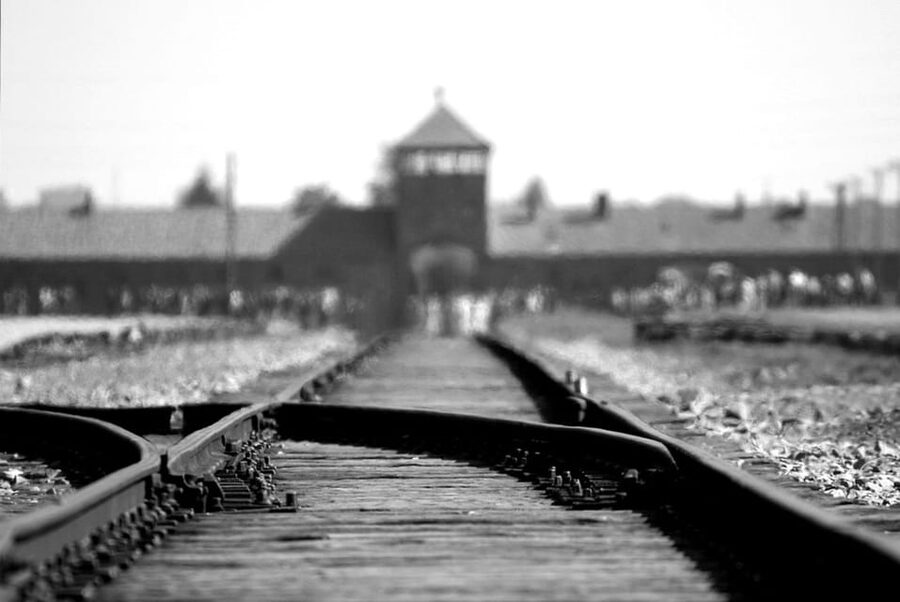
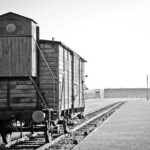
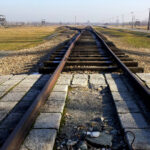
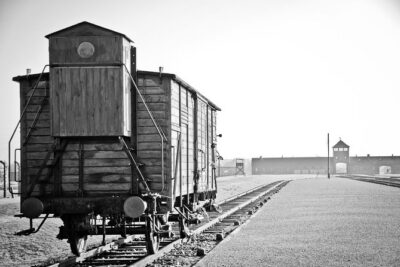
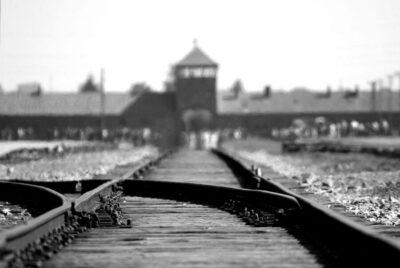
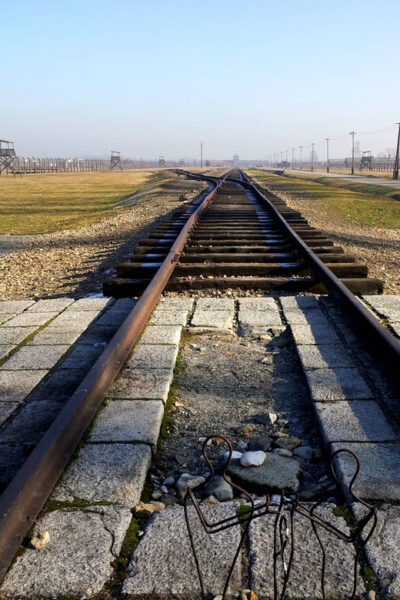
In Birkenau, you’ll walk along the railway which facilitated transports to the other part of the camp. This is one of the most crucial visual lines on the entire route. You’re not just seeing an old rail structure, you’re seeing the logic of arrival and processing.
Then you’ll see ruins of gas chambers. People were murdered there on a mass scale. The memorial keeps these remains as part of the historical record and as a space for remembrance.
This is where you’ll feel the emotional weight most strongly. If you need a practical coping plan, do it now:
- Wear shoes that support long walking.
- Bring layers for weather changes.
- Keep water handy outside the memorial area if food and drinks are not available to you during your time on the grounds.
The headset and guided route help you stay oriented, but they cannot make the content easy. They can help you understand what you’re looking at.
Group size and your hearing comfort: how the headset changes your place in line
In theory, a group tour can feel noisy or crowded. In practice, the headset system reduces the frustration that usually comes with big groups.
What you still control:
- Your pace within the group. If you stop to read every sign and wait, you may fall behind the guide.
- Your attention. If you ignore the narration and rely only on exhibits, you may miss the connections between sites.
Your best approach is to let the guide direct your attention. When the guide points out what matters, it saves you time and prevents you from getting lost in details that do not help you understand the big picture.
What to do before and after: making your day feel respectful and manageable
Because you handle your own transport, plan your timing like this:
- Arrive early enough that you are not stressed.
- Give yourself a buffer after the tour ends, since your travel back depends on your schedule.
Also, remember the tour does not include food. If you need a meal, plan it before you go or after you return to the area where you can eat.
For what to wear: focus on practical comfort, while respecting the rules. Avoid anything that could be considered sleeveless. Skip shorts. Long pants and closed-toe shoes make this easy.
Should you book this Auschwitz-Birkenau guided tour?
Book it if you want a structured route with skip-the-line entry, a live English guide, and headsets, so you can focus on the meaning rather than logistics. The $55 price is tied to those essentials, not to extras like transport or meals.
Think twice if:
- Your schedule is so tight that a possible delay would ruin the rest of your day.
- You are concerned about the emotional intensity and you need very slow pacing. This tour has a set rhythm.
- Your ability to walk is limited. The tour is not suitable for people with mobility impairments.
If you do book, do two things that make a real difference. First, double-check that your name matches your ID exactly. Second, arrive with a time cushion at the Auschwitz I meeting point by the parking gate.
FAQ
How long is the Auschwitz-Birkenau memorial guided tour?
The duration is about 210 minutes, and the starting time is based on availability.
Do I need to arrange my own transport to Auschwitz?
Yes. Hotel pickup and drop-off are not included, and you use your own transport means to get to Auschwitz and back.
Where do I meet the guide?
Meet your authorized live guide at Auschwitz I, right by the gate leading to the parking, looking for the information boards.
Are headsets included?
Yes. Headsets are provided so you can clearly hear the live guide during the tour.
What identification do I need?
Bring your passport or ID card. The name on your booking needs to match your ID exactly, or entry might be refused.
Is the tour suitable for children or people with mobility impairments?
No. It is not suitable for children under 14, and it is not suitable for people with mobility impairments.
More Tours in Memorial And Museum Auschwitz Birkenau


More Tour Reviews in Memorial And Museum Auschwitz Birkenau
Auschwitz-Birkenau: Other Reviewed Visits
Recently written up around Memorial And Museum Auschwitz Birkenau
More Auschwitz-Birkenau Memorial Tours.
 ★ 4.5Auschwitz-Birkenau Guided Tour & Hotel PickupFrom $2133,358 reviews
★ 4.5Auschwitz-Birkenau Guided Tour & Hotel PickupFrom $2129,340 reviews
 ★ 4.5Auschwitz Guided Tour with Optional Hotel PickupFrom $6915,280 reviews
 ★ 4.5Auschwitz-Birkenau Guided Tour with Pickup & LunchFrom $219,800 reviews
 ★ 4.5Auschwitz-Birkenau Guided Tour Pickup/Lunch OptionsFrom $2009,057 reviews
 ★ 4.7Auschwitz-Birkenau and Salt Mine Guided TourFrom $549,020 reviews
 ★ 5.0Krakow to Auschwitz Birkenau Guided Tour with Transfer and TicketFrom $368,197 reviews
 ★ 4.0Auschwitz Birkenau Tour with TransferFrom $216,134 reviews
Also on these Poland lists