
REVIEW · OSKAR SCHINDLER FACTORY TOURS
Schindler’s Factory Guided Tour
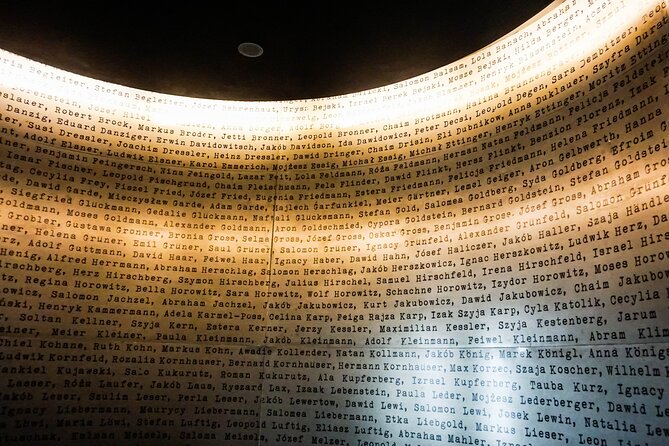
Factory walls hold real weight. This guided visit at Schindler’s Factory turns Kraków’s WWII experience into a focused story you can follow room by room, not just read about.
Two things I really liked: first, you get daily life in Nazi-occupied Kraków beyond the famous Schindler angle, with photographs, personal objects, and reconstructed street scenes that explain fear and routine under occupation. Second, the tour is led by a licensed guide who weaves Oskar Schindler’s choices into the bigger picture of what Jewish and non-Jewish residents faced.
One consideration: the museum spaces can feel tight, and a few visitors noted the tour can feel rushed, with limited time to stop and read. If you want to linger with every label, consider treating the tour as the map, then plan self-time afterward.
In This Review
- Key things you will notice right away
- Schindler’s Enamel Factory: a real building with a museum’s job to do
- The 90-minute route, starting at the right-hand entrance
- Kraków under Nazi Occupation 1939-1945: what you’ll see and why it works
- Schindler’s choices: the rescue story in the middle of occupation reality
- The guide makes the difference, especially in small spaces
- Narrow passageways and “not enough time to read” reality check
- Price and value: is $49 fair for 90 minutes?
- Where this tour fits: a smart first move before Auschwitz
- Should you book Schindler’s Factory Guided Tour?
- FAQ
- Where do I meet my guide for Schindler’s Factory?
- How long is the guided tour?
- Can I choose my tour language?
- Does the tour include fast-track admission?
- What group size should I expect?
- How early should I arrive before the tour starts?
- Do I need to give full names when booking?
- Will there be original factory production equipment inside?
- Is there free cancellation, and how late can I cancel?
- How can I pay if I want flexibility?
Key things you will notice right away
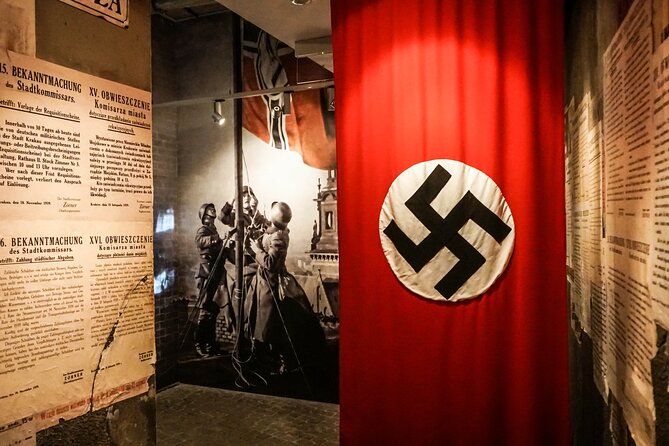
- Factory site, not a generic museum stop: you visit the former enamel factory, now housing the Nazi occupation exhibition.
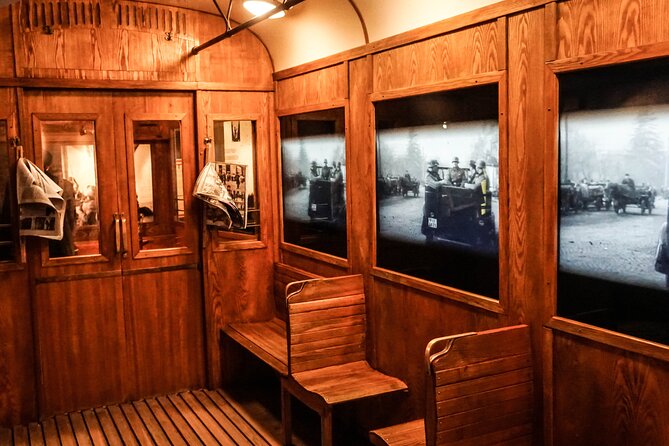
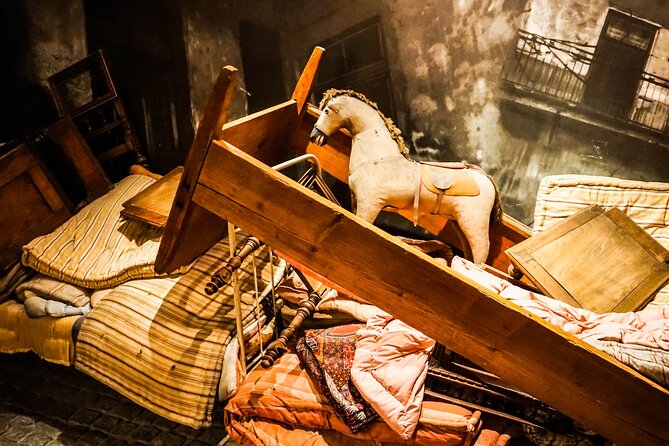
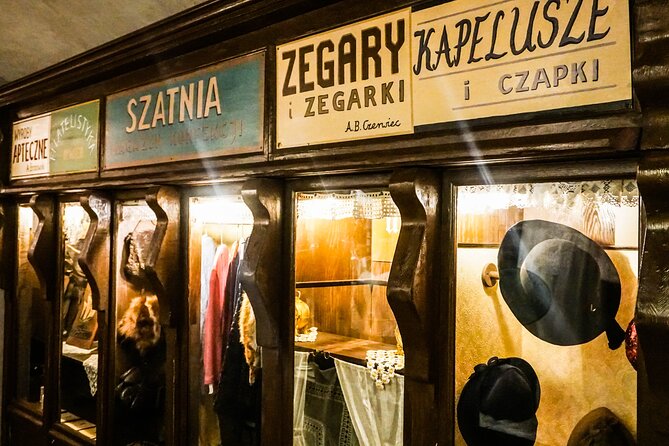
- Artifacts plus 1940s-style reconstructions: expect photos, personal items, and street-like reconstructions that make the period feel immediate.
- More than Schindler, by design: the story includes Jewish and non-Jewish residents and daily survival, not only one man.
- A licensed guide who sets the story in motion: many guides are praised for passion and clarity, with examples like Eva, Ewa, and Phil standing out in feedback.
- Small-group pacing in narrow corridors: group size is capped at 25, and the layout means you will move together.
- One language at a time: your tour runs in one chosen language from the available options.
Other reviewed ways into the Schindler factory museum
- Schindler’s Factory Guided Tour
★ 4.5 · 201 reviews - Krakow: Schindler’s Factory Guided Tour
★ 4.2 · 12 reviews
Schindler’s Enamel Factory: a real building with a museum’s job to do
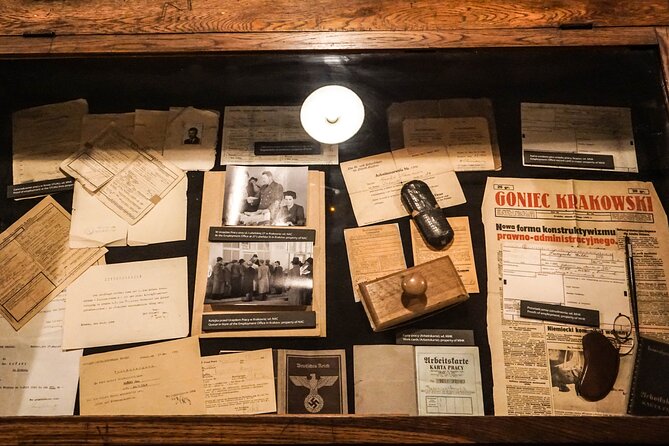
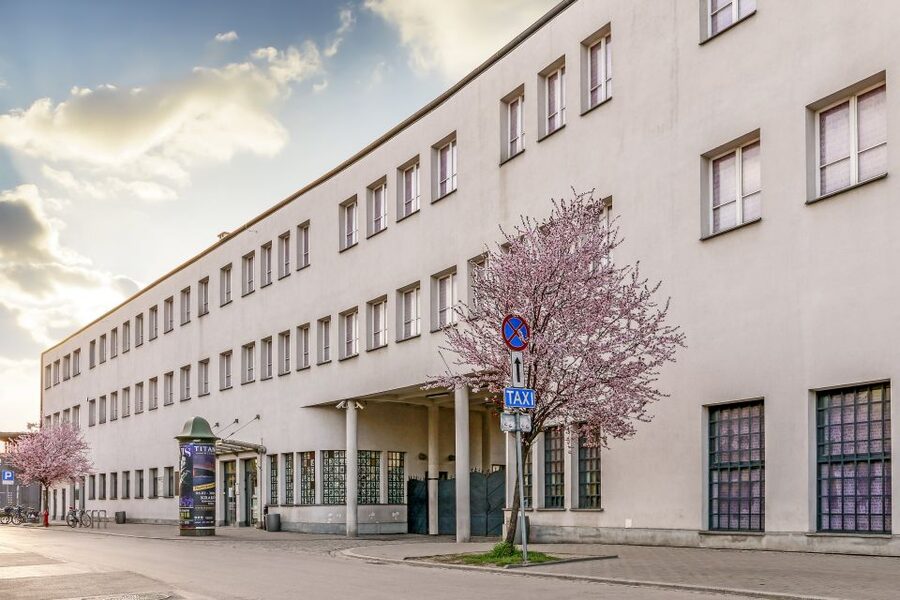
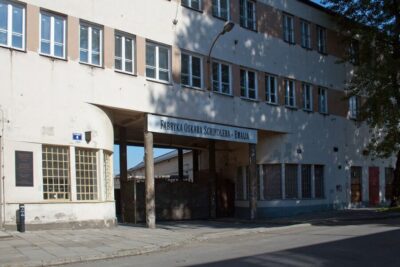
The Schindler’s Factory guided tour is built around a very specific place, the Schindler enamel works in Kraków. Today the building functions as a museum, so you will not see working production lines like you would in an active factory. Still, that shift matters, because the museum’s whole mission is to translate the history of this site into a walk you can understand.
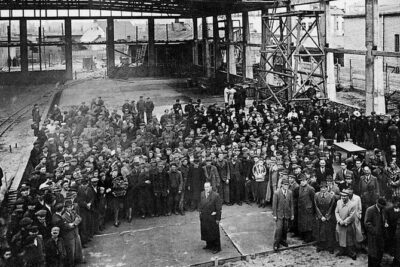
What I like about this setup is that it gives you grounding. You are not starting with a lecture and a timeline on a screen. You are starting with the physical setting of where Schindler employed Jewish workers, and then you move through an exhibition called Kraków under Nazi Occupation 1939-1945.
The tour also helps you understand that the famous Schindler story is part of something larger. The exhibition focuses on life under oppression, the everyday systems people had to survive, and the way persecution reached into ordinary routines.
The 90-minute route, starting at the right-hand entrance
This is a 90-minute guided format, so you should expect a structured flow rather than a free-roaming wander. Your group meets at the main entrance to the Schindler’s Factory Museum, on the right-hand side, and your guide holds a Schindlers Factory Guided Tour sign.
Because late arrivals cannot be accommodated once the group has entered, I strongly suggest you show up early. Ten minutes early is not “nice to have” here, it is how you avoid being shut out of the time slot.
You also get fast-track admission as part of the tour. In plain terms, that helps you spend less time stuck in ticket logistics and more time inside the galleries where the guide can do the job you paid for.
Two practical details affect your experience:
- The museum layout includes narrow passageways and a tight, walk-through atmosphere.
- Group tours run in a single language, chosen when you book.
That means your guide can set consistent pacing for everyone, but it also means you will not be able to slow down alone and disappear into corners.
Kraków under Nazi Occupation 1939-1945: what you’ll see and why it works
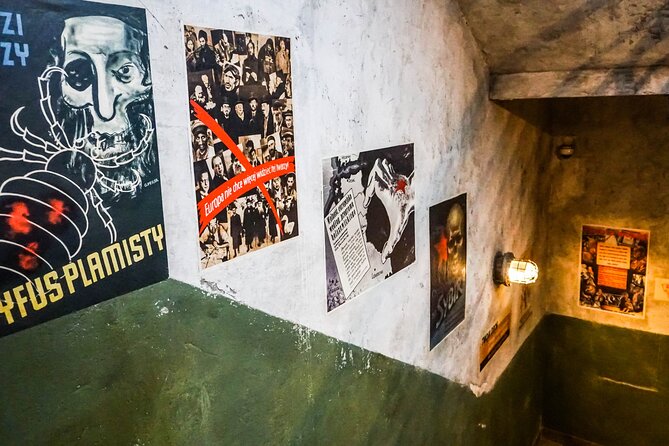
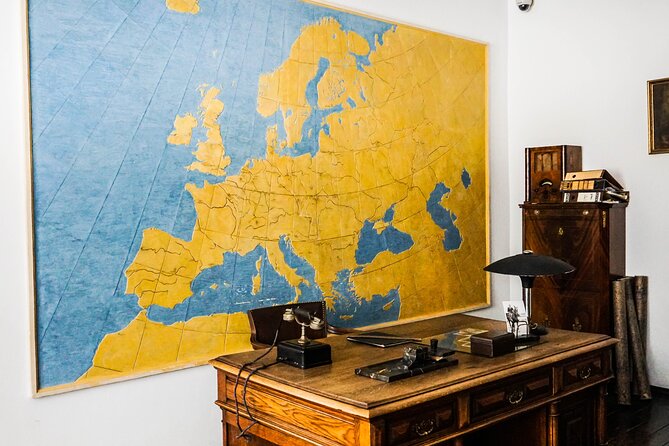
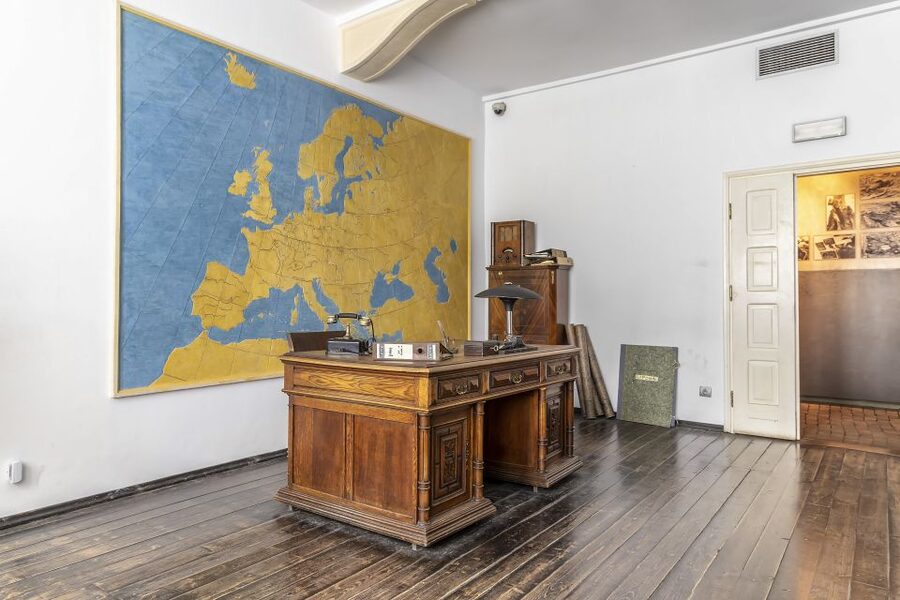
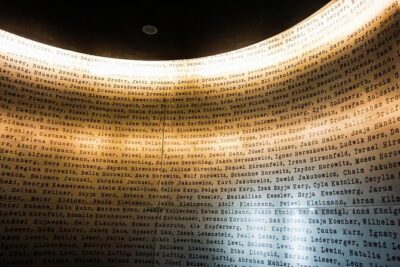
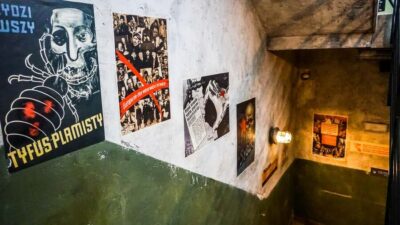
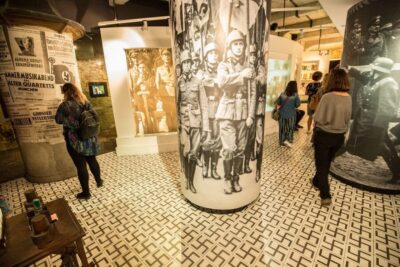
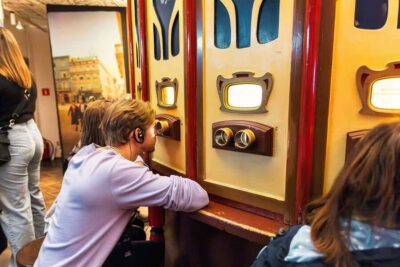
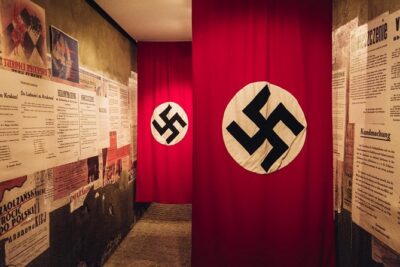
The tour centers on the exhibition Kraków under Nazi Occupation 1939-1945. The content is arranged to show fear, uncertainty, and daily struggles in occupied Kraków, and it does that using a mix of media that makes the story easier to grasp.
You will see:
- Photographs that place you in the period visually, not just intellectually.
- Personal objects that connect policy and violence to actual lives.
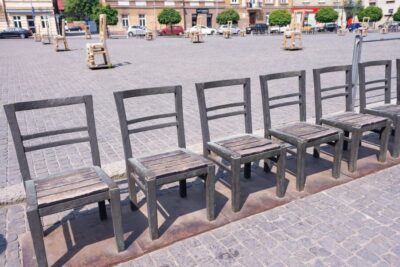
- Reconstructed streets and scenes that give you a sense of the environment people were trapped inside.
This combination is the key to why the tour hits. If you only read about WWII, the scale can feel abstract. If you only see a few dramatic moments, it can feel like random tragedy. Here, the guide’s role is to build continuity, so you understand how persecution affected daily choices, not only the headline events.
Importantly, the focus is not limited to Jewish residents alone. The tour includes how Kraków’s Jewish and non-Jewish residents endured the war, which helps you understand the social pressure, fear, and restrictions that shaped everyone’s behavior.
Schindler’s choices: the rescue story in the middle of occupation reality
Schindler’s name can pull attention, and this tour uses that carefully. You will hear how Oskar Schindler employed Jewish workers and used his position, influence, and resources to protect them from deportation. The tour presentation emphasizes that more than a thousand men and women survived because of those choices.
At the same time, the guide does not let the narrative become a “Schindler show.” Oskar Schindler’s actions are presented as the crucial thread, but the surrounding context stays strong. In many of the most positive reactions, visitors liked that the focus was not only Schindler but also what life was like beyond his story.
You may also hear the term Schindlerjuden as part of the explanation. The tour describes testimony and survivor resonance across generations, which is important because it frames the rescue not as a neat ending, but as something that carried meaning long after the war ended.
This is also where the guided format earns its keep. A good guide connects the personal to the structural. You start to see why certain actions were possible, why they mattered, and why they could mean life or death.
The guide makes the difference, especially in small spaces
A huge theme in the feedback is guide quality. Visitors often mention that their guide was friendly, passionate, and able to explain historical context clearly. Specific names like Eva, Ewa, and Phil came up in comments, which suggests you can get a wide range of personalities, but with a consistent level of effort.
Your experience depends on whether the guide can do two things at once:
- Keep you oriented in the exhibition flow.
- Translate complicated events into something you can track without getting overwhelmed.
In a museum with narrow passageways and a group moving together, you can lose details fast if the story is delivered in a disorganized way. A strong guide helps you keep your bearings, and that makes the artifacts and reconstructions land harder.
Language options are also a big part of the value. The tour runs in German, French, Spanish, Italian, or English, but group tours operate in one language. If you choose your language well, you will spend your 90 minutes following the story instead of trying to decode it.
Narrow passageways and “not enough time to read” reality check
Here is the trade-off you should know up front. The museum layout includes narrow corridors and a design meant to reflect the atmosphere of WWII Kraków, which is powerful, but also limiting. A few visitors felt there was not much time in the rooms to read everything or study artifacts at leisure.
I think this is the main practical consideration for the tour. The guide is timed, the group is capped at 25, and the flow is meant to move. If you stop for a long time at every photo, you may feel rushed because you are not in control of the pacing.
My advice is simple:
- Treat the guided portion as interpretation and context.
- If you want deeper reading, plan to return later for self-paced viewing with more time.
Also, because space is tight, going slow can create friction. Keep your pauses respectful, listen first, and save your extended reading for a second pass if you have the time.
Price and value: is $49 fair for 90 minutes?
At $49 per person for a 90-minute guided tour, the real question is what you are buying. You are not paying just for museum entry. You are paying for:
- a professional, licensed guide
- fast-track admission
- a structured explanation of the exhibition Kraków under Nazi Occupation 1939-1945
That matters because WWII history can be hard to sort out when you are looking at labels for yourself. The guide helps you connect objects, scenes, and testimony into a single storyline, which can be worth real money when time is limited in Kraków.
If you are the type who likes to get context before you go deep, this price feels fair. If you want hours of solo browsing and you already know the material well, you might feel the time limit more than you would on a self-guided visit.
The good news is that even if the tour time feels quick, the exhibition still offers a lot for later reading. Think of the guided tour as a compass, not the whole map.
Where this tour fits: a smart first move before Auschwitz
One piece of travel logic that keeps showing up in feedback is timing. A visitor specifically recommended doing Schindler’s Factory earlier in your trip, even before Auschwitz, because it gives you more historical context and a deeper understanding of what happened in Kraków.
I agree with that approach. Schindler’s Factory helps you understand the mechanisms of occupation and persecution in a particular city. Then when you go to other sites, you will recognize patterns and terminology more easily.
So if your itinerary includes Auschwitz, I would place this tour earlier rather than later. You will get more meaning out of every stop that follows.
Should you book Schindler’s Factory Guided Tour?
Book it if you want a guided, story-led way to understand Nazi-occupied Kraków, with artifacts, reconstructions, and survivor-centered context. It is especially worth your time if you want more than the movie version of history and you like having a guide connect the dots in a limited window.
Skip or reconsider if you know you want long, quiet reading time in every room. The tour can feel rushed in some spaces, mainly because the museum layout is tight and the group has to move.
If you do book, come early, choose your language carefully, and bring photo ID as a safety habit. Also make sure you provide the full participant names required for the personalized tickets, because that is essential for entry.
FAQ
Where do I meet my guide for Schindler’s Factory?
Meet your guide in front of the main entrance to the Schindler’s Factory Museum, on the right-hand side. The guide will hold a Schindlers Factory Guided Tour sign.
How long is the guided tour?
The duration is 90 minutes.
Can I choose my tour language?
Yes. Tours are available in German, French, Spanish, Italian, and English. Group tours are conducted in a single language, so you choose your preference when booking.
Does the tour include fast-track admission?
Yes. Fast-track admission to Schindler’s Factory is included.
What group size should I expect?
Group size is limited to 25 participants.
How early should I arrive before the tour starts?
Arrive at least 10 minutes prior to the tour start time. Once the group has entered, late arrivals cannot be accommodated, and tickets are non-refundable.
Do I need to give full names when booking?
Yes. Providing the full names of all participants at the time of booking is mandatory because the museum issues personalized tickets.
Will there be original factory production equipment inside?
No. While the building originally functioned as Schindler’s factory, it now operates as a museum and no longer contains original production equipment.
Is there free cancellation, and how late can I cancel?
Free cancellation is available up to 24 hours in advance for a full refund.
How can I pay if I want flexibility?
You can reserve now and pay later. You book your spot and pay nothing today.
More Tours in Oskar Schindler S Factory

More Tour Reviews in Oskar Schindler S Factory
The Schindler Factory, Other Ways In
Recently written up around Oskar Schindler S Factory
More Oskar Schindler Factory Tours.
 ★ 4.2Oskar Schindler’s Factory Entry Ticket & Guided TourFrom $353,793 reviews
 ★ 4.5Schindler’s Factory Tour with Entrance TicketFrom $493,182 reviews
 ★ 4.4Schindler’s Factory Skip-the-Line TicketFrom $253,105 reviews
★ 4.6Schindler’s Factory Tour with Entrance TicketFrom $401,737 reviews
★ 4.4Schindler’s Factory Skip-the-Line TicketFrom $253,105 reviews
★ 4.6Schindler’s Factory Tour with Entrance TicketFrom $401,737 reviews
 ★ 4.5Schindler’s Factory in Krakow: Guided Tour & Skip the Line TicketFrom $351,714 reviews
 ★ 4.7Schindler’s Factory & Ghetto Guided TourFrom $571,694 reviews
 ★ 4.3Schindler’s Factory Ticket with Guided Tour OptionFrom $421,485 reviews
 ★ 4.0Krakow Schindler’s Factory Guided Tour with Admission TicketFrom $351,156 reviews
Also on these Poland lists