
REVIEW · STUTTHOF MEMORIAL TOURS
Stutthof Concentration Camp and Museum of WWII: Private Tour
A concentration camp site changes your pace. This private 7-hour tour links Stutthof in Pomerania with Gdansk’s Museum of the Second World War, guided by a licensed expert who keeps the story clear. I love the private car transfers that make the day feel low-stress, and I also love seeing the camp’s key areas like the prisoner barracks and gas chambers with proper explanation. The only real drawback is that the subject matter is extremely heavy, so plan for an emotional day and a slower evening after.
What makes it especially useful is the way the tour builds understanding, not just sightseeing. You’ll watch a short documentary at the museum, and you even go home with a copy of the documentary Stutthof Survivors. That’s the kind of takeaway that helps the facts stick after you’re back in your hotel.
You’ll also get a practical, modern setup for a long day out of Tri-City. Pickup is included, tickets are handled (including skip the ticket line), and the guide can work in many languages. Just note that starting times vary, since it’s based on availability.
In This Review
- Key Things I’d Plan Around
- How The 7-Hour Private Route Actually Works
- Stutthof Concentration Camp Museum: What You’ll See and Why It Matters
- Guided Exhibitions, Liberation, and Staying Respectful
- Stutthof Museum Cinema and the Stutthof Survivors Take-Home Copy
- Baltic Sea Break: A Short Reset After Stutthof
- Museum of the Second World War in Gdansk: The Big Picture You Need
- Price and Value: Is $445 Per Person Worth It?
- Language Options and Private Pacing That Feel Like Control
- Who This Tour Fits Best (and Who Might Think Twice)
- Should You Book This Private Stutthof and WWII Day?
- FAQ
- How long is the Stutthof and WWII museum private tour?
- Where does pickup happen?
- Is admission included for both museums?
- Can I choose the tour language?
- What else is included besides the guide and tickets?
- What is the cancellation policy?
Key Things I’d Plan Around
- Door-to-door private transfers from Gdansk, Sopot, or Gdynia keep your day on schedule
- Stutthof’s first-camp-in-Poland story gives important context for the Holocaust in Poland
- Prisoner barracks and gas chambers are part of the museum visit, with guided interpretation
- Museum cinema + short documentary help you connect names, dates, and mechanisms
- Museum of the Second World War in Gdansk ties the local tragedy to the wider conflict
- Take-home DVD copy of Stutthof Survivors gives you something to revisit later
More wartime history routes we have written up in Gdansk
- Gdansk: Guided Round-Trip Cruise to Westerplatte
★ 4.3 · 865 reviews - Malbork Castle and Westerplatte Tour with Lunch
★ 5.0 · 27 reviews - Museum of the Second World War Gdansk Private Tour & Tickets
★ 5.0 · 24 reviews - Gdansk Private WWII Tour with Museum of the Second World War
★ 4.9 · 22 reviews
How The 7-Hour Private Route Actually Works
This tour is built for one full day, about 7 hours, starting with pickup from your accommodation in the Tri-City area (Gdansk, Sopot, or Gdynia). The idea is simple: you do not waste time figuring out trains, buses, or transfers on your own. You get a private car, and the guide handles the flow from site to site.
After pickup, you head first to Stutthof, the former camp site. Then you pause briefly at a nearby Baltic Sea beach area for a breather and a change of scenery. Finally, you finish with the Museum of the Second World War in Gdansk, before returning you back to your place.
If you hate rushing, this schedule is the right kind of busy. It’s not a “see everything at bullet speed” style of outing. It’s a focused history day, designed around two major stops and guided time at each.
Stutthof Concentration Camp Museum: What You’ll See and Why It Matters
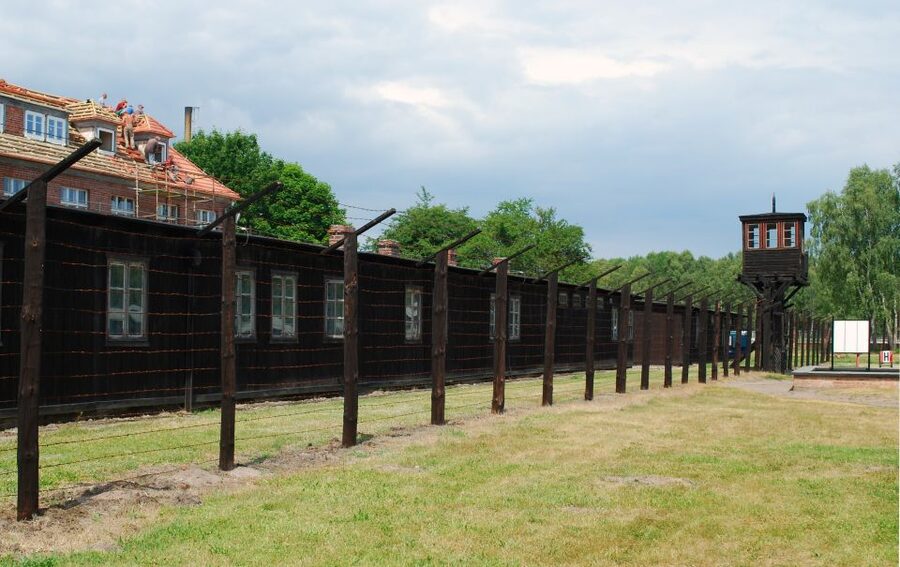
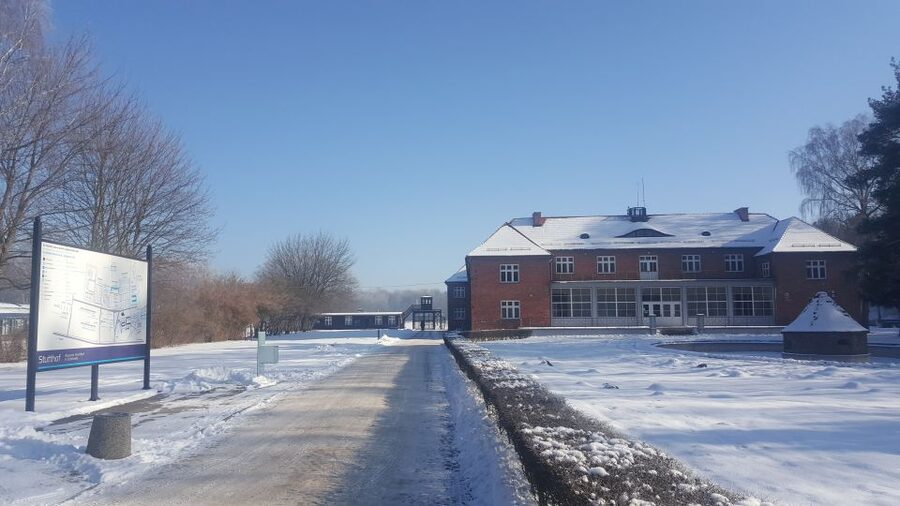
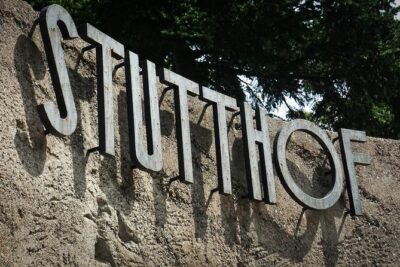
Stutthof is Poland’s first concentration camp built by the Nazis during World War II. That fact matters, because it positions this place as an early engine of persecution and terror, not a later footnote. When you come here with a licensed guide, you’re not just looking at artifacts, you’re learning how the camp functioned and why it was established.
Inside the museum exhibitions, you’ll get a detailed explanation of the camp’s purpose and how it worked in practice. That guided structure is important. Concentration camp history can be overwhelming, especially if you’re trying to piece it together solo from signage. With an expert guide, you can follow the timeline and understand the human reality behind the layout.
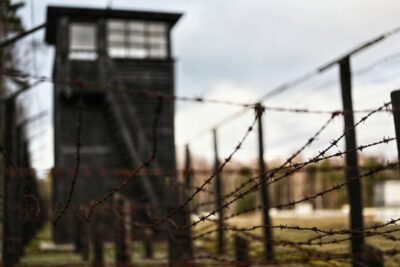
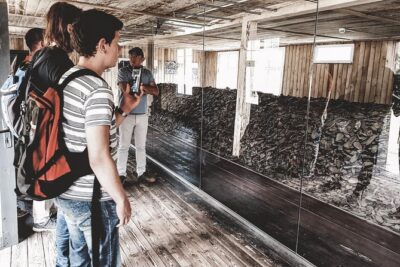
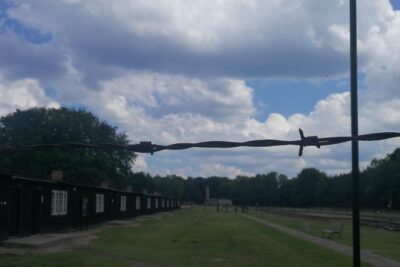
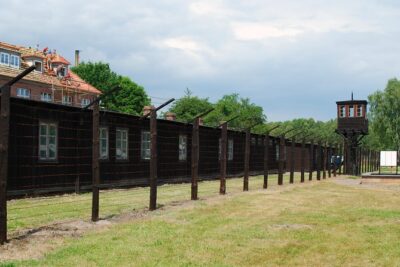
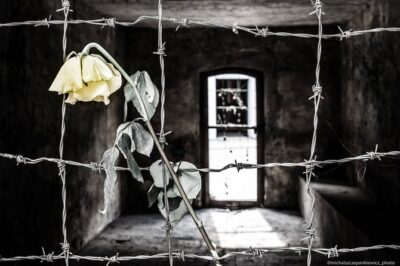
You’ll also see the camp’s key surviving or documented areas, including the prisoner barracks and the gas chambers. This is the part of the tour that hits hardest. I’d treat it as a “listen carefully and take pauses” experience, not a quick walk-through. Your guide’s job is to explain what you’re looking at, and why it was central to the Nazis’ system of killing and control.
The tour also focuses on the broader Holocaust story in Poland, and on how the camp affected the local population. That’s a valuable angle because it connects the site to the region around it, not just to distant events. You’ll leave with a clearer sense of how occupation policy translated into real lives, real suffering, and real disruption for people living nearby.
Guided Exhibitions, Liberation, and Staying Respectful
Stutthof isn’t just a museum stop. It’s a place that demands attention and respect. A private guide helps because they can set the pace for you and guide you through the most important parts without turning it into a checklist.
You’ll hear about the liberation of the camp as part of the guided explanation. That matters because it moves the story beyond the mechanics of oppression. It connects the site to its historical end and the consequences that followed.
One practical consideration: come prepared for emotions. You will not “snap out of it” just because the schedule continues. This tour includes a beach pause after Stutthof, but that break is for getting your bearings, not for pretending the day is cheerful. Plan to keep your expectations honest, especially if you’re traveling with kids or if you know your group handles intense topics poorly.
Stutthof Museum Cinema and the Stutthof Survivors Take-Home Copy
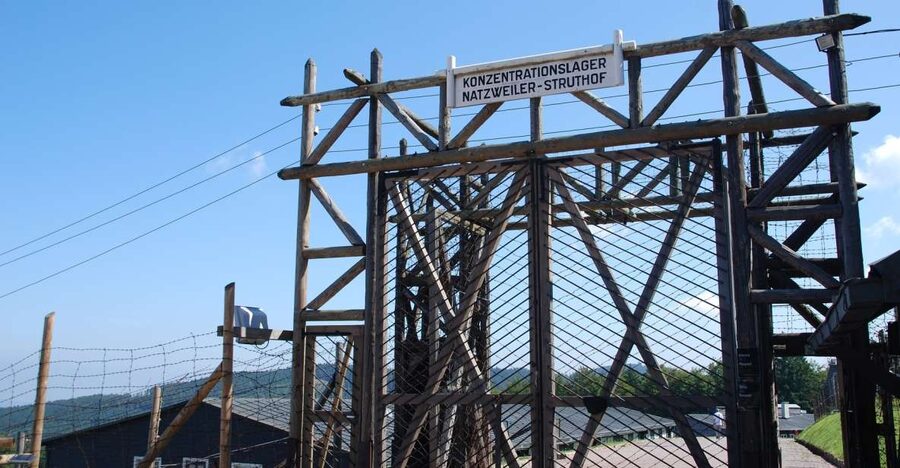
A standout detail here is that the tour includes admission to the museum cinema. That connects the visual history and the human stories in a way that plain exhibit reading can’t always do. You’ll also watch a short documentary during the tour, which helps you see the narrative in one coherent block.
Then there’s the souvenir that feels genuinely meaningful, not gimmicky. You’ll go home with a copy of the documentary Stutthof Survivors. That’s a smart value add because it extends the impact of the day. You can review it later while the explanations from your guide are still fresh in your mind.
If you like history tours that leave you with something concrete to rewatch, this is a big plus. It also makes the experience easier to share with friends or family back home who weren’t there.
Other reviewed visits to the Stutthof Memorial
- Gdansk: Stutthof Concentration Camp Regular Tour★ 4.7 · 361 reviews
- Stutthof Concentration Camp English Tour with Gdansk Hotel pickup★ 4.5 · 73 reviews
- Stutthof Concentration Camp:Guided Tour with Transportation★ 4.7 · 57 reviews
- Stutthof Concentration Camp tour including transfer from Gdansk★ 5.0 · 34 reviews
- Stutthof Concentration Camp Half-Day Private Tour★ 4.8 · 29 reviews
Baltic Sea Break: A Short Reset After Stutthof
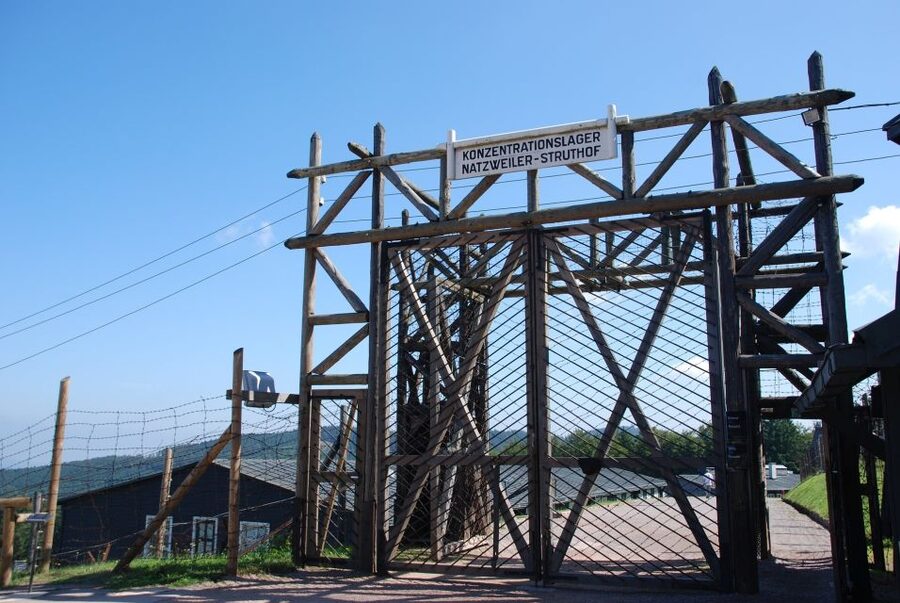
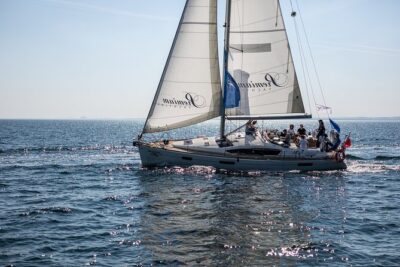
After Stutthof, the tour includes a stop near a beach. The goal is simple: take in the Baltic Sea sights and sounds, then reset your brain for the next museum.
This is not a long “vacation” break. It’s a breather built into the day, and that matters. After a camp visit, your senses can feel overloaded. A quick outdoor change of scenery can help you keep your attention steady for the WWII museum portion.
Practical tip: dress for coastal weather. Even in decent seasons, the Baltic can feel cool or windy. Bring layers you can adjust quickly, because it’s easy to overheat after museum interiors and then get chilled outside.
Museum of the Second World War in Gdansk: The Big Picture You Need
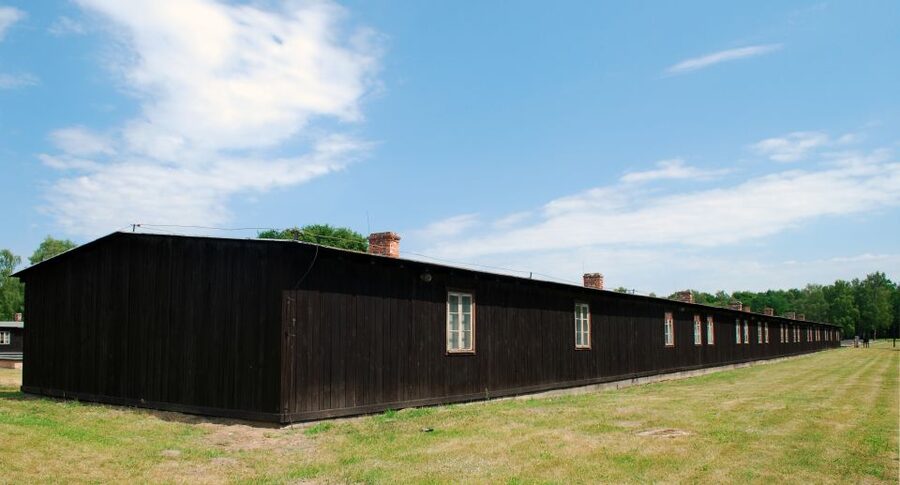
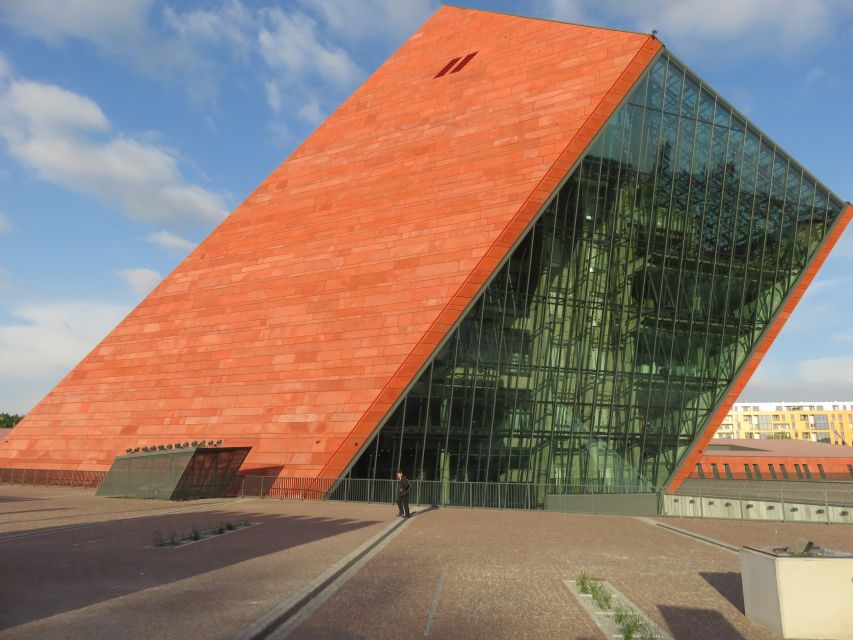
Finishing with the Museum of the Second World War in Gdansk is a smart way to close the loop. After Stutthof, you understand the local reality of Nazi occupation and genocide. This museum then places those horrors inside the broader conflict that shaped Europe.
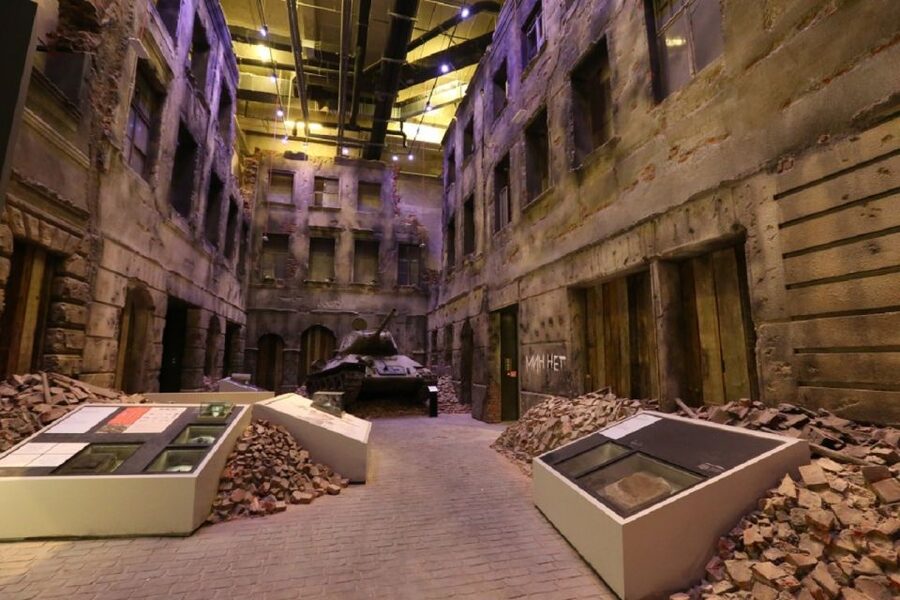
The guided visit covers the events and people involved in World War II, from the beginning to its end. That “start-to-finish” approach is valuable because it prevents the story from feeling like a set of disconnected tragedies. You get a wider frame that helps you understand how and why policies became actions on the ground.
This is also where you can benefit from having a guide who can connect dots. You’ll be thinking about occupation, persecution, and the Holocaust in Poland as you move through the museum. A good guide helps you link the themes back to what you just learned at Stutthof, so your day feels like one narrative rather than two separate attractions.
What I like most about this pairing is the balance of scale. Stutthof is one site with an intense, local focus. The WWII museum expands outward to show how that site fits into the full war machine.
Price and Value: Is $445 Per Person Worth It?
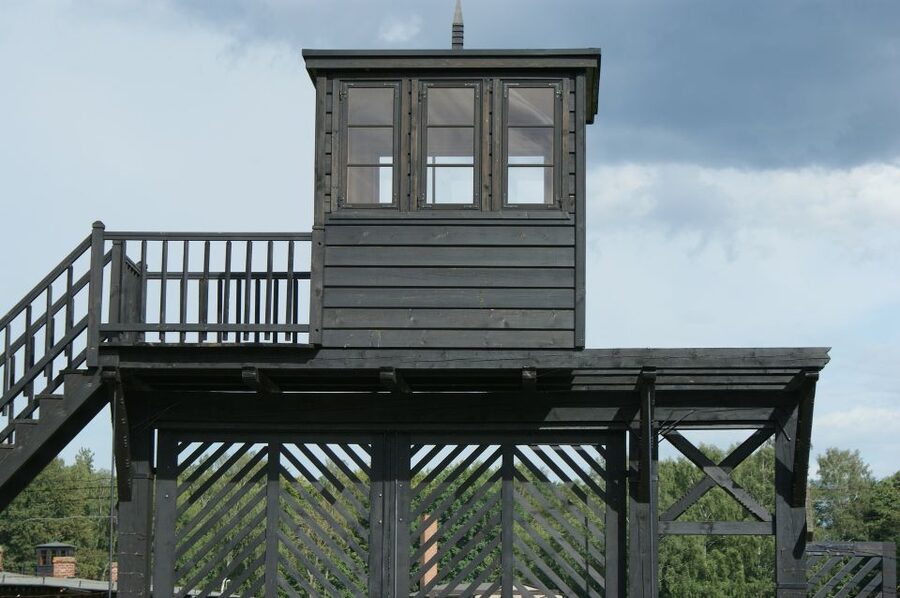
At $445 per person for a private 7-hour tour, the price is not “casual sightseeing” money. You should see it as a day of paid expertise plus logistics, not just admissions.
Here’s what you’re paying for, based on what’s included:
- A 5-star licensed guide fluent in your chosen language
- Private car transfers with pickup and drop-off in Gdansk, Sopot, or Gdynia
- Admission to Stutthof Museum and cinema
- Admission to the Museum of the Second World War
- Skip the ticket line
- Private group setup, with a day plan that connects the two major stops
- A take-home copy of Stutthof Survivors
For many people, private transfers alone are the difference between an easy day and a complicated day. Tri-City logistics can eat time, and time matters when you’re visiting two major, guided history stops.
Also, the guide component is the real value driver. Stutthof is not the kind of place where you just wander and “get it.” The cost makes sense if you want understanding, not just photos.
If you’re traveling solo, it’s a premium experience. If you’re traveling with another person or small group, the per-person value can feel more reasonable because the private transportation cost is shared.
Language Options and Private Pacing That Feel Like Control
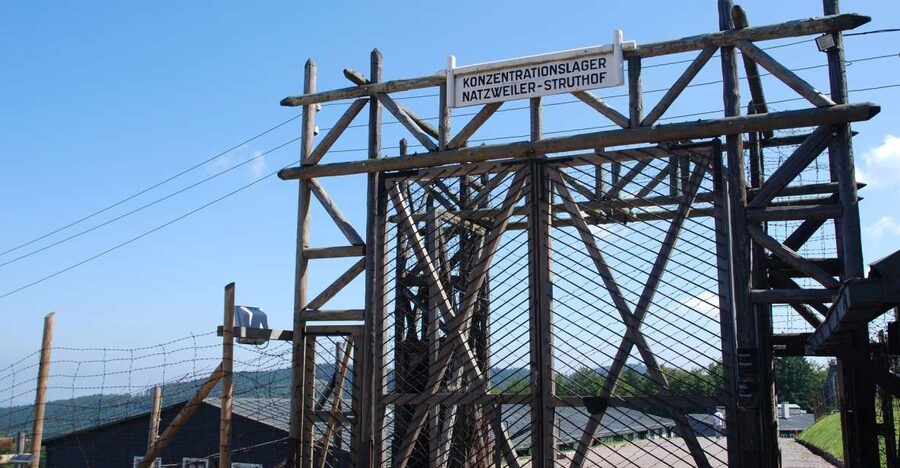
One of the practical advantages here is language choice. The guide can work in Polish, English, German, Italian, Spanish, French, Russian, Norwegian, or Swedish. That matters because it lets you pick the language that makes the history easiest to absorb, not just the language you can tolerate.
The private format also gives you breathing room. A private tour helps you move at a humane pace through emotional material, which is exactly what you want at Stutthof. You can ask for clarification in the moment, and you’re not stuck with a group that moves faster or slower than you.
This tour is also a good match if you want the guide to handle timing. You’re visiting a concentration camp museum and then a major WWII museum. Both require focus. A private setup keeps you from losing attention to navigation and ticket hassles.
Who This Tour Fits Best (and Who Might Think Twice)
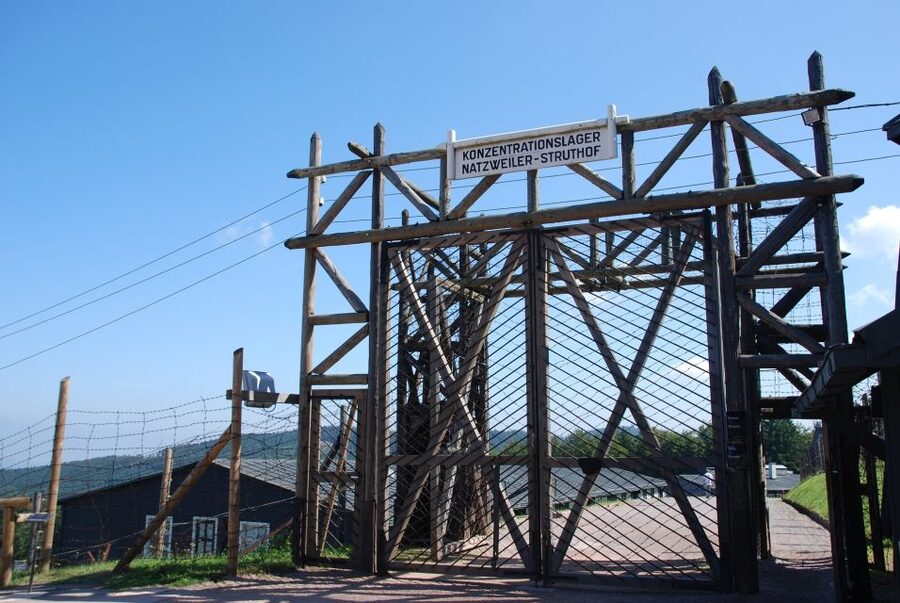
This is best for you if you:
- Want guided interpretation at Stutthof, including areas like prisoner barracks and gas chambers
- Prefer private comfort and private logistics over public transport
- Want the Holocaust and WWII context explained in a structured way
- Value a take-home documentary copy you can revisit later
You might think twice if:
- You know your group struggles with extremely serious topics and long guided museum time
- You prefer light sightseeing days and don’t want a heavy historical focus
For families, I’d be cautious. The tour is built around concentration camp and Holocaust education, so age suitability depends entirely on your family’s readiness for that content. For adults and thoughtful teens, it can be a powerful, educational day.
Should You Book This Private Stutthof and WWII Day?
I think this is a strong booking choice if you want a guided, well-paced, private history day that connects Stutthof to the wider story of World War II. The combination of licensed guiding, admissions at both sites, private transfers from Tri-City, and the Stutthof Survivors take-home copy makes the experience feel substantial.
If you’re trying to choose between doing Stutthof on your own and doing it guided, I’d pick guided. Places like this reward context. And if you want that context without the stress of planning logistics, this format is built for exactly that.
FAQ
How long is the Stutthof and WWII museum private tour?
The tour duration is 7 hours, and starting times depend on availability.
Where does pickup happen?
Pickup is included from your accommodation or the cruise port in Gdansk, Gdynia, or Sopot.
Is admission included for both museums?
Yes. Admission to the Stutthof Museum and cinema is included, as well as admission to the Museum of the Second World War in Gdansk.
Can I choose the tour language?
Yes. The guide can conduct the tour in Polish, English, German, Italian, Spanish, French, Russian, Norwegian, or Swedish.
What else is included besides the guide and tickets?
You get private car transfers with pickup and drop-off in the Tri-City area, skip the ticket line, and a take-home copy of the documentary Stutthof Survivors.
What is the cancellation policy?
Free cancellation is available up to 24 hours in advance for a full refund. The booking also offers a reserve now and pay later option.
More Tour Reviews in Gdansk



Stutthof Memorial: Other Reviewed Visits
Wartime History in Gdansk


Recently written up around Gdansk




More Stutthof Memorial Tours.
 ★ 4.7Stutthof Concentration Camp Regular TourFrom $128361 reviews
 ★ 4.5Stutthof Concentration Camp English Tour with Gdansk Hotel pickupFrom $14773 reviews
 ★ 4.7Stutthof Concentration Camp:Guided Tour with TransportationFrom $26957 reviews
 ★ 5.0Stutthof Concentration Camp tour including transfer from GdanskFrom $15134 reviews
 ★ 4.8Stutthof Concentration Camp Half-Day Private TourFrom $46129 reviews
 ★ 4.5Stutthof Concentration Camp: Private Guided Tour with TransportFrom $31526 reviews
 ★ 5.0Stutthof Concentration Camp Regular Tour from GdanskFrom $14023 reviews
 ★ 5.0Stutthof Concentration Camp Private Tour from GdanskFrom $18518 reviews
Also on these Poland lists