
REVIEW · WARSAW CITY TOURS
Warsaw: 2-Hour Praga Walking Tour
Praga hits different the minute you cross to the right bank. This 2-hour walk trades postcard Warsaw for the real neighborhood, with pre-war buildings showing scars from the past, plus communist-era blocks now packed with design shops and places to eat. I especially like how the tour connects streets you can still see today to film scenes from Roman Polanski’s Oscar-winning movie The Pianist, and how it layers in human stories like the Warsaw Zoo director and his wife. One thing to consider, this is a walking tour focused on neighborhood history, so it moves at a steady pace and works best if you are comfortable exploring on foot.
You will start in the city center and end up in an area that feels like a different Warsaw, not just a different street. Along the way, you will pass recognizable stops like St. Florian Cathedral, religious sites with a complex past, the Rozycki Bazaar area, and the Koneser vodka factory complex. If you dislike close-up city walking, narrow sidewalks, and frequent turning corners for viewpoints, you might find the pace a bit more than you want for a short outing.
In This Review
- Key Things I’d Prioritize on This Praga Tour
- Why Praga Feels Like a Different Warsaw
- Starting at the Metropolitan Cathedral of Maria and Magdalena
- Pre-War Praga Streets, Tenement Houses, and Bullet-Hole Reality
- Communist-Era Apartment Blocks Meet Today’s Creative Praga
- St. Florian Cathedral and Orthodox Buildings With a Complex Past
- Rozycki Bazaar and the Everyday Side of Praga
- The Praga Street Band Monument and the Neighborhood’s Memory
- The Pianist Filming Streets, Roman Polanski, and What Film Helps You See
- Koneser Vodka Factory Complex: Industry, Reborn
- The Warsaw Zoo Director and the Ghetto Rescue Story
- How the Tour Works in Real Life: Timing, Pace, and Comfort
- Languages, Guide Style, and Why It Matters
- Price: Is $69 per Person Worth It?
- Who Should Book This Praga Walk (and Who Might Skip)
- Should You Book This Warsaw: Praga 2-Hour Walking Tour?
- FAQ
- How long is the Warsaw Praga walking tour?
- Where is the meeting point?
- What is the address for the meeting point?
- How much does the tour cost?
- Is food or lunch included?
- Is hotel pickup or drop-off included?
- What is included in the tour price?
- What languages are offered?
- What should I bring?
- Are pets allowed?
- Is free cancellation available?
Key Things I’d Prioritize on This Praga Tour
- Pre-war tenements with bullet holes you can actually stand beside, not just read about
- Film locations tied to The Pianist, where history and cinema overlap on the street
- St. Florian Cathedral and Orthodox sites that show how religions and communities shifted over time
- Rozycki Bazaar and local monuments, including the Praga Street Band memorial
- Koneser vodka factory complex, where industry meets today’s creative scene
- The Warsaw Zoo rescue story, linking Praga to the Warsaw Ghetto through one family’s actions
Warsaw rebuilt itself twice over. Here is how else we saw it
- Warsaw: Chopin Concert in the Old Town
★ 4.8 · 2,287 reviews - Warsaw: Traditional Galar Cruise on The Vistula River
★ 4.6 · 1,640 reviews - Warsaw: Old Town Highlights Walking Tour in English
★ 4.7 · 1,516 reviews - Warsaw Concert: Chopin – Painted by Candlelights with Wine
★ 4.8 · 1,442 reviews
Why Praga Feels Like a Different Warsaw
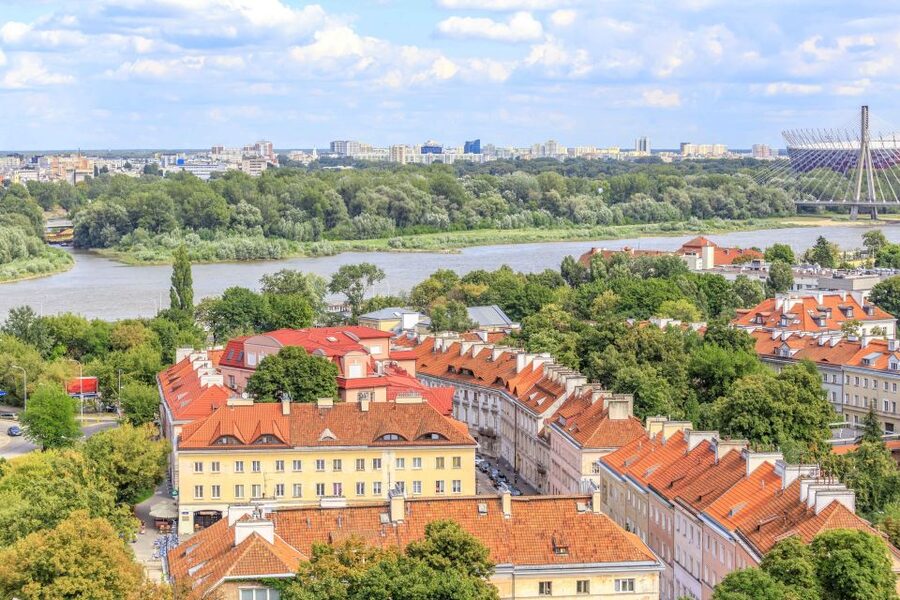
Old Town Warsaw is polished and photogenic. Praga is messier in the best way, with the right-bank flavor of trade, industry, and immigrant mixing over centuries. Since it sat on the Vistula’s right bank, it developed a different rhythm from the left side, and that is exactly what this tour is built to show.
I like that the tour is not trying to sell you a single narrative. Instead, you get a “before and after” view of buildings and neighborhoods, from pre-war streets to communist-era apartment blocks and then the post-industrial zones that now host art galleries, boutique designers, and restaurants.
Starting at the Metropolitan Cathedral of Maria and Magdalena
You meet at the Metropolitan Cathedral of Maria and Magdalena, at aleja Solidarności 52, 03-402 Warszawa. The guide waits at the exit from subway M2, with a PolinTours sign.
This matters more than it sounds. The area around the cathedral is a clean way to start, and you avoid the stress of hunting for a meeting point when you are trying to get into the flow of a short, 2-hour walk.
Pre-War Praga Streets, Tenement Houses, and Bullet-Hole Reality
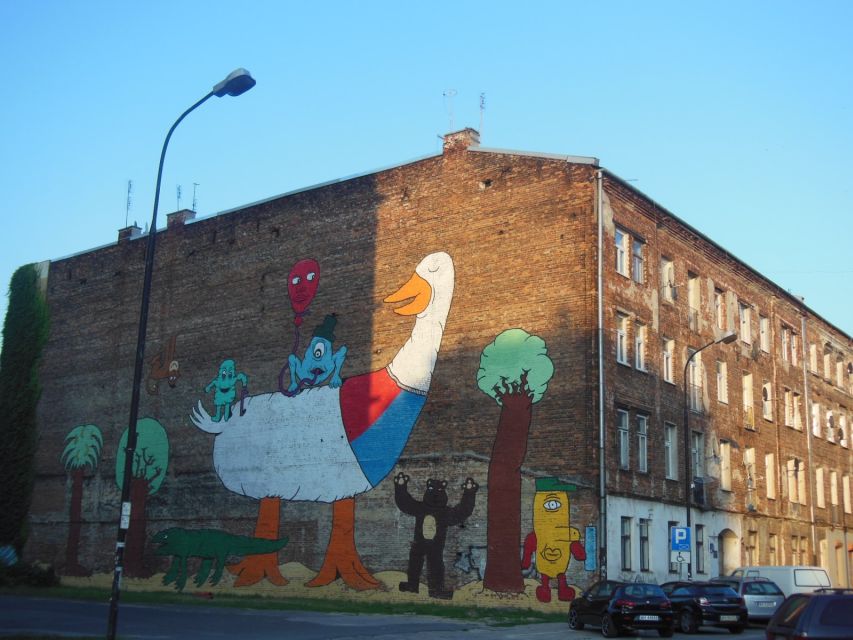
The heart of the experience is the sense that Praga still holds visible layers. You will walk through streets associated with pre-war Warsaw and see tenement buildings with bullet holes, a stark reminder that the city was not abstractly harmed, it was physically scarred.
I like tours that handle this kind of heavy material with care, and a good guide keeps you grounded. Expect the story to tie the architecture to what happened in the neighborhood, then bring it back to what life looks like now, when those same streets are home to small businesses, galleries, and cafés.
Communist-Era Apartment Blocks Meet Today’s Creative Praga
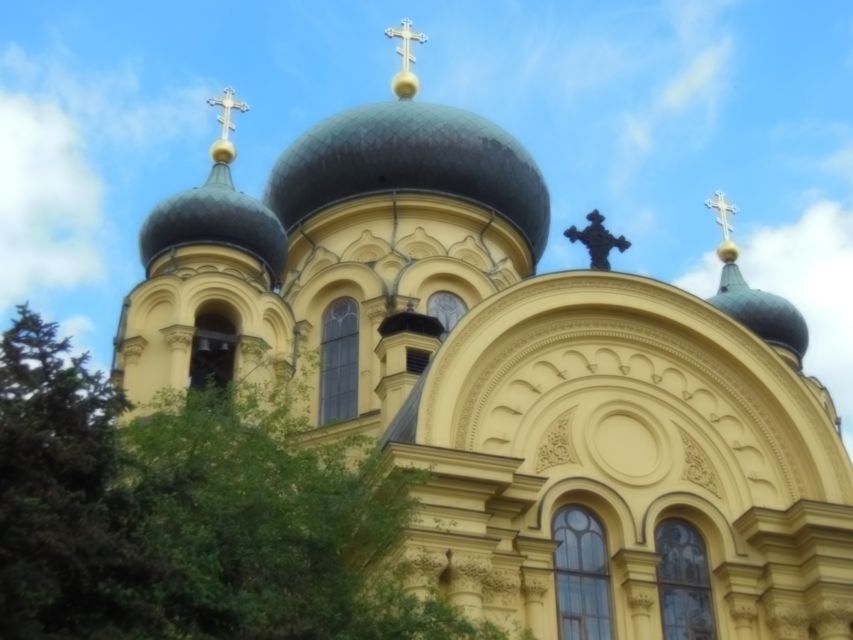
Praga also has those grey, more standardized apartment blocks from the communist period. This part of the walk is useful because it prevents the “only the old is authentic” trap.
From there, the tour shifts toward post-industrial areas, where the older industrial and trade identity now supports a more modern creative scene. You can see how a district can keep its bones while changing its skin, and you get a practical sense for why locals and visitors drift here for design and food.
Below are the other Warsaw trips we have logged
- Warsaw: Old Town Guided Walking Tour★ 4.9 · 599 reviews
- Half-Day Polish Food Walking Tour with Guide and Dinner★ 4.5 · 381 reviews
- Warsaw: Warsaw Ghetto Private Walking Tour with Hotel Pickup★ 4.9 · 369 reviews
- Old Town Warsaw Walking Tour★ 4.5 · 333 reviews
- Warsaw: Jewish History Guided Walking Tour in English★ 4.7 · 324 reviews
St. Florian Cathedral and Orthodox Buildings With a Complex Past
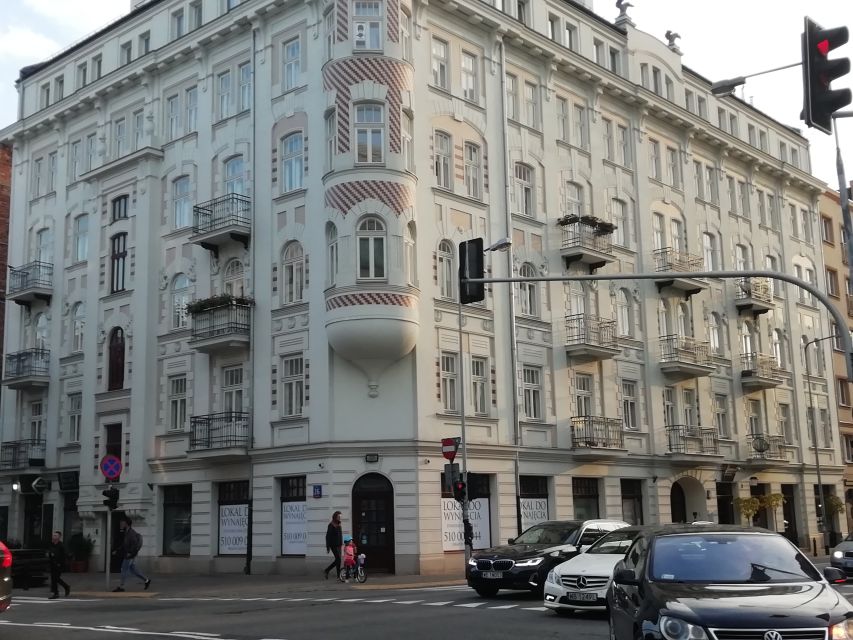
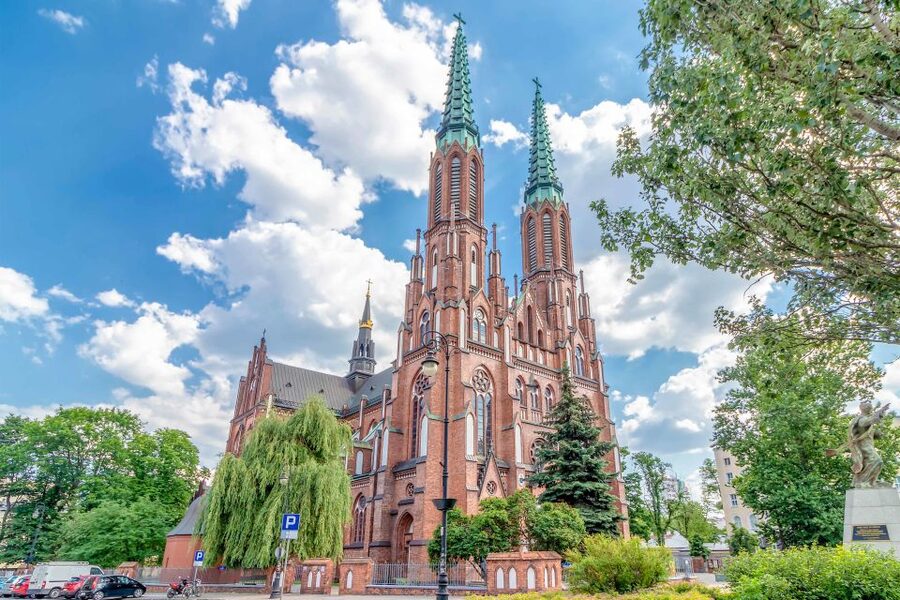
A major stop is St. Florian Cathedral. Even if you only spend a short moment inside the surrounding area, it sets the tone for how many different communities shaped Praga.
You will also see an Orthodox church connected to an earlier religious past, described in the tour as a former place of a synagogue and a ritual bath. That is a powerful detail because it shows how places can change function while the neighborhood remains in continuous use by different groups.
If you like architecture that tells stories, this is the section where your questions will probably multiply. If you do not care much about religious history, the guide can still help you read the buildings as part of the neighborhood’s daily evolution, not as museum pieces.
Rozycki Bazaar and the Everyday Side of Praga
The Rozycki Bazaar area is where history stops feeling like a textbook. Markets and bazaar zones are where trade actually happened, and Praga’s identity as a trading and industrial hub comes into focus.
The tour frames this with the idea that Praga was a cultural melting pot, where Christians, Jews, and Orthodox lived side by side. When you walk near market-like areas, those “side by side” details feel less theoretical, because you can picture how different communities interacted through daily commerce.
If you are short on time in Warsaw, this stop is also a smart way to get texture. You do not need to plan a separate market visit later.
The Praga Street Band Monument and the Neighborhood’s Memory
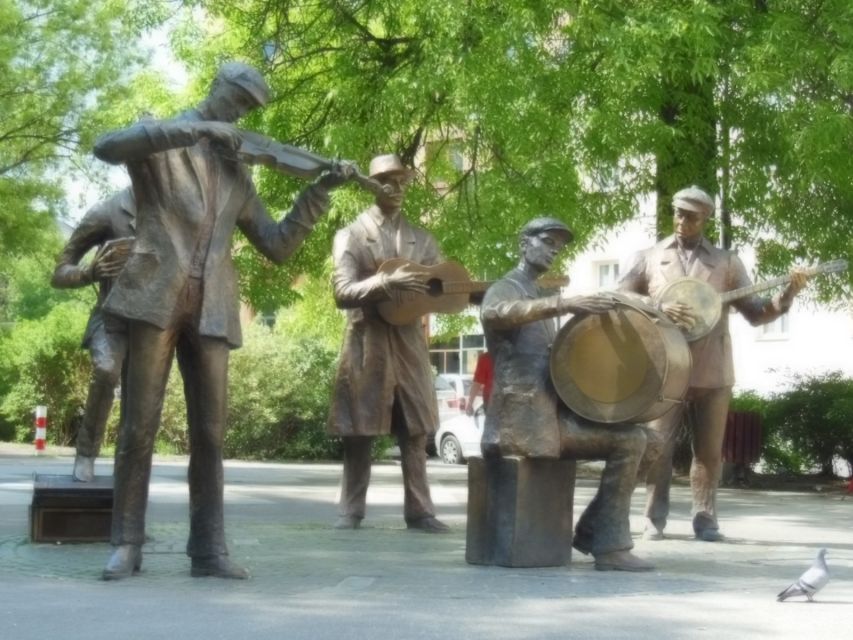
You will see the monument connected to the Praga Street Band. This is a good stop for anyone who likes local culture, not just national monuments.
I find these small, neighborhood-linked memorials helpful because they explain how communities process identity after difficult decades. It is not just about wars and politics, it is also about how people claim their streets.
The Pianist Filming Streets, Roman Polanski, and What Film Helps You See
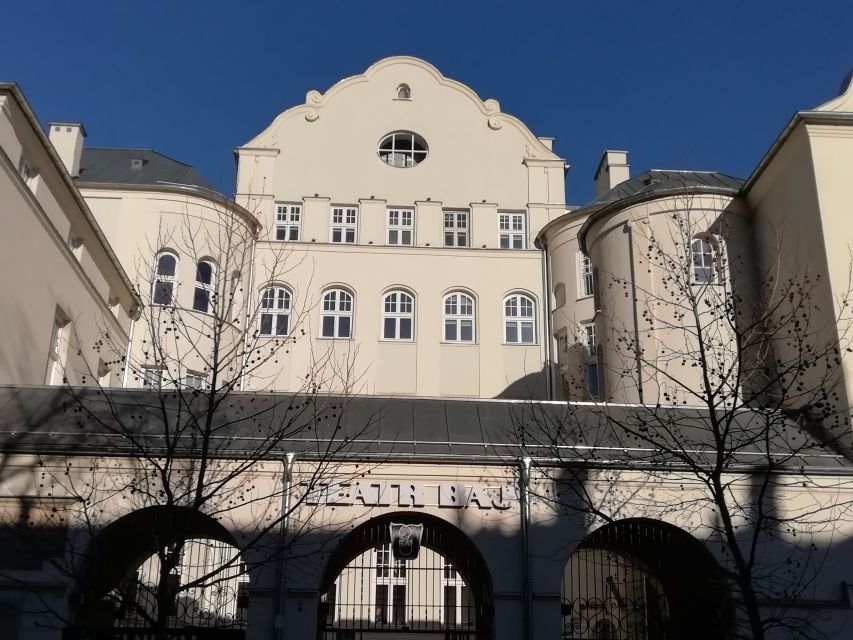
One of the most fun parts of the tour is walking streets connected to film shooting locations from Roman Polanski’s Oscar-winning movie The Pianist. This is not “movie trivia for movie trivia’s sake.” It gives you a visual map for your imagination, so you can look at the street layout and building style and sense what filmmakers were working with.
I like this approach because it makes the district easier to understand. You are not only hearing about the past, you are seeing why the past looked the way it did, how the camera could find the right mood in real architecture.
Do not expect this stop to be Hollywood themed. It is grounded, practical, and focused on how the neighborhood’s look supported the story on screen.
Koneser Vodka Factory Complex: Industry, Reborn
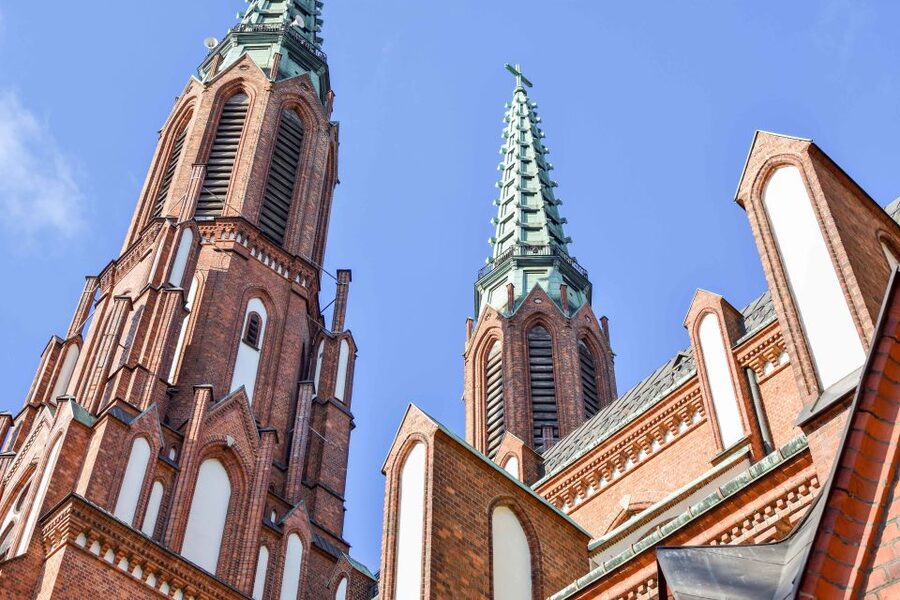
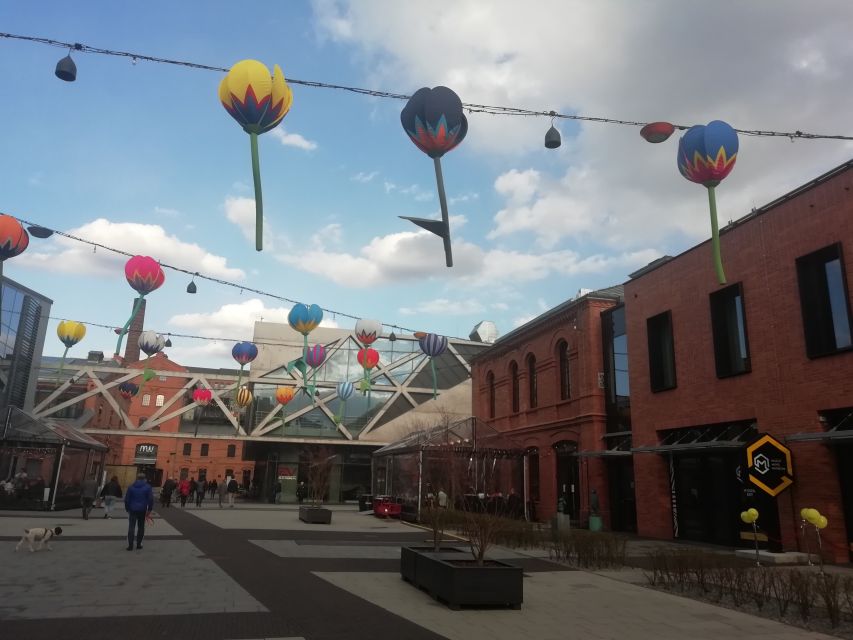
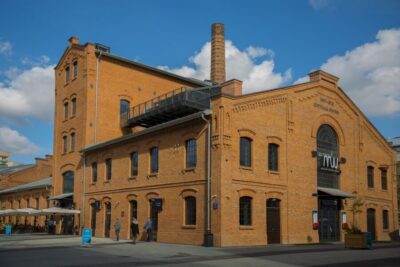
The tour includes the complex of the vodka factory Koneser. This is one of the most tangible ways to see Praga’s industrial identity, because you are literally looking at old industry that has become part of today’s Warsaw.
A factory complex is a good match for a walking tour because it changes how you read the district. Streets around industry were built for movement of goods and people, and that shapes everything from street width to the way blocks feel.
Even if you do not drink vodka, you will still get something here. The value is in how the district repurposed its industrial past, and how the neighborhood now mixes old walls with galleries and restaurants.
The Warsaw Zoo Director and the Ghetto Rescue Story
This tour includes a more personal, human-centered story about the director of the Warsaw Zoo and his wife. The guide connects their actions to efforts that helped save hundreds of Jews from the Warsaw Ghetto.
I appreciate that the tour does not treat this as a side note. It places the story in the neighborhood context, so it feels tied to place and community, not like a separate historical lesson floating in the middle of a walk.
If you are doing Warsaw on a limited schedule, this is also the kind of story that helps you understand why Praga matters. It is not only trendy now, it carries moral history, too.
How the Tour Works in Real Life: Timing, Pace, and Comfort
The tour lasts 2 hours and is described as a private group. That typically means you are not battling a huge crowd, which matters when your stops include small details like specific building features.
Bring comfortable shoes. You will be on city streets for the full session, and the tour also nudges you toward sunglasses, a sun hat, and sunscreen. That is a nice heads-up because Warsaw weather can switch from bright to hot quickly.
Not allowed items include pets, oversize luggage, smoking, and luggage or large bags. If you plan to travel light, you are already aligned with the tour’s simple expectations.
Languages, Guide Style, and Why It Matters
The live guide is available in English, German, and Polish. The big theme in the experience is explanation that stays understandable, even when the topics turn serious.
One guide name you may encounter is Marzena, who is praised for making history accessible and for patiently handling questions about architecture and the neighborhood. That is exactly what you want on a short tour, because it lets you steer your curiosity without the guide rushing you.
Price: Is $69 per Person Worth It?
At $69 per person for a 2-hour walking tour, you are paying for two things: a focused neighborhood route and a guide who connects the dots between architecture, film, and personal history. This is not a long excursion, but it is packed with stops that each do real work.
If you are visiting Warsaw for a few days and want a different side of the city without committing to a half-day plan, this price can feel fair. You get value from the density of meaningful sights: St. Florian Cathedral area, an Orthodox site with a layered past, Rozycki Bazaar, the Praga Street Band monument, the Koneser vodka complex, plus the The Pianist filming streets context and the Warsaw Zoo rescue connection.
If your travel style is strictly pick-a-neighborhood-and-snack, you might feel the emphasis on walking and explanation. In that case, you may prefer a lighter self-guided approach after you get the story framework from this tour.
Who Should Book This Praga Walk (and Who Might Skip)
Book this tour if you:
- Want a Warsaw neighborhood that feels under the radar compared to the usual left-bank hits
- Like city history tied to buildings you can actually see
- Enjoy when film and literature meet real street geography
- Prefer a short, guided route that reduces planning
Skip it if you:
- Need a very slow, minimal-walking outing
- Want mostly modern attractions with little historical context
- Travel with large luggage or pets, because the rules are straightforward
Should You Book This Warsaw: Praga 2-Hour Walking Tour?
My take: if you are curious and you want Praga to make sense fast, this is a strong choice. The tour’s mix of pre-war scars, religious layers, market life, film streets from The Pianist, and the Warsaw Zoo rescue story gives you more than a checklist of sights.
If you only have a small window in Warsaw, the 2-hour length makes it easy to fit. And if you prefer a guide who can keep the story clear and answer questions without hurry, you are likely to enjoy the experience.
FAQ
How long is the Warsaw Praga walking tour?
It lasts 2 hours.
Where is the meeting point?
You meet in front of the Metropolitan Cathedral of Maria and Magdalena, at the exit from subway M2, where the guide will wait with a PolinTours sign.
What is the address for the meeting point?
The address is aleja Solidarności 52, 03-402 Warszawa, Polska.
How much does the tour cost?
The price is $69 per person.
Is food or lunch included?
No. Lunch and food and drinks are not included.
Is hotel pickup or drop-off included?
No. Hotel pickup and drop-off are not included.
What is included in the tour price?
A certified tour guide is included.
What languages are offered?
The tour guide is available in English, German, and Polish.
What should I bring?
Comfortable shoes, sunglasses, a sun hat, and sunscreen.
Are pets allowed?
No, pets are not allowed. Smoking and alcohol and drugs are also not allowed, and you should avoid oversize luggage or large bags.
Is free cancellation available?
Yes, you can cancel up to 24 hours in advance for a full refund.
More Tours in Warsaw



More Tour Reviews in Warsaw
Warsaw, Keep Looking
Recently written up around Warsaw


More Warsaw City Tours.
 ★ 4.8Chopin Concert in the Old TownFrom $262,287 reviews
 ★ 4.6Traditional Galar Cruise on The Vistula RiverFrom $201,640 reviews
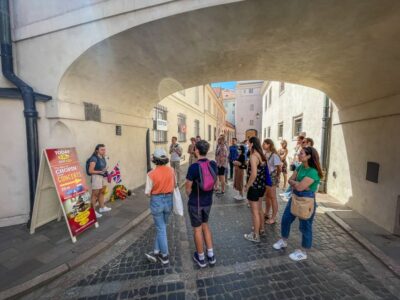 ★ 4.7Old Town Highlights Walking Tour in EnglishFrom $261,516 reviews
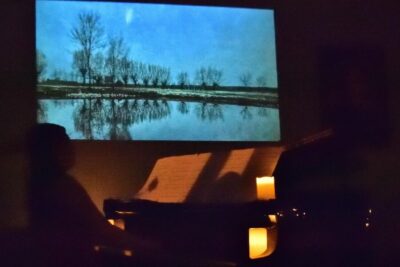 ★ 4.8Warsaw Concert: Chopin – Painted by Candlelights with WineFrom $251,442 reviews
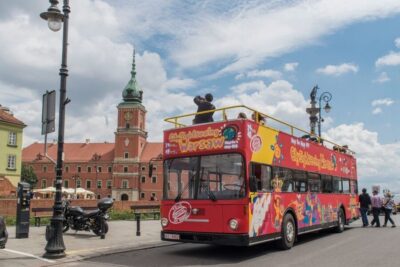 ★ 3.6City Sightseeing Hop-On Hop-Off Bus TourFrom $411,415 reviews
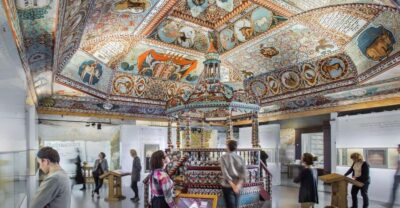 ★ 4.7POLIN Museum of the History of Polish Jews TicketFrom $121,142 reviews
 ★ 5.0#1 Pub Crawl Warsaw with Optional Premium 1 Hour Open BarFrom $28790 reviews
 ★ 4.6Polish Vodka Museum Tour with TastingFrom $22788 reviews
Also on these Poland lists