
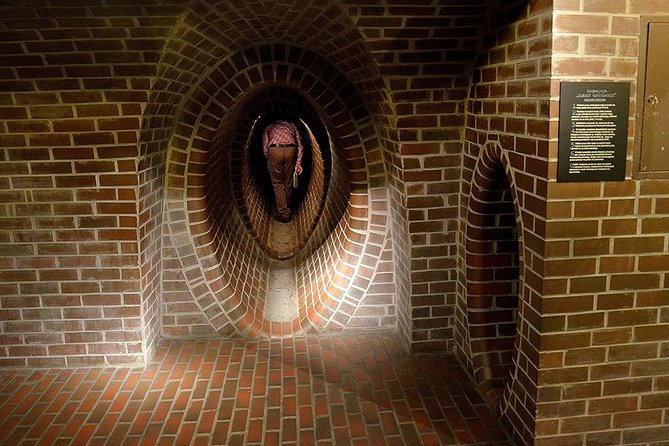
REVIEW · WARSAW CITY TOURS
Warsaw Uprising Museum (1944) : PRIVATE SERVICE /inc. Pick-up/
1944 hits you fast at this Warsaw museum. It is a private, door-to-door way to experience the Warsaw Rising Museum without the usual meeting-point stress. I like how the plan gives you transport that stays just for your group, and I’d treat the time as flexible, because this story takes longer to process than a quick stop.
Second, the museum itself is set up like a multimedia time machine. You get a self-paced flow with audio support in lots of languages, including English, so you can move at your own speed and still follow the big picture.
One thing to keep in mind: this is heavy, not a casual afternoon. If you prefer a lighter museum day, or if you want a more narrative, instructor-led walkthrough, you may want to add the optional licensed guide.
In This Review
- Key things to know before you go
- Why the Warsaw Rising Museum feels like stepping into 1944
- Private door-to-door transport in Warsaw, no shared-car stress
- A small practical caution
- What you will actually do during the 2-hour plan
- How long should you plan?
- The multimedia exhibition: fighting, daily life, and the brutal aftermath
- Audio guides and language choices that actually help
- Optional guided tour if you want a dedicated guide
- Getting the most value for $95.03 per person
- The one trade-off to watch
- Museum flow: what can feel confusing and how to fix it
- Who this private service suits best
- The honest bottom line: should you book this Warsaw pickup and museum visit?
- FAQ
- How long does the Warsaw Rising Museum visit take?
- Is pickup and drop-off included?
- Is the transportation private or shared?
- What languages are available for the audio guides?
- Do I need to meet the group at a fixed location?
- Is a guided tour included, or is it self-paced?
- How many people can be in a booking?
- What is the cancellation policy?
Key things to know before you go
- Private pickup and drop-off so you avoid shared cars and waiting around
- One-group-only service (max 6 people) with a driver or coordinator at your disposal
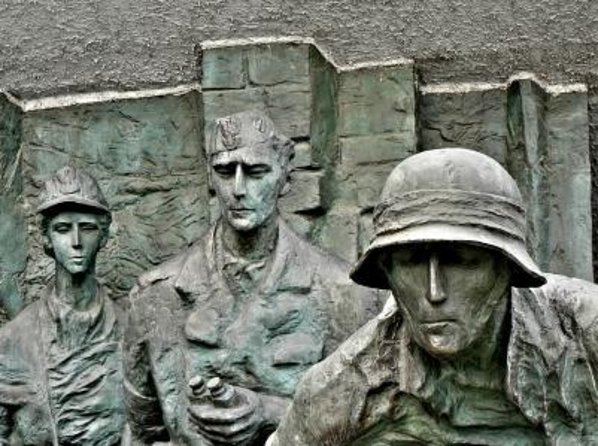
- Multimedia 1944 exhibition that covers fighting, daily life, occupation, and the aftermath
- Audio guides included, with English available
- Mobile ticket means less fuss on arrival
- Optional guided upgrade exists if you want a dedicated licensed guide
More wartime history routes we have written up in Warsaw
- World War 2 in Warsaw walking tour in English
★ 4.7 · 237 reviews - Warsaw for WWII Buffs – private tour with hotel pickup
★ 5.0 · 166 reviews - From Warsaw: Tour of the Wolf’s Lair, Hitler’s HQ by Car
★ 4.7 · 116 reviews - Majdanek Concentration Camp & Lublin Full Day Private Tour from Warsaw
★ 5.0 · 70 reviews
Why the Warsaw Rising Museum feels like stepping into 1944
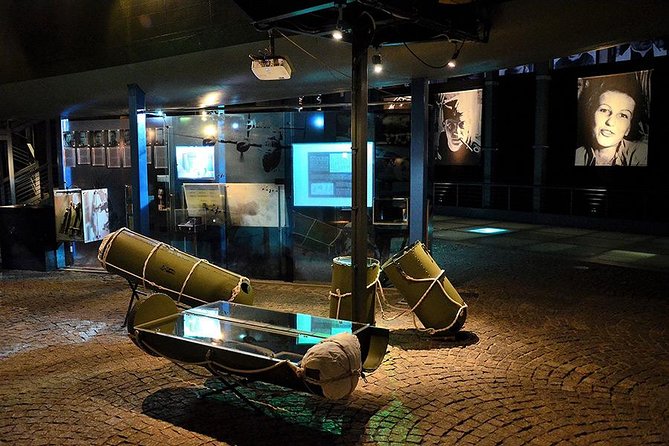
The Warsaw Uprising Museum, often called the Warsaw Rising Museum, does not feel like a typical museum with glass cases and polite silence. The layout is built to make you experience 1944 as something lived, not just studied. It pairs multimedia storytelling with historical context, so you understand both the revolt itself and the brutal world around it.
What makes it compelling is the way it connects multiple layers of the same story. You see the uprising as part of the city’s larger collapse, including what Warsaw was like before it was largely demolished. The museum also frames the rising within a complicated web of international politics, occupation realities, and the frightening shift after the war.
I also like the honesty of the experience. It does not skirt the grim side. At the same time, it highlights the human drive behind the uprising, including courage and ingenuity, not just suffering.
Private door-to-door transport in Warsaw, no shared-car stress
This experience is priced like a private service because it is one. Your driver picks you up from your hotel or apartment, and the car is only for your group, not a mixed shuttle. That one detail matters more than it sounds, especially in a city where you might otherwise waste time coordinating meeting points and walking in the wrong direction.
You also get a real handoff system. On the day of the trip, the coordinator or driver waits before you enter the building with a card showing your name and surname. It is a simple thing, but it saves you that awkward moment of scanning the street for your tour logo.
On the way back, you get door-to-door drop-off again. If you are traveling with luggage, have mobility limits, or just want a smooth day, this removes the “guessing game” that often turns museum trips into an endurance test.
A small practical caution
This is private service, so you should build your day around punctuality. One issue that can happen with any pickup-based product is a missed connection. Your best move is to write your pickup address clearly when booking, and keep your phone ready on the day so you can respond quickly if anything needs clarifying.
What you will actually do during the 2-hour plan
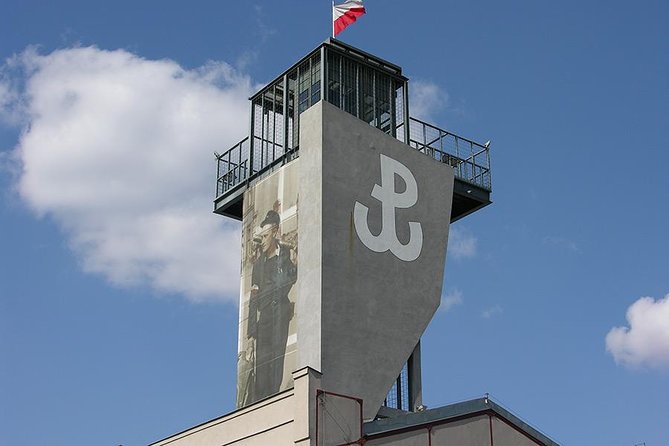
The museum visit is slotted into about 2 hours total, with the included museum admission timed at 1 hour 15 minutes. In real life, that does not mean you should rush. The exhibition is immersive, and the subject matter asks for attention, not speed.
Here’s how the flow works in practice:
- Stop 1: The Warsaw Rising Museum
You go straight to the museum, with admission included. The multimedia exhibition takes you through:
- fighting and rising participants
- day-to-day life during the uprising
- the occupation’s horrors
- the international situation shaping outcomes
- communist terror after the war
- what happened to participants in the new political reality
Because it covers both military conflict and daily life, it tends to pull in people who like history, but also people who want to understand what everyday existence looked like in 1944.
Warsaw rebuilt itself twice over. Here is how else we saw it
- Warsaw: Chopin Concert in the Old Town★ 4.8 · 2,287 reviews
- Warsaw: Traditional Galar Cruise on The Vistula River★ 4.6 · 1,640 reviews
- Warsaw: Old Town Highlights Walking Tour in English★ 4.7 · 1,516 reviews
- Warsaw Concert: Chopin – Painted by Candlelights with Wine★ 4.8 · 1,442 reviews
- Warsaw: City Sightseeing Hop-On Hop-Off Bus Tour★ 3.6 · 1,415 reviews
How long should you plan?
Even when admission is timed, I suggest you plan for extra reading time in your own head. Some people have found they spent longer than expected, including around 2 to 3 hours, especially if they follow the story carefully instead of skimming screens and stations.
If your schedule is tight, tell yourself to pick a route and stick to it. If you have breathing room, let the museum take the time it needs.
The multimedia exhibition: fighting, daily life, and the brutal aftermath
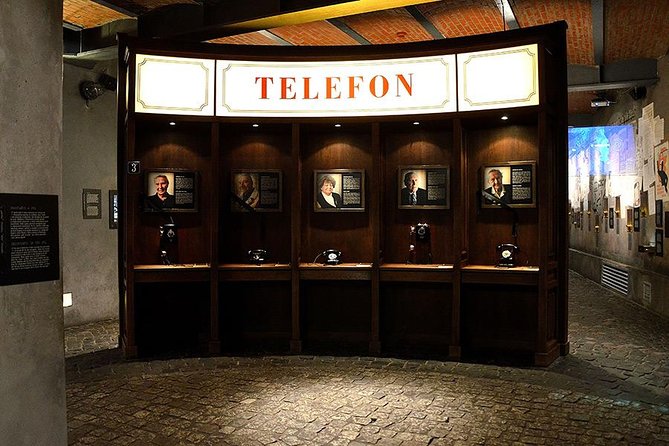
The museum’s biggest strength is how it balances the two core tracks of the story: what people did to resist, and what the occupation and aftermath did to them. It is not only about battles. It also shows how people lived through the same terror, with the same fear, and the same uncertainty.
The exhibition also pays attention to context. It positions 1944 as a year when Warsaw was already severely damaged and facing a larger collapse. The framing includes how the city used to function and grow, right down to details like historical tenements and even the city’s then-modern infrastructure. That matters, because it helps you feel the scale of loss. If the uprising is only presented as a battlefield, you miss what was being fought for: a whole city, a whole future.
Then it turns to what happened after. Many museums stop at the end of the fighting. This one continues into the communist terror after the war and the consequences for the rising participants. That continuation is part of why the experience can feel tense and heavy.
If you have read historical fiction set around this era, such as Mila 18, the tone and subject matter may ring familiar. Even without that background, the museum’s structure helps you connect the individual stories to the larger machinery of repression.
Audio guides and language choices that actually help
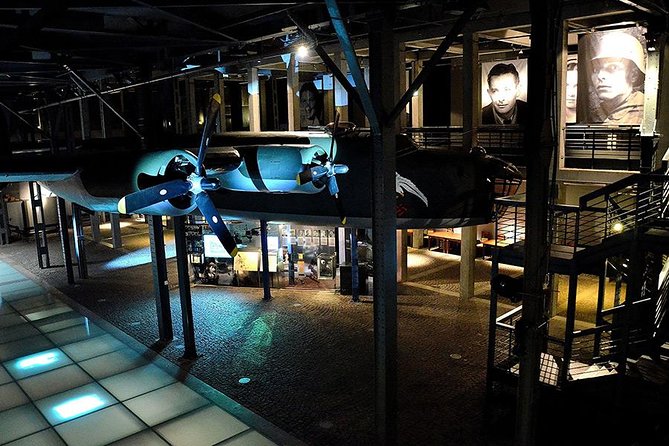
The tour includes audio guides. English is available, and the full list of languages is broad, covering many European and Asian languages plus Russian and Polish. That means you are not stuck with only a couple of options.
This matters because the museum tells a layered story. Without audio support, it is easy to miss what you are looking at. With audio, you can connect the screens, photos, and installations to what they represent and why they matter.
A practical benefit: since the service is private, your timing is yours. If you get pulled into one section, you can slow down. If you want to move on quickly, you can do that too, as long as you stay within your admission time.
Optional guided tour if you want a dedicated guide
If you want someone live, not just audio, there is an add-on option. A licensed guide dedicated only to your group is available for an extra 99 Euro per group, payable on the day of the tour. English, German, French, Russian, Italian, and Spanish are listed as options.
This is especially worth considering if:
- your group prefers guided storytelling over audio
- you want help making sense of the path through the exhibition
- you want deeper interpretation of the international and post-war sections
If you are fine with self-paced learning, the included setup is often enough.
Getting the most value for $95.03 per person
At $95.03 per person, this is not a budget add-on. But you are not just buying museum admission. You are paying for convenience plus time savings.
You get:
- private door-to-door transportation with no other clients in the car
- a coordinator or driver at your disposal
- audio guides included
- museum admission included
- local taxes handled
When you compare that to the cost and hassle of getting yourself there and back, the price can make sense. The real value is the stress reduction. Warsaw is walkable in parts, but a museum visit can become time-consuming if you have to manage transit plus ticket plus your meetup point.
Also, the group size cap is up to 6. That helps keep the experience feeling manageable, and it helps avoid the “everyone gets split into different directions” problem common with larger group tours.
The one trade-off to watch
Private transport is great, but it also means you are timing your day around pickup. If your lodging is hard to access, or if you are slow getting out the door, the museum clock starts ticking. Build in a little buffer, especially if you are traveling with kids or coordinating multiple rooms.
Museum flow: what can feel confusing and how to fix it
The exhibition is well structured overall, but some people have found it can be tricky to follow the most logical path. That does not mean the content is unclear. It can mean the layout takes a moment to “click” as you move through stations.
My practical suggestion is simple:
- Start calm. Give yourself a few minutes to understand how the story is segmented.
- If you feel pulled off course, do not panic. Just follow the audio and let it guide you back to the main narrative line.
- If you love structure, consider the optional guided tour so someone can keep you oriented without you having to figure it out on the fly.
If you are the type who likes to look, read, and absorb, plan for longer than the shortest interpretation of the schedule.
Who this private service suits best
This works best if you want history that is intense but not confusing logistically.
I’d point you toward it if:
- you dislike shared tours and want a calmer start and finish
- you are short on time and want a tight plan with pickup arranged
- you prefer self-paced learning with audio guides
- you are traveling in a small group, up to 6
It may be less ideal if:
- you want a very light museum outing
- you only want a quick overview and do not like heavy themes
- you strictly prefer a guide-led, lecture style with no self-direction (in that case, you might prefer the licensed guided tour option)
The subject matter can feel grim and tense. If you’re okay with that, you will likely appreciate the museum’s seriousness and detail.
The honest bottom line: should you book this Warsaw pickup and museum visit?
Book it if you want the museum experience without the hassle of figuring out transport and meeting points. For many people, the private, door-to-door setup is what makes the day feel smooth. Add in audio guides in English, and the museum becomes accessible even if you are not an expert on Polish history.
Think twice if your schedule is razor tight, because the content can stretch beyond a quick stop. Also consider the optional guided tour if you want extra clarity on the route and want someone to connect the dots live.
One more practical note: this product is rated well overall, around 4.3 out of 5 based on 18 ratings. The strongest signals are about how engaging and well presented the museum is, plus how useful the experience can be when learning the uprising and the people behind it.
FAQ
How long does the Warsaw Rising Museum visit take?
The experience runs about 2 hours total. Admission to the Warsaw Rising Museum is included and is timed at 1 hour 15 minutes.
Is pickup and drop-off included?
Yes. The service includes door-to-door transport from your hotel or apartment to the Warsaw Uprising Museum, and then back again to your hotel or another location in Warsaw you indicate.
Is the transportation private or shared?
Private. Your group only rides in the vehicle, with no other clients in the car.
What languages are available for the audio guides?
Audio guides are included and are listed as available in many languages, including English. (A long list of other languages is also offered.)
Do I need to meet the group at a fixed location?
No. When you book, you share your hotel or apartment address. On the day of the trip, a coordinator or driver waits before you enter the building with a card showing your name and surname.
Is a guided tour included, or is it self-paced?
The experience includes audio guides, but a separate individual guided tour by a licensed tour guide dedicated only to your group is an optional extra at 99 Euro per group.
How many people can be in a booking?
A minimum of 2 people is required, and the maximum is 6 people per booking.
What is the cancellation policy?
You can cancel for a full refund if you cancel at least 24 hours in advance of the experience start time. Free cancellation applies as long as you meet that timing.
More Tour Reviews in Warsaw




Warsaw, Keep Looking
Wartime History in Warsaw


Recently written up around Warsaw




More Warsaw City Tours.
 ★ 4.8Chopin Concert in the Old TownFrom $262,287 reviews
 ★ 4.6Traditional Galar Cruise on The Vistula RiverFrom $201,640 reviews
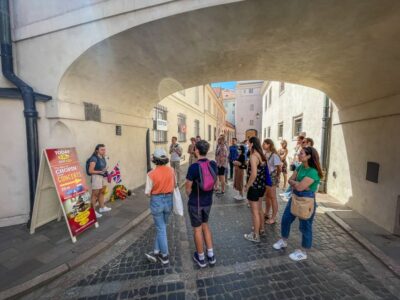 ★ 4.7Old Town Highlights Walking Tour in EnglishFrom $261,516 reviews
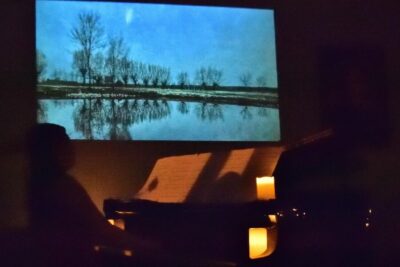 ★ 4.8Warsaw Concert: Chopin – Painted by Candlelights with WineFrom $251,442 reviews
 ★ 3.6City Sightseeing Hop-On Hop-Off Bus TourFrom $411,415 reviews
 ★ 4.7POLIN Museum of the History of Polish Jews TicketFrom $121,142 reviews
 ★ 5.0#1 Pub Crawl Warsaw with Optional Premium 1 Hour Open BarFrom $28790 reviews
 ★ 4.6Polish Vodka Museum Tour with TastingFrom $22788 reviews
Also on these Poland lists