
REVIEW · WARSAW CITY TOURS
Warsaw: Warsaw Historical Group Tour with Pickup & Drop-Off
Old Town in one tight loop, with context that clicks. This 3-hour Warsaw historical tour is built for first-time orientation, mixing UNESCO-listed Old Town monuments with Łazienki Park and WWII memorial sites, all in a format that is easy to fit into a busy day. I especially like that the route is paced for people who want big landmarks without getting lost in logistics.
Two things I like a lot are the door-to-door hotel pickup and drop-off and the way the stops connect into a clear story of how Warsaw was shaped by monarchy, occupation, and rebuilding. One drawback to keep in mind is that you do some walking at a steady pace, so wear good shoes and plan your photos for the moments you have, not for every single angle.
In This Review
- Key highlights
- Door-to-door start: getting oriented without fighting Warsaw traffic
- Riding the Royal Route: monarch-era Warsaw in rapid context
- Łazienki Park and the last King’s summer residence
- Old Town UNESCO monuments: Royal Castle, St. John’s, and royal tombs
- Jewish Ghetto area, Polin Memorial, and what you can learn around Umschlagplatz
- Tomb of the Unknown Soldier and the Warsaw Uprising memorial arc
- Praga district when the traffic cooperates, plus Brotherhood of Arms
- The Dąbrowski Bridge viewpoint: a last look before you head back
- Price and value for a fast Warsaw orientation
- How to get the most out of the 3-hour format
- Should you book this Warsaw Historical Group Tour?
Key highlights
- Royal Route drive-by views that show aristocratic residences and major monuments fast
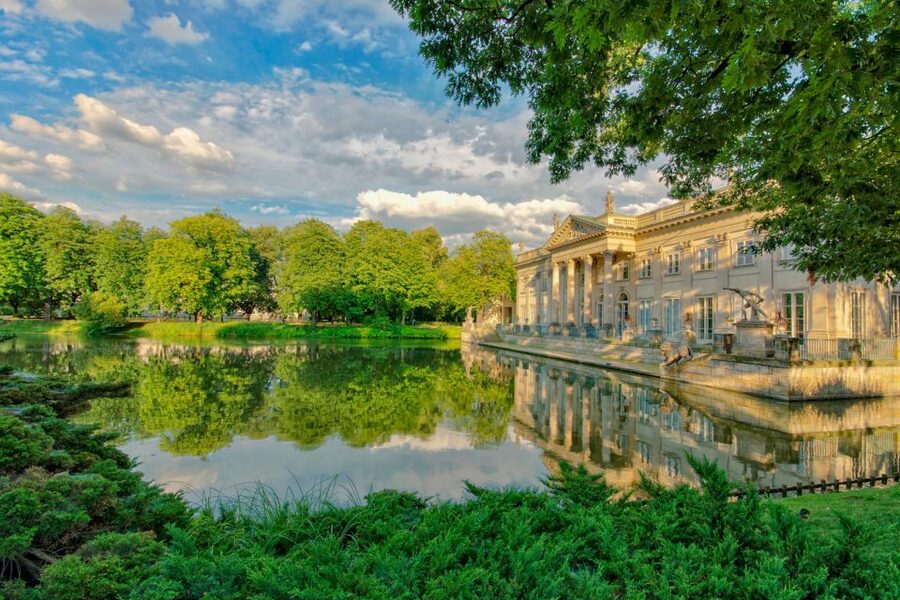
- Łazienki Park and the summer residence of the last King of Poland
- UNESCO World Heritage Old Town highlights like the Royal Castle and St. John’s Cathedral
- Jewish Ghetto area stops including the Polin Museum and Memorial, plus Umschlagplatz
- WWII memorial sequence by bus featuring the Tomb of the Unknown Soldier, Warsaw Uprising, and Katyn victims
- Dąbrowski Bridge viewpoint before you head back to your hotel
Warsaw rebuilt itself twice over. Here is how else we saw it
- Warsaw: Chopin Concert in the Old Town
★ 4.8 · 2,287 reviews - Warsaw: Traditional Galar Cruise on The Vistula River
★ 4.6 · 1,640 reviews - Warsaw: Old Town Highlights Walking Tour in English
★ 4.7 · 1,516 reviews - Warsaw Concert: Chopin – Painted by Candlelights with Wine
★ 4.8 · 1,442 reviews
Door-to-door start: getting oriented without fighting Warsaw traffic
The day begins the practical way, with pickup from your hotel. That matters in Warsaw because a good chunk of sightseeing depends on timing, road access, and where you are relative to the center. By meeting your group and guide right at your lodging, you skip the part where you spend your limited hours trying to figure out bus routes, trams, and where to stand.
Once you’re on board, you ride a new air-conditioned bus and head along the Royal Route of Warsaw. Even before you get out to walk, the drive helps you build a mental map: which streets matter, where the big public squares sit, and how the city’s different eras line up along the same axis. Guides often make this part lively, and you may hear famous names from past groups like Christopher, Olaf, Leo, Alice, Dorothy, or Peter, many described as energetic and quick with stories. The important part for you is the payoff. You come away with way more than a list of sights.
The tour also leans into an “expect a full run” style. It’s built to fit a lot into 3 hours, so there’s not much idle time. If you like slow wandering and long photo breaks, you’ll have to manage expectations and move with the group.
Riding the Royal Route: monarch-era Warsaw in rapid context
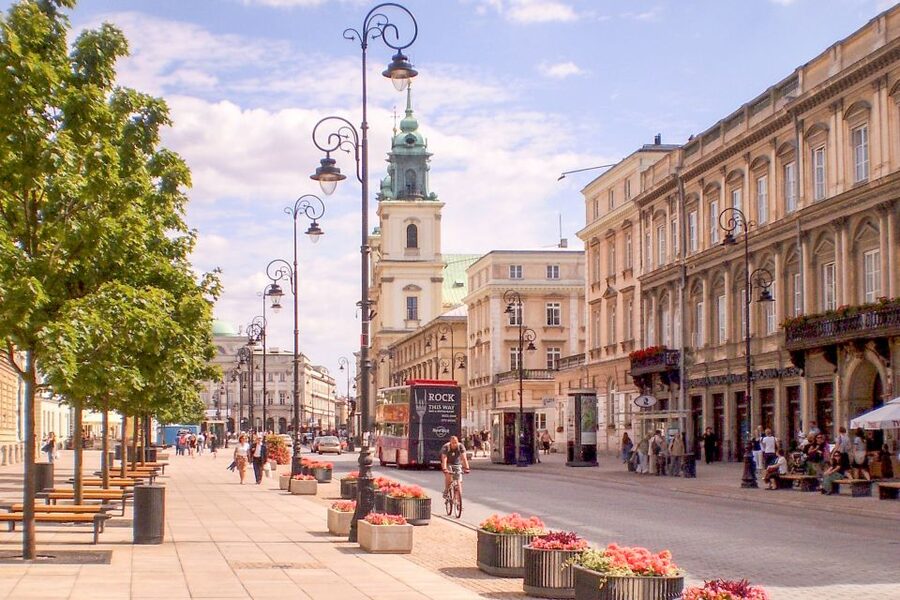
The Royal Route of Warsaw is one of those phrases that sounds like marketing until you experience it. It’s a spine of streets and landmark connections that lets you see how royal power played out in public space. On this tour, you’re not just staring out a window. You’re moving along a corridor where the guide can point out key monuments and explain why they ended up where they did.
This portion is valuable because it frames everything after. When you later step into the Old Town, you already know what kind of city layout you’re looking at and what the city’s “center” means historically. It’s the kind of setup that helps your eyes work better, even if you’ve never been to Warsaw before.
Also, you get a real-world reminder that Warsaw is not frozen in time. You’re mixing monarchy-adjacent landmarks with later memorials on the same ride. That contrast is part of the tour’s strength. You see how the city layers meaning rather than replaces it.
Łazienki Park and the last King’s summer residence
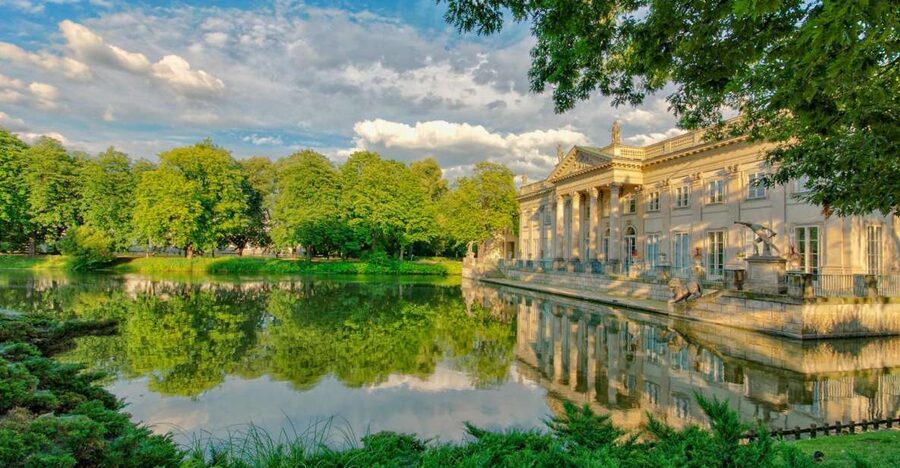
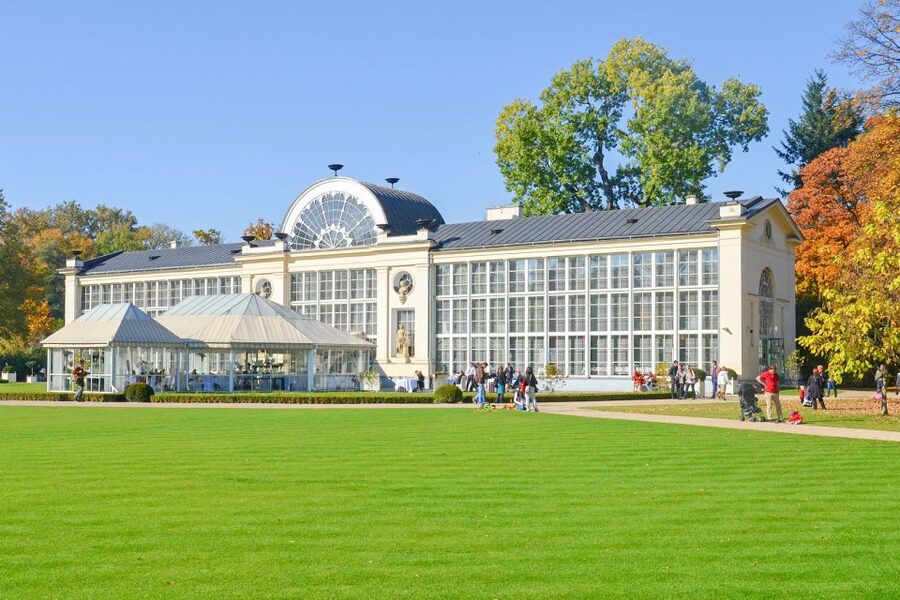
Then comes Łazienki Park, one of the most popular green escapes in the city. What makes this stop more than a pretty pause is what you’re there to recognize: it’s tied to royal leisure, especially the summer residence of the last King of Poland. In other cities, parks can feel separate from history. Here, the setting actually helps you picture how power and culture functioned.
As you move through the park area, the guide typically gives you context to connect the architecture and the landscape to the people who used them. Even if you only have a short window, you start noticing details you would otherwise miss: the way buildings sit in relation to pathways, the park’s role as a stage for public life, and why this location became a symbol.
I also like that Łazienki Park gives your legs a different kind of break. You still walk, but it’s not the same “tight Old Town sidewalks plus crowds” feel. The park’s pace helps you reset for the more intense WWII-focused segments later.
Practical note: weather matters here. Warsaw can swing fast, and the tour asks you to wear appropriate clothing. Bring a layer you can adjust, because time outdoors plus changing conditions can make a big difference in comfort.
Old Town UNESCO monuments: Royal Castle, St. John’s, and royal tombs
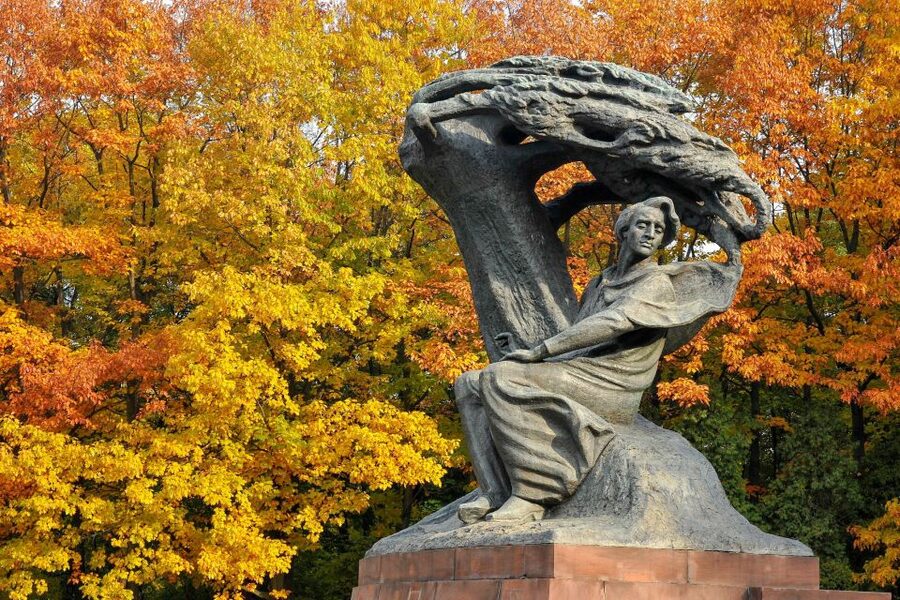
The Old Town is where Warsaw announces itself. This tour takes you through the UNESCO World Heritage monuments of the Old Town, and the approach is smart for a first visit: you get the highlights without needing a full day and without turning it into a museum binge.
You focus on key visual anchors:
- The Royal Castle area
- St. John’s Cathedral
- The tombs of the Jagiellonian and Vasa dynasties
That last point is a big deal. These tombs connect you to the long arc of Polish-Lithuanian history and show why the Old Town wasn’t only about buildings, but about dynasties, legitimacy, and memory. When a guide explains which ruling lines are tied to which spaces, it stops feeling abstract.
The “walk and learn” format also helps you understand the Old Town’s layout. You’re not just looking at one façade, you’re moving through the spaces where people historically gathered and where national identity was made visible. Even if you don’t go inside ticketed spaces, the exterior view and the architectural cues still tell a lot.
One practical drawback: because it’s a walk segment, your time can disappear fast if you stop every few meters. You’ll get great views, but you’ll need to choose your photo moments and accept that some angles will have to wait for later independent sightseeing.
Below are the other Warsaw trips we have logged
- Warsaw: Chopin Concert at Historical Venue in Old Town★ 4.7 · 445 reviews
- Small-Group Historical Guided Tour of Warsaw with pick up/drop off. Public Tour.★ 4.5 · 343 reviews
- Warsaw: Warsaw Historical Group Tour with Pickup & Drop-Off★ 4.6 · 233 reviews
- Private Historical Tour of Warsaw by a Retro Fiat with Pickup★ 5.0 · 190 reviews
- Warsaw: Jewish Heritage & Holocaust Walking Tour★ 4.7 · 119 reviews
Jewish Ghetto area, Polin Memorial, and what you can learn around Umschlagplatz
The tour shifts gears into one of the most important parts: the former Jewish Ghetto area. You don’t just pass through. You look at major remembrance sites tied to the WWII story, including the Polin Museum and Memorial to the Heroes of the Ghetto.
Then you continue toward the Museum of the History of Polish Jews and the infamous Umschlagplatz, described as the place where Nazis assembled Jews for deportation to the death camps. This is heavy subject matter, so the value here is how the guide frames it. The tour format gives you a sequence, which helps you avoid leaving with a jumble of names and dates. You start to see the logic of the Nazi process, where the ghetto fit, and how the deportations were carried out from a specific urban node.
Even though entrance fees are not included and there are no museums as part of the paid experience, you still gain something crucial: location-based understanding. You get the city geography of persecution and memory, not just the abstract facts you might read later.
If you’re traveling with anyone who gets overwhelmed easily by WWII topics, decide ahead of time how you want to handle this part. I found the tour’s structure helps, because the guide can pace the information rather than dumping it all at once.
Also, a word about comfort. This segment is outdoors and walking-heavy. Bring a water bottle if you usually need one, and plan ahead so you don’t end up looking for shops in the middle of the most serious stops.
Tomb of the Unknown Soldier and the Warsaw Uprising memorial arc

After the Old Town area, the tour continues by bus to a set of solemn landmarks that define modern Warsaw remembrance. You visit the Tomb of the Unknown Soldier, the Monument to the Warsaw Uprising, and the Monument to the Victims of the Katyn Massacre.
What I like about this “memorial belt” approach is that it gives you a broader WWII and post-WWII lens without forcing you into a long museum day. Each stop covers a different type of loss and resistance, so you come away with a more rounded sense of what Poland had to endure and how the city marks that in public space.
The Tomb of the Unknown Soldier sets a tone of national mourning and collective memory. Then the Warsaw Uprising monument brings in the specific moment of revolt against occupation. Finally, the Katyn massacre memorial shifts to a different historical wound, tied to mass executions and the terror that followed.
If you’re sensitive to emotional intensity, don’t treat this tour like a casual stroll. You’re spending time at real remembrance sites, and the guide’s job is to explain what you’re seeing. The upside is that the explanations can help the places land with meaning rather than feeling like random statues.
Praga district when the traffic cooperates, plus Brotherhood of Arms
Then you head to Praga District, described as gritty. You see the Monument of Brotherhood of Arms, and this is where real-world travel rules show up. The tour notes that the drive through Praga depends on traffic.
That matters because Warsaw, like any big city, has days when road access changes. If traffic slows things down, you may get less time at certain photo points and more “from here, look that way” moments. Still, the bus-and-monument approach means you generally don’t lose the stop entirely. The goal is to give you a contrast view of Warsaw beyond the polished core.
Why I think this segment is worth it: Warsaw is not just Old Town and grand squares. Praga gives you a different texture, one that helps you understand why post-war rebuilding and social change mattered in practical, daily terms. The Brotherhood of Arms monument also reinforces that Warsaw remembers not only what happened to it, but who it linked with through history.
And yes, if it’s a rainy day, don’t panic. Even in less-than-ideal weather, the tour can still work well because much of the route is bus-based, with walking concentrated into set segments. A guide with humor and energy helps too.
The Dąbrowski Bridge viewpoint: a last look before you head back
You end with a unique view from Dąbrowski Bridge, then you’re dropped back at your hotel. This final viewpoint is smart because it ties everything together. From the bridge, you can often understand how the city’s major areas connect, where the river plays into movement, and why certain monuments feel like they belong to a bigger picture.
This “last look” moment is also useful if you want to plan your next day on your own. Once you see the city from a higher, broader angle, it becomes easier to pick neighborhoods and decide what’s worth returning to later.
Price and value for a fast Warsaw orientation
At $58 per person for about 3 hours, the math works best when you value time and guidance. What you’re paying for is not just the sightseeing. You’re paying for:
- Hotel pickup and drop-off, which saves time and stress
- An English-speaking live guide
- Transport on a new air-conditioned bus
- Three walks during the tour
Entrance fees are not included, and there are no museums as part of the paid experience, so this is mainly a “see the key places and get the meaning” deal. That’s a good fit for travelers who want the big hits and the historical context, but don’t want to budget extra ticket costs during a short stay.
If you’re someone who enjoys self-guided travel, you can still do it cheaper by using transit and guidebooks. But the tour’s value is the structure. In 3 hours, it can be hard to build a coherent narrative across Old Town, the ghetto area, and WWII memorials. A good guide compresses that narrative, and that’s often what makes the difference between seeing sights and understanding them.
If you are the type who needs lots of “go at my own pace” time, the short duration might feel tight. But if you want a high-efficiency overview, this price is in the range that usually makes sense.
How to get the most out of the 3-hour format
This isn’t a “sit and watch everything” tour. You’ll walk in set parts, so you’ll enjoy it more if you prepare like it’s a half-day outing.
A few things that will make it smoother:
- Wear comfortable shoes for uneven Old Town pavement and memorial stops
- Dress in weather-appropriate layers since Warsaw conditions can shift
- Bring patience for the pace, especially around the Old Town walking segments
- If you’re the type who likes audio support, consider bringing something for listening while you walk, since guides can share a lot while you move
Also, plan your meal situation. Meals are not included, so eat before you go or plan a post-tour stop while you’re still in the center.
Should you book this Warsaw Historical Group Tour?
I’d book it if you want a tight introduction to Warsaw that covers the places most visitors miss unless they already know the city well. It’s especially smart for first-timers who want Old Town UNESCO highlights, the Łazienki Park royal connection, and the WWII remembrance sites around the Jewish Ghetto and Umschlagplatz, all without worrying about ticketed museum time.
Choose a different option if you dislike structured walking or need long independent photo stops. And if you’re sensitive to accents or audio clarity, do what you can to position yourself well in the group so you can hear your guide comfortably.
If you’re on a short schedule, this tour is one of the most efficient ways to get your bearings fast and leave with a clearer sense of how Warsaw got from monarchy to catastrophe to rebuilding.
More Tours in Warsaw


More Tour Reviews in Warsaw


Warsaw, Keep Looking
Recently written up around Warsaw

More Warsaw City Tours.
 ★ 4.8Chopin Concert in the Old TownFrom $262,287 reviews
 ★ 4.6Traditional Galar Cruise on The Vistula RiverFrom $201,640 reviews
 ★ 4.7Old Town Highlights Walking Tour in EnglishFrom $261,516 reviews
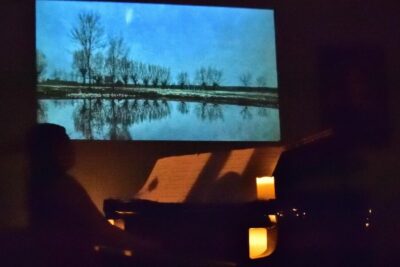 ★ 4.8Warsaw Concert: Chopin – Painted by Candlelights with WineFrom $251,442 reviews
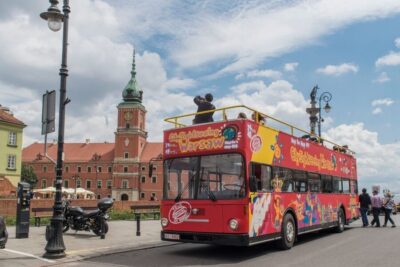 ★ 3.6City Sightseeing Hop-On Hop-Off Bus TourFrom $411,415 reviews
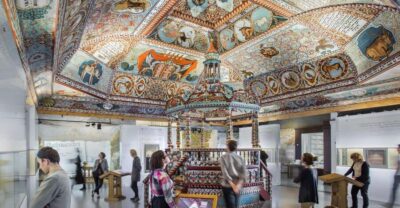 ★ 4.7POLIN Museum of the History of Polish Jews TicketFrom $121,142 reviews
 ★ 5.0#1 Pub Crawl Warsaw with Optional Premium 1 Hour Open BarFrom $28790 reviews
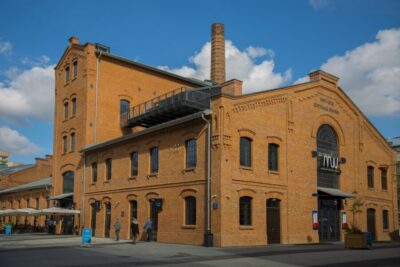 ★ 4.6Polish Vodka Museum Tour with TastingFrom $22788 reviews
Also on these Poland lists