
REVIEW · JEWISH HERITAGE AND GHETTO TOURS
Warsaw: Jewish Heritage & Holocaust Walking Tour
Warsaw teaches fast, with the right walk. This Jewish Heritage and Holocaust walking tour traces the community across nearly 600 years, then focuses hard on the Warsaw Ghetto and the Ghetto Uprising. I especially like the way guides, including Magda and Gawel, use old photographs alongside what you can still see today.
I also like the balance of scope and attention. More than half the tour is devoted to the Holocaust of Warsaw’s Jews, including how the Warsaw Ghetto was created, what life behind the wall looked like, and the deportations to Treblinka, before moving into the main uprising-related places. One consideration: the tour can feel long and heavy, and in winter the later part can be very cold, with some groups large enough to reduce comfort.
In This Review
- Key highlights before you step outside
- Starting at Sigismund’s Column, then walking back 600 years
- Medieval Warsaw and the first expulsions, explained on the street
- Jurydki, magnates, and the Haskalah Jewish Enlightenment
- Pre-war Jewish District photos, then the reality check
- The Warsaw Ghetto, life behind the wall, and Treblinka deportations
- Big Ghetto and the places connected to the Uprising
- Price, timing, and how $20 fits the value
- Practical advice for a respectful, comfortable walk
- Who should book this, and who might want a different option
- Should you book the Warsaw Jewish Heritage & Holocaust walking tour?
Key highlights before you step outside
- Castle Square start point at Sigismund’s Column, easy to find if you spot an orange umbrella with a British flag
- 600-year timeline from medieval Jewish presence through jurydki and the Haskalah
- Photo and street comparison that shows how war reshaped real neighborhoods
- More than half Holocaust focus including ghetto creation, life behind the wall, and deportations to Treblinka
- Big Ghetto and Uprising locations that connect the history to the geography
Further Jewish heritage and ghetto routes documented in Warsaw
- Warsaw: POLIN Museum of the History of Polish Jews Ticket
★ 4.7 · 1,142 reviews - Warsaw: Warsaw Ghetto Private Walking Tour with Hotel Pickup
★ 4.9 · 369 reviews - Warsaw: Jewish History Guided Walking Tour in English
★ 4.7 · 324 reviews - Private Tour: Warsaw’s Jewish Heritage by Retro Fiat
★ 5.0 · 208 reviews
Starting at Sigismund’s Column, then walking back 600 years

Your tour begins at Castle Square, by Sigismund’s Column, a 20-meter high landmark with a statue on top. This is a smart choice. Castle Square gives you a clear “starting point” and a big-city view of Warsaw so you can orient fast, before the guide narrows in.
Look for your guide holding an orange umbrella with a British flag. That small detail matters. If you have ever wandered around a meeting point in a crowd, you know that getting started smoothly sets the tone for the whole walk.
From the first minutes, the format is practical: you are not just reading plaques. You are hearing how the Jewish community in Warsaw developed over centuries, then how the war rewrote daily life. The guide’s job is to connect time periods to streets you can physically stand on, which is exactly why this works as a walking tour rather than a museum visit.
If you have a head covering or kippah, bring it. The tour information asks for it, and guides tend to follow local expectations. Comfortable shoes also matter here because you are out for 150 minutes.
Medieval Warsaw and the first expulsions, explained on the street
One of the tour’s most valuable parts is the early backstory: the guide walks you through the origins of Polish Jews and the community’s long presence in Warsaw. You start in the medieval era and keep going until the first expulsions are discussed.
Why this matters: when a tour jumps straight to the Holocaust, you miss the point that this was a living community with roots, institutions, and everyday routines. Starting earlier helps you understand what was destroyed, not just what happened.
As you move along, expect the guide to give context in plain language. For example, you will hear what the medieval Jewish quarter meant in urban life, not as an abstract concept but as a neighborhood with boundaries and rules. The goal is clarity, not heavy jargon.
Also, expect the guide to use visual support. Many guides on this route use photos to compare past and present. Even when you cannot see a medieval wall or a vanished street layout anymore, the “this used to look like this” method helps you picture how people actually lived.
Jurydki, magnates, and the Haskalah Jewish Enlightenment
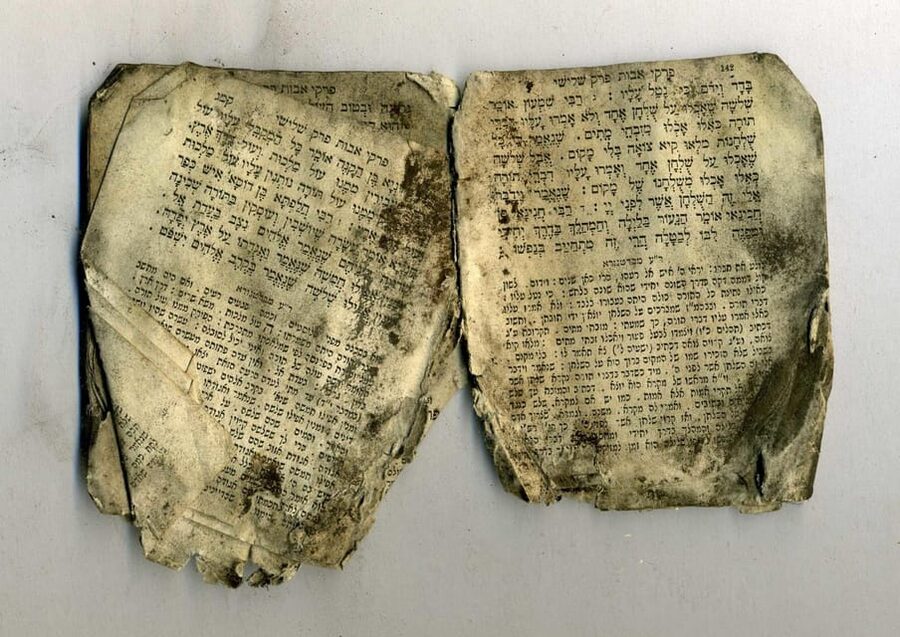
The tour does not stop with medieval life. It moves into the 18th century and the story of Jewish settlements within jurydki. Jurydki were areas under the jurisdiction of Warsaw magnates, which is a key detail because it helps explain why Jewish life in Warsaw was shaped by property rights and local authority.
Then comes the Haskalah, often called the Jewish Enlightenment. This is another turning point, and it is more than a name to memorize. You get the sense that cultural and intellectual changes were happening even while political realities remained complicated.
Why you should care: these sections help you avoid a “single-story” history. You get the texture of change over time. You also learn how the community adapted, organized, and responded to shifting rules and opportunities.
In your photos and street comparisons later, this earlier background becomes a kind of mental setup. It is easier to grasp why neighborhoods mattered, why boundaries mattered, and why disruption hit so hard.
Pre-war Jewish District photos, then the reality check
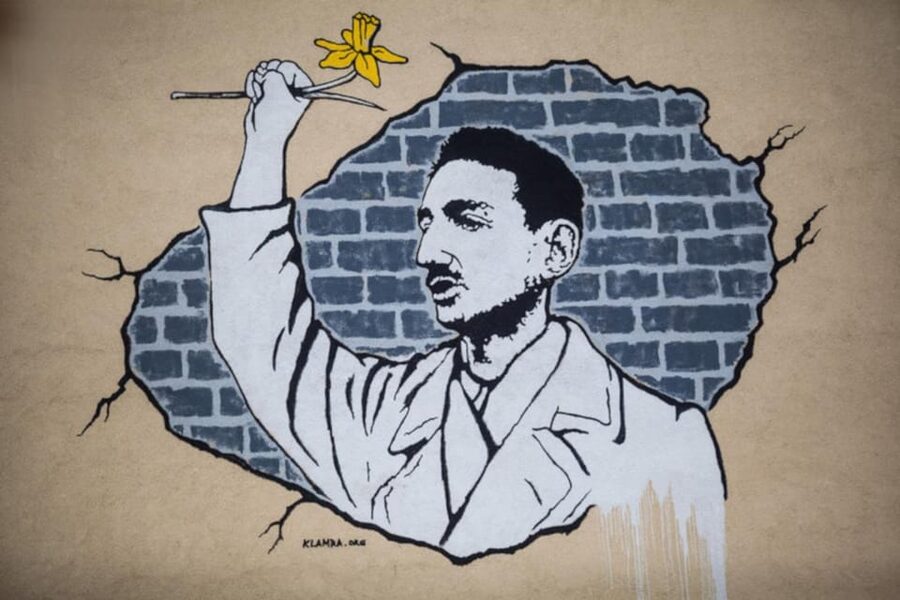
As the tour heads toward the early 1900s, it starts using old photographs more directly. You will be shown the 19th-century and pre-war Jewish District of Warsaw, and you will look at how life appeared on the ground before the war.
This part is one of the reasons the tour earns high marks. It forces you to make a connection. You do not just hear that the war caused devastation. You see images, then compare them with the present-day setting around you.
Here is the practical takeaway: bring your attention. Stand where the guide points. Look where the buildings used to be. Notice how streets can remain, while buildings and social life vanish. That contrast is emotional, but it is also intellectually honest. It shows how long a city’s memory can be.
You might also notice that guides tend to explain what is known, what is documented, and what is probable. One guide style described in the experience emphasizes separating facts from interpretation. That helps a lot when you are dealing with painful history and want a careful, respectful approach.
Warsaw rebuilt itself twice over. Here is how else we saw it
- Warsaw: Chopin Concert in the Old Town★ 4.8 · 2,287 reviews
- Warsaw: Traditional Galar Cruise on The Vistula River★ 4.6 · 1,640 reviews
- Warsaw: Old Town Highlights Walking Tour in English★ 4.7 · 1,516 reviews
- Warsaw Concert: Chopin – Painted by Candlelights with Wine★ 4.8 · 1,442 reviews
- Warsaw: City Sightseeing Hop-On Hop-Off Bus Tour★ 3.6 · 1,415 reviews
The Warsaw Ghetto, life behind the wall, and Treblinka deportations
More than half of the tour is devoted to the Holocaust of Warsaw’s Jews. That heavy focus is not an add-on. It is the center of gravity.
You will learn about the creation of the Warsaw Ghetto, then what conditions of life were like behind the wall. Expect the guide to address daily hardship, confinement, and how ordinary time was replaced by forced survival.
From there, the story turns to deportations, including the deportations to Treblinka death camp. This is a crucial segment because it explains what happened after the ghetto system was established. It also gives the history its ending, not as a vague outcome but as a documented process.
Emotionally, this is where you will feel the weight of the tour. The best guides use a calm, compassionate tone. In recent groups, guides like Martin and Albert have been praised for delivering difficult material with sensitivity while still keeping the facts clear. That combination matters. It keeps the tour from turning into numb statistics, while also avoiding storytelling that loses accuracy.
If you want to prepare your own mindset, do it before you start. This tour expects you to handle sadness. You do not have to force emotions, but you should come ready to listen.
Big Ghetto and the places connected to the Uprising
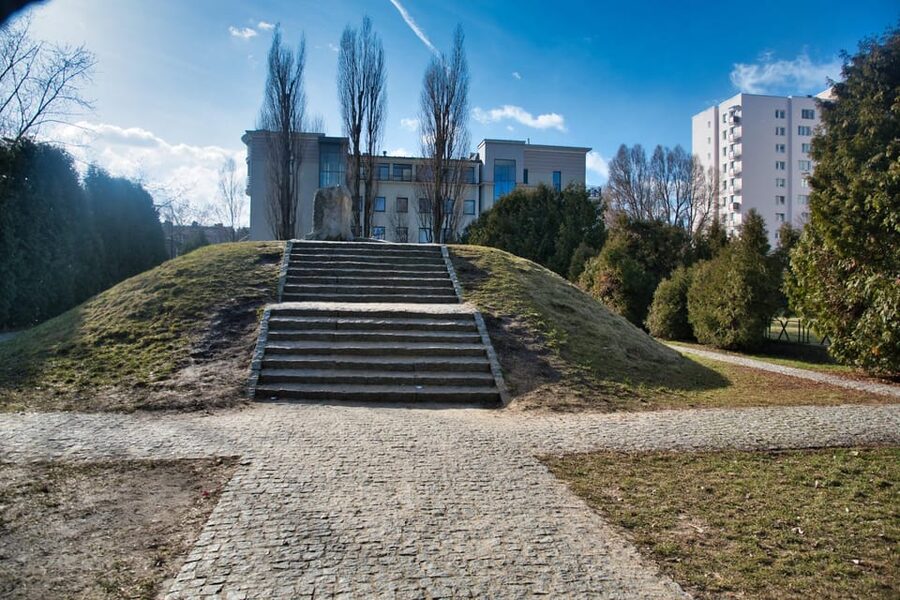
Once the tour reaches the uprising period, you shift from the suffering under occupation to resistance and desperate fighting. The highlight calls out the Big Ghetto, the area where the fights of the Ghetto Uprising took place.
This is where you get the map-like part of the walking tour experience. You will see major places related to the Uprising in the Warsaw Ghetto. The guide ties those locations to what happened there, so the geography becomes part of the story rather than just a backdrop.
Why it is valuable to see these places in a guided walk: you are not just learning names. You are learning how the conflict unfolded in space. Streets, corners, and boundaries become clues.
There is also a sense of continuity. The tour begins with centuries of community life, moves through the collapse brought by war, and then shows the uprising as both tragedy and agency. In that order, the uprising section lands harder, but it also feels more grounded in the reality that people had history, families, and homes before everything broke.
If you are the type who likes to ask questions, this is often the moment when your guide’s depth really shows. Several guides have been described as happy to answer questions, and the topic invites them: why these locations, how people moved, what the boundaries meant.
Price, timing, and how $20 fits the value
The price is $20 per person for a 150-minute walking tour, led by a professional guide. On paper, it is simple. In practice, it is good value because you are getting two things most visitors struggle to stitch together on their own: a long historical timeline and a guided “past versus present” method using photos.
You are also not paying for a stack of separate museum tickets. The tour includes the walking tour and the guide, but it does not include entrance fees to attractions. That keeps your planning straightforward, and it also means you are paying primarily for interpretation and storytelling.
Timing matters too. 150 minutes is long enough to develop context, yet short enough that you can still enjoy the rest of your day in Warsaw after. The guide-led pace is part of the cost you are paying for. A good guide can turn distance into meaning fast, especially when the walking route connects many time periods.
One caution from experience: group size can get large, reported as up to around 30. If you prefer a quieter discussion with lots of personal attention, that is worth considering. A larger group can make it harder to hear every detail or ask follow-ups.
Practical advice for a respectful, comfortable walk
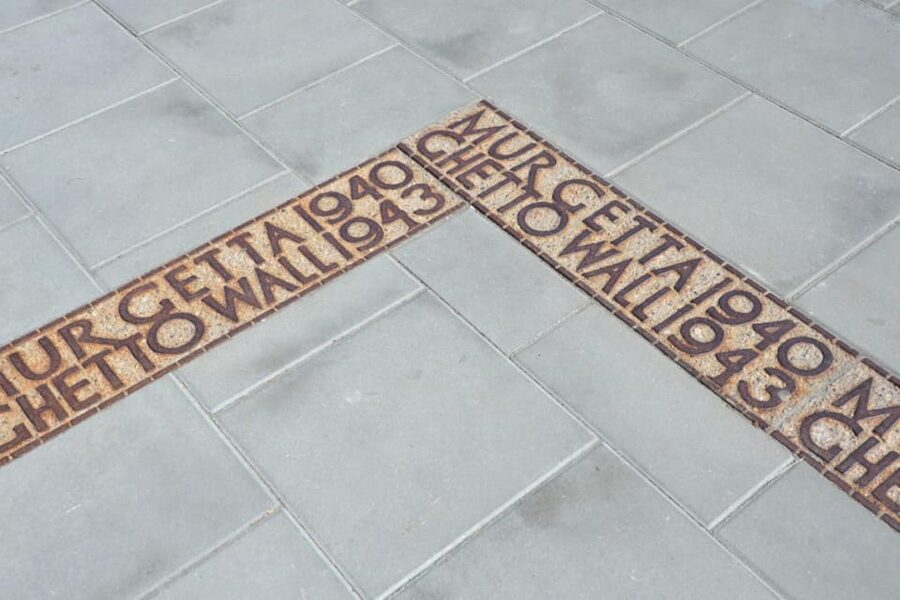
This tour is wheelchair accessible, and it is a walking format, so plan around a steady pace. The tour information also notes what is not allowed: smoking is not allowed. Keep that in mind if you are traveling with smokers.
What to bring is straightforward:
- Comfortable shoes
- Water
- Head covering or kippah
The “water” part is not glamour, but it helps you focus. When you are listening to difficult history, you want your body to feel stable.
For cold weather, dress like you mean it. One praised guide, Magda, reportedly made time for a coffee stop when people were freezing. That is a good sign that the guide is thinking about comfort. Still, do not rely on extra warming breaks. Layer up early, and if you are going in winter, expect the later part to feel colder.
You should also be aware that the tour is not suitable for children under 10. That makes sense given the heavy subject matter and the long time outdoors.
Who should book this, and who might want a different option
You should book this tour if you want a guided history walk that connects Jewish life in Warsaw across centuries to the Warsaw Ghetto, Treblinka deportations, and the major Uprising locations. It is especially good if you like your history grounded in places, not only in buildings.
You will probably enjoy it if:
- You like photo comparisons and want to see past and present next to each other
- You want a structured timeline, not a random set of stops
- You value a guide who handles heavy topics with care, like the experiences shared about Martin, Albert, and Goska
You might think twice if:
- You want something lighter or more casual
- You struggle with long, emotionally intense walking segments
- You are sensitive to large groups, since the tour has been described as sometimes reaching big numbers
Should you book the Warsaw Jewish Heritage & Holocaust walking tour?
Yes, book it if you are in Warsaw and want the kind of experience that gives you both context and connection. The 600-year arc matters. It makes the Holocaust story feel real in a way that statistics alone cannot. And the focus on the Big Ghetto, Treblinka deportations, and major Uprising places helps you leave with more than impressions. You leave with a clearer mental map.
Just come prepared. Wear shoes for 150 minutes, bring water, and bring a head covering if you have one. If you are traveling in winter, dress for cold, and expect the emotional subject matter to take up real attention. For many people, that is exactly why this tour is worth it.
More Tour Reviews in Warsaw



Warsaw, Keep Looking
Jewish Heritage and Ghetto Routes in Warsaw

Recently written up around Warsaw

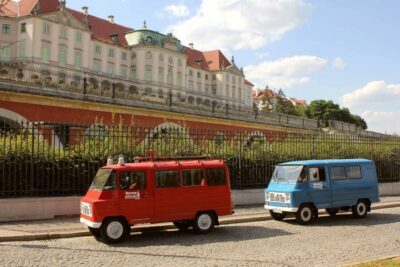

More Jewish Heritage and Ghetto Tours.
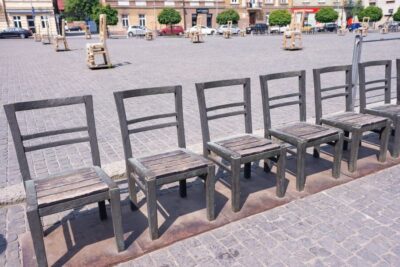 ★ 4.7Schindler’s Factory & Ghetto Guided TourFrom $571,694 reviews
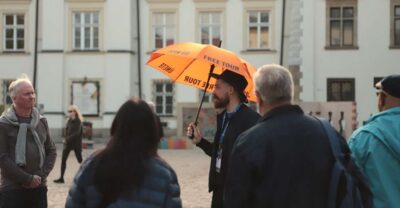 ★ 4.9Jewish Quarter and Former Ghetto TourFrom $191,441 reviews
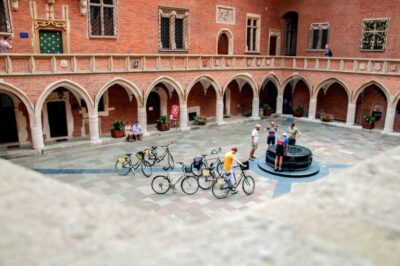 ★ 4.9Bike Tour of Old Town, Jewish Quarter and the GhettoFrom $371,155 reviews
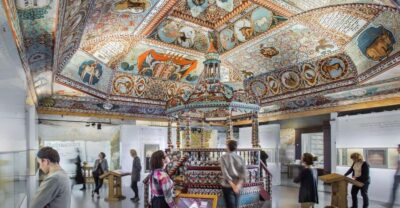 ★ 4.7POLIN Museum of the History of Polish Jews TicketFrom $121,142 reviews
 ★ 4.8Kazimierz, Schindler’s Factory & Ghetto Guided TourFrom $81460 reviews
 ★ 5.0Full Bike Tour – the Old Town, Jewish Qtr & the Ghetto NEW BIKESFrom $35437 reviews
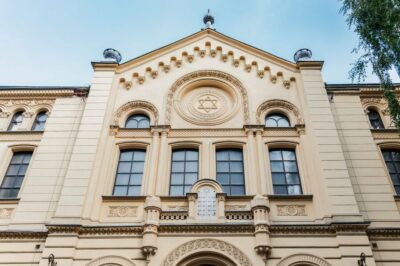 ★ 4.9Warsaw Ghetto Private Walking Tour with Hotel PickupFrom $84369 reviews
 ★ 4.9Bike Tour of the Old Town, Kazimierz, and the GhettoFrom $26350 reviews
Also on these Poland lists