
REVIEW · WROCLAW CITY TOURS
Wroclaw: Third Reich and World War Two Historical Tour
Wroclaw’s WWII story is written in stone. This 2-hour walk turns the city’s Old Town into a timeline you can actually follow, from German control through the siege of February to May 1945 and the partially rebuilt streets you see today. I love that it stays focused on real landmarks instead of vague history lessons, and you come away with a clearer sense of what daily life and fear could have felt like here.
Second, I really like how the route includes Jewish heritage and Holocaust remembrance alongside the Third Reich story, not as an afterthought. You’ll stop at major reference points like the Wolności Square area and the White Stork Synagogue, then connect the dots to the wider wartime experience.
One drawback to plan for: it’s a fair bit of walking, and since Wroclaw’s battle damage means there is not always a lot of standing WWII-era scenery, the tour leans on memory sites and carefully explained context.
In This Review
- Key things to know before you go
- Wroclaw’s WWII story lives in the streets
- Starting at Hotel Monopol, then walking with purpose
- Wolności Square and the city’s wartime compass points
- The former Gestapo building: where fear had a location
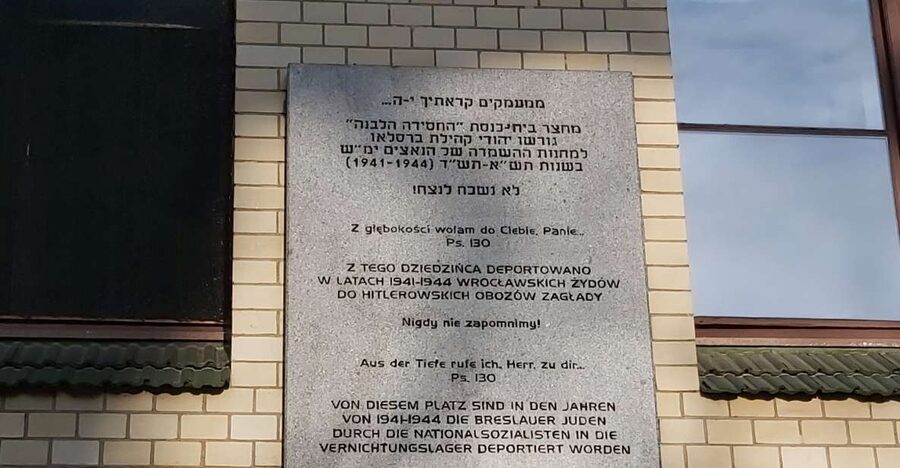
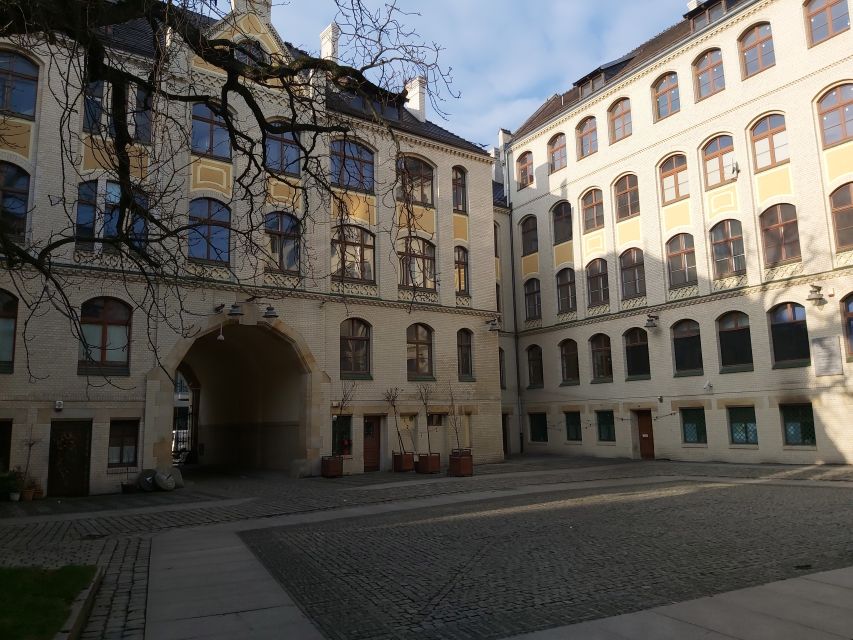
- White Stork Synagogue and the Jewish story in the open
- Dietrich Benchoffer Memorial: moral weight, not just dates
- University Church and Ossolineum Garden: institutions that shaped daily life
- Sand Island and Cathedral Island: seeing the aftermath in the geography
- How much value do you really get for about $31?
- Who this tour fits best in Wroclaw
- Should you book Wroclaw’s Third Reich and World War Two tour?
- FAQ
- How long is the Wroclaw Third Reich and World War Two Historical Tour?
- How much does the tour cost?
- Where do I meet the guide?
- How will I recognize the guide at the meeting point?
- What is the tour route like in terms of walking?
- What language is the tour offered in?
- Where does the tour finish?
- Is the tour run in bad weather?
- Is the tour wheelchair accessible?
- What is included in the price?
- What is not included?
Key things to know before you go
- Former Gestapo building stop: a direct way to understand how power and oppression operated in the city
- Old Town route with major checkpoints: Wolności Square, White Stork Synagogue, University Church, and more
- Jewish heritage woven into the story: you will spend real time on remembrance and community history
- Siege of 1945 explained through what’s still visible: why so much looks different from before the war
- Guides who explain clearly and answer questions: praised for being communicative and prepared
- Ends on Cathedral Island: a satisfying finish in one of Wroclaw’s most scenic areas
More wartime history routes we have written up in Wroclaw
- Wroclaw: Third Reich and World War Two Historical Tour
★ 4.9 · 43 reviews - Wroclaw: Project Riese and Ksiaz Castle Private Tour
★ 4.7 · 39 reviews - III Reich & WW2 in Wroclaw. Monday, Wendsday, Friday regular tour
★ 4.5 · 32 reviews - Wroclaw: Private Tour to Project Riese
★ 4.6 · 22 reviews
Wroclaw’s WWII story lives in the streets
Wroclaw, in Lower Silesia, sits on layers. Before the end of World War Two, the city was under German rule, and then the final phase of the war hit with brutal force. The tour frames everything around that turning point, especially the siege that ran from February to May 1945, when most buildings were damaged or destroyed.
That matters for how you experience the city today. You do not just learn dates. You look at the built environment and start to understand why Wroclaw feels partly rebuilt and partly transformed. The guide’s job is to help you read the landscape like a document, using landmarks and memorials as anchors, not by pretending everything survived intact.
Starting at Hotel Monopol, then walking with purpose
You meet your guide outside the main entrance of the Monopol Hotel. The guide holds a sign that reads World War Two Tour, so it is usually easy to spot the group quickly. The tour itself is set for about two hours, which keeps it tight enough to hold attention, but long enough to connect themes as you move through the center.
Practical note: this is a rain-or-shine activity, so plan for wet streets and colder air if you are traveling outside peak summer. It is also worth knowing the tour requires at least four participants to operate, so check the schedule if you are booking for a single day when you are flexible.
The walk can feel like more than you expect if you are used to short sightseeing strolls. One review flagged a fair bit of walking, and the guide’s pacing helped, but it is still time on your feet. If you are prone to fatigue, wear comfortable shoes and consider arriving early so you are not hurried before the start.
Wolności Square and the city’s wartime compass points
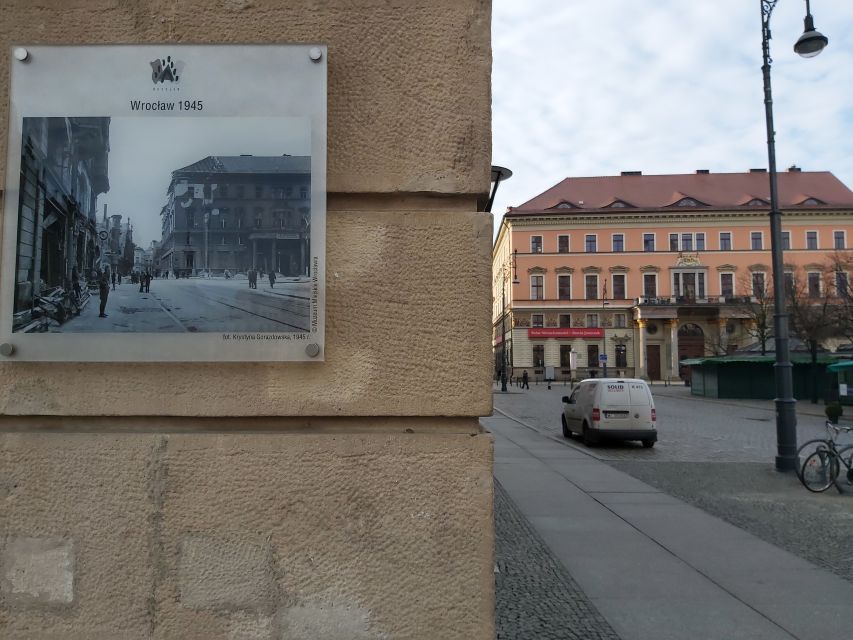
Your route begins in the heart of the Old Town area and uses major city squares and institutions as story stops. One of the key anchors is Wolności Square. Think of it as the tour’s wayfinding moment. The guide uses it to set the stage: how this city functioned under German authority, and how the war’s pressure shifted daily life.
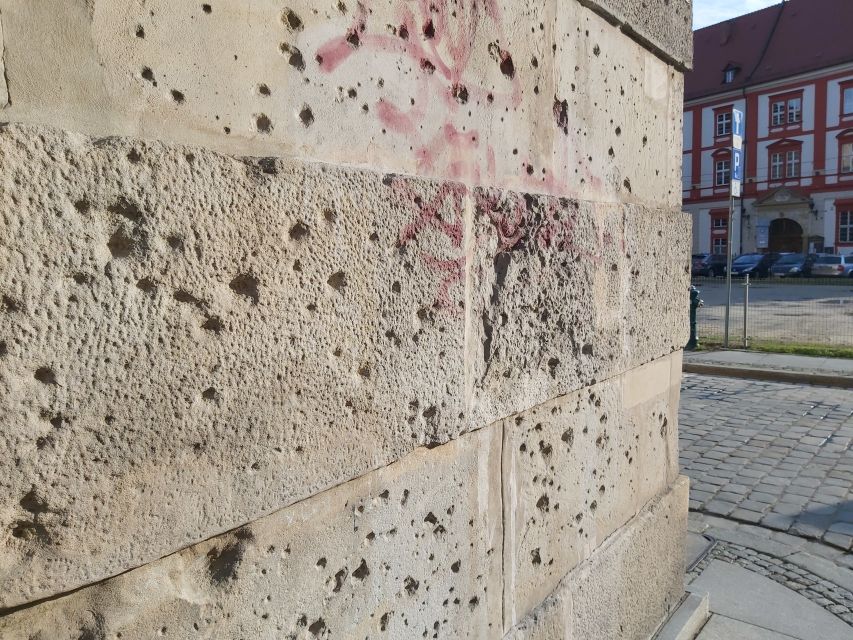
You’ll also hear how the siege changed the city in practical terms, not just in headlines. When your guide explains that most buildings were damaged or destroyed, the lesson lands differently as you look around. You start to notice the difference between what you would expect in a pre-war city and what remains after upheaval.
The former Gestapo building: where fear had a location
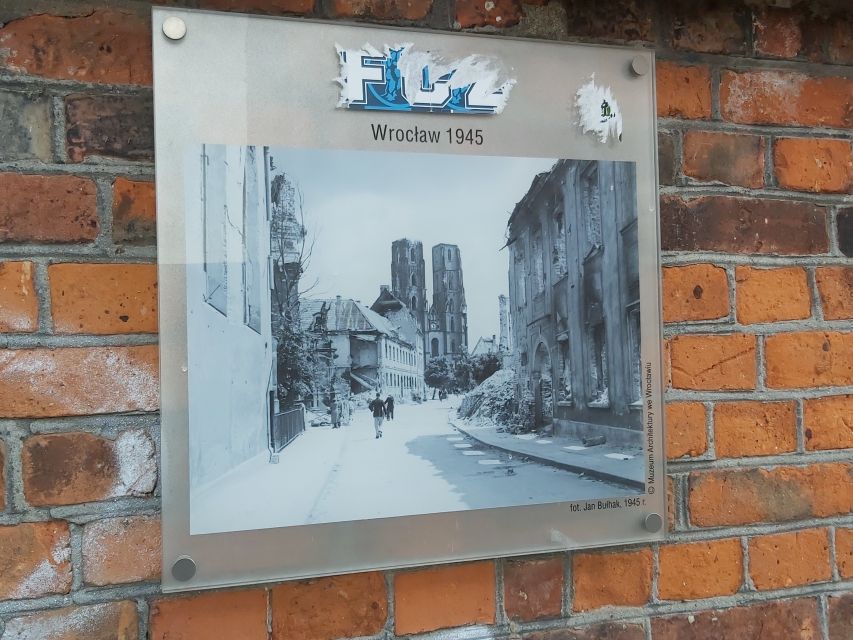
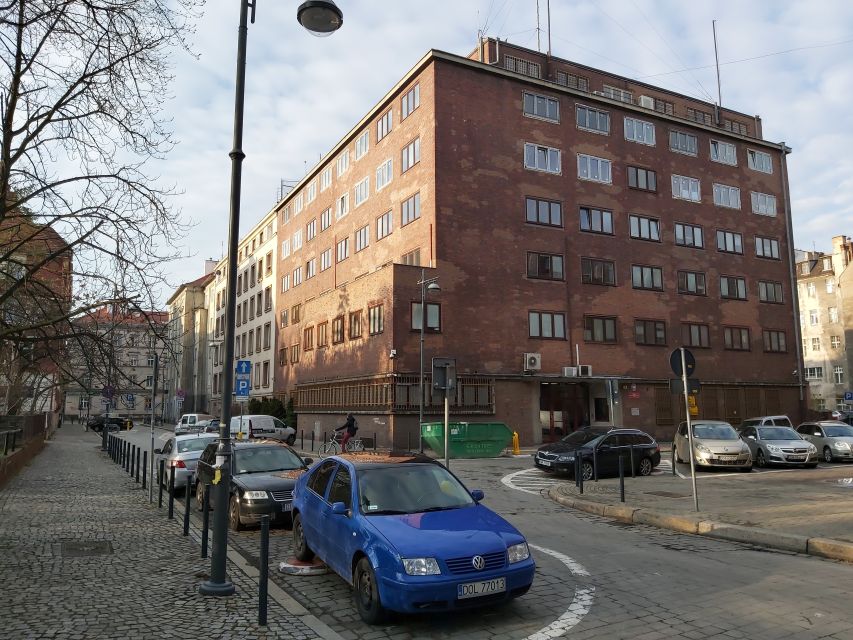
The tour highlights the former Gestapo building as a must-see stop. Even if you know the general meaning of the word, seeing the building tied to that name makes the story feel less abstract. This is one of those places where the guide’s narration is doing the heavy lifting: connecting architecture and location to the human consequences of repression.
What I like about this kind of stop is that it forces you to think beyond battles. It’s a reminder that World War Two was also paperwork, surveillance, detention, and terror. The guide’s explanations help you picture what it could have meant to live in a city where the machinery of oppression was not a rumor, but a part of the physical world.
If you prefer emotionally lighter history, this stop might feel intense. The topic is serious, and the tour does not sugarcoat the context. But if you want a WWII experience that takes power structures seriously, this is the point where the tour becomes especially memorable.
More of Wroclaw, dwarves and islands included
- Old Town Wrocław Walking Tour★ 5.0 · 249 reviews
- Wroclaw: City Tour Sightseeing By Golf Cart Shared Or Privat★ 4.8 · 189 reviews
- Auschwitz-Birkenau Tour from Wrocław★ 5.0 · 129 reviews
- Wroclaw Pub Crawl with Free Drinks★ 4.4 · 127 reviews
- From Wrocław: Full-Day Auschwitz-Birkenau Guided Tour★ 4.8 · 117 reviews
White Stork Synagogue and the Jewish story in the open
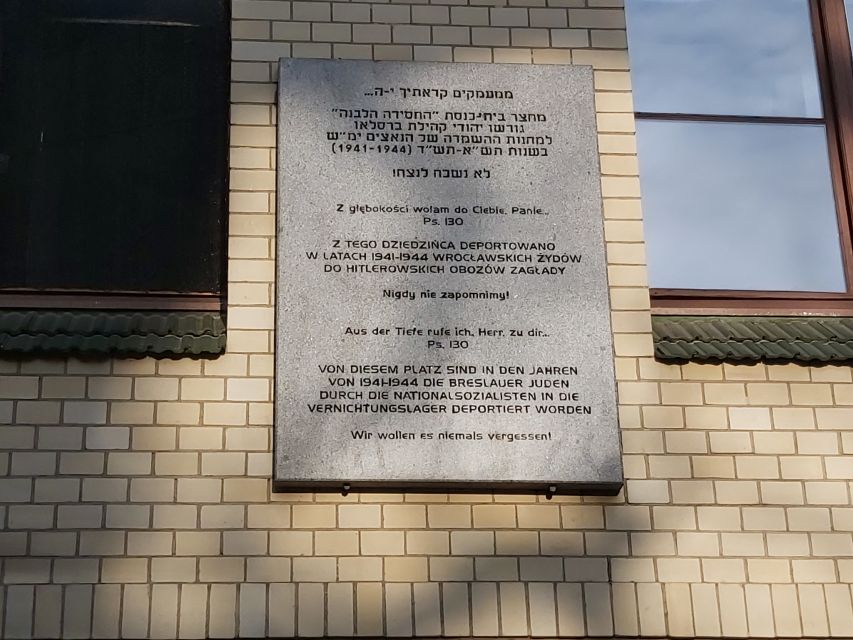
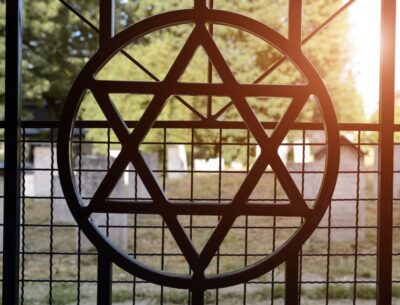
One of the standout values of this tour is that it does not treat Jewish heritage as a side chapter. You will learn about Wroclaw’s Jewish heritage and the Holocaust while moving through key landmarks, including the White Stork Synagogue.
This is where the guide’s tone and structure matter. A well-run tour helps you connect the past community to the tragedy that followed, without turning remembrance into a checklist. You are not just seeing a building. You’re hearing about Jewish presence in the city and the devastation of the Holocaust, and then watching the narrative broaden into how post-war transformation played out.
If you care about authenticity, this stop is a strong reason to book. It gives the Jewish story a fixed place in your route, rather than making you hunt for it on your own.
Dietrich Benchoffer Memorial: moral weight, not just dates
Another key stop is the Dietrich Benchoffer Memorial. It gives the tour a different angle. After places tied to repression and persecution, a memorial can feel like the story is asking a bigger question: what people believed, resisted, or tried to do in the hardest moments.
I like that this stop helps you avoid a one-note interpretation of WWII history. You are not only learning how the system operated. You are also reminded that individuals and choices mattered, and that remembrance can include moral and ethical questions, not just facts and figures.
University Church and Ossolineum Garden: institutions that shaped daily life
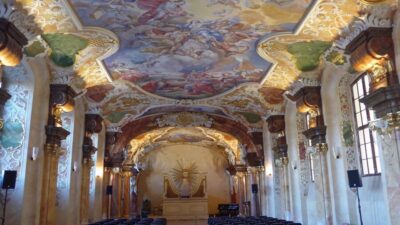
As the tour continues, you move past major civic and academic references, including the University Church and the Ossolineum Garden. These stops help you understand what a city looked like beyond war administration.
When the guide links these sites to the wartime setting, you start to picture daily routines: education, public life, and the feeling of normal institutions continuing under extreme pressure. Even with limited remaining WWII fabric in the city, the guide can explain how the “normal” world still existed, while the war reshaped everything around it.
One useful perspective shift here is how memory works. Even when buildings are damaged or partially rebuilt, the idea of a place can persist. The tour uses these institutions to show that history is not only ruins. It is also continuity, disruption, and reconstruction.
Sand Island and Cathedral Island: seeing the aftermath in the geography
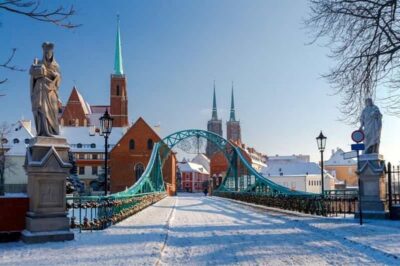
You will also visit Sand Island and finish at Cathedral Island. Ending on Cathedral Island is a smart choice. It gives you a visually satisfying close while the guide brings you through the transformation after the end of the war.
The siege from February to May 1945 left Wroclaw with heavy destruction, and the tour’s narration helps you see what “partially rebuilt infrastructure” actually means in practice. By the time you reach the islands, you are not just walking. You are absorbing how a city remade itself after catastrophe.
This final section is valuable because it expands the story beyond the years of fighting. You learn how the end of the war changed Wroclaw and how the city transformed afterwards. That balance helps you understand why Wroclaw looks the way it does today: a place where survival and rebuilding sit alongside tragic loss.
How much value do you really get for about $31?
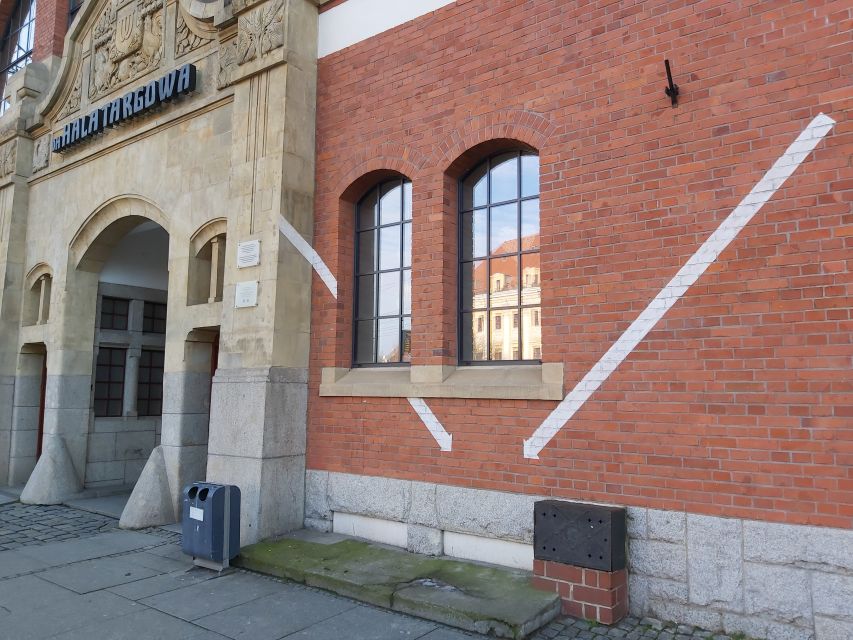
At around $31 per person for a two-hour guided route, the value is mostly in the guide and the way the story is structured. This is not a do-it-yourself route where you can easily connect every stop with context on your own. The tour is designed to connect German rule, wartime destruction, Jewish heritage, and Holocaust remembrance into a single walking narrative.
Two hours is also a practical sweet spot. You get enough time to feel oriented in the Old Town and to hear multiple landmark explanations, without the day getting swallowed by logistics. Add in the fact that the tour includes a licensed guide and all fees and taxes, and you are paying for interpretation, not just movement.
My advice: if you enjoy history when it has a human voice and clear explanations, this price makes sense. If you only want casual sightseeing and are hoping to see many intact WWII-era structures, you might feel disappointed because so much was damaged or destroyed. In other words, you’re paying for understanding, not for a walking museum of preserved war buildings.
Who this tour fits best in Wroclaw
This tour suits you if you want:
- a guided explanation of how Wroclaw’s wartime experience fits together
- a route that includes Jewish heritage and Holocaust remembrance as part of the core story
- a clear sense of how the siege of February to May 1945 altered what the city became
It may be less ideal if:
- you struggle with walking for a couple of hours
- you prefer lighter themes and are not comfortable with Holocaust-related topics
- you expect lots of visibly preserved WWII material with minimal narration
Language is English, and the tour is wheelchair accessible, so it is built with accessibility in mind. If you speak another language, you may need to do extra planning, since the tour info lists English.
Should you book Wroclaw’s Third Reich and World War Two tour?
If you want a WWII experience that feels specific to Wroclaw, I think you should book it. This is the kind of tour where the guide’s structure matters, because the city’s wartime destruction means you cannot rely on scenery alone to tell the story. You get major checkpoints, a clear arc from German rule to siege damage and then to post-war transformation, plus respectful attention to Jewish heritage and Holocaust remembrance.
I’d skip it only if you want minimal walking, or if you are looking for a casual, feel-good sightseeing loop. Otherwise, this is a strong way to understand what happened here and why Wroclaw’s streets carry that weight.
FAQ
How long is the Wroclaw Third Reich and World War Two Historical Tour?
The tour lasts 2 hours.
How much does the tour cost?
It is listed at $31 per person.
Where do I meet the guide?
Meet your guide outside the main entrance of Hotel Monopol.
How will I recognize the guide at the meeting point?
The guide will be holding a sign that says World War Two Tour.
What is the tour route like in terms of walking?
The tour includes a fair bit of walking as you move between Old Town landmarks and end at Cathedral Island.
What language is the tour offered in?
The tour is offered in English.
Where does the tour finish?
The tour finishes at Cathedral Island, Wrocław, Poland.
Is the tour run in bad weather?
Yes, it takes place rain or shine.
Is the tour wheelchair accessible?
Yes, it is wheelchair accessible.
What is included in the price?
A licensed tour guide and all fees and taxes are included.
What is not included?
Hotel pickup and drop-off, plus food and drinks, are not included.
More Tour Reviews in Wroclaw

More of Wroclaw
Wartime History in Wroclaw
Recently written up around Wroclaw
More Wroclaw City Tours.
 ★ 4.6E-Car Tour and Audio GuideFrom $161,738 reviews
 ★ 4.82-Hour Private Guided Tour by Electric CarFrom $38805 reviews
 ★ 4.8Old Town and Ostrów Tumski Walking Tour in EnglishFrom $19311 reviews
 ★ 4.8Private Old Town Guided Walking Tour (2 hours)From $164275 reviews
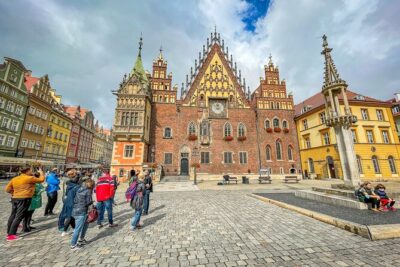 ★ 5.0Old Town Wrocław Walking TourFrom $26249 reviews
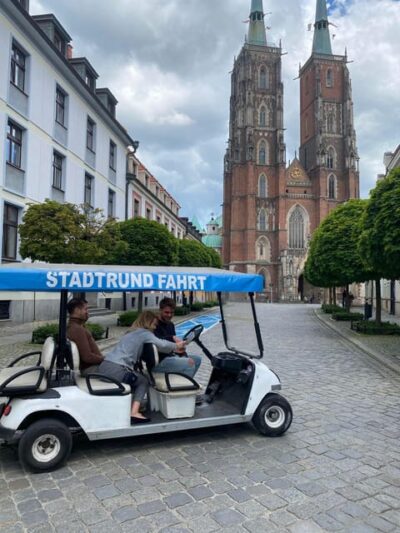 ★ 4.8City Tour Sightseeing By Golf Cart Shared Or PrivatFrom $27189 reviews
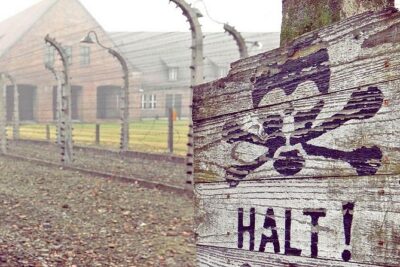 ★ 5.0Auschwitz-Birkenau Tour from WrocławFrom $266129 reviews
 ★ 4.4Wroclaw Pub Crawl with Free DrinksFrom $25127 reviews
Also on these Poland lists