
REVIEW · GDANSK OLD TOWN TOURS
Gdansk: European Solidarity Centre Guided Tour
Gdańsk hits hard, in a good way. The European Solidarity Centre guided tour turns Poland’s Solidarity story into a step-by-step experience, with Lech Wałęsa and workers at the center of it all. I love how it uses a live, professional guide to connect the facts to the human stakes. Just note the tour includes climbing and descending staircases, so plan your energy accordingly.
What I really like is the mix of storytelling styles. You get recreated strikes, multimedia displays, and the key moment of the round table negotiations, so the history does not sit quietly behind glass. The other big win is the scope: it moves past Poland and shows how Solidarity’s ideas spread across Eastern Europe and beyond.
One possible drawback is that the experience is intense and discussion-heavy, so if you want a relaxed, casual museum afternoon, this may feel like a lot. Also, large bags are not allowed, so travel light.
In This Review
- Key things to know before you go
- European Solidarity Centre in Gdańsk, what this guided tour is really about
- Lech Wałęsa and the workers, recreated strikes and multimedia galleries
- The round table negotiations, why this museum makes history feel urgent
- Solidarity’s global impact, from Eastern Europe to today’s social justice debates
- How 150 minutes works, pacing, stairs, and what to bring
- Price and value for a guided European Solidarity Centre visit
- Who should book this tour, and who should think twice
- Should you book this Gdańsk European Solidarity Centre guided tour?
- FAQ
- What is the duration of the European Solidarity Centre guided tour in Gdańsk?
- What is included in the price?
- What languages are the guides?
- Is the tour wheelchair accessible?
- Are there any restrictions on luggage or bags?
- Do I need to arrive early?
- Does the tour involve stairs?
- What is the age requirement?
- Is it possible to cancel for a refund?
Key things to know before you go
- You’ll see Solidarity through recreated strikes and multimedia rather than only timelines.
- Lech Wałęsa is part of the main story, so you get context, not just names.
- The round table negotiations are presented as an iconic turning point.
- There’s global context, including how the movement inspired change across Eastern Europe.
- Workshops and film-screening style spaces are built into the overall message about rights today.
- Plan for staircases, because the route involves climbing and descending.
Gdansk repeats itself well. The other versions we reviewed
- Gdańsk City Sights & History Guided Walking Tour in English
★ 4.8 · 876 reviews - Gdansk: Firearm Shooting Experience with Instructor
★ 4.8 · 866 reviews - Gdansk: Guided Round-Trip Cruise to Westerplatte
★ 4.3 · 865 reviews - Gdańsk: Sightseeing EcoCruise around the Old Town of Gdansk
★ 4.6 · 719 reviews
European Solidarity Centre in Gdańsk, what this guided tour is really about
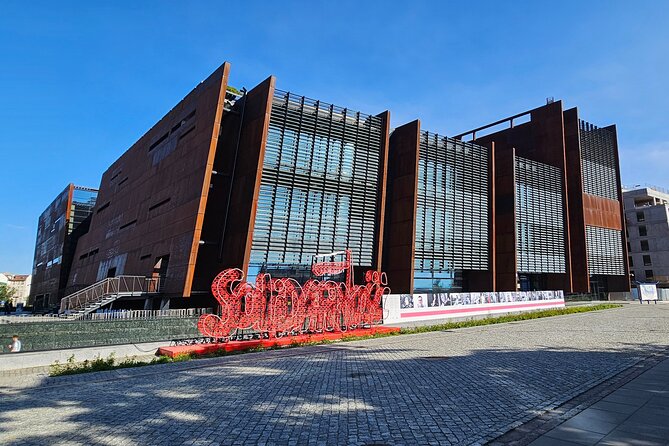
This is not a museum that asks you to wander slowly. The European Solidarity Centre works best when you follow a guide and let the building do its job: guide you from cause to consequence, from daily life to political change. With a 150-minute structure, you get enough time to understand the main arc without getting lost in details.
If you care about freedom of speech, labor rights, or how peaceful mass action can shift a system, you’ll probably feel the emotional pull quickly. The centre is built around the idea that history is not dead. It’s a living question: what do ordinary people do when they decide they will not accept injustice anymore?
I also like that the tour keeps things practical. You are there to witness the fight against communism in a guided, structured way, then walk away with a sense of why the legacy still matters. That is the heart of value here. You are not paying just for entry. You are paying for context, pacing, and interpretation.
Lech Wałęsa and the workers, recreated strikes and multimedia galleries
Early on, the tour focuses on the people, not just the politics. You walk through the story of the Polish workers and the conflict with the communist system, with Lech Wałęsa woven into the narrative. The centre’s approach makes it easier to grasp how the movement grew, because it leans on scenes you can visually understand, not only dates.
One standout is how recreated strikes and other key episodes are presented. The idea is simple: when you can picture what daily pressure looked like, the big historical moments feel more believable. It also helps you connect the dots between frustration, organization, and action. In other words, you are not just hearing about protest. You are seeing the pressure points that pushed people to act together.
The multimedia displays are another practical tool. They keep the pace from turning into a lecture, and they add layers without requiring you to read everything on your own. If you enjoy museums that use modern presentation to keep your attention, this works. If you get easily overwhelmed by heavy media, just go in expecting some screen-based interpretation as part of the design.
The round table negotiations, why this museum makes history feel urgent
The round table negotiations are one of those moments that can sound abstract until someone explains the stakes. In this guided tour, you do not treat the negotiations like a distant political milestone. You see them as a turning point where both risk and hope were present at the same time.
This is also where the centre’s design choices matter. By mixing narrative with iconic moments, the guide helps you understand why negotiations were not just paperwork. They were tied to pressure from the street, to who had leverage, and to what kind of future people were pushing for.
You’ll likely notice the emotional tone shift as you move through these sections. The tour’s strength is that it keeps the story human, even when it moves into high-level politics. That is not easy to do in a museum setting, but it’s exactly what makes the tour memorable and useful.
Solidarity’s global impact, from Eastern Europe to today’s social justice debates
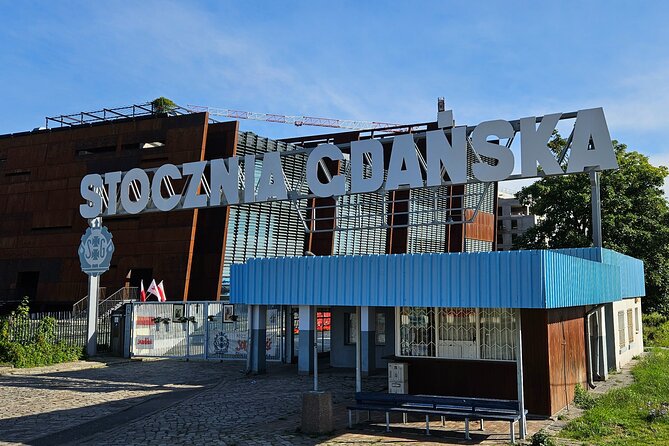
After the core Polish story, the tour expands outward. You explore how Solidarity’s impact traveled and helped inspire revolutions and change across Eastern Europe. That global section is more than background. It’s a key part of why the European Solidarity Centre exists.
I love this part because it prevents a common mistake: treating local history as if it ended at the national border. Here, you get a clearer sense that movements for freedom tend to echo across borders. People learn, adapt, and use each other’s examples, even when conditions differ.
The tour also includes spaces and programming themes that keep the message current. You’ll see exhibits and discussion areas focused on the ongoing fight for social justice and human rights. Workshops and film screenings are part of the centre’s broader format, so the museum feels like a platform, not a sealed archive.
So yes, it’s history. But it is history with a question attached. After you see the chain of events, you are left thinking about modern rights issues and how civic action works in real life.
Below are the other Gdansk trips we have logged
- Gdańsk City Sights & History Guided Walking Tour in English★ 4.8 · 876 reviews
- Gdansk: Guided Round-Trip Cruise to Westerplatte★ 4.3 · 865 reviews
- Gdansk: City Sightseeing Tour by Golf Cart/Buggy Guided Tour★ 4.9 · 510 reviews
- Gdansk Guided City Cruise on Historical Polish Boat★ 4.5 · 230 reviews
- Gdańsk: City Sightseeing Tour by Buggy/Golf Cart LIVE GUIDED 1H★ 5.0 · 208 reviews
How 150 minutes works, pacing, stairs, and what to bring
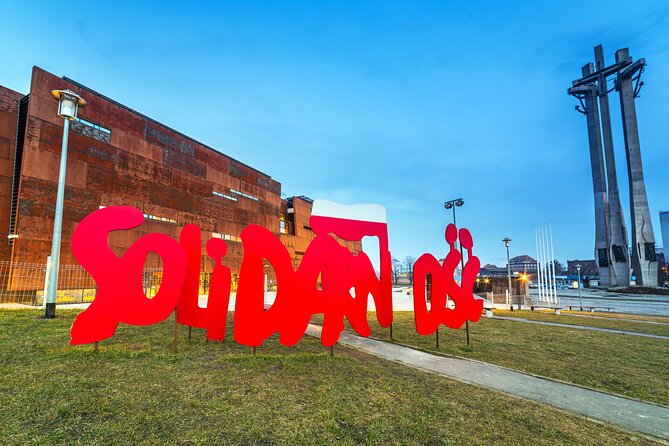
The guided tour runs about 150 minutes. That timing matters because it shapes the level of depth. You won’t get a total walk-through of everything in the building at an unhurried pace. Instead, you get a guided, structured path through the centre’s main story beats.
The route also involves climbing and descending staircases. If stairs slow you down, plan on it. Wear comfortable shoes, and take short pauses if you need them. This is one of those activities where your body matters, because the centre’s design uses vertical movement as part of the experience.
The tour is described as skipping the ticket line, which is genuinely helpful in busy times. With a guided entrance, you spend less time in queues and more time inside getting the explanation you came for.
Also, large bags and luggage are not allowed. That’s a small rule, but it changes how you should pack for the day. If you’re doing other sightseeing in Gdańsk the same day, consider using a hotel or station locker rather than bringing a heavy bag to the centre.
Price and value for a guided European Solidarity Centre visit
At $83 per person for a 150-minute guided tour, this is not the cheapest museum activity in Gdańsk. But the value is in what you get for that money.
Your ticket includes:
- a professional guide
- entrance tickets to the European Solidarity Centre
That matters because the centre is designed for interpretation. You can walk through it on your own, but with a guide you get the story stitched together: why the strikes mattered, how the negotiations fit the larger pressure, and why the global legacy is part of the message.
The experience also comes with live guidance in English and Polish, which is a big plus if language could otherwise limit your understanding. You also get a skip-the-line element, so you are not paying to sit around.
Finally, there’s a human element to value. One guide named Marta was specifically praised for being wonderful in the way she led the tour. That kind of guidance is a real difference-maker in a history experience that relies on emotional context and clear sequencing. At the same time, another booking suggested the guide could be better, which is a reminder that the guide quality can influence how smooth and engaging the tour feels.
So my take: this price is fair if you want an organized, guided understanding of Solidarity, communism resistance, and the movement’s ongoing relevance.
Who should book this tour, and who should think twice
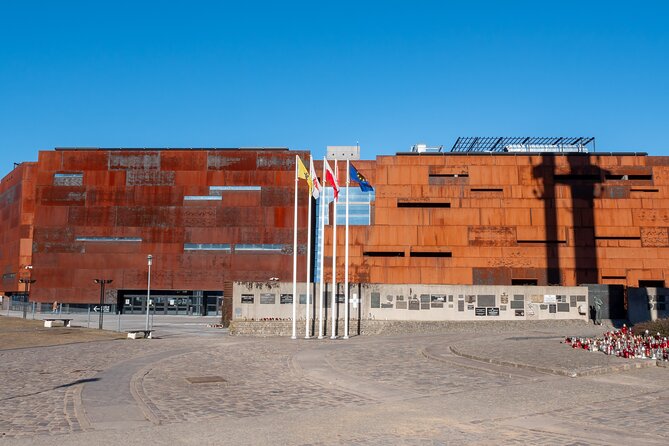
This is a strong match if you:
- want a guided, story-driven museum experience, not just reading panels
- care about labor movements, human rights, and political change
- enjoy museums that use multimedia and reenactment-style storytelling
- like learning history through a clear narrative arc
It may feel less ideal if you:
- need a very relaxed pace with minimal stairs
- prefer quiet, self-guided museum time with no structured path
- travel with lots of luggage and do not want to deal with restrictions
You also should be 18 years or older to book, unless you’re accompanied by an adult. That means it’s aimed at adult audiences who can handle the intensity of the topic.
One last practical note: the tour start time can change slightly depending on guide availability. If you’ve got a tight schedule later, give yourself some buffer.
Should you book this Gdańsk European Solidarity Centre guided tour?
If your goal is real understanding, not just “I went to a museum,” then I’d book it. The guided structure, the focus on strikes and the round table negotiations, and the global legacy component are exactly what make this centre worth your time. And with a live guide in English or Polish, you’re not guessing how to interpret what you see.
I would hesitate only if you know stairs are a problem for you, you’re carrying large bags, or you want a light, casual outing. Otherwise, this tour is a solid use of 150 minutes in Gdańsk, especially if you want history that connects to how people advocate for rights today.
FAQ
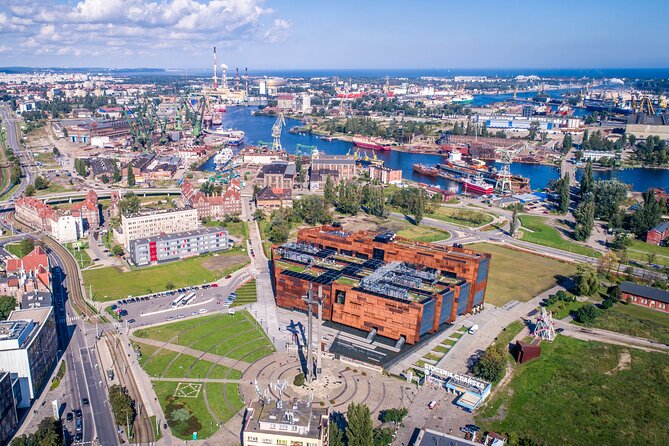
What is the duration of the European Solidarity Centre guided tour in Gdańsk?
The tour lasts about 150 minutes.
What is included in the price?
The price includes a professional guide and entrance tickets to the European Solidarity Centre.
What languages are the guides?
The live tour guide is available in English and Polish.
Is the tour wheelchair accessible?
Yes, the tour is wheelchair accessible.
Are there any restrictions on luggage or bags?
Luggage or large bags are not allowed.
Do I need to arrive early?
Yes. Please arrive at the meeting point at least 10 minutes before the activity starts.
Does the tour involve stairs?
Yes. The tour involves climbing and descending staircases.
What is the age requirement?
You must be 18 years or older, or be accompanied by an adult, to book.
Is it possible to cancel for a refund?
You can cancel up to 24 hours in advance for a full refund.
More Tours in Gdansk


More Tour Reviews in Gdansk


Gdansk, Three More Ways
Recently written up around Gdansk



More Gdansk Old Town Tours.
 ★ 4.8City Cruise on Historical Polish BoatFrom $222,913 reviews
 ★ 4.9Sunset Cruise on a Historic Polish BoatFrom $26977 reviews
 ★ 4.8Gdańsk City Sights & History Guided Walking Tour in EnglishFrom $26876 reviews
 ★ 4.8Firearm Shooting Experience with InstructorFrom $41866 reviews
 ★ 4.3Guided Round-Trip Cruise to WesterplatteFrom $33865 reviews
 ★ 4.6Sightseeing EcoCruise around the Old Town of GdanskFrom $19719 reviews
 ★ 5.0Main Town Gdańsk Walking TourFrom $26644 reviews
 ★ 5.0Gdansk Pub Crawl with Free DrinksFrom $21553 reviews
Also on these Poland lists