
REVIEW · WARSAW CITY TOURS
Multi-ethnic Warsaw – guided walk through the old town
Warsaw has more languages than you think. This 2-hour Old Town guided walk connects the city’s buildings with the people who moved in, built businesses, and shaped culture, with a focus on German-born families and the Saxon period’s urban growth. I like how the stops are short and punchy, so you keep momentum instead of getting bogged down. I also like that it points to real streets and institutions you can still spot today, not just abstract dates.
One thing to consider: the time at each highlight is brief, so if you want deep museum time, you will need to add it later. Also, the tour is weather dependent, so plan a backup option if skies look iffy.
In This Review
- Key highlights you should care about
- A 2-hour Old Town walk with a multi-ethnic storyline
- Rynek Starego Miasta: where the city’s immigrant story becomes real
- Royal Castle and Saxon period building energy
- Krakowskie Przedmiescie and Saxon Gardens: people who worked, published, taught
- Evangelical Augsburg Lutheran Church: a different Warsaw voice
- University of Warsaw: institutions, names on the city map, and long-lasting influence
- Wedel coffee house finish: chocolate at the end of the timeline
- Price, group style, and how it fits your schedule
- Should you book this multi-ethnic Warsaw walk?
- FAQ
- How long is the guided walk through Warsaw’s Old Town?
- Where does the tour start and end?
- How much does the tour cost?
- Is the tour private?
- What is included in the price?
- Do I need to buy admission tickets for the stops?
- Are public transport tickets included?
- Does the tour require good weather?
- When will I get confirmation after booking?
- What is the cancellation policy?
Key highlights you should care about
- German-speaking settlers and why they chose Warsaw as a new home
- Saxon period construction explained through the city you can still see
- A smart mix of institutions, from the Royal Castle area to the University
- A real worship stop, the Evangelical Augsburg Lutheran Church, not just exterior sightseeing
- A sweet ending at E.Wedel, a long-running chocolate tradition
- A private group experience, only your group joins the guide
Warsaw rebuilt itself twice over. Here is how else we saw it
- Warsaw: Chopin Concert in the Old Town
★ 4.8 · 2,287 reviews - Warsaw: Traditional Galar Cruise on The Vistula River
★ 4.6 · 1,640 reviews - Warsaw: Old Town Highlights Walking Tour in English
★ 4.7 · 1,516 reviews - Warsaw Concert: Chopin – Painted by Candlelights with Wine
★ 4.8 · 1,442 reviews
A 2-hour Old Town walk with a multi-ethnic storyline
This tour is built for people who want Warsaw to feel understandable fast. You get a guided walk through the Old Town area, plus a steady rhythm of stops that move from square to church to university landmarks and then to a classic café finish.
The big idea is multi-ethnic Warsaw, but it is not vague. You focus on specific waves of immigration from German-speaking countries and how those families and professionals helped remake the city. You also spend time on the Saxon period, when Warsaw saw intense construction and urban development. Put simply, the guide turns the city into a timeline you can walk.
I like this format because it respects your time. At around two hours, it is long enough to make connections, but short enough to still enjoy the rest of your day. If you are landing in Warsaw for the first time or you want an efficient orientation, this kind of guided loop helps.
Rynek Starego Miasta: where the city’s immigrant story becomes real
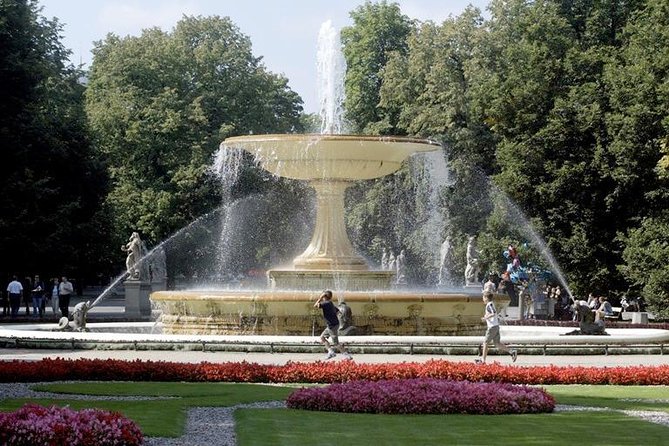
You start in Rynek Starego Miasta, the Old Town’s main square. This is where the tour sets its theme: why so many immigrants from German-speaking regions settled in Warsaw over the centuries, and how they made the city feel like home.
This stop matters because it gives you a mental anchor. When you know the tour’s focus up front, you look at later streets and buildings with different eyes. Instead of seeing Warsaw as one uniform look, you start noticing how different communities influenced architecture, commerce, and culture.
A practical tip here: take a slow moment at the square before you move on. The guide will frame what you are seeing, but your job is to watch with open attention. This is the kind of walking tour where good small details turn into bigger meaning later.
Royal Castle and Saxon period building energy
From the square, you move toward the Royal Castle in Warsaw area, with a museum stop along the way. Even with the short time, the guide helps you connect the architectural character of the city to the Saxon period and its intensive construction and urban development.
You are not aiming for a full museum visit here. The value is the interpretation. You learn what shaped Warsaw’s face, and you get a sense of how builders, patrons, and planners contributed to the city’s growth. That context makes the rest of the route easier to follow, because you can place new names and institutions into a bigger “how the city formed” storyline.
If you want more interior time at the Royal Castle museum, plan for it after the walk. Think of this tour as the map of where to look, not the replacement for deep browsing.
Krakowskie Przedmiescie and Saxon Gardens: people who worked, published, taught
Next comes Krakowskie Przedmiescie, where the focus shifts from architecture to the people behind the energy. You hear about entrepreneurs, industrialists, architects, publishers, artists, scientists, and poets, and how their specialist knowledge helped stimulate the economy, science, and culture.
This stop is especially useful if you like Warsaw for more than just grand sights. It turns the tour into a story of professions and ideas. You start to understand why the city could grow, and why it could stay culturally active across generations.
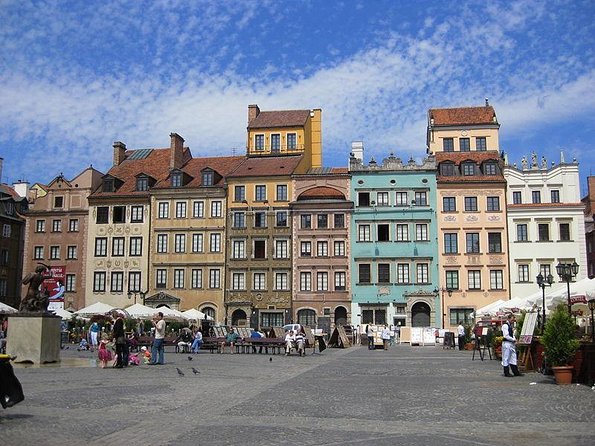
Then you move to Saxon Gardens, again tied back to intense construction and urban development in the Saxon period. Gardens can sound like a break from the historical lecture, but here they are a tool. The guide links the planned urban setting to the same growth story you have been tracking.
I also appreciate the pace: you get a change of scenery without losing the thread. That keeps the walk from feeling like a single long lecture.
Below are the other Warsaw trips we have logged
- Warsaw: Old Town Guided Walking Tour★ 4.9 · 599 reviews
- Half-Day Polish Food Walking Tour with Guide and Dinner★ 4.5 · 381 reviews
- Warsaw: Warsaw Ghetto Private Walking Tour with Hotel Pickup★ 4.9 · 369 reviews
- Old Town Warsaw Walking Tour★ 4.5 · 333 reviews
- Warsaw: Jewish History Guided Walking Tour in English★ 4.7 · 324 reviews
Evangelical Augsburg Lutheran Church: a different Warsaw voice
One of the most interesting stops is the Evangelical Augsburg Lutheran Church. You get to admire the church and learn more about its eventful history.
This is the part of the tour that helps Warsaw feel genuinely multi-ethnic. It is not only about power and politics. Religious communities also shape street life, architecture, and the rhythm of a city.
Because your stop time is around 15 minutes, do not expect every detail to land in one pass. Instead, treat it like a chance to orient yourself. If church architecture and denominational history matter to you, you will likely want to research or return after the tour with the guide’s framing in mind.
University of Warsaw: institutions, names on the city map, and long-lasting influence
The route continues to the University of Warsaw (Uniwersytet Warszawski) area. This stop blends architecture with ideas. You see representative buildings that helped shape the architectural face of the city, then you hear about architects, publishers, artists, scientists, and poets who contributed expertise to stimulate the economy, science, and culture.
Here is what I like most about this stop: it turns “big history” into practical city clues. The guide also points out how well-known brands founded back then can still be present in the cityscape today, and how many neighborhoods and streets carry names of Poles you can choose to focus on.
That last part is useful for your own exploring. After the walk, you can pick street names that resonate with you and follow them on your own. Instead of feeling like Warsaw is an endless grid, you start getting a guided trail of themes.
If you enjoy walking tours that help you navigate with purpose, this is the strongest segment for that.
Wedel coffee house finish: chocolate at the end of the timeline
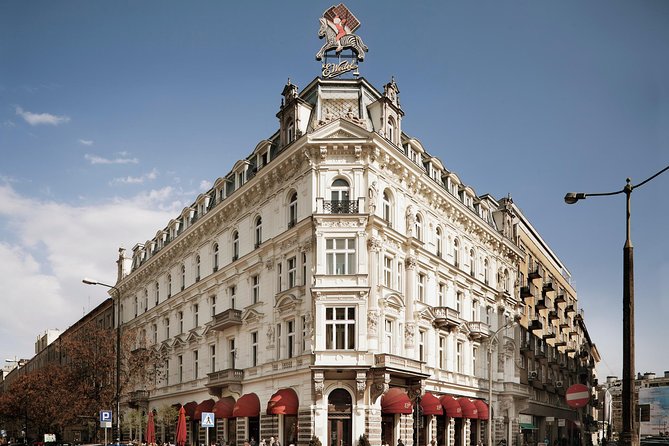
You close the walk at Pijalnia Czekolady E.Wedel, at the Emil Wedel coffee house. The tour uses it as a friendly landing point: over 150 years of chocolate tradition, and a good place to slow down after two hours on your feet.
This is not a random stop. It matches the tour’s theme of lasting influence. You spent the walk learning how certain names and institutions shaped Warsaw and endured. Finishing with a long-running chocolate brand is a satisfying echo.
Practical advice: if you can, grab your drink or treat right after the tour. That way you do not lose your energy to the question of where to go next.
Price, group style, and how it fits your schedule
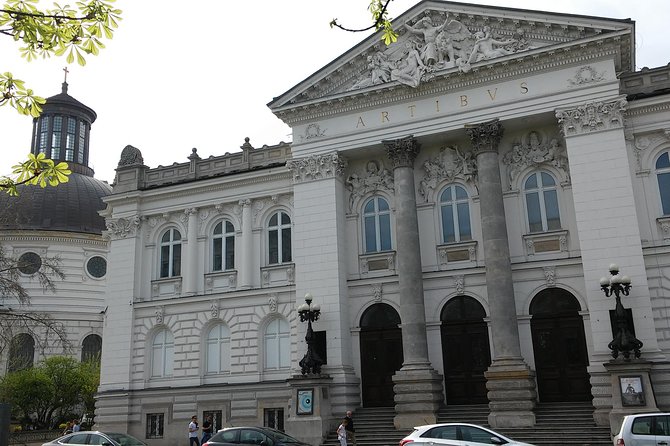
The price is $70.01 per person for an experience that runs about 2 hours. That sounds steep at first glance, but you are paying for a licensed guide, a tightly structured walk, and the ability to focus quickly on big themes like immigration, the Saxon period, and multi-ethnic Warsaw.
A few value points to keep in mind:
- You get a private tour/activity, meaning only your group participates.
- Admission tickets are free for the stops listed along the route.
- You use a mobile ticket.
- Public transport tickets are not included, so you will want to plan your own getting around.
Because it is a walking route with multiple short segments, you will get the most out of it if you wear comfortable shoes and keep your phone charged for map help. Also, since it requires good weather, pick a day when you are not already at the mercy of storm forecasts.
Meeting point is Rynek Starego Miasta (00-272 Warszawa), and the walk ends at Emil Wedel, Pijalnia Czekolady E.Wedel on Szpitalna 8 (00-031 Warszawa). Ending at a café is a smart move, it makes it easier to flow into lunch or a light snack.
Should you book this multi-ethnic Warsaw walk?
If you want Warsaw to make sense quickly, I think this is a solid pick. It is especially good for first-timers who like their history tied to real city corners and street names. The focus on German-speaking families and the Saxon period gives you a clear theme, and the short stop timing keeps it lively.
I would skip or add carefully if you are the type who wants long museum sessions. This walk is about orientation and connections, not deep solo time inside each site. Also, since the experience requires good weather, keep a flexible mindset if you are traveling in a season with sudden rain.
One more reason I would lean toward booking: the guide matters here. People rate the experience highly for a guide who is warm, responsive to the group, and very good at explaining topics clearly. If you like a friendly, people-first style, you should feel at home.
FAQ
How long is the guided walk through Warsaw’s Old Town?
It lasts about 2 hours.
Where does the tour start and end?
It starts at Rynek Starego Miasta, 00-272 Warszawa and ends at Pijalnia Czekolady E.Wedel (Emil Wedel coffee house), Szpitalna 8, 00-031 Warszawa.
How much does the tour cost?
The price is $70.01 per person.
Is the tour private?
Yes. It is described as a private tour/activity, so only your group participates.
What is included in the price?
The included item is a licensed tour. You also receive a mobile ticket.
Do I need to buy admission tickets for the stops?
The stop details provided indicate admission ticket free for each listed stop.
Are public transport tickets included?
No. Public transport tickets are not included.
Does the tour require good weather?
Yes. The experience requires good weather, and if it is canceled due to poor weather you will be offered a different date or a full refund.
When will I get confirmation after booking?
Confirmation is received at the time of booking unless you book within 12 hours of travel, in which case confirmation is received as soon as possible, subject to availability.
What is the cancellation policy?
You can cancel for a full refund up to 24 hours in advance. If you cancel less than 24 hours before the start time, the amount paid will not be refunded.
More Walking Tours in Warsaw



More Tour Reviews in Warsaw


Warsaw, Keep Looking
Recently written up around Warsaw


More Warsaw City Tours.
 ★ 4.8Chopin Concert in the Old TownFrom $262,287 reviews
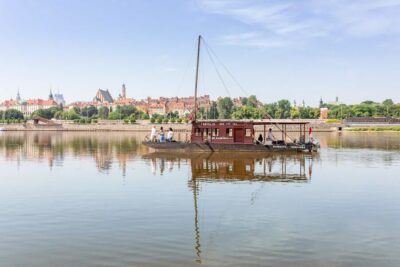 ★ 4.6Traditional Galar Cruise on The Vistula RiverFrom $201,640 reviews
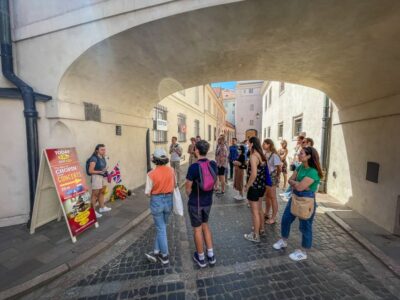 ★ 4.7Old Town Highlights Walking Tour in EnglishFrom $261,516 reviews
 ★ 4.8Warsaw Concert: Chopin – Painted by Candlelights with WineFrom $251,442 reviews
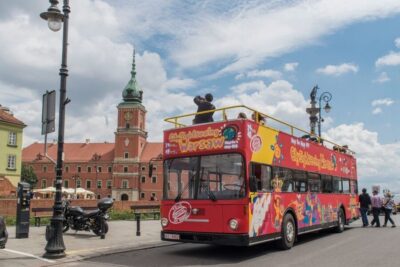 ★ 3.6City Sightseeing Hop-On Hop-Off Bus TourFrom $411,415 reviews
 ★ 4.7POLIN Museum of the History of Polish Jews TicketFrom $121,142 reviews
 ★ 5.0#1 Pub Crawl Warsaw with Optional Premium 1 Hour Open BarFrom $28790 reviews
 ★ 4.6Polish Vodka Museum Tour with TastingFrom $22788 reviews
Also on these Poland lists