
REVIEW · JEWISH HERITAGE AND GHETTO TOURS
Poznan: Private Jewish Heritage Tour
Poznan tells its Jewish story up close. This private 3-hour walk is strong because the guide turns street corners into real people and real choices, not just dates. I loved the name-on-arrival meeting point at the New Synagogue and the Fort VII stop that grounds the Holocaust in Poznan itself. One consideration: entrances are not included, and the Stawna 10 meeting point can be a little confusing, with the right exact spot sometimes closer than you expect.
I also like that you get a focused route with time to ask questions. When the guide is Martin or Matteusz, you can feel the passion, and you may even get extra context like a short drone look at the area at the end.
In This Review
- Key highlights at a glance
- Starting at Stawna 10: what the tour gets right from minute one
- New Synagogue, Jewish community headquarters, and Akiva Eger Square
- Walking the former Jewish quarter: seeing a city through former lives
- Wolnosci Square: the weight of memory in a public space
- City Stadium and the Square of the Righteous Among the Nations
- Fort VII and forced labor: the Holocaust chapter in Poznan
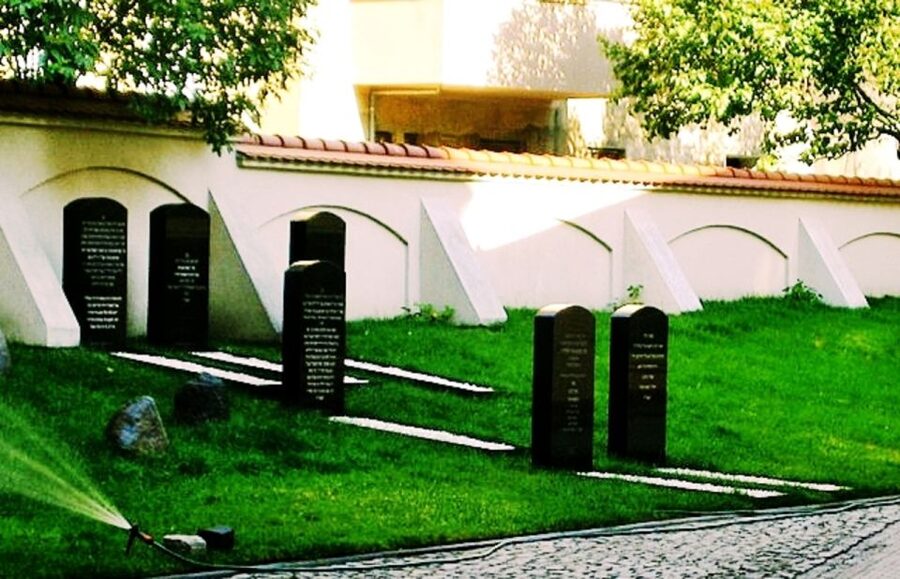
- The new Jewish cemetery and Akiva Eger’s grove
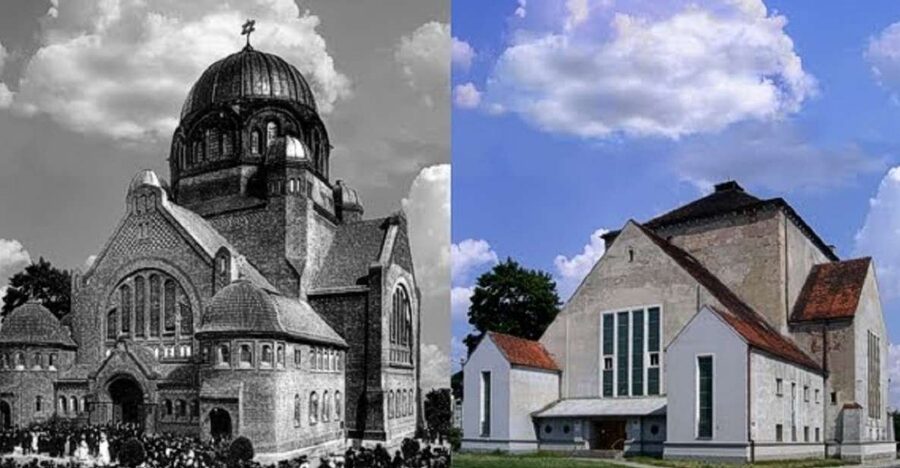
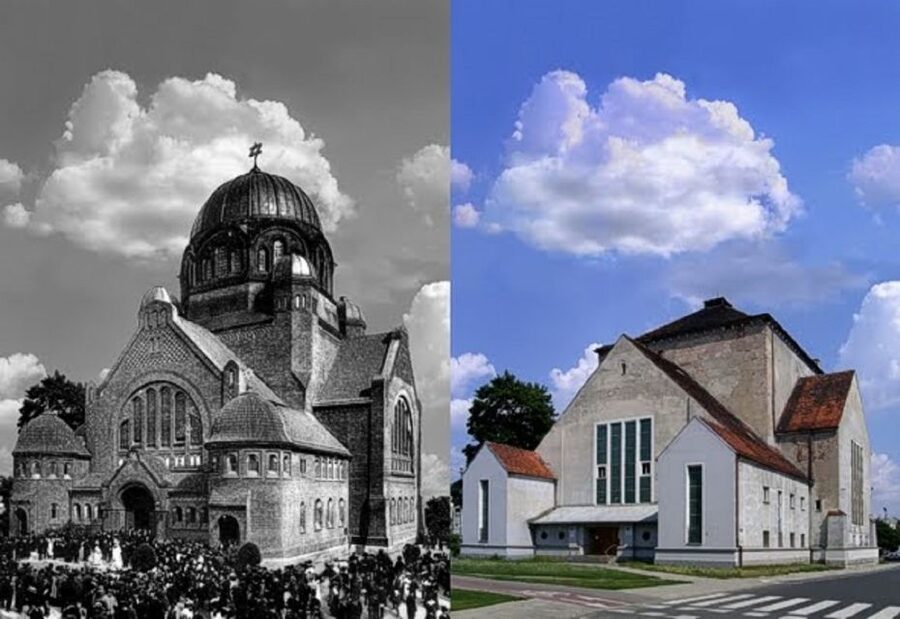
- A synagogue destroyed in World War II: what’s gone still shapes the walk
- Price and pace: why $16 per person can still feel like good value
- Languages and the kind of guidance that makes it work
- Who should book this tour in Poznan
- Should you book the Poznan: Private Jewish Heritage Tour?
- FAQ
- Where does the tour meet?
- How long is the Poznan Jewish Heritage Tour?
- What does the tour cost?
- Is this tour private?
- What is included in the price?
- Are entrances included?
- What languages are available for the live guide?
- Is the tour wheelchair accessible?
- What places will we see during the tour?
- What are the cancellation and payment options?
Key highlights at a glance
- New Synagogue start at Stawna 10, with your guide waiting for you by name
- Former Jewish quarter walk around the social and religious center of Poznan Jews
- Akiva Eger Square and the Wolnosci Square memorial area for Jewish community memory
- City Stadium and modern memorials, including the Square of the Righteous Among the Nations
- Fort VII and the Labor Camp victims monument, for the forced-labor chapter of World War II
- Akiva Eger grove at the new Jewish cemetery, a direct stop for names and remembrance
Weighing options? These Poznan write-ups sit closest to this one.
- Poznań Experience 2-Hours Guided Walking Tour
★ 5.0 · 155 reviews - Undercover City Games: Poznan
★ 5.0 · 88 reviews - Old Town Poznan: Guided Walking Tour in English
★ 4.6 · 78 reviews - Poznań: Private or Public Highlights Tour with a local guide
★ 5.0 · 66 reviews
Starting at Stawna 10: what the tour gets right from minute one
The experience begins at the New Synagogue on Stawna 10 street. Your guide meets you with your name, and that matters more than you might think, because this is a walking tour and you want to start cleanly, not with confusion.
The practical tip I’d give you: arrive a few minutes early and take a quick look around the street before you assume the exact spot is obvious. One detail to watch for is that the meeting location can be misinterpreted on signage, and you might need to walk a short distance to find where the guide is actually standing.
This is a private group, so you do not feel rushed or stuck in a large crowd. With a 3-hour duration, the pace is designed to cover meaningful sites without turning the whole day into a sprint.
New Synagogue, Jewish community headquarters, and Akiva Eger Square
Right away, you’re in the area that once served as the heart of Poznan Jewish life. The tour focuses on how the Jewish community shaped social and religious life over centuries, and you feel that shift just by walking the streets and looking at what remains.
You’ll spend time at the New Synagogue area as part of the opening, and you’ll also learn about the headquarters of the Jewish community nearby. Even if you do not know the backstory yet, the guide’s job is to help you read the city like a map of memory.
A key stop in this early section is Akiva Eger Square. The name matters, and the guide explains who Akiva Eger was and why his presence shows up again later at the cemetery. If you like tours that connect people to places, this part works well, because it keeps the story anchored to names you can track.
One thing to keep in mind: modern Poznan has far less surviving Jewish architecture than you might hope. That can make the walk feel like you’re constantly mentally reconstructing what used to be there. The guide helps, but you should be comfortable with that kind of learning.
Walking the former Jewish quarter: seeing a city through former lives
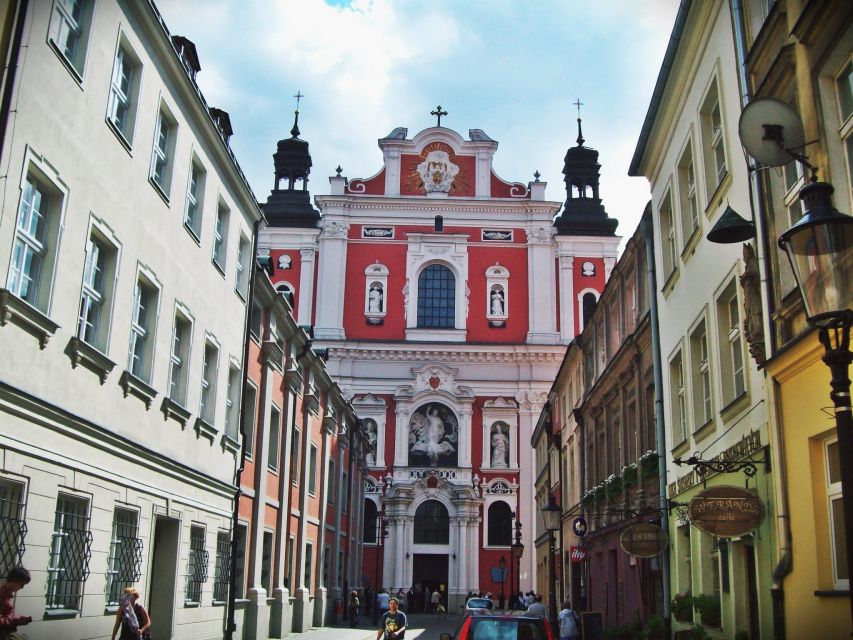
This tour is built around following a trail of Jewish monuments. That phrase can sound generic until you’re actually walking the former quarter and realizing how much you can infer from the layout.
You’ll move through the zone that was once the center of social and religious life for Poznan Jews. Your guide connects what you see on the street with how the community likely used the space: gathering, worship, administration, and education. The goal is not just facts, it’s understanding how daily life worked.
I especially like this section when the guide is willing to talk in plain terms and answer your questions. In past experiences with guides on this tour style, people have asked plenty, and the guide handled discussion topics rather than sticking to a rigid script. If you want a tour that adapts, this one can.
Wolnosci Square: the weight of memory in a public space
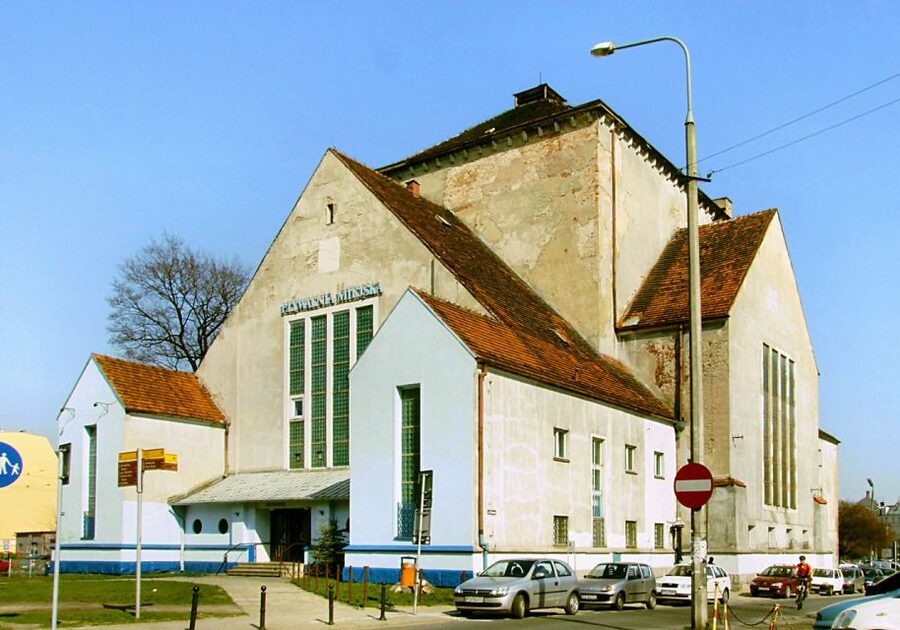
Next comes a stop at Wolnosci Square, connected to the eternal rest of Poznan Jews. This is one of those moments where a guide’s voice and pacing matter. You’re not just viewing a point on a map. You’re absorbing a reminder that the community’s story includes loss, not only achievement.
This kind of stop is important for two reasons. First, it counters the idea that history is only about buildings. Second, it helps you understand why later memorials and cemetery visits matter so much.
You do not need to be an expert to get something from this. The guide frames the area so you understand what the square represents, and that gives you a clearer emotional context for the darker stops that come later.
Other Poznan walks we have sat through and rated
- Poznan Private City Walking Tour from Cathedral Island★ 4.5 · 24 reviews
- Poznan Old Town and Top Attractions Private Walking Tour★ 4.8 · 24 reviews
- Old Town Poznan Walking Tour★ 4.0 · 16 reviews
- The Birthplace of Poland: A Self-Guided Audio Tour of Poznań★ 4.5 · 13 reviews
- Poznan: Pub Crawl with Free Club Entry★ 4.1 · 12 reviews
City Stadium and the Square of the Righteous Among the Nations
The tour then heads toward places tied to the German occupation. One major site here is the City Stadium, which witnessed the tragic fate of Jews during that time.
This stop can hit hard, so it helps to go in with the right expectation. You are walking through a sequence of remembrance, and not every stop is meant to be light or scenic. Still, the way the guide explains the connection between location and events can make the history feel grounded rather than abstract.
Then you’ll see the Square of the Righteous Among the Nations. This is a different kind of WWII story, one focused on people who helped others. For me, this kind of stop balances the narrative so you do not end the tour feeling only crushed by tragedy. It also gives you a fuller view of what choices people made under extreme pressure.
The practical takeaway: if you want to ask questions, this is a good section to do it. The guide’s answers tend to help you connect the stadium stop to later labor camp remembrance.
Fort VII and forced labor: the Holocaust chapter in Poznan
No Jewish heritage walk in Poznan is complete without the forced-labor story. This tour includes a stop tied to Fort VII, the forced labour camp for Jews, and it covers the larger Holocaust context connected to that reality.
This section is also where the tour’s value becomes very real. With a local guide, you’re not just seeing a site name. You’re learning what it meant, how it fit into the occupation system, and why the memory is preserved with specific monuments.
You’ll also see the Monument to the Victims of the Labor Camp for Jews in Poznan. Having both the site connection and the memorial at hand helps you understand how history gets translated into physical spaces. It’s one thing to read about a camp. It’s another to connect that reading to a local memorial that marks lives lost.
Tip for your visit: keep your questions thoughtful and your expectations honest. You’re dealing with suffering, and the guide will likely keep a respectful tone. If you’re visiting with teens or older kids, this can be a good tour, but plan for short breaks or a slower pace if your group needs it.
The new Jewish cemetery and Akiva Eger’s grove
Later, the tour reaches the new Jewish cemetery. This is where the earlier Akiva Eger Square stop pays off, because you’ll find Akiva Eger’s grove there.
This is a meaningful structure for a tour: the guide introduces a person, names them in a public square, then you track them again at a cemetery stop. That repetition turns a name into a lived connection, not a trivia fact.
If you’re visiting with family history ties, this part can feel especially important. One of the strongest tour moments reported by visitors is how the cemetery and person-focused stops helped make the area feel personal, even when the physical Jewish community presence is no longer as visible.
Even if you do not have family ties, you’ll likely leave with a stronger sense of what remembrance looks like in Poznan, and how naming and memorial spaces keep individuals present.
A synagogue destroyed in World War II: what’s gone still shapes the walk
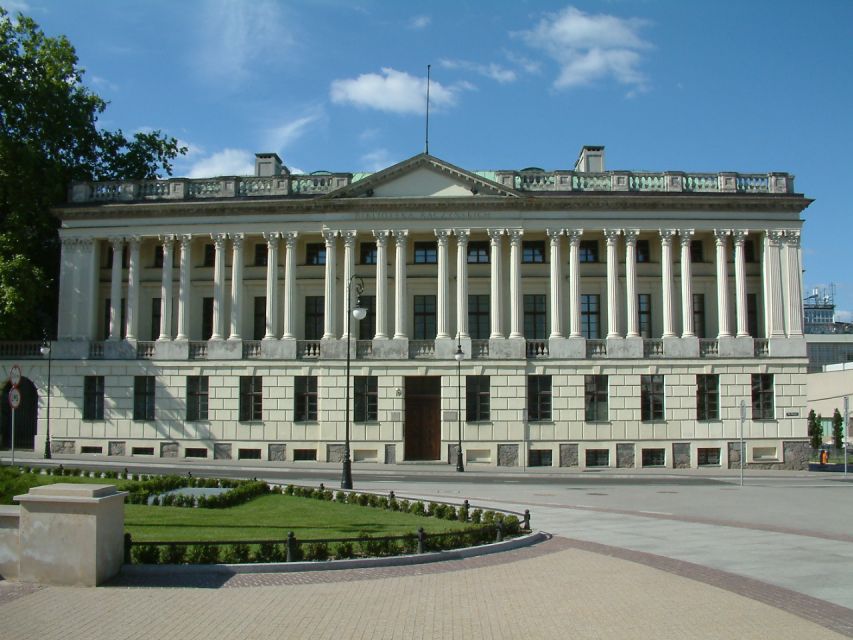
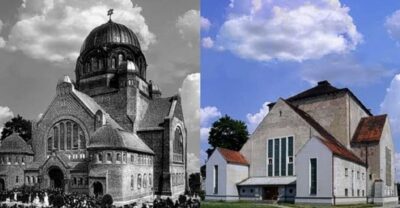
The tour includes seeing the synagogue destroyed by Germans during World War II. This stop can feel strange at first, because there may be little left to point at compared to what you’d expect.
That’s exactly why the guide’s role matters. You need context to understand what the site represented, which community activities were connected to it, and how destruction reshaped the city’s Jewish footprint.
I find these kinds of stops helpful because they change how you see ruins and empty spaces. They are not voids. They are part of the story, and your guide helps you connect what’s missing to what once existed.
Also, since entrances are not included, you should expect that some sites may be viewed from the outside or through explanation rather than through paid entry. If you strongly prefer interior visits only, plan to supplement with optional independent visits later.
Price and pace: why $16 per person can still feel like good value
At $16 per person for a 3-hour private tour, the value is mainly about the guide’s time and the “guided connections” you cannot easily recreate alone.
You’re paying for:
- a clear walking route with stops that connect into a single story
- live interpretation of Holocaust sites and local Jewish memory
- the ability to ask questions and get answers in multiple languages
Entrances are not included, so your total trip cost may rise if you choose to pay to enter any site interiors during your own follow-up. Still, the core value of the tour is the guided understanding, and for this topic, that can be worth more than a pile of ticketed attractions.
The tour is also wheelchair accessible, according to the activity details. A walking itinerary still means you should think about comfort and mobility needs. If you or someone in your group uses a wheelchair, you’ll be glad the tour is listed as accessible, and you should be ready to spend most of your time outdoors and walking short segments between stops.
Languages and the kind of guidance that makes it work
The guide is available in English, Spanish, German, Russian, Polish, French, and Italian. That helps a lot in a city where you might otherwise struggle to find solid explanations quickly.
What I like about this tour format is how it can turn into a conversation. Guides have been described as open to questions and discussion, and that changes the whole feel of a heritage tour. It goes from checking boxes to building understanding.
In at least one case, Matteusz added an extra touch at the end with a short drone video of the area. That’s not something you should treat as guaranteed, but it signals a guide who wants you to see the city from more angles than street level.
Who should book this tour in Poznan
I think this tour is a great fit if you want:
- a private, guided story of Jewish Poznan in a short time
- a route that includes Fort VII and cemetery remembrance, not just synagogues-as-sightseeing
- time for questions, not a rushed lecture
- a guide who can connect names like Akiva Eger to places you visit
It may be less ideal if you only want casual sightseeing with upbeat stops, because the Holocaust and forced labor chapter is central here. Even with good guidance, some sites demand a quiet moment.
Should you book the Poznan: Private Jewish Heritage Tour?
Yes, if you want your time in Poznan to mean something and you like learning from a guide rather than relying on self-guided guesswork. At $16 per person, the private format is a smart way to get context at Fort VII, the labor camp memorial area, the cemetery, and the World War II synagogue destruction stop, all in a 3-hour window.
If you like to travel light and flexible, this tour also fits well because you can choose starting times based on availability, and the booking options are designed to be flexible. Just arrive a few minutes early at Stawna 10, so the meeting point confusion does not waste your first ten minutes.
FAQ
Where does the tour meet?
The guide waits for you by the New Synagogue on Stawna 10 street, and they’ll have your name.
How long is the Poznan Jewish Heritage Tour?
The duration is 3 hours.
What does the tour cost?
The price is $16 per person.
Is this tour private?
Yes, it is a private group tour.
What is included in the price?
The guide is included.
Are entrances included?
No, entrances are not included.
What languages are available for the live guide?
The tour offers live guidance in English, Spanish, German, Russian, Polish, French, and Italian.
Is the tour wheelchair accessible?
Yes, the tour is listed as wheelchair accessible.
What places will we see during the tour?
You’ll follow a trail of Jewish monuments and visit the former Jewish quarter, the New Synagogue and Akiva Eger Square, Wolnosci Square, City Stadium, the Square of the Righteous Among the Nations, the Monument to the Victims of the Labor Camp for Jews in Poznan, the new Jewish cemetery (including Akiva Eger’s grove), and the synagogue destroyed during World War II.
What are the cancellation and payment options?
You can cancel up to 24 hours in advance for a full refund, and you can reserve now and pay later.
More Tour Reviews in Poznan


Poznan, Other Walks
Recently written up around Poznan



More Jewish Heritage and Ghetto Tours.
 ★ 4.7Schindler’s Factory & Ghetto Guided TourFrom $571,694 reviews
 ★ 4.9Jewish Quarter and Former Ghetto TourFrom $191,441 reviews
 ★ 4.9Bike Tour of Old Town, Jewish Quarter and the GhettoFrom $371,155 reviews
 ★ 4.7POLIN Museum of the History of Polish Jews TicketFrom $121,142 reviews
 ★ 4.8Kazimierz, Schindler’s Factory & Ghetto Guided TourFrom $81460 reviews
 ★ 5.0Full Bike Tour – the Old Town, Jewish Qtr & the Ghetto NEW BIKESFrom $35437 reviews
 ★ 4.9Warsaw Ghetto Private Walking Tour with Hotel PickupFrom $84369 reviews
 ★ 4.9Bike Tour of the Old Town, Kazimierz, and the GhettoFrom $26350 reviews
Also on these Poland lists