

REVIEW · JEWISH HERITAGE AND GHETTO TOURS
Skip-the-Line Polin Museum Warsaw Jewish History Tour
Warsaw’s ghetto story is hard to find on your own. This skip-the-line POLIN Museum tour pairs museum time with a guided walk through key ghetto landmarks, so you can connect the exhibits to what still exists in the streets. I like the pacing, because it mixes big memorial moments with specific places tied to Jewish life before and during WWII.
The two things I really like are the licensed guide style and the structure. You get expert commentary on Jewish history and the Holocaust in Poland, and the museum visit is organized enough that even a 2-hour window feels purposeful. The standout for many people is that the route doesn’t stay locked behind glass.
One possible drawback: the tour length changes what you see. On a shorter option you may not get the Warsaw Ghetto walking portion, so it pays to pick the time window that matches what you most want to experience.
In This Review
- Key highlights worth prioritizing
- Skip-the-line POLIN Museum tickets that actually matter
- A start near the Palace of Culture: Warsaw landmarks with a darker backstory
- Jewish Cemetery, masebas, and the symbolic weight of Korczak
- Fragment of Ghetto Wall: the point where history becomes physical
- Warsaw Ghetto streets: where the story turns into a map
- Nozyk Synagogue: the last survivor you can still step into
- Jewish Historical Institute: photos, artifacts, and evidence
- Prozna Street and Grzybowski Square: neighborhood history beyond the big sites
- POLIN Museum time: the organized way to see a lot without losing the thread
- Getting real value from the price
- Timing, pacing, and what to wear for a mixed route
- Who should book this tour, and who might prefer something else
- Should you book this POLIN Museum and Warsaw Ghetto Jewish History Tour?
- FAQ
- How long is the Skip-the-Line POLIN Museum Warsaw Jewish History Tour?
- Is this tour private or shared with other travelers?
- What language is the tour offered in?
- What does skip-the-line mean for POLIN Museum?
- Will I visit the Warsaw Ghetto on a 2-hour option?
- Can I cancel and get a full refund?
Key highlights worth prioritizing
- Skip-the-line POLIN Museum tickets (ticket office only, not security)
- Licensed English guide with focused, on-the-ground commentary
- Museum + street route that ties exhibits to ghetto sites you can still find
- Jewish Cemetery visit including the story of Janusz Korczak’s symbolic grave
- Nozyk Synagogue stop where entry may be possible by request
- Mobile ticket for a smoother start
Further Jewish heritage and ghetto routes documented in Warsaw
- Warsaw: POLIN Museum of the History of Polish Jews Ticket
★ 4.7 · 1,142 reviews - Warsaw: Warsaw Ghetto Private Walking Tour with Hotel Pickup
★ 4.9 · 369 reviews - Warsaw: Jewish History Guided Walking Tour in English
★ 4.7 · 324 reviews - Private Tour: Warsaw’s Jewish Heritage by Retro Fiat
★ 5.0 · 208 reviews
Skip-the-line POLIN Museum tickets that actually matter

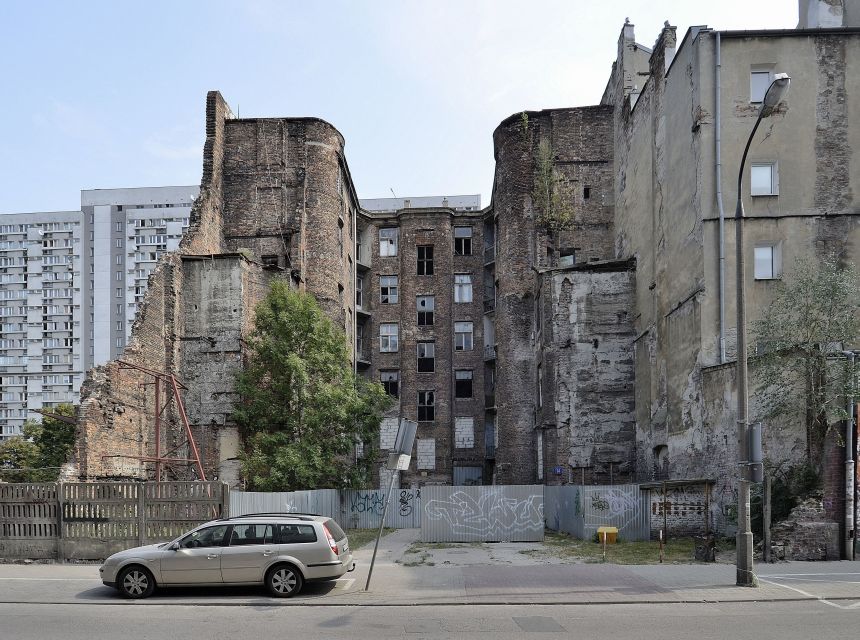
This experience centers on POLIN Museum, the big, modern museum dedicated to the history of Polish Jews. If you care about context, this is the right anchor. Instead of dropping you at random exhibits, the guide keeps the story moving and helps you notice what’s most important.
You also get skip-the-line tickets to the POLIN Museum. That’s useful, but read the fine print in your head: the tickets skip the line at the ticket office, not the entrance and security checks. So yes, you will still go through security, just with less waiting for the ticket counter.
The POLIN ticket included in the tour covers the main exhibition, the ongoing temporary exhibition, and the Heritage Gallery. Practically, that means you are not just buying a single room. You can spend your guided time where it counts most, and if you spot something you want to linger over, you have a working museum with multiple layers.
A start near the Palace of Culture: Warsaw landmarks with a darker backstory
The tour begins near Ludwika Zamenhofa 11, and it starts with the Palace of Culture and Science stop. From the outside, it’s an attention-grabber, and it’s described as Poland’s highest building, so it’s the kind of visual landmark you can use later to orient yourself in Warsaw.
Even if admission is free and you’re not going inside on this stop, the guide can use the architecture to ground you. Warsaw has a way of putting history right in front of you, and this is a fast way to set the scene.
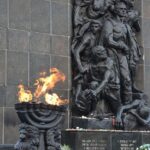
Right after, you hit the Pomnik Bohaterow Getta. This monument is about the Polish Jews and the persecution during Germany’s occupation in WWII. It’s a short stop, but it works as an emotional reset, helping you understand what you are about to walk through.
Jewish Cemetery, masebas, and the symbolic weight of Korczak
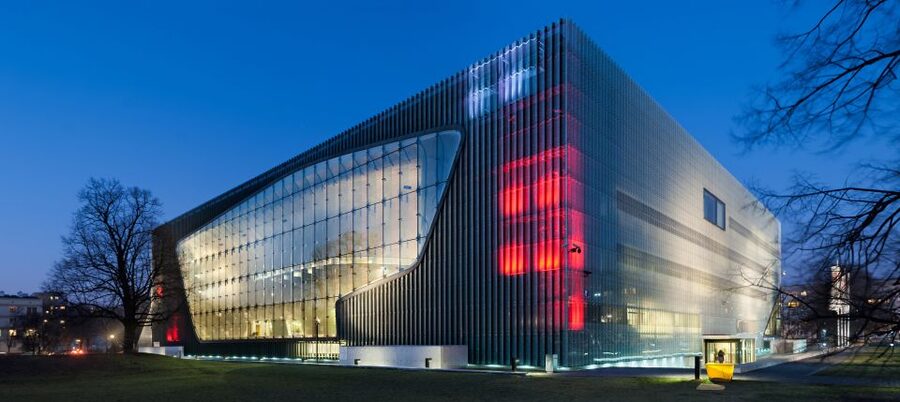
The Jewish Cemetery stop is one of the clearest “slow down” moments on the route. The cemetery was established between 1799 and 1806, and it’s described as scenic and nostalgic, with tombstones called masebas. These are marble and sandstone stones, and the guide can point out delicately carved symbols and ornaments.
There’s also a symbolic grave tied to Janusz Korczak, the famous writer and teacher who died in Auschwitz. That detail matters because Korczak’s story is often referenced in broader Holocaust education, but here you can place it in a specific Warsaw context. A guided explanation helps the names and dates stop being abstract.
One consideration: cemetery time is thoughtful, but it can feel like a lot if you’re carrying strong emotions already. If you want something more straightforward and less heavy, this tour will still hit hard. That said, the structure is designed to balance the museum with outdoor memorial stops.
Fragment of Ghetto Wall: the point where history becomes physical
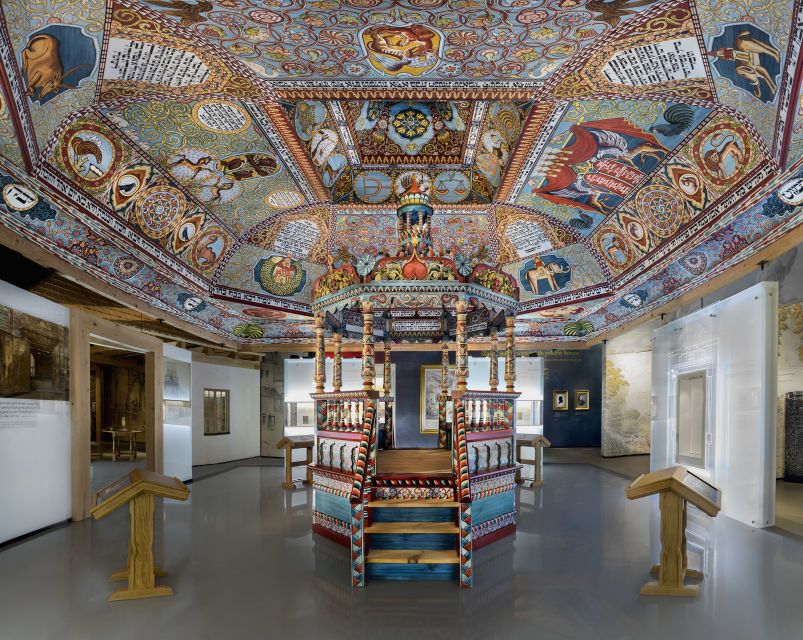
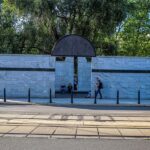
Next you get to a Fragment Of Ghetto Wall. This stop is short, about 15 minutes, but it’s built for physical understanding. You can see the height, touch the construction, and hear sounds of life on the other side.
That sensory element is the whole point. In a museum, you learn what happened. On a wall fragment, you feel the separation. You also get a better mental map for what “crowded conditions” meant in real space.
A practical tip from the way this tour is described: be ready for guided “look and listen” moments. The wall stop is not meant for speed photos. It’s meant to help you grasp the scale.
Warsaw rebuilt itself twice over. Here is how else we saw it
- Warsaw: Chopin Concert in the Old Town★ 4.8 · 2,287 reviews
- Warsaw: Traditional Galar Cruise on The Vistula River★ 4.6 · 1,640 reviews
- Warsaw: Old Town Highlights Walking Tour in English★ 4.7 · 1,516 reviews
- Warsaw Concert: Chopin – Painted by Candlelights with Wine★ 4.8 · 1,442 reviews
- Warsaw: City Sightseeing Hop-On Hop-Off Bus Tour★ 3.6 · 1,415 reviews
Warsaw Ghetto streets: where the story turns into a map
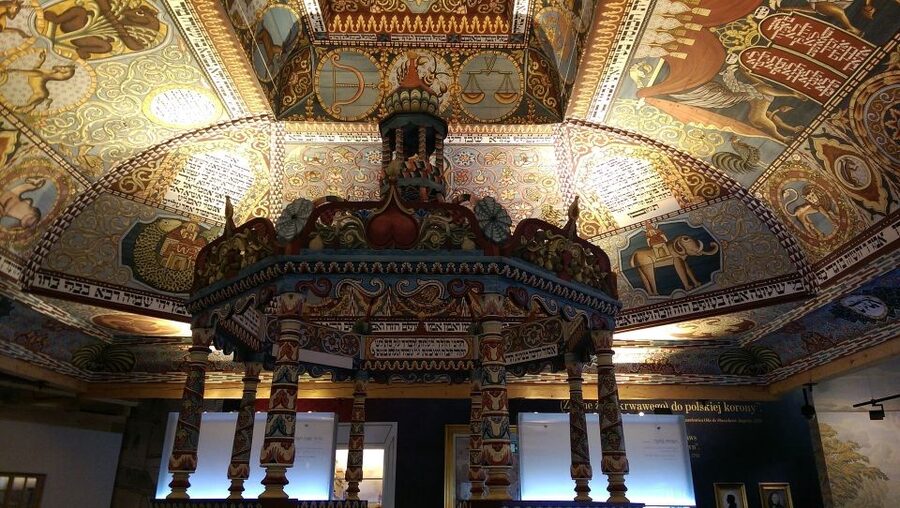
Then you step into what the tour describes as the Warsaw Ghetto district, established in October-November 1940. The area is described as only 2.4 percent of Warsaw’s land but forced more than 450,000 Jews to live in crowded conditions under German control.
This is the area where you need your guide most. The guide can translate distances and percentages into something you can picture. Without that commentary, you might see streets and buildings but miss what the space was designed to do.
The tour also flags that the Warsaw Ghetto walking portion depends on which option you choose. On the full route, you can spend more time on the street-level stops. On the shorter version, you might not see this portion at all. If walking the ghetto is one of your main goals, choose the longer option.
Nozyk Synagogue: the last survivor you can still step into
At the Nozyk Synagogue stop, the tour calls out something specific and important. It’s described as the only surviving synagogue of the 400 that existed in Warsaw before the war. It has been refurbished and is now a functioning synagogue.
The tour notes that it may be possible to enter for request. That means it’s not guaranteed in the information you have, but it’s worth knowing that this is not just an outside photo stop. Even if entry isn’t possible on your day, the synagogue stop gives you a living sense of continuity rather than only remembering loss.
If you’re visiting as a person who likes quiet places, this stop often offers a different tone than monuments. It’s also the kind of moment where you should follow any on-site rules the synagogue staff share, since functioning places set their own expectations.
Jewish Historical Institute: photos, artifacts, and evidence
The Jewish Historical Institute stop is tied to the tour’s theme, and it’s a good bridge between memorial spaces and museum-grade documentation. The institute is described as holding records, photographs, videos, and artifacts from the Warsaw Ghetto during the Nazi occupation.
What this adds is credibility and detail. Memorials tell you what to remember. Archives and collections show you how people documented what was happening, even under extreme conditions. A guided explanation helps you understand what you’re looking at instead of just reading captions quickly.
Admission here is listed as free for this stop. Still, treat it like a serious moment. The material is heavy by nature, and the guide’s commentary is likely the difference between skimming and actually learning.
Prozna Street and Grzybowski Square: neighborhood history beyond the big sites
Later, you stop at Ulica Prozna, or Prozna Street. The description calls out that it’s located on route to the uprising museum, and it’s framed as part of a history-teacher approach with interest in Nazi occupation and the Holocaust. That matters because it signals how your guide will interpret the neighborhood, not just point at a place.
After that comes Grzybowski Square. The square is in the middle of Warsaw, and the information says it was part of the Jewish Ghetto during WWII. Around the square, you may find a new Jewish theater, plus a memorial garden and a beautiful fountain in the middle.
This is another reason I like this tour format. It shows you that Warsaw’s Jewish history isn’t confined to one building or one fenced memorial. You see it in squares, in streets, in what still operates today, and in what was built later to remember.
POLIN Museum time: the organized way to see a lot without losing the thread
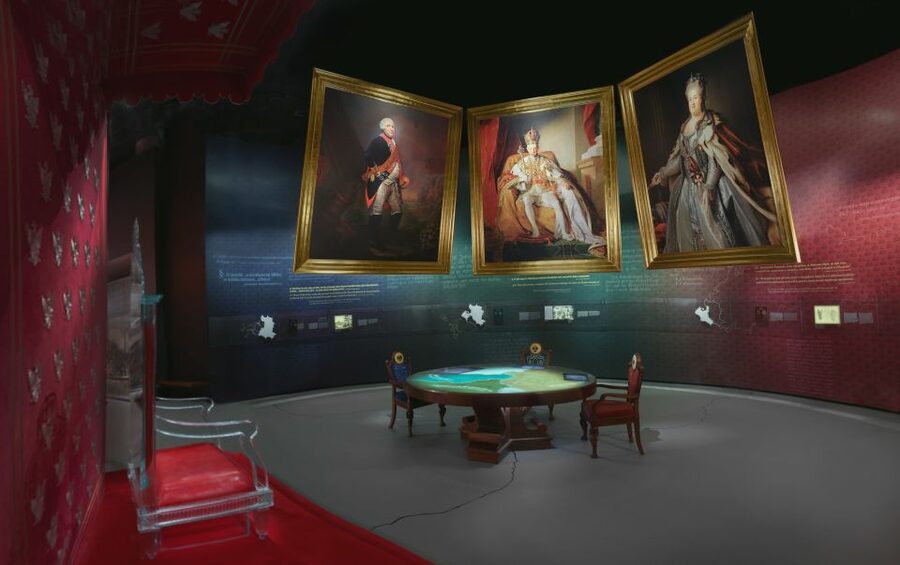
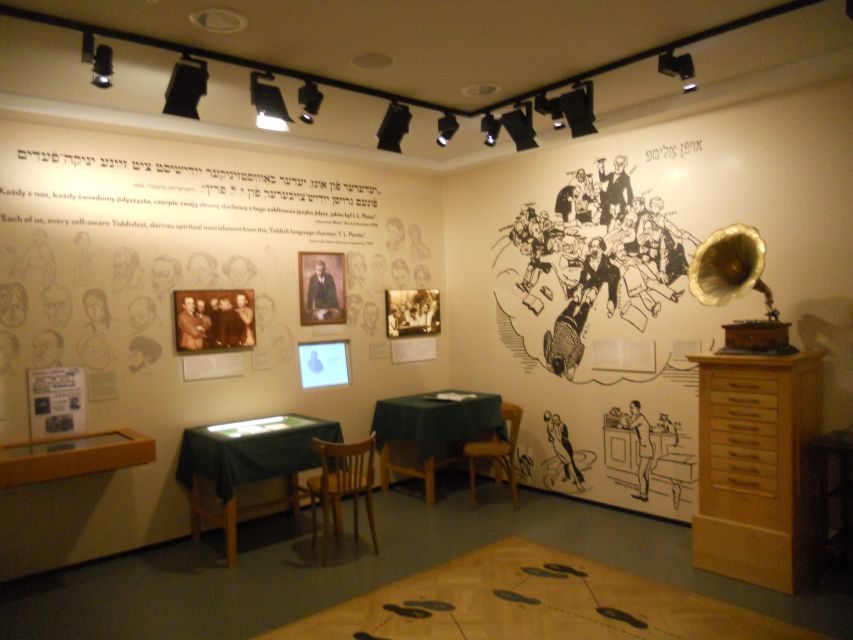
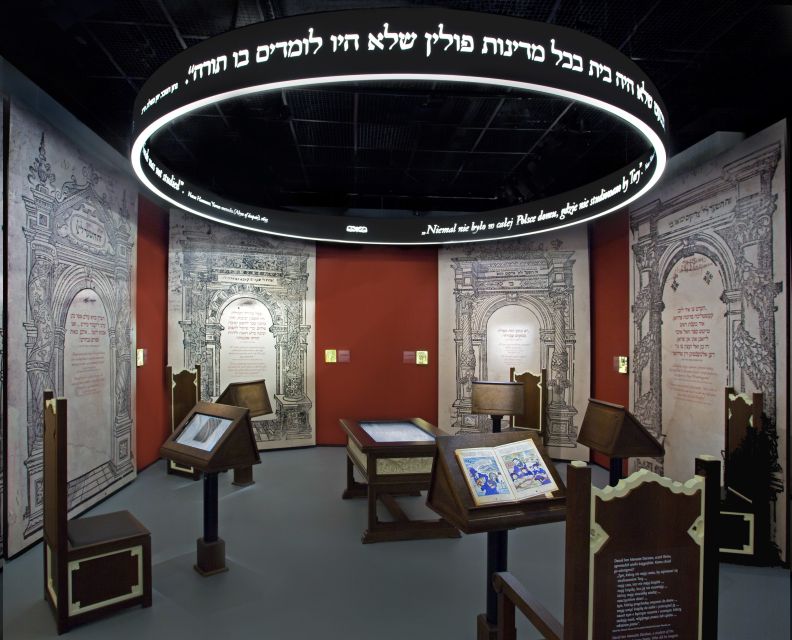
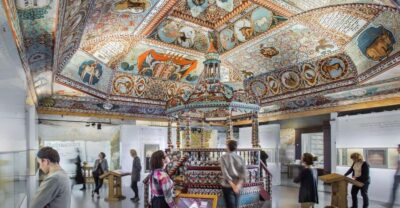
The museum stop is about 2 hours, and it’s the part most people treat as the anchor. POLIN is described as exploring the memory of a Jewish civilization created by Polish Jews over a millennium. The museum is built to do both emotions and explanation, and the tour highlights that there are surprises in drawers, screens, and touchable objects.
That’s a big advantage for visitors who struggle with long, text-heavy exhibits. Interactivity can help you stay oriented, especially when the subject matter is complicated.
One thing that’s worth knowing: if you want to read and listen to everything at a slow pace, this could take a whole day. Your time here is guided to the key points, so it’s best for travelers who want understanding and context without spending an entire day.
Also, the stop feels chronological, which is why the guide commentary lands. You get the long arc of Polish history and Jewish history together, not as two separate tracks.
Getting real value from the price
At $167.97 per person, this tour is not a bargain-basement option. But it can be strong value if you factor in what’s included.
You are paying for:
- A private tour where only your group participates
- A licensed guide fluent in English
- Expert commentary connecting Jewish history and the Holocaust in Poland
- Skip-the-line tickets to POLIN Museum
- Museum admission included for the main exhibition, temporary exhibition, and Heritage Gallery
- Multiple ghetto and memorial stops with included entries where listed
- A walking focus through the ghetto in the longer option
For many people, the biggest value is not just “seeing places.” It’s having a guide who can turn stops into a coherent story across the museum and the street route. That reduces guesswork, and it makes the experience more satisfying than a self-guided walk where you might miss the why behind each location.
If you’re traveling with kids, the structure can work well. One guide experience highlighted that even a 6-year-old asked questions and stayed engaged. That doesn’t mean every child will love it, but it suggests the tour is approachable when a guide keeps explanations clear.
Timing, pacing, and what to wear for a mixed route
This is listed as 2 to 4 hours, depending on the selected option. The average booking timing is around 51 days in advance, which suggests it’s a popular way to do Warsaw with context, not just sightseeing.
Expect a mix of museum time and walking through multiple outdoor points. You’ll want shoes that handle city sidewalks and memorial areas comfortably. Also plan to dress for weather, since you’ll spend time outside at several stops.
If you’re choosing between the shorter and longer options, decide early what you care about most. The information says you will not see the Warsaw Ghetto on a 2-hour tour. If ghetto walking is high on your list, the longer option is the one that actually delivers it.
Who should book this tour, and who might prefer something else
This is a great fit if you want:
- A guided link between POLIN exhibits and Warsaw’s remaining ghetto sites
- An English-speaking, licensed guide
- A route that includes both documentation and physical memorials, including the Jewish Cemetery and the ghetto wall fragment
- A structured overview you can understand in about half a day
It may not be the best fit if you want:
- Only the museum experience, without the street-level walking
- A fully flexible, unstructured schedule
- Guaranteed entry into the synagogue (entry is described as possible for request, not guaranteed)
Should you book this POLIN Museum and Warsaw Ghetto Jewish History Tour?
I’d book it if you want one organized plan that combines skip-the-line POLIN Museum access with a walking route through major ghetto-related sites. It’s especially worth it when you care about understanding how the museum story connects to what you can still see in Warsaw.
I’d think twice if you are trying to fit a tight schedule and only want the museum, because the shorter option may skip the Warsaw Ghetto walking portion. In that case, a museum-only plan might match your goals better.
If you do book it, I’d make sure you go in with a mindset of learning, not just taking photos. The power of this experience is how it helps you connect dates, names, and artifacts to places in the city.
FAQ
How long is the Skip-the-Line POLIN Museum Warsaw Jewish History Tour?
The tour is listed as about 2 to 4 hours, depending on the selected option. The number of attractions depends on the option you choose.
Is this tour private or shared with other travelers?
This is a private tour/activity. Only your group will participate.
What language is the tour offered in?
The tour is offered in English.
What does skip-the-line mean for POLIN Museum?
The skip-the-line tickets allow you to skip the line at the ticket office, but not at the entrance and security checks. The ticket covers the main exhibition, the ongoing temporary exhibition, and the Heritage Gallery.
Will I visit the Warsaw Ghetto on a 2-hour option?
No. The information states you will not see the Warsaw Ghetto on a 2-hour tour.
Can I cancel and get a full refund?
Yes. You can cancel for a full refund up to 24 hours in advance. If you cancel less than 24 hours before the experience starts, the amount paid is not refunded.
More Tour Reviews in Warsaw




Warsaw, Keep Looking
Jewish Heritage and Ghetto Routes in Warsaw

Recently written up around Warsaw



More Jewish Heritage and Ghetto Tours.
 ★ 4.7Schindler’s Factory & Ghetto Guided TourFrom $571,694 reviews
 ★ 4.9Jewish Quarter and Former Ghetto TourFrom $191,441 reviews
 ★ 4.9Bike Tour of Old Town, Jewish Quarter and the GhettoFrom $371,155 reviews
 ★ 4.7POLIN Museum of the History of Polish Jews TicketFrom $121,142 reviews
 ★ 4.8Kazimierz, Schindler’s Factory & Ghetto Guided TourFrom $81460 reviews
 ★ 5.0Full Bike Tour – the Old Town, Jewish Qtr & the Ghetto NEW BIKESFrom $35437 reviews
 ★ 4.9Warsaw Ghetto Private Walking Tour with Hotel PickupFrom $84369 reviews
 ★ 4.9Bike Tour of the Old Town, Kazimierz, and the GhettoFrom $26350 reviews
Also on these Poland lists