
REVIEW · JEWISH HERITAGE AND GHETTO TOURS
Warsaw: Ghetto, Jewish Cemetery & POLIN Museum Private Tour
Warsaw ghetto history hits hard on foot. This private tour threads the story through real street traces and major memorials, with an expert guide who turns fragments into a clear narrative. I especially like the strong language support and the way the guide points out what is still visible, including boundary markers and key monuments. One drawback to plan around: the 2-hour option does not include cemetery or POLIN Museum tickets, so you may need to upgrade if those are priorities.
If you pick the longer routes, the pacing becomes more satisfying. You get time for the old Jewish Cemetery in Muranow and, on the 5-hour plan, skip-the-line POLIN Museum entry that adds context you cannot get from monuments alone. I like that you travel with a guide fluent in your chosen language and that the tour is private, so you can ask questions without waiting your turn. Consider that this is heavy history, so bring a little patience for the emotional weight of the stops.
In This Review
- Key highlights worth planning around
- Walking the Warsaw Ghetto, not just looking at plaques
- Picking the right option: 2 hours vs 3 hours vs 5 hours
- The 2-hour walking focus
- The 3-hour ghetto plus Muranow cemetery
- The 5-hour ghetto plus POLIN Museum plus cemetery
- Meeting point in central Warsaw and why private pacing matters
- The ghetto on the map: boundary markers and uprising memorials
- Mila 18 and Anielewicz Mound, where resistance takes a location
- Umschlagplatz Monument: the departure point and the weight of numbers
- Adding the Muranow Jewish Cemetery in 1809
- POLIN Museum in the 5-hour plan: time saved, context added
- Price, time, and value around $112 per person
- Practical tips so your day stays smooth
- Should you book this Warsaw ghetto, cemetery, and POLIN private tour?
- FAQ
- How long is the tour?
- Is this a private tour?
- Where do we meet the guide?
- Does pickup from a hotel cost extra?
- What is included in the 2-hour option?
- Is the Jewish Cemetery ticket included?
- How do we get to the Jewish Cemetery?
- Is skip-the-line access included for POLIN Museum?
- What languages are available?
- Can I cancel if my plans change?
Key highlights worth planning around
- Boundary markers and memorial stops that map Nazi control onto everyday Warsaw streets
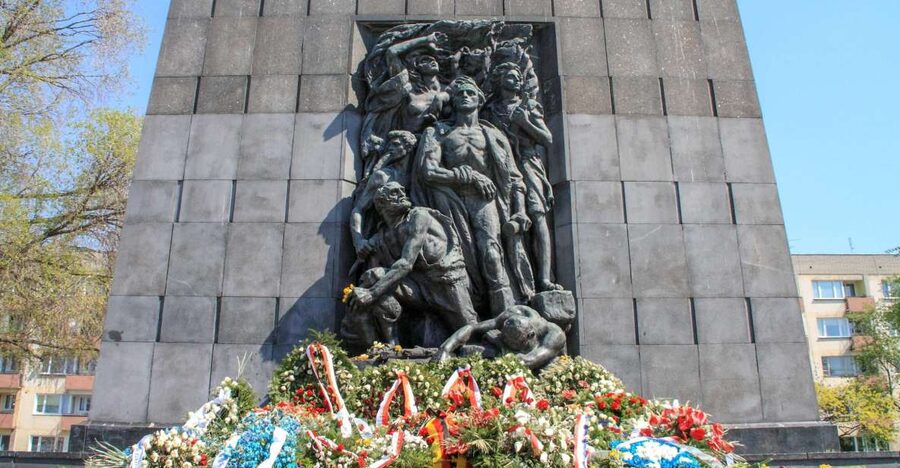
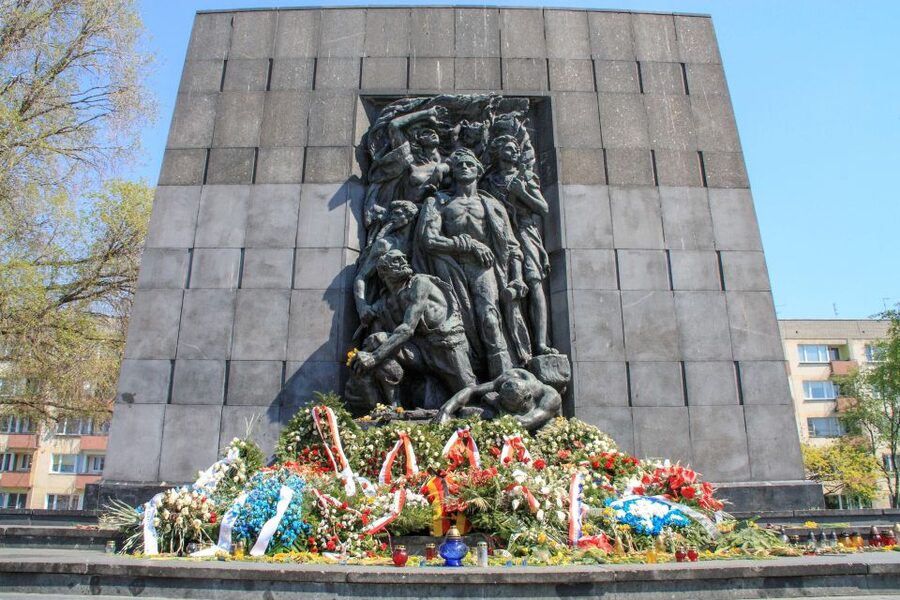
- Warsaw Ghetto Uprising focus, including the Monument to the Ghetto Heroes
- Mila 18 and Anielewicz Mound as a human-scale view of resistance
- Umschlagplatz Monument, the departure point marked for transports to Treblinka
- Muranow Jewish Cemetery (1809), one of Europe’s largest, with over 200,000 buried
- POLIN Museum with skip-the-line ticketing on the 5-hour option to save time
Further Jewish heritage and ghetto routes documented in Warsaw
- Warsaw: POLIN Museum of the History of Polish Jews Ticket
★ 4.7 · 1,142 reviews - Warsaw: Warsaw Ghetto Private Walking Tour with Hotel Pickup
★ 4.9 · 369 reviews - Warsaw: Jewish History Guided Walking Tour in English
★ 4.7 · 324 reviews - Private Tour: Warsaw’s Jewish Heritage by Retro Fiat
★ 5.0 · 208 reviews
Walking the Warsaw Ghetto, not just looking at plaques
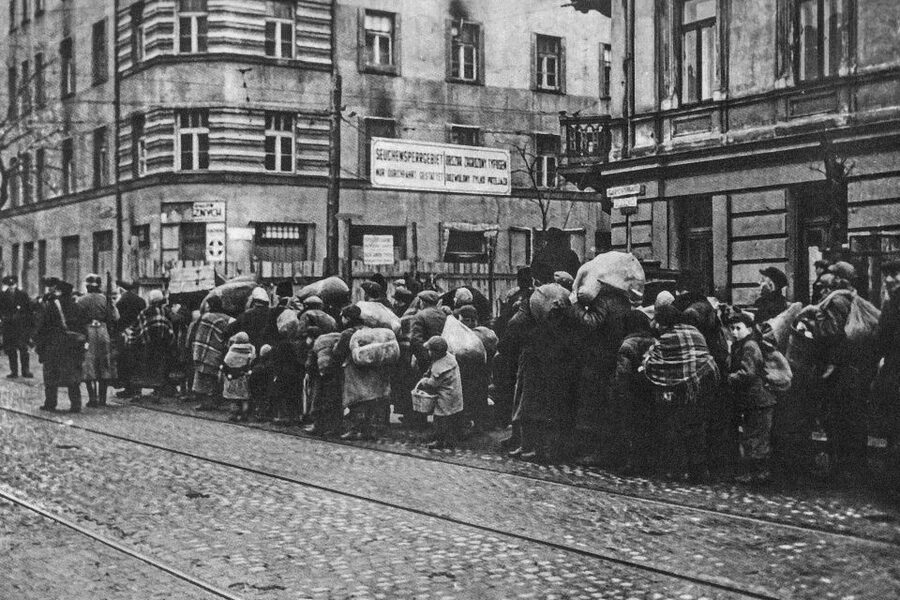
This tour works because you do the story on the ground, not only in photos. The Warsaw Ghetto is often described in big numbers, but the walking format keeps pulling you back to what those numbers meant in daily life: limited space, constant control, and the slow tightening of a trap.
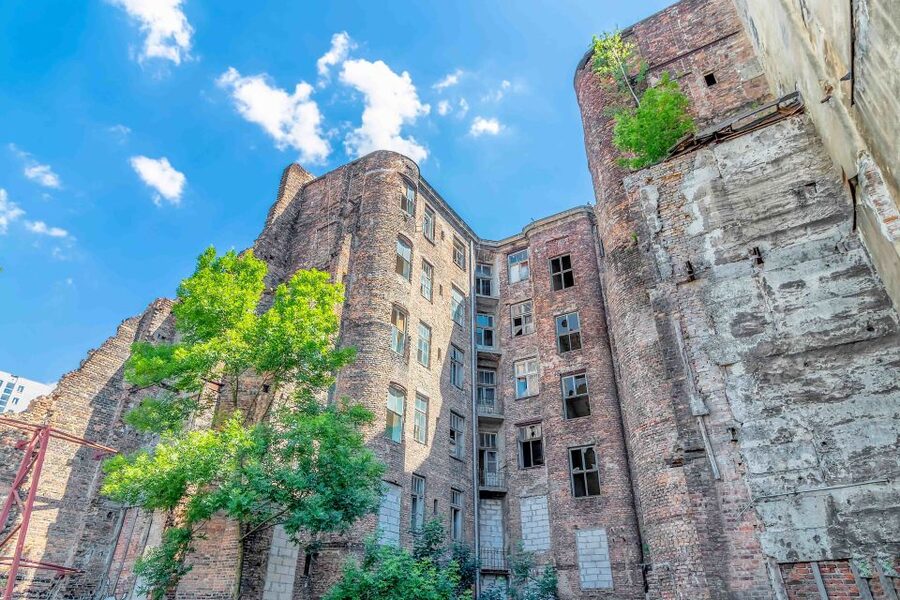
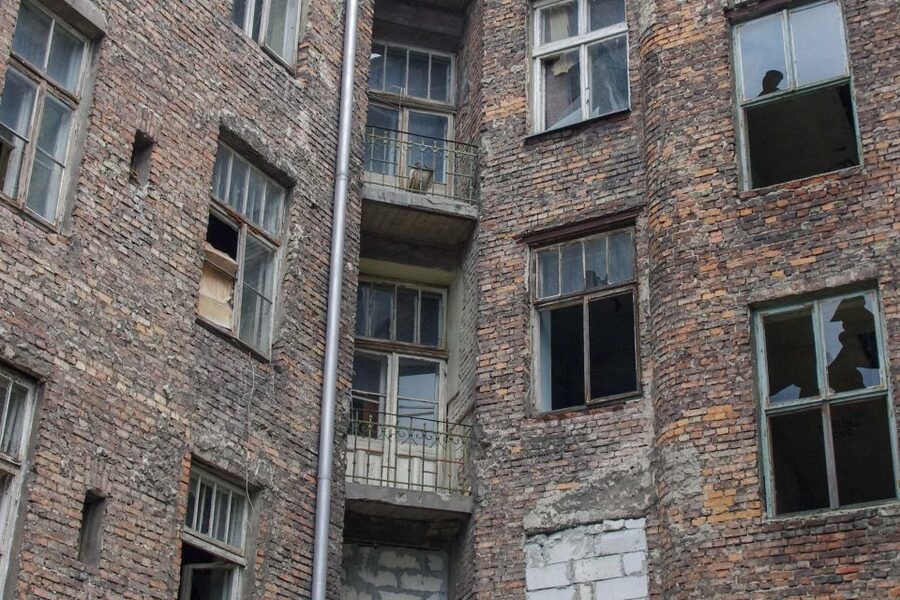
You start by moving through the former ghetto area with a licensed guide who explains what you are seeing and what has changed since the war. A standout approach is how the guide shows places that no longer exist using visual aids and street layout comparisons. That matters, because you can walk past a street and still miss the historical meaning unless someone connects the dots for you.
You will also see how memorials act like signposts. The tour includes the Monument to the Ghetto Heroes, tied to the 1943 Warsaw Ghetto Uprising, and it finishes at a powerful marker for the transports that left for Treblinka. I like that the stops do not feel random. They form a sequence: persecution, life under constraint, resistance, and then deportation.
Picking the right option: 2 hours vs 3 hours vs 5 hours
Choosing the duration is the first decision that shapes your whole experience. The tour ranges from 2 to 5 hours, and the difference is not just extra time. It changes what you learn and how the day flows.
The 2-hour walking focus
The 2-hour option is the cleanest introduction. You get a private walking tour of the former Warsaw Ghetto area, with commentary in your chosen language. You will see the uprising monument and key traces like the boundary markers, then end at the Umschlagplatz Monument. It is a strong choice if you are short on time or if you want to pair this with other Warsaw sights later.
The catch is clear: the 2-hour version does not include entry tickets to the Jewish Cemetery or POLIN Museum. If those two stops are on your must-see list, you will likely feel like you are arriving at the right places too late. That is the main tradeoff.
The 3-hour ghetto plus Muranow cemetery
The 3-hour option extends the story beyond the ghetto streets. You add the old Jewish Cemetery in Muranow, which was established in 1809 and includes over 200,000 people laid to rest. This option also includes entry to the cemetery, plus a 1-way public transport ticket to reach it, since it sits outside the city center.
I like this blend because the cemetery adds a long time perspective. The ghetto monuments are urgent and immediate. The cemetery forces you to slow down and look at names, roles, and lives that were shaped by community, learning, leadership, and culture.
Warsaw rebuilt itself twice over. Here is how else we saw it
- Warsaw: Chopin Concert in the Old Town★ 4.8 · 2,287 reviews
- Warsaw: Traditional Galar Cruise on The Vistula River★ 4.6 · 1,640 reviews
- Warsaw: Old Town Highlights Walking Tour in English★ 4.7 · 1,516 reviews
- Warsaw Concert: Chopin – Painted by Candlelights with Wine★ 4.8 · 1,442 reviews
- Warsaw: City Sightseeing Hop-On Hop-Off Bus Tour★ 3.6 · 1,415 reviews
The 5-hour ghetto plus POLIN Museum plus cemetery
The 5-hour option is the most complete arc. It adds POLIN Museum of the History of Polish Jews to the ghetto walk and cemetery visit. On this longer plan, POLIN Museum comes with skip-the-line tickets, saving time at the ticket office. You will still go through entrance and security checks, so allow normal museum security time.
If you only do one version, the 5-hour plan is often the best value for comprehension. Street-level history explains the how and where. POLIN Museum helps explain the why and the broader context before, during, and after the war. When both are included, the day feels like a full chapter instead of a short scene.
Meeting point in central Warsaw and why private pacing matters
You meet your guide next to the anchor monument in front of the main entrance to the Field Cathedral of the Polish Army, at Długa 13/15, 00-238 Warsaw. That is in a very walkable, practical area, so it is easy to connect the tour with other Old Town plans before or after.
Pickup is available only for accommodation inside Old Town and within 1.5 km of the meeting point. If your hotel is outside that zone, you will likely need to make your own way to the meeting point. I suggest planning a simple arrival route so you are not stressed about finding the correct spot right before a tour starts.
The private format is a real advantage here. This kind of history invites questions, and you do not want to hold back because the group moves fast. With a private guide, you can slow down when something feels relevant, like a boundary marker detail or a specific moment in the uprising story.
Language options are broad: Spanish, English, French, German, Italian, Polish, and Russian. In one German-language experience, the guide named Iwona delivered very clear explanations and handled questions on the spot. That is exactly what you want: fluent narration, plus flexibility when you want to understand something more precisely.
The ghetto on the map: boundary markers and uprising memorials
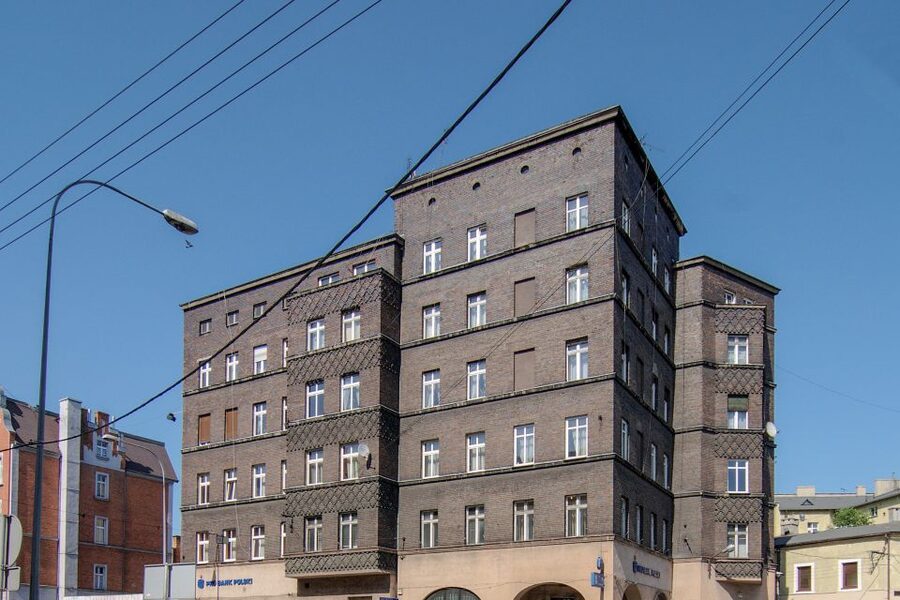
The Warsaw Ghetto was not an abstract concept. It was a controlled area with boundaries you could feel in your daily movement. The tour makes that real by including the ghetto boundary markers you can still find in the city today. Seeing them in context is a gut-level reminder that borders can be engineered and then enforced.
From there, the tour connects the physical space to the people inside it. Your guide explains Nazi persecution and the brutal conditions of daily life, including hunger and disease. You will also hear about heroism and rebellion, so the story does not become only about suffering. It also becomes about agency, even under impossible odds.
The Monument to the Ghetto Heroes is one of the emotional anchors of the walk. It is tied to the 1943 uprising, which is crucial to understand here: the uprising was not a distant chapter in a textbook. It was an event driven by human choices under extreme pressure, and the memorial helps you focus on that.
As you walk, the guide also points out traces that are easy to miss if you are sightseeing on autopilot. It is not only what you stop at, it is how the guide reads the street with you.
Mila 18 and Anielewicz Mound, where resistance takes a location
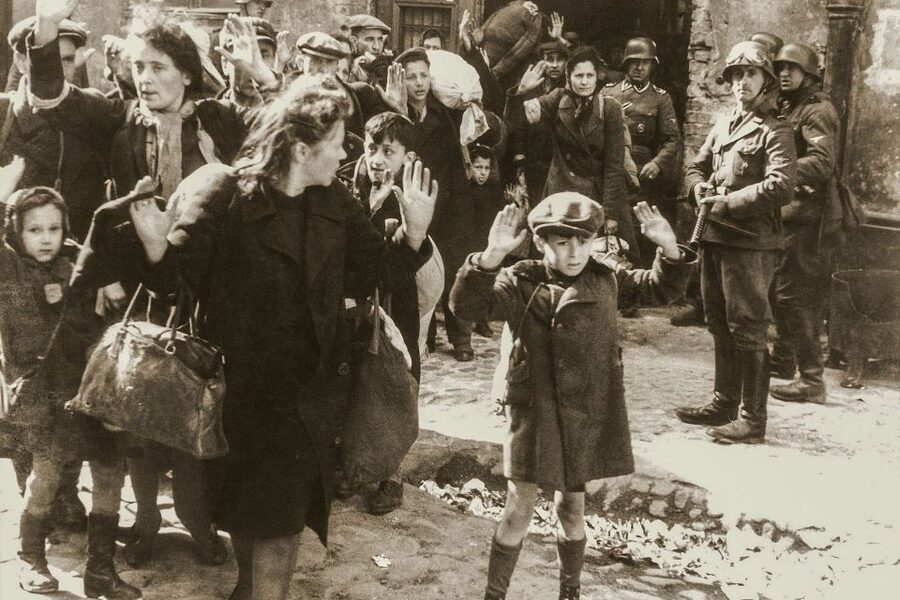
A key stop on the walk is the Anielewicz Mound at Mila 18. The tour frames this as a hidden shelter connected to a Jewish resistance group. Even if you have read about resistance in general terms, having a specific location helps your brain hold onto the reality of what was happening.
This stop is valuable because it balances the story. The ghetto often gets described as a place where people were trapped. Resistance reminds you that people also planned, organized, and acted, despite the lethal environment around them.
I also like that the guide’s explanations keep linking past to present. You are not only learning what happened. You are learning what you can still notice today, and why certain locations matter enough to be marked at all.
Umschlagplatz Monument: the departure point and the weight of numbers
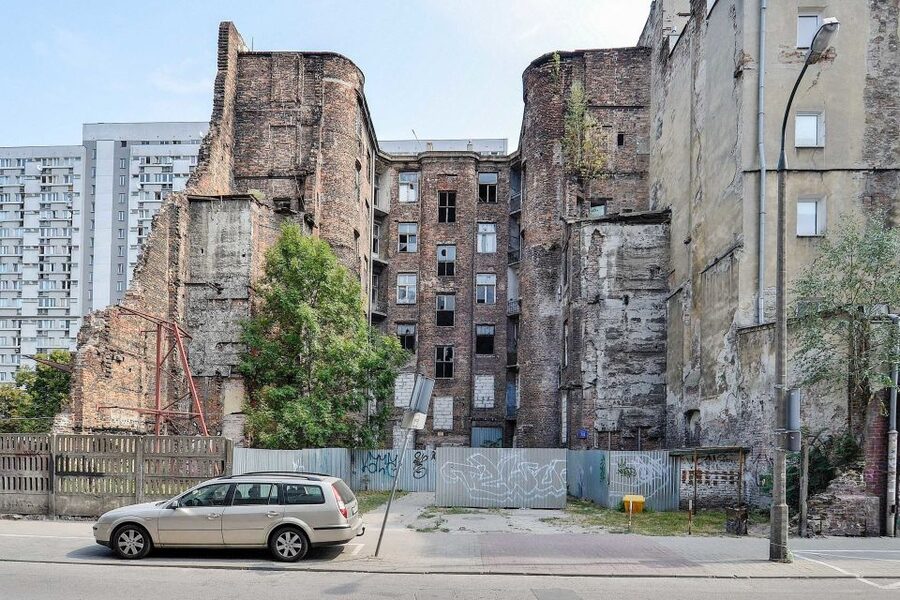
The walk ends at the Umschlagplatz Monument. This marks the departure point for Jews transported to Treblinka Concentration Camp, where more than 300,000 Jewish people died.
That is a sentence you do not move past quickly. The guide’s job is to keep you oriented and grounded while still honoring the gravity. Expect talk about deportation, how it was carried out, and what it meant for families.
What makes this stop work in a guided tour is timing and pacing. If you read the information on your phone alone, it is easy to skim. With a guide, you get context that slows your thinking down and helps you understand why memorials sit where they do.
If you have any sensitivity to WWII-related topics, give yourself permission to pause. Bring water and take short breaks between stops. The tour is not designed for speed.
Adding the Muranow Jewish Cemetery in 1809
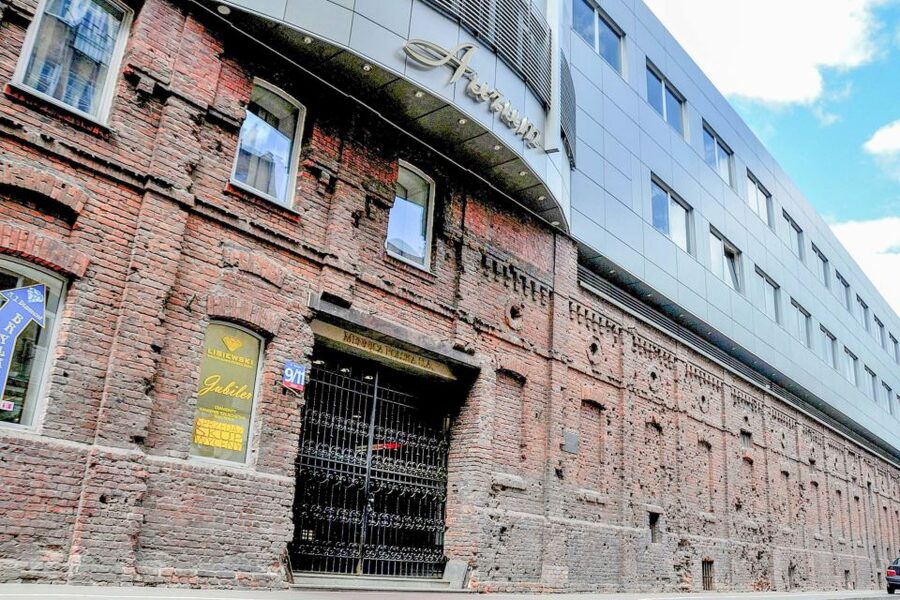
On the 3-hour and 5-hour options, you go beyond the ghetto area to the old Jewish Cemetery in Muranow. This cemetery was established in 1809 and is one of the largest in Europe, with over 200,000 people buried.
You do not just see stones. The guide shows graves connected with spiritual leaders, political activists, honored creators of Jewish culture, and thousands of nameless victims from World War II. That mix matters. It shows both community identity and the brutal randomness of who survived.
This stop is also different in tone from the street walk. It is calmer, but it is not easier. Cemeteries force you into a slower mode of attention. Instead of tracing boundaries and routes, you look at names and the meaning behind who is remembered and how.
Because the cemetery sits outside the city center, you get help reaching it with a 1-way public transport ticket (included for the 3-hour and 5-hour options). That is a practical benefit. You avoid wasting time figuring out transit while you are already carrying the emotional weight of the day.
POLIN Museum in the 5-hour plan: time saved, context added
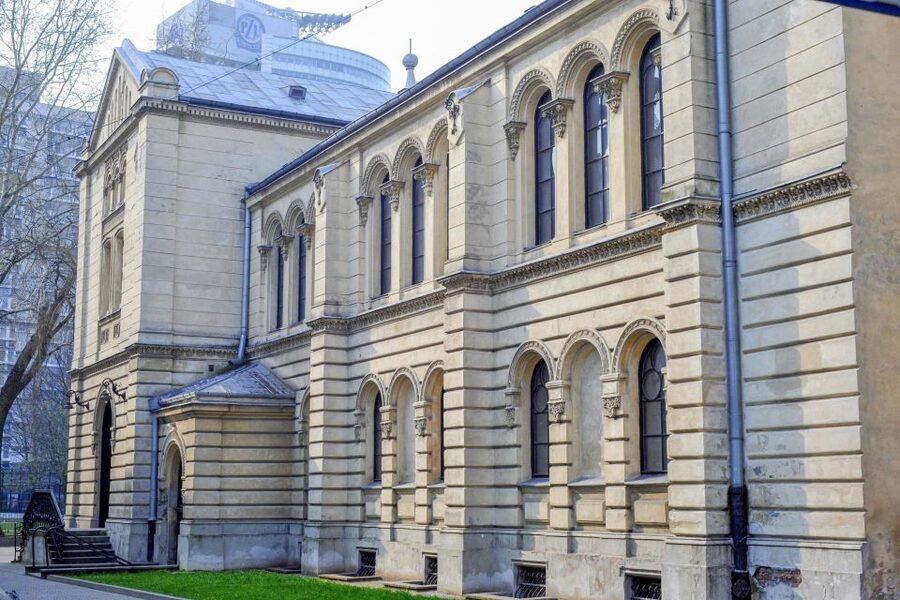
POLIN Museum of the History of Polish Jews is a modern museum experience, and it changes the whole day if you include it. The ghetto walk helps you understand where and how life was restricted. POLIN Museum helps you understand the broader arc of Polish Jewish life, culture, and history before, during, and after the war.
On the 5-hour tour, your POLIN Museum tickets are provided with skip-the-line access to the ticket office. It does not skip entrance and security checks, so plan for normal museum screening. Still, saving time at the ticket counter is real value, especially if you are visiting during busy hours.
POLIN Museum admission included on this plan covers the main exhibition, the ongoing temporary exhibition, and the Heritage Gallery. I like that mix because it is not only about wartime tragedy. It supports a fuller understanding of what was lost and what endured.
One practical thing: this museum can easily take longer than you expect. Even when you have a scheduled walking tour day, POLIN rewards patient viewing. If you love learning through artifacts, interactive exhibits, and clear narrative sections, this part is often the highlight.
Price, time, and value around $112 per person
At about $112 per person, this tour sits in the mid-to-premium range for Warsaw. The value depends on which option you choose.
For the 2-hour ghetto-only walk, you are paying primarily for a licensed expert guide plus a private format that keeps the pace respectful and flexible. That is a fair deal if you are focused on the core sites, and you are happy to handle museum tickets separately.
The better value is usually the 3-hour and 5-hour combinations. On those options, the price ties in meaningful inclusions: cemetery entry plus transport to reach it, and on the 5-hour option, skip-the-line POLIN Museum ticketing. You are also paying for time. A private guide that can connect the streets to the cemetery and museum content saves you from piecing the history together yourself.
Also, the high rating is a signal worth respecting. With an average rating of 4.8 across more than one hundred reviews, it suggests consistent guide quality, clear explanations, and good pacing.
Practical tips so your day stays smooth
This tour hits important themes, so you want the logistics to behave.
Wear comfortable shoes for the walking portion. Expect you will be on your feet for the ghetto route before shifting to the cemetery and possibly the museum. Also, plan for weather. Warsaw can be breezy or rainy, and you do not want cold wet feet to distract you.
Bring a small bottle of water if you can, especially if you are doing the full day version. Take a breath between stops. The memorial sites can feel emotionally heavy, and a quick pause helps you absorb what the guide is saying.
One more tip: check your email the day before the tour. Important timing details usually arrive there, and you do not want to show up guessing.
If your chosen language is not English, still arrive ready to listen closely. The tour depends on the guide’s clarity, and the best sessions are the ones where the guide’s phrasing matches the moment.
Should you book this Warsaw ghetto, cemetery, and POLIN private tour?
Book it if you want a guided, street-based explanation of the Warsaw Ghetto that does not stop at monuments. You get a clear route with meaningful stops like the boundary markers, the Monument to the Ghetto Heroes, Anielewicz Mound at Mila 18, and the Umschlagplatz Monument. For me, that sequence is the core reason this works.
Upgrade to the 3-hour or 5-hour option if you want the story to keep expanding. The Muranow Jewish Cemetery adds a long view and a human-scale reminder of lives and community memory. The POLIN Museum inclusion on the 5-hour plan adds the broader context that makes the ghetto story easier to place in time and culture.
Skip this tour only if your schedule is tight and you know you do not want cemetery or museum stops. In that case, the 2-hour walk can still be meaningful, as long as you accept that cemetery and POLIN entry are not included.
FAQ
How long is the tour?
The tour duration depends on the option you choose, ranging from 2 hours up to 5 hours.
Is this a private tour?
Yes, it is a private group tour.
Where do we meet the guide?
Meet your guide next to the anchor monument in front of the main entrance to Katedra Polowa Wojska Polskiego (Field Cathedral of the Polish Army), Długa 13/15, 00-238 Warsaw.
Does pickup from a hotel cost extra?
Pickup is included only if your accommodation is in Old Town and within 1.5 km of the meeting point.
What is included in the 2-hour option?
The 2-hour option includes the private walking tour of the former Warsaw Ghetto sites, but tickets to the Jewish Cemetery and POLIN Museum are not included.
Is the Jewish Cemetery ticket included?
Entry to the Warsaw Jewish Cemetery with a 1-way public transport ticket is included only in the 3-hour and 5-hour options.
How do we get to the Jewish Cemetery?
For the 3-hour and 5-hour options, the tour provides tickets for public transport to reach the cemetery, since it is outside the city center.
Is skip-the-line access included for POLIN Museum?
Skip-the-line tickets to POLIN Museum are included only for the 5-hour option. These skip the line at the ticket office, but not at the entrance and security checks.
What languages are available?
The live guide is available in Spanish, English, French, German, Italian, Polish, and Russian.
Can I cancel if my plans change?
Yes, there is free cancellation up to 24 hours in advance for a full refund. You can also reserve now and pay later.
More Tour Reviews in Warsaw




Warsaw, Keep Looking
Jewish Heritage and Ghetto Routes in Warsaw


Recently written up around Warsaw



More Jewish Heritage and Ghetto Tours.
 ★ 4.7Schindler’s Factory & Ghetto Guided TourFrom $571,694 reviews
 ★ 4.9Jewish Quarter and Former Ghetto TourFrom $191,441 reviews
 ★ 4.9Bike Tour of Old Town, Jewish Quarter and the GhettoFrom $371,155 reviews
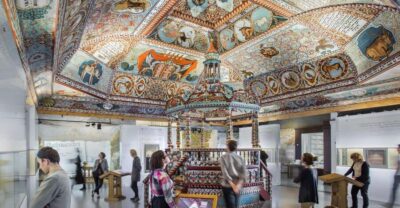 ★ 4.7POLIN Museum of the History of Polish Jews TicketFrom $121,142 reviews
 ★ 4.8Kazimierz, Schindler’s Factory & Ghetto Guided TourFrom $81460 reviews
 ★ 5.0Full Bike Tour – the Old Town, Jewish Qtr & the Ghetto NEW BIKESFrom $35437 reviews
 ★ 4.9Warsaw Ghetto Private Walking Tour with Hotel PickupFrom $84369 reviews
 ★ 4.9Bike Tour of the Old Town, Kazimierz, and the GhettoFrom $26350 reviews
Also on these Poland lists