
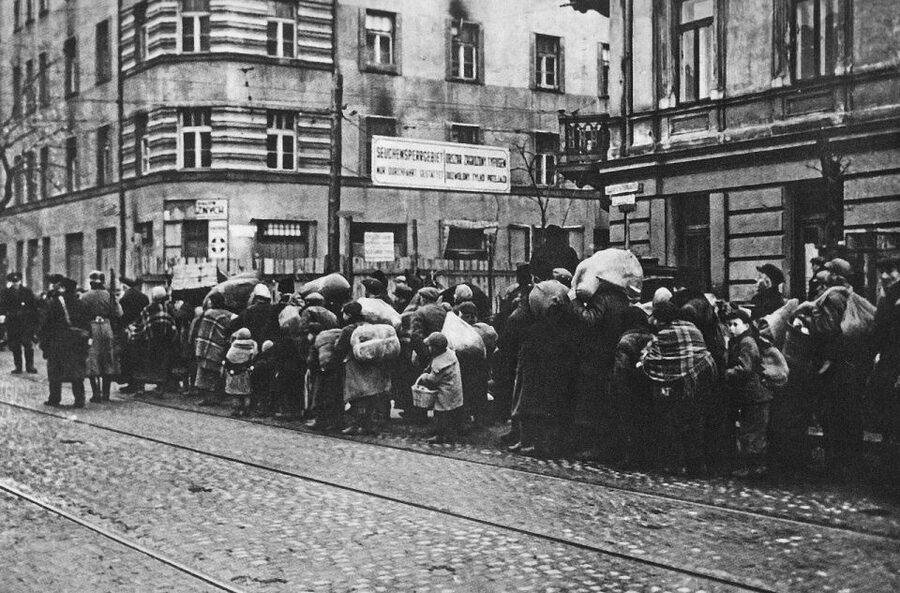
REVIEW · JEWISH HERITAGE AND GHETTO TOURS
Warsaw Daily Jewish Ghetto Guided Tour with Jewish Cemetery
Ghetto streets still feel alive. This 3-hour Warsaw walk through the former Jewish Ghetto in Moranow pairs street-level remains with a serious ending at the Jewish Cemetery.
I really like the setup: a small group of up to 15 keeps the pace human, and you get a licensed, English-speaking guide who explains the events step by step.
One thing to consider, especially for planning your day: the cemetery is closed on Saturdays, so the tour swaps in All Saints Church instead.
Key highlights to know before you go
- Small group feel: up to 15 people, so questions stay in the conversation
- Moranow, the ghetto heart: see the neighborhood where hundreds of thousands were forced into a closed area
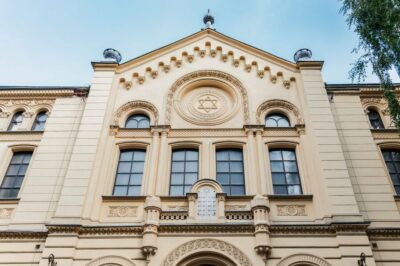
- Nozyk Synagogue stop: the only surviving prewar synagogue in Warsaw
- Clear WWII story: persecution, creation of the ghetto, the Final Solution plan, and the Warsaw Ghetto Uprising
- Jewish Cemetery visit: included entrance tickets, with a Saturday alternative at All Saints Church
In This Review
- Walking the Warsaw Ghetto, Not Just Reading About It
- Moranow District and the Ghetto Walls: Where Boundaries Mattered
- How Your Guide Brings the WWII Timeline Into Focus
- Nozyk Synagogue: The One Prewar Piece Still Standing
- The Jewish Cemetery Stop, and the Saturday Church Swap
- Price and What Makes This Tour Feel Like Value at $131
- Logistics That Can Affect Your Day (Without Making It a Headache)
- Who Should Book This Warsaw Ghetto and Cemetery Tour
- Should You Book It?
- FAQ
- Where is the meeting point for the tour?
- How long is the Warsaw Jewish Ghetto guided tour with Jewish Cemetery?
- Is the tour offered in English?
- What area of Warsaw does the tour focus on?
- Do I visit the Jewish Cemetery on every day?
- Are Jewish Cemetery entrance tickets included?
- How big is the group?
- Is payment flexible and is there free cancellation?
Walking the Warsaw Ghetto, Not Just Reading About It
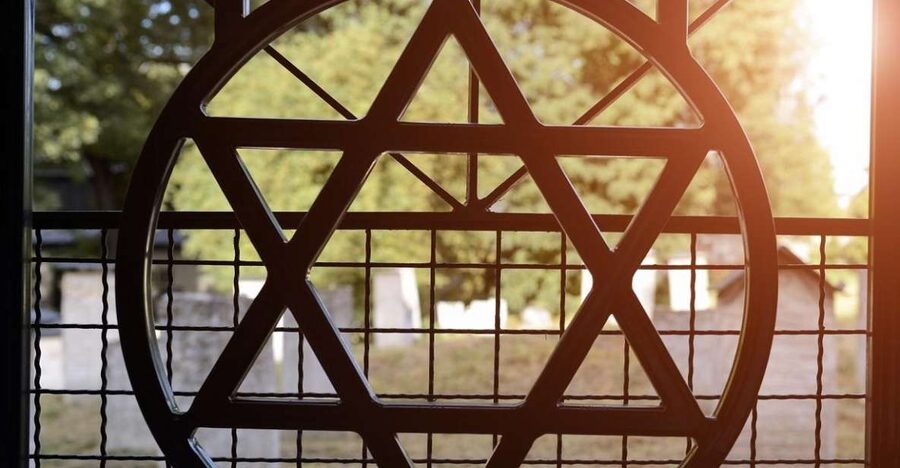
Warsaw has plenty of memorials and museum stops, but this tour gives you something different: a guided walk that connects buildings and street corners to what happened there. The focus is Moranow, where the largest Jewish ghetto in Europe during WWII was located, and where daily life was intentionally narrowed down to survival.
You start on a practical note, meeting in front of the InterContinental Hotel on Emilii Plater 49. Don’t go inside the hotel. It’s just a landmark to gather, then you move out together as a group.
The emotional tone is serious from the first steps. You’re not just “seeing history,” you’re walking through a district where the story involved mass confinement, starvation, disease, forced labor, and genocide. Expect your guide to set context early so you can follow the timeline and understand how the pieces fit.
And because it’s a small group, it feels less like a rushed checklist and more like guided orientation, which matters a lot on a topic this heavy.
Further Jewish heritage and ghetto routes documented in Warsaw
- Warsaw: POLIN Museum of the History of Polish Jews Ticket
★ 4.7 · 1,142 reviews - Warsaw: Warsaw Ghetto Private Walking Tour with Hotel Pickup
★ 4.9 · 369 reviews - Warsaw: Jewish History Guided Walking Tour in English
★ 4.7 · 324 reviews - Private Tour: Warsaw’s Jewish Heritage by Retro Fiat
★ 5.0 · 208 reviews
Moranow District and the Ghetto Walls: Where Boundaries Mattered
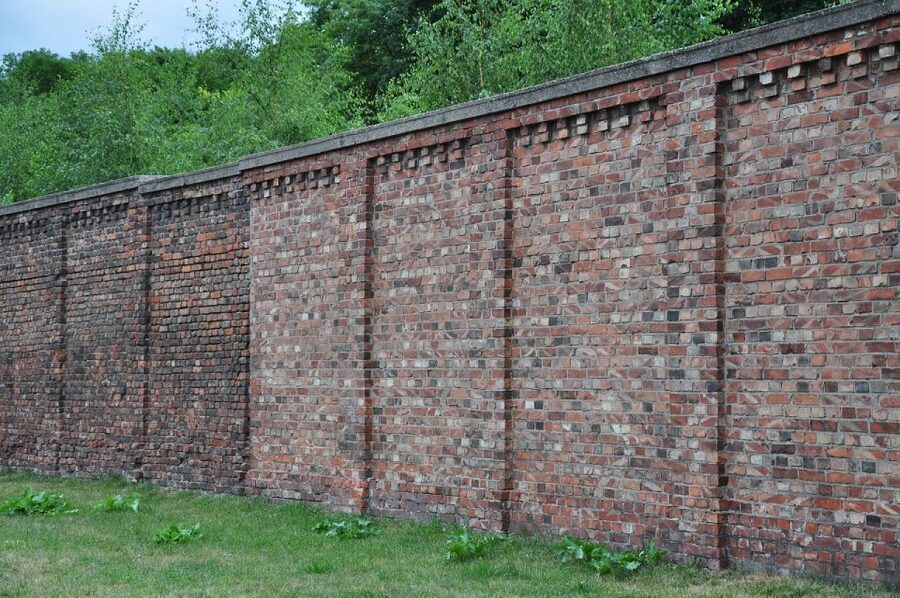
The heart of the tour is the former ghetto area in the Moranow district. This is where the numbers you hear in classrooms become concrete. The ghetto was designed as a closed space of about four square kilometers, holding more than 400,000 Jews from Warsaw.
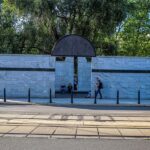
On the street, your guide points out the remains of the ghetto walls and the old houses where people lived. Those details are what make the story land. You start to see how “sealed in” wasn’t an idea, it was a daily reality, reinforced by physical barriers and enforced control.
Your guide will also bring in key tragic outcomes so the ghetto story isn’t treated like a single chapter with a clean ending. In the ghetto, 100,000 people died from exhaustion, hunger, disease, and other brutal conditions. And outside the ghetto, the violence continued, with over 300,000 killed at the nearby Treblinka extermination camp.
Here’s what I think you should take from that. This tour helps you understand that the ghetto was not only a holding area. It was part of a system, one that served the Nazi plan in stages. Once you learn that logic, you’ll notice how your guide connects street-level sights to the bigger machinery of persecution.
There’s also a practical side. Since the tour lasts 3 hours, you get enough time to see key points without turning this into an all-day marathon. It’s long enough to feel coherent, short enough to stay focused.
How Your Guide Brings the WWII Timeline Into Focus
The quality of a ghetto tour lives or dies on explanation. On this one, the emphasis is on how and why the ghetto was created, and how Nazi policy turned into mass destruction.
Your licensed guide covers:
- the persecution of Jews in German-occupied Poland
- the creation of the ghetto
- the Nazi Final Solution plan
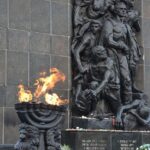
- the Warsaw Ghetto Uprising of 1943, including the heroes of the uprising
What I like about this approach is that it avoids vague storytelling. You aren’t only told that terrible things happened. You’re helped to understand how persecution escalated, and how the uprising emerged as people tried to resist even when the odds were impossible.
If you’re coming into Warsaw with basic knowledge, you’ll likely appreciate the structure. If you’re starting from scratch, you’ll still get the timeline laid out in a way that makes the street scenes intelligible.
And based on what I’ve heard from guides in this tour style, guides like Anna and Ewa are known for being both personable and exacting about facts, with stories that put events into human terms. That combination is a big deal. You want respect, yes, but also clarity.
Nozyk Synagogue: The One Prewar Piece Still Standing
One stop that really changes the mood is the visit to the Nozyk Synagogue. It’s described as the only surviving prewar synagogue in Warsaw. That makes it more than a pretty detail. It’s a rare physical link to Jewish religious life before the destruction.
Standing near this kind of landmark, you get a reminder that the ghetto was not the start of the story. Jewish communities in Warsaw had culture, faith, institutions, and daily rhythms long before WWII. The tour helps you see that the persecution was not an abstract shift. It targeted a living community.
If you like history you can point to, this is the kind of stop that works. It gives you a “before” to balance all the “after” you’ll hear about.
It also helps you pace your thinking. After walking through confinement and loss, you get a moment where you can anchor the story in something enduring, even if the context remains tragic.
The Jewish Cemetery Stop, and the Saturday Church Swap
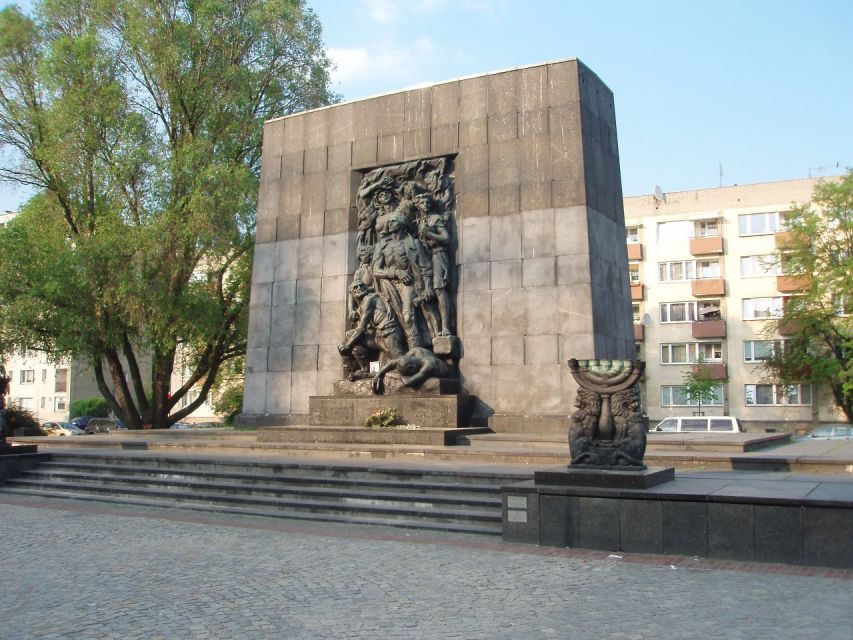
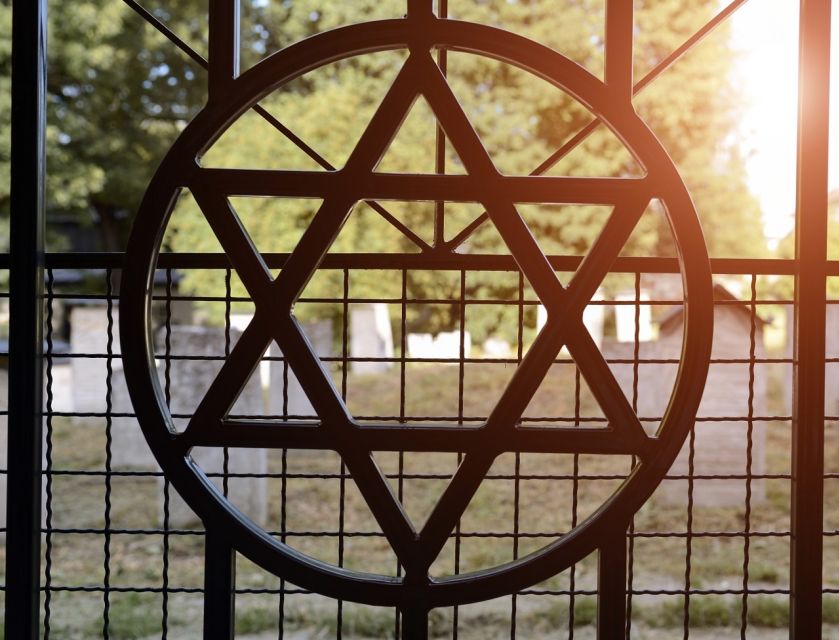
The final major stop is the Jewish Cemetery. You’ll enter as part of the tour, with entrance tickets included. Your guide shares stories connected to Polish-Jewish spiritual leaders, political activists, creators of Jewish culture, and the many nameless victims of the ghetto.
This is the moment where the tour’s tone becomes most personal. You’re not just hearing about history in the abstract. You’re being guided through the idea that identity, community roles, and lives were erased, and that remembrance is part of how the story stays real.
Two important planning notes:
- The cemetery is the final stop on regular days.
- On Saturdays, the cemetery is closed, so the tour visits All Saints Church instead.
All Saints Church is described as closely related to Jewish history, so you’ll still get connected stories, plus the architectural experience that comes with a church stop. It’s not the same as the cemetery, but it’s a smart alternative that keeps the tour coherent when the cemetery can’t be visited.
If the Jewish Cemetery is the whole reason you booked, double-check your travel dates. It’s the kind of thing that can change your satisfaction level even if the guide is excellent.
Warsaw rebuilt itself twice over. Here is how else we saw it
- Warsaw: Chopin Concert in the Old Town★ 4.8 · 2,287 reviews
- Warsaw: Traditional Galar Cruise on The Vistula River★ 4.6 · 1,640 reviews
- Warsaw: Old Town Highlights Walking Tour in English★ 4.7 · 1,516 reviews
- Warsaw Concert: Chopin – Painted by Candlelights with Wine★ 4.8 · 1,442 reviews
- Warsaw: City Sightseeing Hop-On Hop-Off Bus Tour★ 3.6 · 1,415 reviews
Price and What Makes This Tour Feel Like Value at $131
At $131 per person for a 3-hour guided walk plus cemetery entry, this isn’t a budget tour. But the price makes sense when you look at what’s included and what you avoid.
You get:
- a licensed guide
- a small group (up to 15 people)
- lots of WWII and Holocaust-focused explanation
- entrance tickets to the Jewish Cemetery (and a Saturday alternative)
- skip-the-ticket-line for the cemetery
Here’s the value angle for you. In a topic like this, the guide matters as much as the sights. A smaller group usually means fewer distractions and more opportunity for the guide to clarify details and answer questions. And avoiding the ticket line saves time you may want to spend inside the most meaningful part of the tour.
Also, the tour’s structure is efficient. Three hours is long enough to cover multiple layers of the story, including Moranow, the Nozyk Synagogue, and the cemetery segment. You don’t have to piece together separate tickets, guides, and schedules.
One more point: the small-group format seems to create a relaxed feel when headcounts are low. In at least one experience with only two people on the tour, the atmosphere was described as relaxed. That’s not something you should expect every time, but it’s a good sign that the tour is set up for human pacing rather than factory-line speed.
Logistics That Can Affect Your Day (Without Making It a Headache)
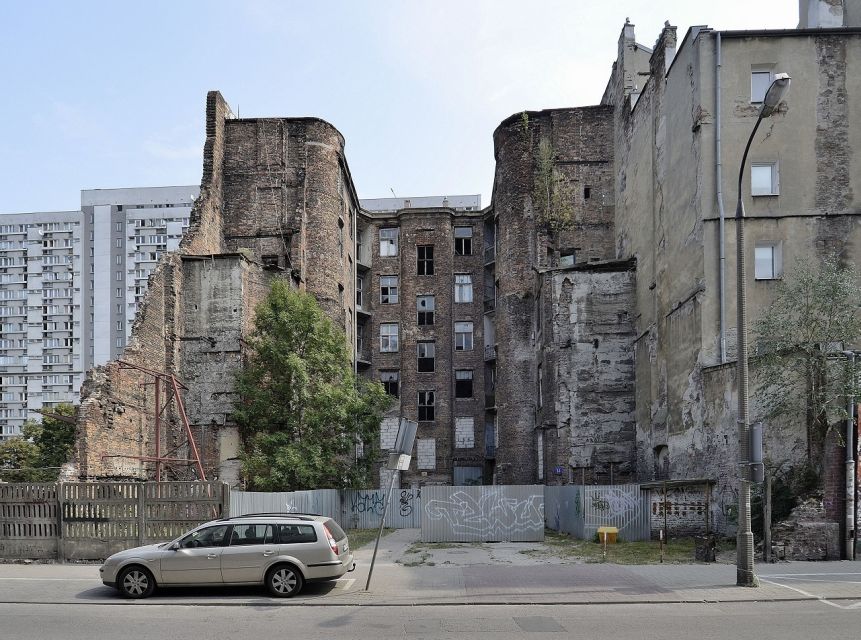
The big logistics are simple, and they matter more on this topic because you don’t want to miss stops.
- Arrive on time. Being late may prevent you from joining.
- Check your email the day before. You’ll receive important information.
- Bring an eye for details. Your guide will point out ghetto remnants and meaningful sites. If you show up scanning your phone nonstop, you’ll miss what the tour is trying to teach.
Since it’s an English-language tour, you won’t have to worry about translating your way through concepts like the ghetto creation and the Nazi plan.
It’s also listed as wheelchair accessible. That matters if you use a mobility aid, and it also suggests the walking pace is managed for a mixed group.
Who Should Book This Warsaw Ghetto and Cemetery Tour
This tour is a strong match if you want:
- a guided, fact-focused walk through the Warsaw Ghetto in Moranow
- a clear timeline connecting persecution, the ghetto, and the Warsaw Ghetto Uprising
- a meaningful ending at the Jewish Cemetery, with stories linked to Polish-Jewish cultural and political life
- a smaller group experience where you can actually understand what you’re seeing
It may not be the best fit if:
- you prefer a purely reflective self-guided visit, without explanation
- you don’t want to hear the WWII persecution and Holocaust details
- you’re booking for a Saturday and the cemetery itself is non-negotiable for you
If you’re the type who likes to get oriented quickly, this works especially well early in your Warsaw trip. Once you understand the geography of the ghetto area and the key sites, you’ll read the city differently later.
Should You Book It?
I think this is worth booking if you want a guided Warsaw ghetto experience that connects street-level remains to the larger WWII story. The small group size, the licensed English guide, and the combination of ghetto sights plus the Jewish Cemetery stop create a learning arc that feels complete in just 3 hours.
Book it especially if:
- you care about clarity, not just general facts
- you want to see the Nozyk Synagogue and ghetto walls as part of one narrative
- you’d rather do a calmer group walk than squeeze into larger crowds
I’d hold off or choose dates carefully if your plan hinges on visiting the Jewish Cemetery itself. On Saturdays, you’ll go to All Saints Church instead.
If you line up your timing and arrive ready to listen, you’ll come away with a sharper understanding of how Warsaw’s ghetto shaped lives and how resistance and remembrance continue to matter.
FAQ
Where is the meeting point for the tour?
Meet your guide in front of the InterContinental Hotel, Emilii Plater 49, 00-125 Warsaw. Do not enter the hotel, it is only a meeting point.
How long is the Warsaw Jewish Ghetto guided tour with Jewish Cemetery?
The tour lasts 3 hours.
Is the tour offered in English?
Yes, the live tour guide is listed as English.
What area of Warsaw does the tour focus on?
The tour focuses on the Moranow district, where the largest Jewish ghetto in Europe during World War II was located.
Do I visit the Jewish Cemetery on every day?
The cemetery is closed on Saturdays, so on those days you will visit All Saints Church instead.
Are Jewish Cemetery entrance tickets included?
Yes, entrance tickets to the Jewish Cemetery are included.
How big is the group?
This is a small group tour with up to 15 participants.
Is payment flexible and is there free cancellation?
Free cancellation is offered up to 24 hours in advance for a full refund, and you can reserve now and pay later.
More Tour Reviews in Warsaw



Warsaw, Keep Looking
Jewish Heritage and Ghetto Routes in Warsaw

Recently written up around Warsaw


More Jewish Heritage and Ghetto Tours.
 ★ 4.7Schindler’s Factory & Ghetto Guided TourFrom $571,694 reviews
 ★ 4.9Jewish Quarter and Former Ghetto TourFrom $191,441 reviews
 ★ 4.9Bike Tour of Old Town, Jewish Quarter and the GhettoFrom $371,155 reviews
 ★ 4.7POLIN Museum of the History of Polish Jews TicketFrom $121,142 reviews
 ★ 4.8Kazimierz, Schindler’s Factory & Ghetto Guided TourFrom $81460 reviews
 ★ 5.0Full Bike Tour – the Old Town, Jewish Qtr & the Ghetto NEW BIKESFrom $35437 reviews
 ★ 4.9Warsaw Ghetto Private Walking Tour with Hotel PickupFrom $84369 reviews
 ★ 4.9Bike Tour of the Old Town, Kazimierz, and the GhettoFrom $26350 reviews
Also on these Poland lists