
REVIEW · JEWISH HERITAGE AND GHETTO TOURS
Warsaw Jewish Heritage Private Tour in Retro Fiat
That retro Fiat turns a heavy story into something personal. This private, 4-hour Warsaw tour guides you through key places of the city’s Jewish history, with real WWII-era remains still visible today, plus a modern memorial you can actually visit and understand. You’ll also get the practical comfort of hotel pickup and drop-off, and the chance to adjust the route if there are specific spots you care about.
I especially like the mix of surviving sites and historical interpretation, from the Nożyk’s Synagogue to fragments of the ghetto wall. I also like the human scale of seeing these places up close in a vintage 125p, with snacks and a souvenir photo with the car. Based on what guides like Martin, Maks, and Konrad have done well for past groups, the explanations can stay clear, focused, and patient.
The main thing to consider is the moderate walking, including time on foot around the cemetery area and memorial zones. If you’re visiting on a Saturday, remember the synagogue and cemetery are closed, so your best plan is to book for another day.
In This Review
- Key highlights you will actually remember
- Why a vintage Fiat 125p makes this ghetto tour feel human
- Getting picked up in central Warsaw, then easing into WWII context
- Nożyk’s Synagogue and Grzybowski Square: the survivor story you can see
- The ghetto wall fragments: what red brick can still tell you
- Muranów district and the Jewish Cemetery walk
- Ghetto Heroes Monument, then the Museum option if you want more depth
- Where The Pianist locations fit into your route
- Price and value: what makes $105 per person make sense
- Practical tips: shoes, cold weather, and Saturday closures
- Who this tour fits best
- Should you book this Warsaw Jewish Heritage Private Tour in Retro Fiat?
- FAQ
- How long is the Warsaw Jewish Heritage Private Tour in Retro Fiat?
- What is included in the price?
- How much does it cost?
- What are the main sights on the itinerary?
- Are entrance fees included?
- Is the Museum of the History of Polish Jews included?
- What kind of vehicle is used?
- Is there walking involved?
- Is the tour available in English?
- Are there any closures I should know about?
Key highlights you will actually remember
- Nożyk’s Synagogue, still operating today, and the only Warsaw synagogue to survive WWII
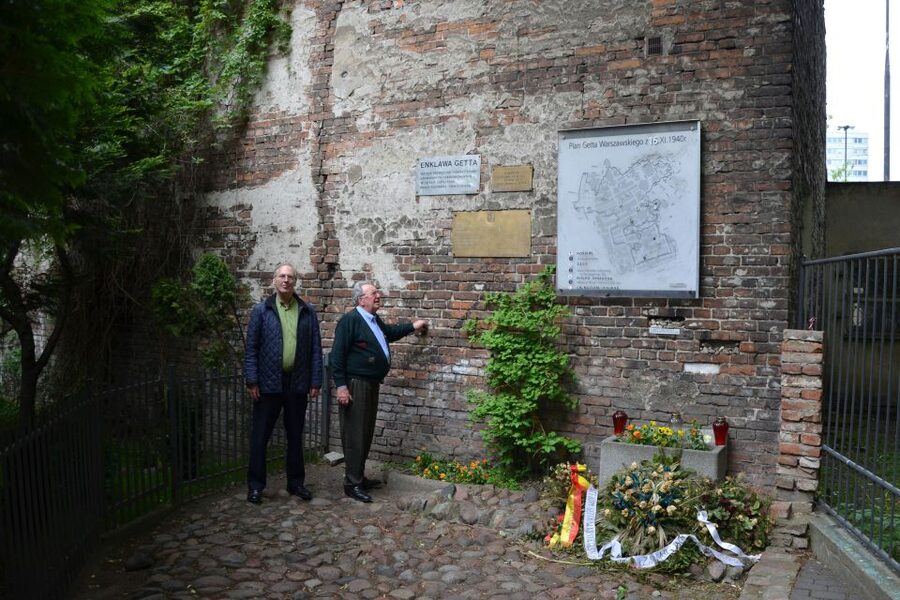
- Ghetto wall fragments, red brick remnants built in 1940 that helped isolate more than 400,000 Jews
- Ghetto Heroes Monument, a powerful stop designed to be more than a quick photo moment
- Jewish Cemetery in Muranów, where graves make the history feel tangible
- Museum of the History of Polish Jews nearby, optional if you want to go deeper
- Retro Fiat 125p ride, including onboard snacks, a vodka shot, and a car photo you’ll receive afterward
Further Jewish heritage and ghetto routes documented in Warsaw
- Warsaw: POLIN Museum of the History of Polish Jews Ticket
★ 4.7 · 1,142 reviews - Warsaw: Warsaw Ghetto Private Walking Tour with Hotel Pickup
★ 4.9 · 369 reviews - Warsaw: Jewish History Guided Walking Tour in English
★ 4.7 · 324 reviews - Private Tour: Warsaw’s Jewish Heritage by Retro Fiat
★ 5.0 · 208 reviews
Why a vintage Fiat 125p makes this ghetto tour feel human
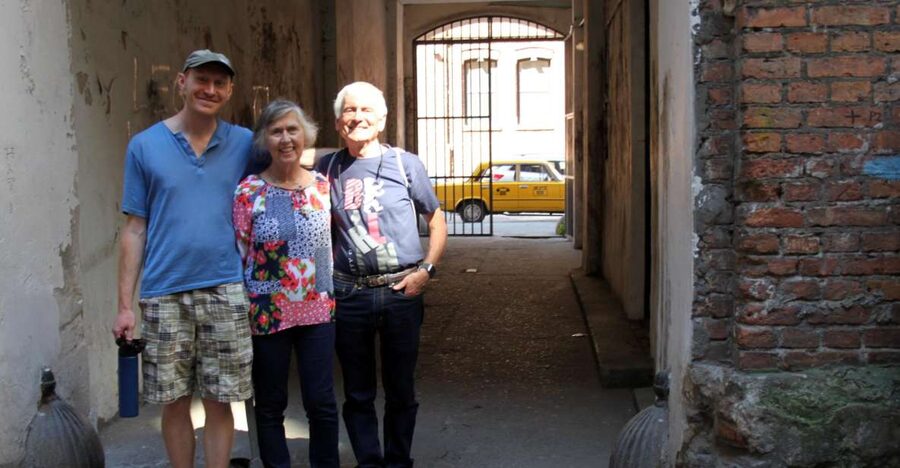
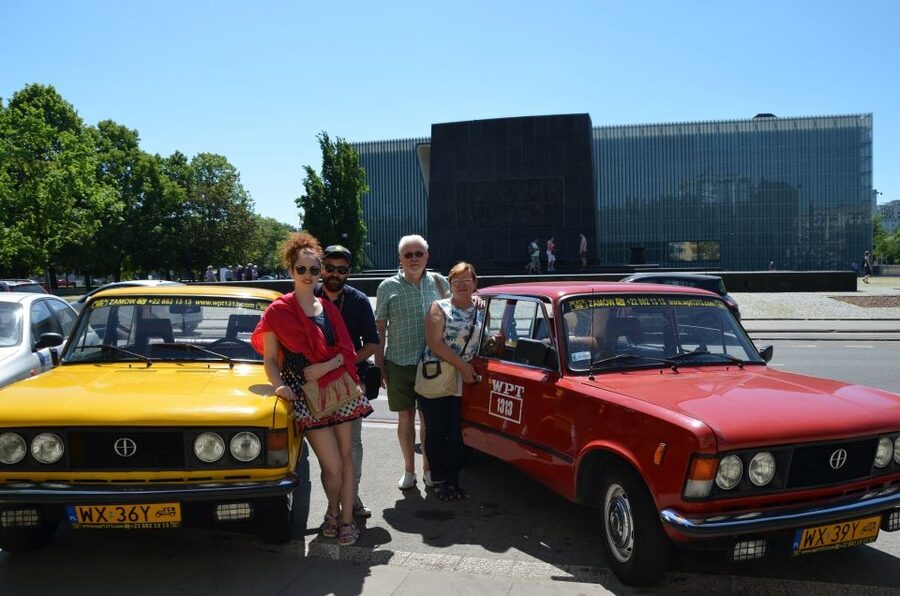
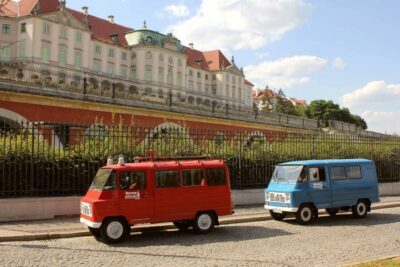
This is a private tour, but the real twist is the car. Boarding a historical Fiat 125p gives you a different rhythm than a standard van. You slow down, you look longer, and the drive time becomes part of the learning, not wasted time.
I also like that the retro vehicle helps you stay oriented. Warsaw’s streets can feel complicated, but moving through recognizable neighborhoods in one vehicle with one guide makes it easier to connect what you see on foot to what you pass by from the road.
One extra detail that matters in practice is the onboard break. Snacks like Polish sweets and a donut, plus a vodka shot on board, help you stay energized during a half walking, half driving route.
Getting picked up in central Warsaw, then easing into WWII context
Your day starts with hotel pickup in central Warsaw. You meet your driver-guide and then you head out in the Fiat 125p. The route can also be adjusted based on what you want to see, which is useful if you are particularly focused on memorials, film locations, or synagogue history.
A good guide can set the tone fast, and this tour format helps. When the explanation begins early, the sites you visit later land with more meaning. Past experiences with guides such as Martin, Maks, and Konrad point to the same pattern: clear explanations, friendly pacing, and willingness to handle details so you spend your time on the places that count.
Time-wise, it’s a 4-hour private experience. That length is long enough to get out of the usual “drive by and move on” mode, but short enough that you do not need to block your whole day in Warsaw.
Nożyk’s Synagogue and Grzybowski Square: the survivor story you can see
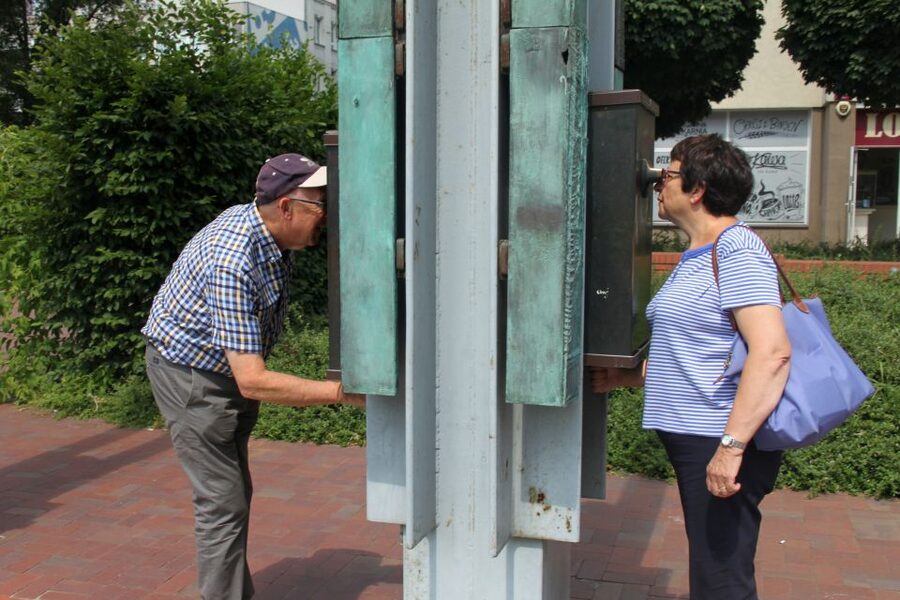
Nożyk’s Synagogue is one of the hardest stops to fake. You’re not just reading about survival, you’re standing in a synagogue that is still operating, and it’s described as the only one in Warsaw to survive WWII. Even if you know the basics, seeing it in person tends to snap the story into focus.
On the way there, you pass Grzybowski Square (Plac Grzybowski), a place that was once part of the ghetto. This kind of “bridge stop” matters. It helps you understand that the ghetto was not a single fenced area in a vacuum, it was embedded into street life and neighborhood geography.
There is also a practical benefit to having a guide who works with real-world constraints. One past review noted a guide who worked persistently to help a visitor get into the synagogue when entry can be tricky. So if you care about going beyond the exterior view, this tour is the right structure.
Tip for planning: the synagogue is closed on Saturdays. If your dates include Saturday, you may need to adjust your schedule to get the most out of the visit.
The ghetto wall fragments: what red brick can still tell you
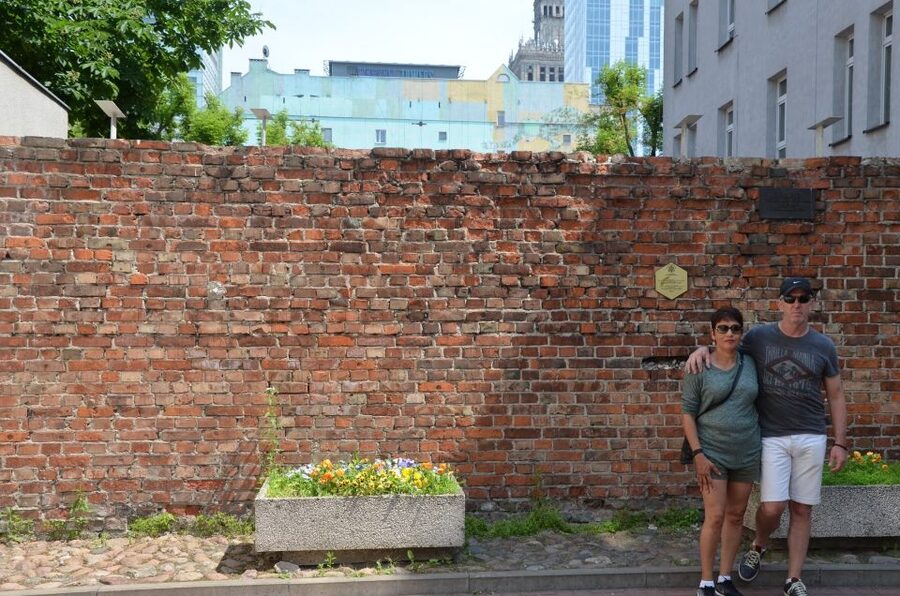
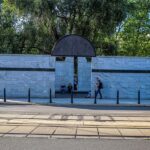
Next comes a stop that is both sobering and oddly concrete: the remnants of the ghetto wall. These red-brick pieces, built in 1940, were part of the system that effectively isolated more than 400,000 Jews from the rest of the city.
What I like about this stop is that it anchors the story in materials. The ghetto was a human tragedy, but it was also an engineered separation. Seeing the physical wall fragments gives you a visual handle when your brain tries to picture scale.
This is also one place where a good guide earns their pay. You want someone who can connect the wall to what life meant inside, without turning it into a lecture. The strongest tours keep the tone respectful and the focus specific.
Because there is moderate walking built into the schedule, wear comfortable shoes even if the route is mixed with driving. It’s not a long hike, but it is enough walking that your feet will notice if you show up unprepared.
Warsaw rebuilt itself twice over. Here is how else we saw it
- Warsaw: Chopin Concert in the Old Town★ 4.8 · 2,287 reviews
- Warsaw: Traditional Galar Cruise on The Vistula River★ 4.6 · 1,640 reviews
- Warsaw: Old Town Highlights Walking Tour in English★ 4.7 · 1,516 reviews
- Warsaw Concert: Chopin – Painted by Candlelights with Wine★ 4.8 · 1,442 reviews
- Warsaw: City Sightseeing Hop-On Hop-Off Bus Tour★ 3.6 · 1,415 reviews
Muranów district and the Jewish Cemetery walk
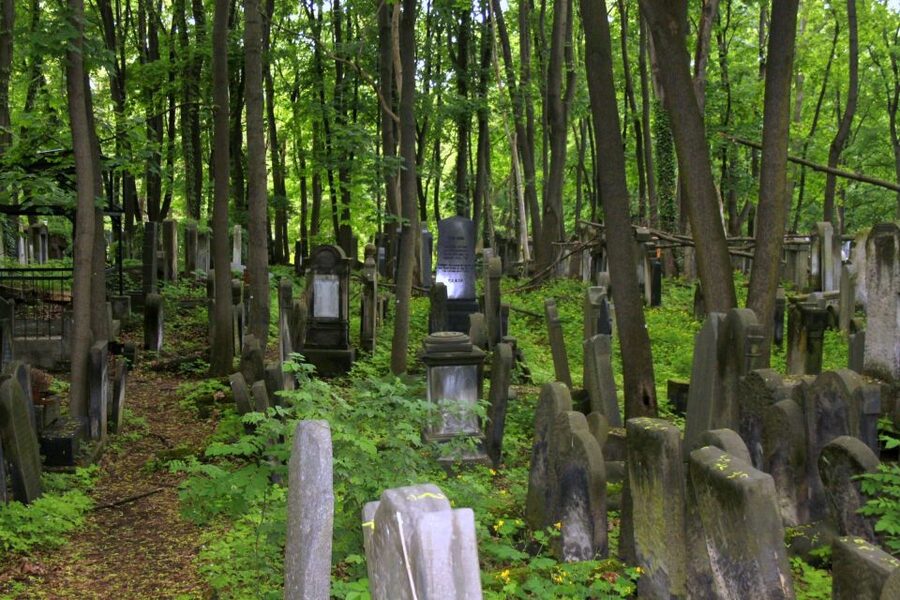
After the wall area, you go deeper into the former Jewish Ghetto territory, including the Muranów district. The tour describes this area as built on the rubble of the ghetto, and today it has street art and modern buildings. That contrast is jarring on purpose, but it can also make the past feel easy to dismiss if you do not have context.
A guide helps you read the space correctly. You are not just sightseeing murals or modern facades, you are walking on a layer of history that survived by being rebuilt on top.
From there, you park and take a walk around the Jewish Cemetery. This is one of those stops where the sheer number of graves makes everything else feel smaller. It helps many people understand that this was not only an event in time, it was a long relationship between community, faith, family, and place.
A note on closures again: the cemetery is also closed on Saturdays. If you want this part of the tour, choose a day when you can actually enter and walk.
Ghetto Heroes Monument, then the Museum option if you want more depth
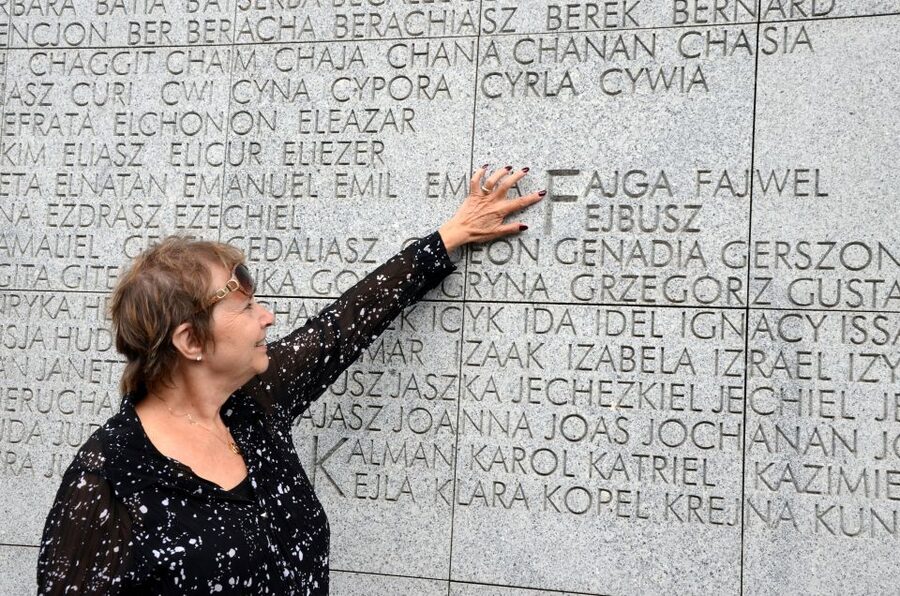
The Ghetto Heroes Monument is a major emotional anchor. It is impressive in scale, but more importantly, it is designed to confront you with remembrance and loss in a way that feels structured, not random. This is the kind of monument where you can stand longer and still feel like you’re learning something.
Right nearby is the Museum of the History of Polish Jews, which opened in 2013. The tour includes time for it if you want to visit, and it’s described as an acclaimed modernist museum that documents about 1,000 years of Polish Jewish life through artifacts and imagery.
Entrance fees are not included, so plan for that if you decide to go in. The upside is that the museum can turn your understanding from “these were the places” into “here is how the story developed over centuries.” If you only want the core sites, you can keep it to the outdoor memorial focus.
If you do choose the museum, it’s best to mentally switch gears. Outdoors, the learning is spatial. Indoors, it becomes narrative and archival. Having a guide to point out what to prioritize saves a lot of time when you are standing in a room full of material.
Where The Pianist locations fit into your route
If you’re a film fan, you can ask your guide to include places used in Roman Polanski’s Oscar-winning movie, The Pianist. The tour also mentions possible settings in Praga-North (Praga-Północ).
This part can work in two ways. First, it helps some people locate the geography of wartime Warsaw. Second, it gives you a way to connect the emotional story of the film to the physical city you are standing in.
One caution: keep your expectations realistic. Film scenes are often composites of locations, and movie scenes are framed for storytelling. The guide can help you see what is actually used and what is inspired, so you get the benefit without confusion.
Ask for this during your planning conversation with the guide, since the route can be adjusted. If you care about specific scenes, say so early.
Price and value: what makes $105 per person make sense
At $105 per person for a 4-hour private tour, this is not a budget bus ride. But you are paying for several things at once: a private local guide, hotel pickup and drop-off in central Warsaw, and transport in a Fiat 125p.
You also get tangible extras that matter when you are traveling in cold or busy conditions. There are snacks on board, a vodka shot on board, and you receive photos after the tour, including a souvenir photo with your car. Those add-ons might look small on paper, but they reduce the friction that usually comes with private tours.
Entrance fees are not included, so factor that in if you plan to enter the synagogue, the cemetery, and the museum. Still, the “value” here is that you’re not navigating alone. You have someone handling the pacing, the explanations, and the route logic so you can focus on the sites.
If your top priority is history plus comfort plus minimal stress, this price can feel fair. If your priority is only the cheapest way to see a few memorials, there are certainly other options. But the retro-car format and private guide are the point of this experience.
Practical tips: shoes, cold weather, and Saturday closures
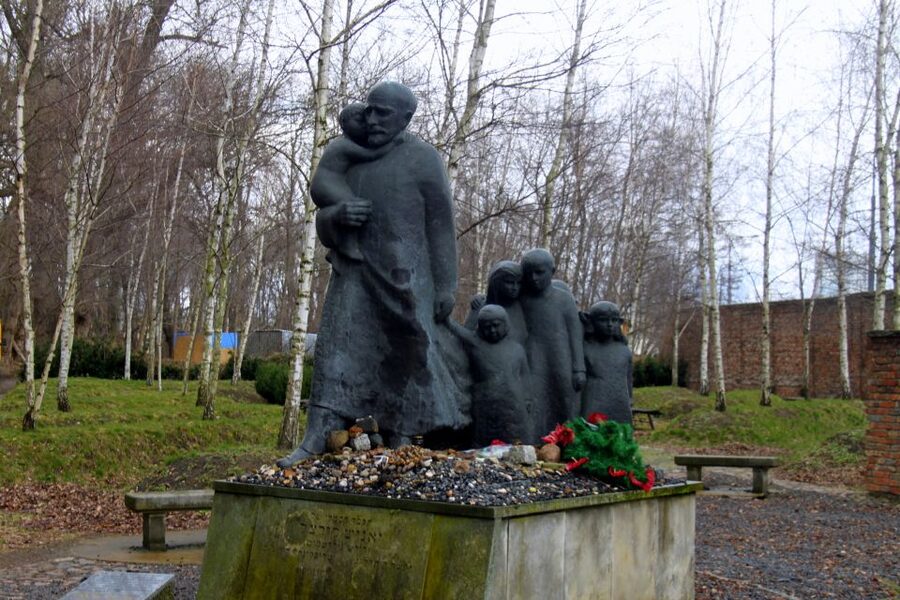
Bring comfortable shoes. The tour requires a moderate amount of walking, and it includes time around the cemetery and memorial areas, not just seated driving.
Also, plan for weather. One recent verified review called out that the experience worked well even in cold weather, so the tour has a setup that can handle winter days. Still, dress for standing outside in Poland’s weather, and keep layers handy.
Saturday closures are a big planning factor. The synagogue and cemetery are closed on Saturdays. If your travel calendar includes Saturday, you may need to shift the tour to a weekday to see the core indoor parts.
One more small detail: pets are not allowed. If you’re traveling with an animal, it will affect your feasibility.
Finally, keep your camera ready. The tour includes photos and also takes a souvenir shot of you with the Fiat during the tour, which then gets emailed afterward.
Who this tour fits best
This is a strong choice if you want a private, story-led way to understand Warsaw’s Jewish heritage. You get enough time to see major sites without feeling rushed, and the guide can tailor the route if you have specific interests.
It also fits couples and solo travelers who want one-on-one help but do not want to spend hours planning logistics. Reviews highlight guides like Martin, Maks, and Konrad for being helpful and friendly, and that kind of human support is exactly what you want for sensitive history.
If you’re traveling with someone who tires easily, you should know that it includes moderate walking. The good news is that the tour can be adapted to fit your needs, but you should still expect some foot time.
If you’re traveling on Saturday, this tour may still work as a route, but you should adjust expectations for what you can enter.
Should you book this Warsaw Jewish Heritage Private Tour in Retro Fiat?
I think you should book it if you want more than a checklist of locations. This is one of those tours where the combination of Nożyk’s Synagogue, ghetto wall fragments, the Jewish cemetery walk, and the Ghetto Heroes Monument all connects into a real sense of place.
You’ll enjoy it most if you value a guide who can explain history clearly and adapt to your interests. Past experiences with guides like Martin, Maks, and Konrad suggest strong communication, friendly service, and persistence on details that can matter when entry rules or logistics get complicated.
I would skip or rethink it only if you cannot handle the moderate walking, or if your schedule locks you into a Saturday. Otherwise, the retro Fiat experience plus private guiding makes this a thoughtful, practical way to see key Warsaw Jewish heritage sites in a single, well-paced half-day.
FAQ
How long is the Warsaw Jewish Heritage Private Tour in Retro Fiat?
The tour lasts 4 hours.
What is included in the price?
It includes a private local guide, hotel pick-up and drop-off from central Warsaw hotels, transport by Fiat 125p, onboard snacks (Polish sweets and donut), a vodka shot on board, and photos emailed after your tour.
How much does it cost?
The price is $105 per person.
What are the main sights on the itinerary?
You’ll see Nożyk’s Synagogue, fragments of the ghetto wall, the Ghetto Heroes Monument, and you’ll also visit the Jewish Cemetery. The Museum of the History of Polish Jews is available as an optional stop.
Are entrance fees included?
Entrance fees are not included.
Is the Museum of the History of Polish Jews included?
You can visit it if you wish, but it is an own expense stop. It is located nearby.
What kind of vehicle is used?
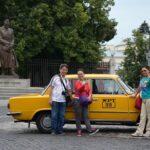
You travel in a historical Fiat 125p from the 1980s. If your group is larger than 4 people, you will be driven in a blue vintage minivan.
Is there walking involved?
Yes. The tour requires a moderate amount of walking, with a half walking, half driving setup. The route can be adapted if needed.
Is the tour available in English?
Yes, the live guide speaks English.
Are there any closures I should know about?
Both the synagogue and the cemetery are closed on Saturdays.
Vintage Rides Around Warsaw


Warsaw, Keep Looking




Jewish Heritage and Ghetto Routes in Warsaw

Recently written up around Warsaw


More Jewish Heritage and Ghetto Tours.
 ★ 4.7Schindler’s Factory & Ghetto Guided TourFrom $571,694 reviews
 ★ 4.9Jewish Quarter and Former Ghetto TourFrom $191,441 reviews
 ★ 4.9Bike Tour of Old Town, Jewish Quarter and the GhettoFrom $371,155 reviews
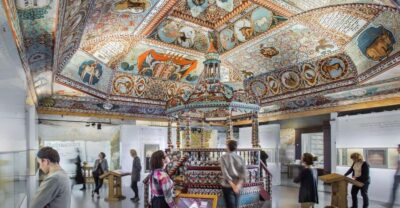 ★ 4.7POLIN Museum of the History of Polish Jews TicketFrom $121,142 reviews
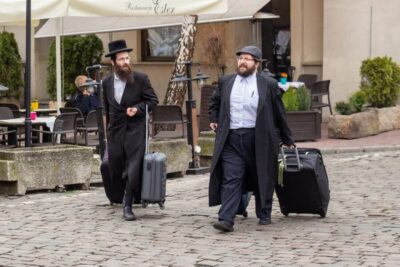 ★ 4.8Kazimierz, Schindler’s Factory & Ghetto Guided TourFrom $81460 reviews
 ★ 5.0Full Bike Tour – the Old Town, Jewish Qtr & the Ghetto NEW BIKESFrom $35437 reviews
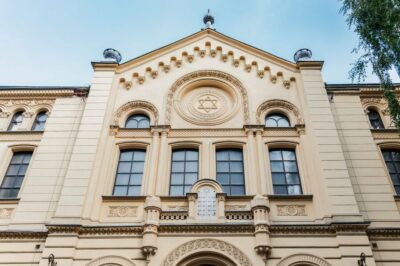 ★ 4.9Warsaw Ghetto Private Walking Tour with Hotel PickupFrom $84369 reviews
 ★ 4.9Bike Tour of the Old Town, Kazimierz, and the GhettoFrom $26350 reviews
Also on these Poland lists